
If you own a Great Pyrenees, you probably want the best for your gentle giant. One question that often comes up is whether you can feed Pyrs regular adult dog food.
You want to make sure your dog stays healthy, happy, and strong without overcomplicating mealtime. But is regular dog food enough for their unique needs? Keep reading to discover the truth and learn how to give your Pyrenees the nutrition they truly deserve.
Diet Needs Of Great Pyrenees
The Great Pyrenees is a majestic and large breed with unique diet needs. Feeding your Pyrenees regular adult dog food might seem simple, but their size and activity level require you to pay close attention to what you offer. Understanding their diet needs helps you keep your dog healthy, energetic, and happy for years to come.
Nutritional Requirements
Great Pyrenees need a diet rich in high-quality protein to support their muscle mass and overall strength. Look for dog foods where the main ingredient is meat, such as chicken, beef, or fish. Since they are a large breed, they also require balanced fat levels to provide energy without causing weight gain.
Calcium and phosphorus are essential for strong bones and joint health. Large breeds like Pyrs are prone to joint issues, so foods designed for large dogs often have adjusted mineral levels to prevent problems. Don’t forget about omega-3 fatty acids, which help keep their skin and coat healthy and reduce inflammation.
Common Health Concerns
One major concern for Great Pyrenees is hip dysplasia, a painful joint condition. Feeding your dog food formulated for large breeds can help manage their weight and reduce stress on their joints. You might want to add supplements like glucosamine and chondroitin after consulting your vet.
Another issue is bloat, a life-threatening condition common in deep-chested breeds. To minimize this risk, feed smaller, more frequent meals rather than one large portion. Avoid vigorous exercise immediately before and after meals to help your Pyrenees digest food safely.
Have you noticed your Pyrenees gaining weight or showing signs of joint discomfort? These could be signs that their current diet isn’t meeting their needs. Adjusting their food type or portion size can make a big difference in their overall health.

Credit: www.walmart.ca
Differences Between Pyrs And Other Dogs
Pyrs, or Great Pyrenees, differ from many other dog breeds in several key ways. These differences affect their diet and nutritional needs. Understanding these traits helps decide if regular adult dog food suits them.
Size And Activity Levels
Great Pyrenees are large dogs, often weighing 85 to 115 pounds. Many other dogs are smaller and lighter. Pyrs have a calm nature but require moderate daily exercise. Their activity level is lower than working breeds but higher than some small companion dogs. This balance affects how much food they need each day.
Metabolic Rate Variations
Pyrs usually have a slower metabolic rate than smaller or more active dogs. Their bodies burn energy more slowly. This means they need fewer calories relative to their size. Feeding them high-calorie regular adult dog food might lead to weight gain. Understanding this helps owners choose the right food amount and type for Pyrs.
Adult Dog Food Suitability
Pyrs can eat regular adult dog food, but their size and energy needs might require special nutrition. Choosing food with balanced nutrients helps keep them healthy and strong. Always check if the food meets the breed’s specific dietary needs.
Determining the suitability of regular adult dog food for your Pyrenean Mountain Dog, affectionately known as a Pyr, is crucial for their health and well-being. These majestic dogs have specific dietary needs due to their size and energy levels. Choosing the right food isn’t just about convenience; it’s about ensuring your Pyr thrives.Ingredients To Look For
When selecting adult dog food for your Pyr, prioritize high-quality protein sources. Look for ingredients like chicken, beef, or fish as the first ingredient on the label. Whole grains such as brown rice and oats can provide essential energy. Additionally, consider foods enriched with omega-3 fatty acids to support their coat and skin health. Natural preservatives and the absence of artificial colors and flavors are also important to maintain their overall health.Potential Risks And Benefits
Feeding your Pyr regular adult dog food can be beneficial if you choose wisely. A balanced diet tailored to their needs can enhance their immune system and energy levels. However, there are potential risks if you select food that’s not suited for large breeds. Foods lacking in essential nutrients might lead to joint issues or weight problems. Is your Pyr getting the right nutrients they need to thrive? Regular vet check-ups and monitoring their weight and coat condition can provide answers.Special Considerations For Pyrs
Feeding a Great Pyrenees requires special attention to their unique health needs. These large dogs grow fast and have strong bones. Their diet must support these features to keep them healthy and active. Regular adult dog food may not always meet these needs perfectly.
Joint Support Needs
Great Pyrenees often face joint problems due to their size. Proper nutrients help keep their joints strong and flexible. Look for dog food with:
- Glucosamine
- Chondroitin
- Omega-3 fatty acids
These ingredients reduce joint pain and improve mobility. Supplements can also help but consult your vet first.
Weight Management Tips
Keeping a Great Pyrenees at a healthy weight is vital. Extra weight strains their joints and heart. Measure their food portions carefully. Avoid too many treats. Regular exercise helps burn calories and keeps muscles strong. Watch their weight regularly to adjust feeding amounts.
Feeding Guidelines And Portions
Feeding your Pyr the right amount of food is key to its health. Proper portions help maintain a healthy weight and energy level. Overfeeding can lead to obesity, while underfeeding may cause nutrient deficiency. Knowing the feeding guidelines ensures your dog stays strong and active.
Daily Feeding Amounts
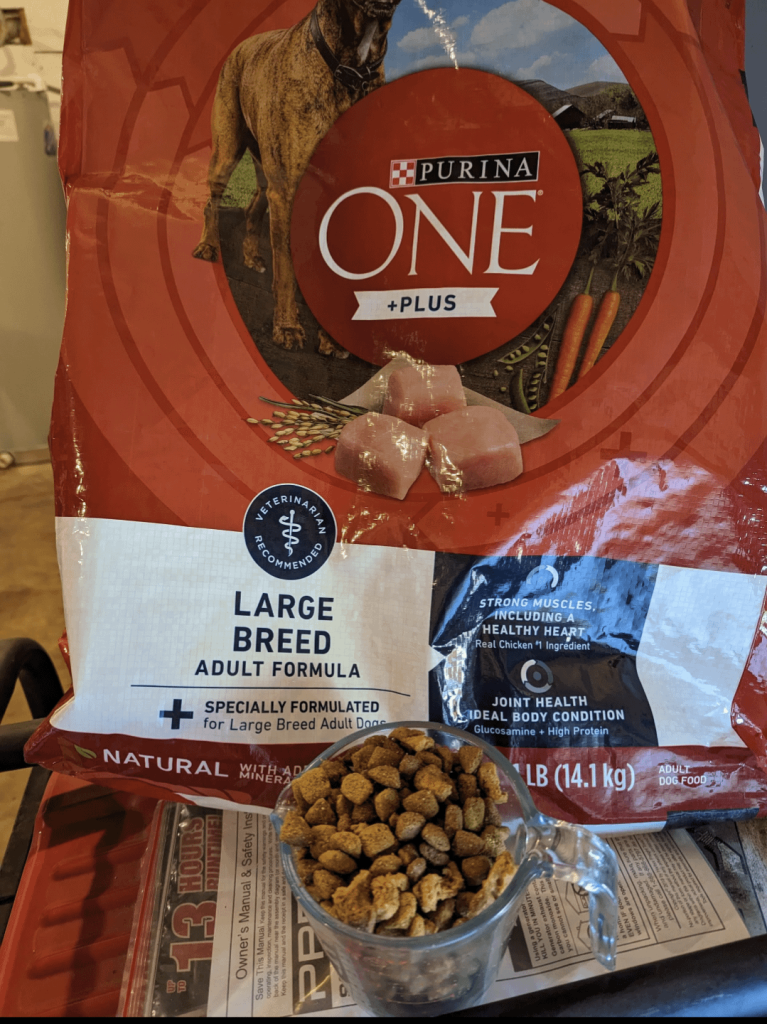
Adult Pyrs usually need between 3 to 5 cups of dry dog food daily. The exact amount depends on their weight, age, and activity level. A dog that weighs 100 pounds may require closer to 5 cups, while a lighter Pyr may need less. Monitor your dog’s body condition and adjust portions if needed.
- Check the food package for recommended serving sizes.
- Use a measuring cup to ensure accuracy.
- Split the daily amount between meals.
- Consult your vet for personalized advice.
Meal Frequency
Feeding adult Pyrs two meals per day works best. This helps keep their energy stable throughout the day. Avoid free-feeding, which means leaving food out all day. Scheduled meals reduce the risk of overeating and digestive issues.
- Feed at consistent times each day.
- Allow time for digestion between meals.
- Keep fresh water available at all times.
- Adjust meal size if your dog’s activity changes.
Signs Of Nutritional Deficiency Or Excess
Recognizing the signs of nutritional deficiency or excess in your Pyrenees is crucial for their health. Feeding regular adult dog food may not always meet their unique dietary needs, so watching for these signs helps you catch problems early. Understanding these indicators lets you adjust their diet before serious issues develop.
Behavioral Changes
Have you noticed your Pyrenees suddenly losing interest in play or becoming unusually lethargic? These changes can signal that their diet isn’t providing the right balance of nutrients. Excess calcium, for example, might cause joint discomfort, making your dog less active.
On the flip side, nutrient deficiency could make your dog restless or anxious. Pay attention if your dog starts begging for food more often or shows signs of irritability. These subtle shifts in behavior often point to underlying dietary problems you should address.
Physical Symptoms
Physical signs are often the easiest to spot and can be quite telling. Dry, flaky skin or a dull coat could mean your Pyrenees isn’t getting enough essential fatty acids. Conversely, excessive weight gain may indicate overfeeding or a diet too high in calories.
Watch for swelling in joints or abnormal bone growth, especially in growing pups, which might result from excess nutrients like calcium and phosphorus. Also, frequent digestive issues, such as diarrhea or vomiting, can reveal that the food isn’t agreeing with your dog’s system.
When To Consult A Veterinarian
Knowing when to consult a veterinarian about your Pyrenees’ diet is crucial for their health. While many owners wonder if regular adult dog food is enough, some signs require professional advice. Paying attention to these signals can save your dog from discomfort and nutritional problems.
Diet Adjustment Triggers
Changes in your dog’s behavior or health could mean it’s time to rethink their diet. If you notice weight loss, digestive issues, or unusual lethargy, don’t ignore these symptoms. Sudden changes in appetite or skin problems might also indicate the food isn’t meeting their needs.
Think about your own experience: Have you ever felt sluggish after eating something new? Dogs can react similarly, and your Pyrenees might need a tailored diet. Consulting a vet helps identify if specific ingredients cause allergies or if nutrient levels are off.
Regular Health Checkups
Regular visits to the vet allow early detection of nutritional deficiencies or other health issues. These checkups provide a chance to discuss your dog’s diet in detail and adjust it as they age or their activity level changes. A vet can recommend the right food or supplements based on test results and observations.
Don’t wait for obvious problems to appear. Scheduling routine checkups keeps your Pyr’s health on track. How often do you take your dog for a health check? Making it a habit can prevent many diet-related problems before they start.

Credit: www.reddit.com
Credit: www.renspets.com
Frequently Asked Questions
Can Pyrs Eat Regular Adult Dog Food Safely?
Yes, Pyrs can eat regular adult dog food if it meets their nutritional needs. Choose high-quality food rich in protein and fat. Monitor their health and adjust portions to maintain an ideal weight and energy level.
Is Regular Adult Dog Food Enough For Pyrs’ Size?
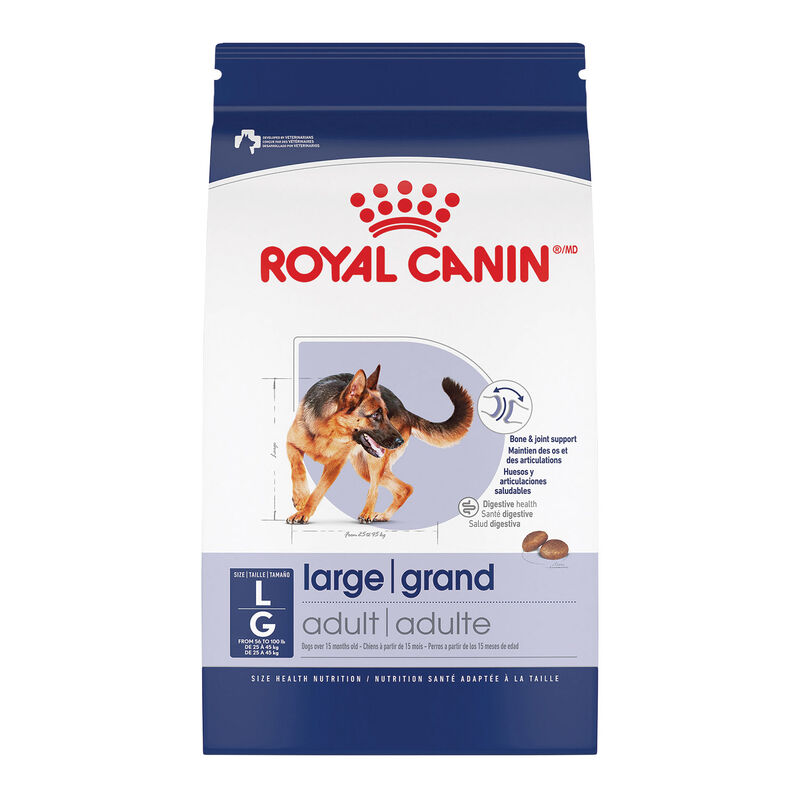
Regular adult dog food can be enough if it’s formulated for large breeds. Pyrs need balanced nutrients to support their large frame and joint health. Look for foods with glucosamine and omega fatty acids for added benefits.
When Should I Avoid Feeding Pyrs Regular Dog Food?
Avoid regular dog food if it lacks essential nutrients or calories for Pyrs. Puppies, pregnant, or senior Pyrs may need special formulas. Consult a vet to ensure the food suits their life stage and health condition.
How To Transition Pyrs To Regular Adult Dog Food?
Transition gradually over 7-10 days by mixing increasing amounts of new food with old. This helps avoid digestive upset. Monitor your Pyr’s reaction and adjust if needed to ensure smooth adaptation and continued health.
Conclusion
Feeding your Pyrenees regular adult dog food can work if chosen carefully. Make sure the food meets their size, age, and health needs. Large breeds like Pyrs need the right nutrients for strong bones and muscles. Avoid foods with too many fillers or low-quality ingredients.
Watching your dog’s weight and energy helps you know if the food suits them. Always ask your vet before changing diets. Proper feeding keeps your Pyrenees happy and healthy every day. Simple steps make a big difference in their life.