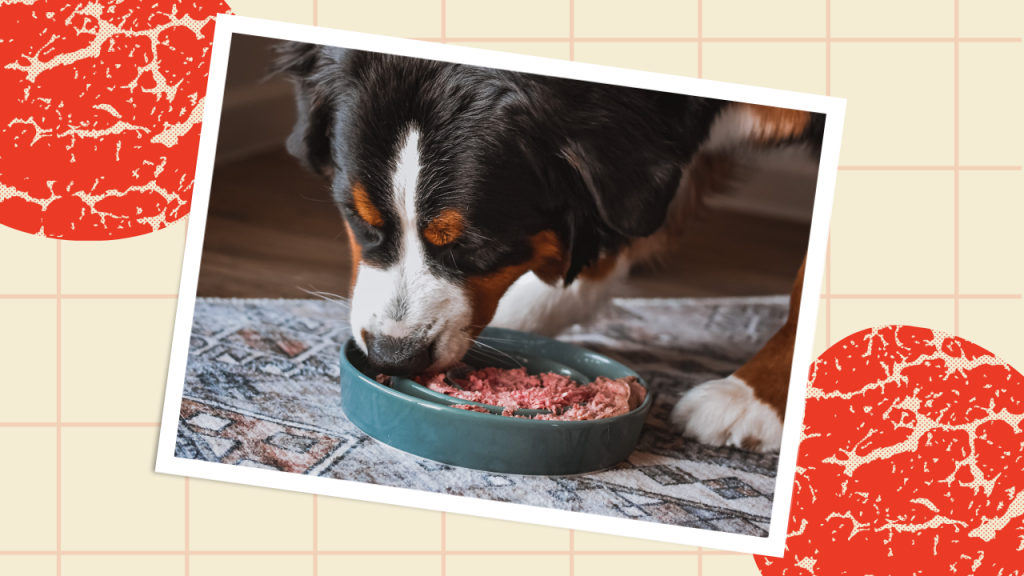

You want the best for your dog, so choosing the right food is important. Maybe you’ve heard that grain-free diets are healthier for dogs.
But what if this popular choice is actually harmful? If you’re feeding your dog grain-free food, you need to know the surprising risks it could bring. Keep reading to discover why a grain-free diet might be bad for your dog’s health—and what you can do to keep your furry friend happy and safe.
Grain Free Diets Explained
Grain free diets for dogs remove all grains like wheat, corn, and rice. These diets use other ingredients to replace grains. Many pet owners believe grain free food is healthier. They think grains cause allergies or digestive problems. But grains provide important nutrients for dogs. Understanding grain free diets helps make better food choices for pets.
Common Ingredients In Grain Free Dog Food
Grain free dog food often uses:
- Potatoes or sweet potatoes as carbohydrate sources
- Peas and lentils for protein and fiber
- Chickpeas and beans for added nutrition
- Meat and fish as primary protein sources
- Vegetables like carrots and spinach for vitamins
These ingredients replace grains but may not offer the same energy levels. Some can cause digestive issues in some dogs.
Reasons Behind Grain Free Popularity
Many owners choose grain free food for these reasons:
- Belief that grains cause allergies or skin problems
- Desire to feed a more natural diet
- Marketing claims of grain free as healthier
- Trends influenced by human gluten-free diets
- Recommendations from some vets or pet stores
Despite popularity, grain free diets may not suit all dogs. Knowing the facts helps avoid health risks.
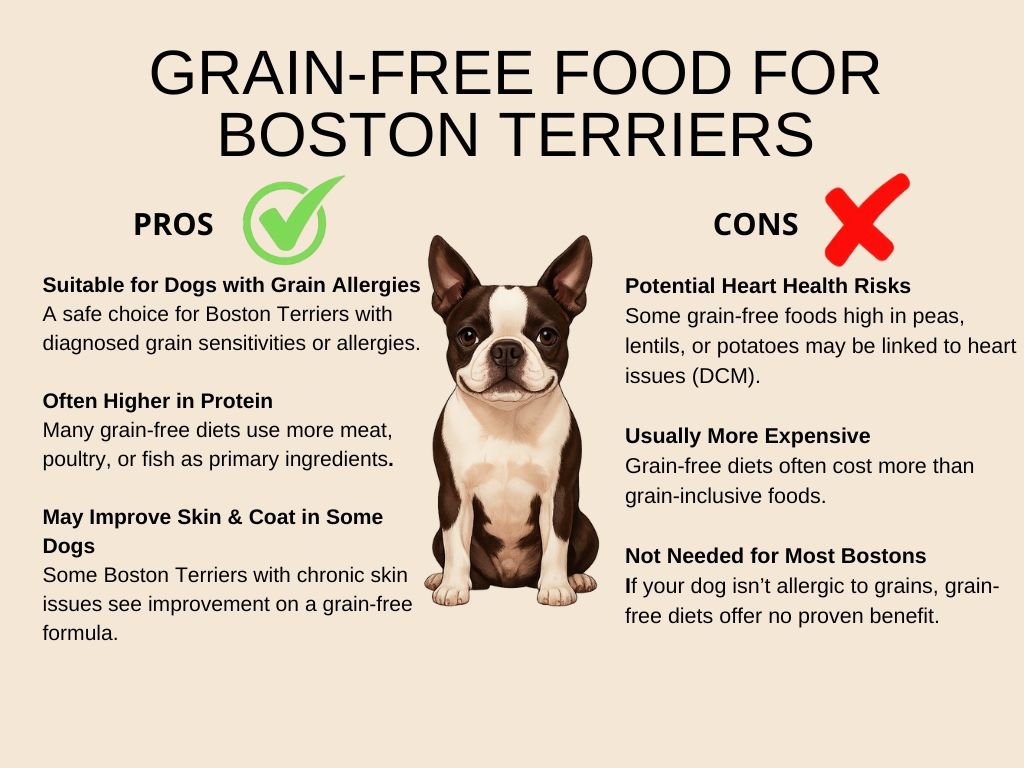
Credit: bostonterrierblog.com
Health Risks Linked To Grain Free Diets
Health risks linked to grain free diets have raised concern among pet experts. Many dog owners believe grain free food is healthier. This is not always true. Some grain free diets can harm dogs in several ways. Understanding these risks helps keep your dog safe and healthy.
Dilated Cardiomyopathy And Heart Issues
Grain free diets are linked to a serious heart problem called dilated cardiomyopathy (DCM). DCM causes the heart to weaken and enlarge. This condition reduces the heart’s ability to pump blood well. Dogs with DCM may show tiredness, coughing, or fainting.
Some grain free foods lack key nutrients like taurine. Taurine is vital for heart health. Without enough taurine, dogs may develop DCM. Studies show a rise in DCM cases connected to grain free diets.
Nutritional Deficiencies
Grain free diets often remove important grains without adding proper substitutes. This can cause nutrient shortages. Dogs may miss out on essential vitamins and minerals. Lack of these nutrients can weaken their immune system.
Essential nutrients missing may include:
- B vitamins
- Fiber
- Iron
- Magnesium
These deficiencies affect overall health and energy. Poor nutrition leads to long-term health problems.
Digestive Problems
Grains provide fiber that supports good digestion. Grain free diets may lack this fiber. Dogs can develop digestive issues like constipation or diarrhea. Their gut bacteria may also become unbalanced.
Without enough fiber, stool quality can worsen. Dogs might experience discomfort and irregular bowel movements. Proper digestion is key to a dog’s health and happiness.
Grains And Canine Nutrition
Dogs have been companions to humans for thousands of years. Over time, their diets have evolved to mirror that of humans. Grains have been a significant part of this evolution. They play a crucial role in canine nutrition.
Essential Nutrients Found In Grains
Grains are packed with essential nutrients. They provide proteins, vitamins, and minerals. These nutrients support overall health in dogs. Grains like rice, oats, and barley are rich in fiber. Fiber aids in digestion and maintains a healthy gut. Vitamins from grains boost immunity and energy levels.
How Grains Support Digestive Health
Grains are beneficial for a dog’s digestive system. They contain soluble fiber, which helps regulate bowel movements. This fiber promotes the growth of beneficial gut bacteria. A healthy gut can prevent digestive issues in dogs. Grains also provide energy for active dogs. They ensure dogs stay energetic throughout the day.

Credit: wefeedraw.com
Misconceptions About Grains In Dog Food
Grains often get a bad rap in dog food discussions. Many dog owners believe grains cause allergies or health problems. But is this really true? Understanding the misconceptions about grains can help you make better choices for your dog’s diet.
Are Grains Allergens For Dogs?
Most dogs are not allergic to grains. True grain allergies are rare, affecting only a small percentage of dogs. If your dog has itching, digestive upset, or other allergy symptoms, it’s more likely due to proteins like beef or dairy, not grains.
Think about your own diet. Most people don’t react negatively to grains unless they have specific conditions like celiac disease. Dogs are similar in this way. Cutting out grains without a diagnosed allergy might actually remove valuable nutrients from their diet.
Debunking Grain Free Marketing Claims
Grain free dog foods often claim to be healthier or more natural. But many of these claims are marketing tactics, not backed by science. Removing grains doesn’t automatically make the food better.
Some grain free diets replace grains with higher amounts of peas, lentils, or potatoes. These ingredients can cause other health issues, like heart problems in some dogs. So, is a grain free label really a sign of quality?
Next time you shop, ask yourself: Is the food balanced? Does it meet your dog’s nutritional needs? Don’t be swayed by buzzwords. Focus on what your dog truly needs to stay healthy and happy.
Choosing The Right Dog Food
Choosing the right dog food shapes your dog’s health and happiness. Every dog has unique needs based on age, size, and health. Feeding the wrong food can lead to nutrient gaps or allergies. Picking a balanced diet is crucial for strong bones, shiny coats, and good energy. Focus on quality ingredients and avoid trends that lack science. Grain free diets often miss essential nutrients dogs require daily. Understanding your dog’s needs helps you avoid diet mistakes.
Assessing Your Dog’s Dietary Needs
Consider your dog’s breed, age, weight, and activity level. Puppies need more protein and calories than older dogs. Large breeds require joint-supporting nutrients like glucosamine. Dogs with allergies might need special formulas. Observe how your dog reacts to certain foods. Notice energy levels, digestion, and coat condition. Keep track of any food sensitivities or intolerances. Tailor the diet to support your dog’s overall wellness.
Consulting Veterinarians And Experts
Veterinarians provide guidance based on medical knowledge. They can diagnose allergies or deficiencies causing health issues. Experts recommend diets backed by research and testing. A vet can suggest suitable commercial or homemade diets. Always discuss diet changes before starting new foods. They monitor your dog’s progress and adjust meals as needed. Trust professional advice over popular diet fads. This ensures safe and effective nutrition for your dog.
Reading And Understanding Dog Food Labels
Labels reveal the true quality of dog food. Look for named protein sources like chicken or beef. Avoid vague terms like “meat meal” or “by-products.” Check the ingredient list order; first items matter most. Ensure the food meets AAFCO standards for balanced nutrition. Watch for fillers like excessive corn or wheat. Check for added vitamins and minerals. Avoid foods with artificial colors or preservatives. Clear labels help you choose the best food for your dog.

Credit: wefeedraw.com
Alternatives To Grain Free Diets
Choosing the right diet for your dog can feel overwhelming, especially with so many options like grain free diets. But if you’re worried about the downsides of grain free food, there are great alternatives that support your dog’s health without unnecessary restrictions. Let’s look at some options that balance nutrition and avoid common pitfalls.
Balanced Diets With Whole Grains
Whole grains like brown rice, oatmeal, and barley are excellent sources of fiber, vitamins, and minerals for dogs. These grains can help maintain healthy digestion and provide steady energy throughout the day.
Including whole grains in your dog’s diet doesn’t mean you’re feeding fillers. Instead, it adds valuable nutrients that support overall wellness. Have you noticed how your dog’s coat and energy levels improve with a balanced diet?
Limited Ingredient Diets
If your dog has food sensitivities, limited ingredient diets can be a smart choice. These diets focus on a few select ingredients to minimize the chance of allergic reactions.
They often include a single protein and a small number of carbs, which makes it easier to identify what might be causing issues. You can find commercial limited ingredient foods or customize one with your vet’s advice. This way, your dog gets what they need without unnecessary extras.
Homemade Meals For Dogs
Preparing meals at home lets you control exactly what your dog eats. You can add fresh vegetables, lean meats, and whole grains tailored to your dog’s preferences and health needs.
Many dog owners find that homemade food improves digestion and energy. Have you thought about cooking for your dog? It’s simpler than you might think, and your vet can help create balanced recipes to keep your pup thriving.
Frequently Asked Questions
Why Is A Grain Free Diet Bad For Dogs?
A grain free diet can lack essential nutrients dogs need. It may cause heart issues like dilated cardiomyopathy (DCM). Grains provide fiber, vitamins, and minerals important for digestion and overall health.
Can Grain Free Diets Cause Heart Problems In Dogs?
Yes, studies link grain free diets to increased risk of DCM. This heart condition weakens the heart muscle, reducing its efficiency. Grain free dog foods may miss key nutrients like taurine, essential for heart health.
Are Grains Necessary For A Dog’s Balanced Diet?
Grains offer important carbohydrates, fiber, and nutrients. They support digestion, energy, and gut health. Most dogs tolerate grains well unless they have allergies or sensitivities, making grains a valuable diet component.
What Alternatives To Grain Free Diets Exist For Sensitive Dogs?
Limited ingredient diets or hypoallergenic foods can help sensitive dogs. These diets avoid common allergens but still include grains or other nutrient sources. Always consult a vet to choose the best diet for your dog.
Conclusion
A grain free diet may harm your dog’s health over time. Dogs need balanced food with all nutrients. Grains provide important vitamins and fiber for digestion. Cutting out grains can cause heart and gut problems. Talk to your vet before changing your dog’s diet.
Choose dog food that supports strong bones and a healthy heart. Feeding well keeps your dog happy and active. Think twice before switching to grain free dog food. Your dog deserves the best care and nutrition.