Are you wondering if you can feed your puppy adult dog food? It’s a common question for many new dog owners.
You want to give your puppy the best nutrition, but sometimes confusion about what to feed can make you unsure. Feeding the wrong food might affect your puppy’s growth and health. Keep reading to discover why your puppy’s diet matters so much and what you should really be feeding them to help them grow strong and healthy.
Puppy Nutritional Needs
Puppies have very specific nutritional needs that differ greatly from adult dogs. Feeding them the right food supports their rapid growth and helps lay a strong foundation for a healthy life. Understanding these needs can help you decide if adult dog food is appropriate or if you should stick with puppy formulas.
Growth And Development Requirements
Puppies grow quickly, especially during the first few months. Their bodies need extra calories and nutrients to support this rapid development.
Energy demands are higher, so their diet must be richer in protein and fat compared to adult dogs. If you give your puppy adult dog food, it might not have enough calories or the right balance of nutrients to keep up with their growth.
Think about your own experience as a child—would you have thrived on adult-sized portions and meals designed for grown-ups? Puppies need tailored nutrition just like children do.
Key Nutrients For Puppies
Some nutrients play a crucial role in puppy health. Protein builds strong muscles, while fats provide energy and support brain development.
Calcium and phosphorus are essential for developing strong bones and teeth. Puppy food is formulated with the right ratio of these minerals to prevent growth problems.
Vitamins and antioxidants help boost the immune system, keeping your puppy healthy as they explore the world around them.
- Protein:Supports muscle and tissue growth.
- Fat:Fuels high energy needs and brain development.
- Calcium & Phosphorus:Ensure proper bone formation.
- Vitamins & Minerals:Strengthen immunity and overall health.
Have you noticed how your puppy’s energy levels seem endless? That’s a sign they need food designed for their unique growth stage, not adult dog food that may leave them undernourished.

Credit: us.eukanuba.com
Differences Between Puppy And Adult Dog Food
Puppies and adult dogs have very different nutritional needs. Feeding your puppy adult dog food may seem convenient, but it can affect their growth and health. Understanding the key differences between puppy and adult dog food helps you make better choices for your furry friend.
Calorie Content And Energy Levels
Puppies need more calories than adult dogs because they are growing rapidly and have high energy levels. Puppy food is specially designed to provide these extra calories to support their active lifestyle.
If you give your puppy adult dog food, they might not get enough energy to keep up with their playful nature. Have you noticed how your puppy seems to bounce around all day? That energy needs fuel.
Protein And Fat Ratios
Puppy food contains higher protein and fat levels compared to adult dog food. These nutrients are essential for muscle development, brain growth, and healthy skin and coat.
Adult dog food usually has lower protein and fat because grown dogs don’t need as much to maintain their body. Feeding adult food to a puppy could slow their development or leave them feeling tired.
Vitamin And Mineral Variations
Puppy food is enriched with vitamins and minerals that support bone growth, immune health, and organ function. Calcium and phosphorus levels are carefully balanced to help build strong bones.
Adult dog food has different vitamin and mineral levels suited for maintenance rather than growth. Giving your puppy adult food might mean missing out on these vital nutrients during critical stages of development.
Risks Of Feeding Puppies Adult Dog Food
Feeding puppies adult dog food can cause nutrient imbalances and digestive issues. Puppies need special nutrients to grow strong and healthy. Adult food may lack the vitamins and minerals essential for their development.
Feeding puppies adult dog food might seem convenient, but it’s not without risks. Puppies have unique nutritional needs that differ significantly from adult dogs. Ignoring these needs can lead to various health issues. Let’s explore the potential risks involved.Nutritional Deficiencies
Puppies require a diet that supports their rapid growth and development. Adult dog food often lacks the essential nutrients needed for healthy bones and muscle development in young dogs. For example, calcium and phosphorus are crucial for bone growth, yet these may not be in adequate quantities in adult formulas. Without the right balance of nutrients, puppies may suffer from stunted growth or developmental issues. This nutritional imbalance can lead to weak bones, making them prone to fractures. It’s essential to ensure your puppy’s food is rich in proteins and minerals tailored to their growing needs.Digestive Issues
Puppies have sensitive digestive systems that can easily be upset by the richer and denser adult dog food. This can result in gastrointestinal problems like diarrhea or vomiting. You may have noticed your puppy having an upset stomach after sneaking adult food; it’s a clear sign of digestive distress. Feeding adult dog food can also lead to bloating and discomfort. Puppies need smaller, more frequent meals to support their energy levels. Keeping their diet puppy-specific helps maintain a happy tummy and active playtime.Long-term Health Impact
The long-term impact of feeding puppies adult dog food can be severe. A poor diet in the early stages of life can set the stage for chronic health issues as your dog ages. This might include joint problems, obesity, or even heart disease. Consider this: Would you feed a toddler adult-sized meals every day? Just like human babies, puppies have developmental needs that must be met to ensure a healthy adulthood. A well-balanced puppy diet is an investment in your dog’s future health and vitality. Are you willing to risk your puppy’s health for convenience? Ensuring your puppy gets the right nutrition sets a strong foundation for their future. Prioritizing their dietary needs now can prevent a host of problems later on.
Credit: www.thinkjinx.com
When Is It Safe To Switch To Adult Food
Knowing when to switch your puppy from puppy food to adult dog food is crucial for their health and growth. Making the switch too early or too late can affect their digestion, energy levels, and overall development. Understanding the right timing helps you support your puppy’s changing nutritional needs effectively.
Age And Size Considerations
Puppies grow at different rates depending on their breed and size. Small breed dogs usually reach adulthood faster, often around 9 to 12 months, while larger breeds may take up to 18 or even 24 months to fully mature.
Switching to adult food too early in large breeds can lead to nutritional imbalances that affect bone development. Conversely, waiting too long in small breeds might result in excess calories and weight gain. Pay attention to your puppy’s breed size and growth patterns before making the change.
Signs Your Puppy Is Ready
Your puppy’s behavior and body condition give important clues about when they’re ready for adult food. Look for signs like:
- Slower growth rate and less frequent weight gain
- Decreased energy levels compared to their early puppy months
- Teeth fully developed, with fewer baby teeth falling out
If your puppy seems satisfied with smaller portions and their coat looks healthy, it might be time to try adult food. Have you noticed these changes in your puppy? Observing these signs can guide you better than just relying on age alone.
Tips For Transitioning Puppy To Adult Food
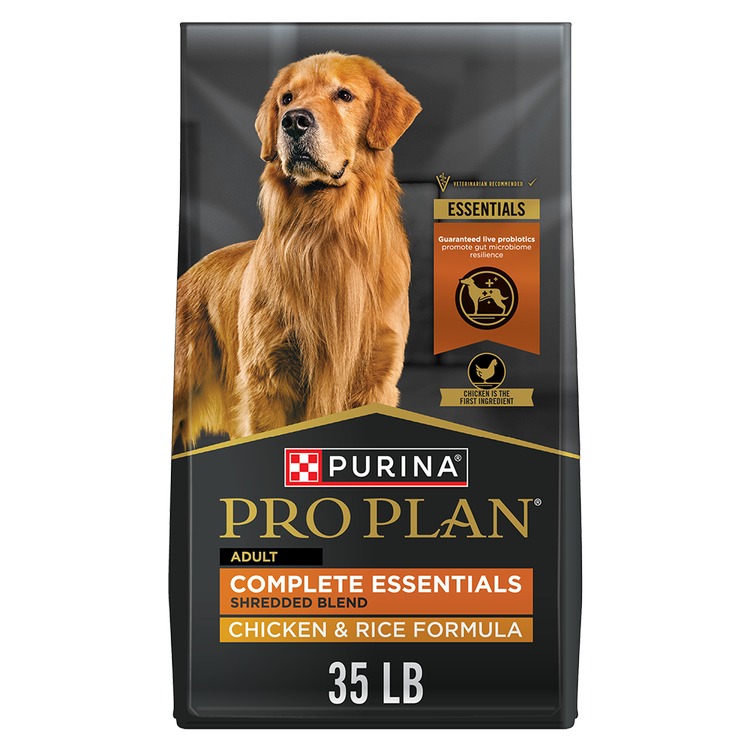
Switching your puppy to adult dog food is a significant step that needs careful attention. This transition impacts their growth, digestion, and overall health. Making the change too quickly can upset their stomach or cause nutritional imbalances, so it’s important to approach it thoughtfully.
Gradual Introduction Method
Start by mixing a small portion of adult dog food into your puppy’s regular meal. A good rule is to begin with about 25% adult food and 75% puppy food. Over the course of 7 to 10 days, slowly increase the adult food portion while decreasing the puppy food.
This slow change helps your puppy adjust to new tastes and textures without digestive issues. You might notice your puppy showing more interest or hesitation—both are normal during this phase. Have you observed how your puppy reacts to new foods before? Use those insights to guide the pace.
Monitoring Your Puppy’s Response
Watch closely for any signs of digestive upset like vomiting, diarrhea, or constipation. Also, note changes in energy levels and coat condition, as these can signal if the new food suits them. Keep a daily log of their behavior and bathroom habits—it’s a simple way to catch problems early.
If you see persistent issues, don’t hesitate to slow down the transition or consult your vet. Remember, each puppy is unique, and what works for one might not work for another. Are you ready to adapt your approach based on your puppy’s feedback?
Credit: www.purina.com
Alternatives To Adult Dog Food For Puppies
Puppies have unique nutritional needs that adult dog food often can’t meet. Feeding them the right diet is crucial for their growth, energy, and overall health. Fortunately, there are several alternatives to adult dog food that can give your puppy the nutrients they need without compromise.
Special Puppy Formulas
Special puppy formulas are designed to support rapid growth and development. These foods have higher protein, fat, and calorie content compared to adult dog food. Choosing a puppy formula ensures your little friend gets essential vitamins and minerals like DHA for brain development and calcium for strong bones.
Many brands offer dry kibble and wet food options tailored for puppies. You might notice my puppy’s coat became shinier and energy levels increased after switching to a puppy-specific diet. Have you checked the label to see if the food mentions “growth” or “puppy” on the packaging?
Homemade Puppy Diets
Homemade diets give you full control over what your puppy eats. You can include fresh ingredients like lean meats, vegetables, and grains. However, it’s important to balance these meals properly to avoid nutrient deficiencies.
Adding a mix of protein, carbs, and healthy fats is key. For instance, boiled chicken, sweet potatoes, and a small amount of olive oil make a wholesome meal. Have you tried preparing fresh meals for your puppy, or do you find it challenging to meet all their nutritional needs this way?
Consulting A Veterinarian
Your vet can guide you in choosing the best diet for your puppy. They can recommend specific brands, homemade recipes, or supplements to fill any gaps. Regular check-ups help track your puppy’s growth and adjust their diet as needed.
If you’re unsure whether adult dog food or an alternative is right, your vet’s advice can be invaluable. Have you talked to your vet about your puppy’s diet yet? It might be the simplest step to ensure your puppy stays healthy and happy.
Frequently Asked Questions
Can Puppies Eat Adult Dog Food Safely?
Puppies should not eat adult dog food regularly. Adult food lacks essential nutrients needed for puppy growth and development. Feeding adult food can lead to nutritional deficiencies and health issues. Always provide puppy-specific food for balanced nutrition and healthy growth.
What Happens If A Puppy Eats Adult Dog Food?
If a puppy eats adult dog food occasionally, it may cause digestive upset. Long-term feeding can lead to improper growth and weak immune systems. Adult food lacks adequate protein, fat, and vitamins necessary for puppies’ development, making it unsuitable for their needs.
When Can Puppies Switch To Adult Dog Food?
Puppies typically switch to adult dog food around 12 months old. Large breeds may need to wait up to 18 months. Consult your veterinarian to determine the best time to transition based on your puppy’s breed and growth rate.
Can Adult Dog Food Meet A Puppy’s Nutritional Needs?
No, adult dog food does not meet all nutritional needs of puppies. Puppies require higher protein, fat, and calorie content for growth. Adult formulas lack these essential nutrients, which can stunt growth and affect overall health if fed exclusively.
Conclusion
Puppies need special food to grow strong and healthy. Adult dog food lacks some nutrients puppies require. Feeding puppies adult food can cause health problems. Stick to puppy food until they reach one year old. Always check with your vet before changing diets.
Proper nutrition supports your puppy’s energy and development. Careful feeding helps your dog live a long, happy life. Choose the right food to keep your puppy healthy. Simple steps make a big difference in your puppy’s growth.