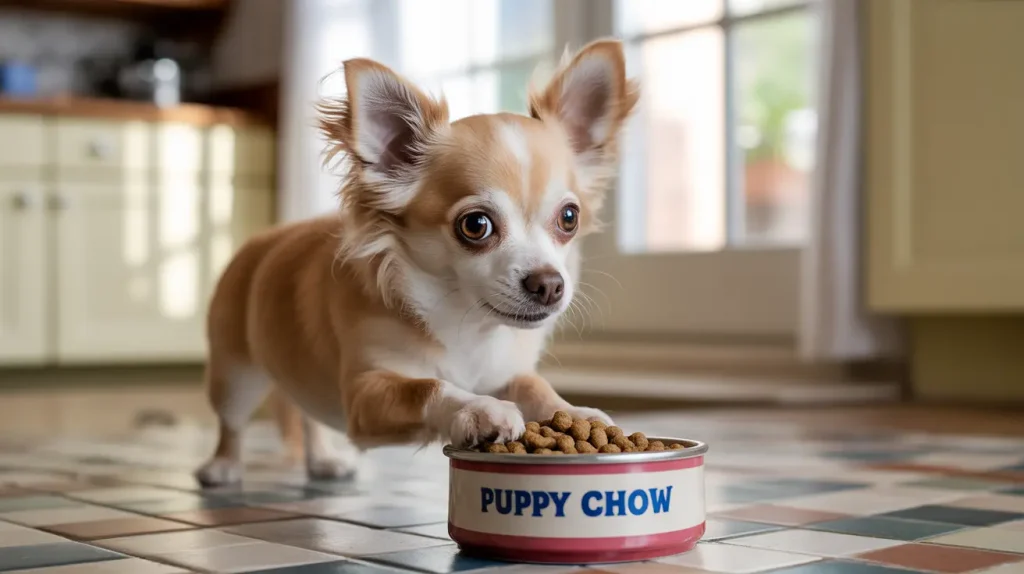

Are you wondering if it’s okay for your adult dog to eat puppy food? It’s a common question many dog owners have, especially when you want to keep your furry friend happy and healthy.
But could feeding puppy food to an adult dog cause problems? The answer might surprise you. Keep reading to find out what really happens inside your dog’s body and how to make the best choice for your loyal companion’s diet.
Your dog’s health depends on it!

Credit: www.youtube.com
Nutritional Differences
Adult dogs and puppies have different nutritional needs. Puppy food is designed to support rapid growth and development. Adult dog food meets maintenance needs and supports overall health. Understanding the nutritional differences helps decide if adult dogs can eat puppy food safely.
Calorie Content
Puppy food contains more calories per serving than adult dog food. Growing puppies need extra energy for development. Adult dogs eating high-calorie puppy food may gain weight quickly. Excess calories can lead to obesity and health problems in adult dogs.
Protein Levels
Puppy food has higher protein levels to support muscle growth. Protein helps puppies build strong bones and tissues. Adult dogs need less protein since growth slows down. Too much protein can strain adult dogs’ kidneys over time.
Fat Concentration
Puppy food contains more fat for energy and brain development. Fat helps puppies absorb vitamins and stay active. Adult dogs require less fat to maintain a healthy weight. High fat intake in adults can cause digestive issues or weight gain.
Effects On Adult Dogs
Feeding an adult dog puppy food may seem harmless at first, but it can have noticeable effects on their health. Adult dogs have different nutritional needs compared to puppies, and their bodies respond differently to food designed for growing pups. Understanding these effects helps you make better choices for your dog’s diet and wellbeing.
Short-term Impact
In the short term, adult dogs eating puppy food may experience digestive upset. You might notice symptoms like diarrhea, gas, or an upset stomach because puppy food is richer in fat and protein than adult dog food.
Sometimes, your dog may even become more energetic or restless due to the higher calorie content. While this might seem positive, it can lead to increased thirst and more frequent urination, which you should monitor carefully.
Long-term Health Risks
Long-term feeding of puppy food to adult dogs can cause serious health problems. Excess calories can lead to unwanted weight gain, putting extra strain on joints and increasing the risk of obesity-related diseases.
Too much calcium and fat, common in puppy formulas, may harm your adult dog’s kidneys and liver over time. This is especially risky for dogs with pre-existing health conditions or certain breeds prone to joint issues.
Have you ever thought about how small changes in your dog’s diet might affect their lifespan? Paying attention to the specific needs of adult dogs can help avoid costly vet visits and keep your pet active and happy longer.
When Puppy Food Might Be Okay
While adult dogs thrive on their own specific diet, there are moments when puppy food might be suitable. Puppy food is rich in nutrients and calories, designed for growing pups. Adult dogs usually need fewer calories and different nutrients. Yet, certain situations allow for some flexibility in this rule. Let’s explore these scenarios in detail.
Occasional Feeding
Sometimes, an adult dog might taste puppy food without harm. A few bites during training or as a treat won’t cause issues. Puppy food’s richer taste can be appealing. This occasional indulgence won’t upset your dog’s diet. But it shouldn’t replace their usual meals.
Special Health Conditions
Certain health issues make puppy food suitable for adults. Dogs with high energy needs may benefit from the extra calories. Pregnant or nursing dogs also require more nutrients. Puppy food can support their increased dietary requirements. Always consult a vet to ensure it’s the right choice.
Credit: www.chewy.com
Choosing The Right Dog Food
Choosing the right food for your dog is more than just picking a bag off the shelf. It’s about understanding their unique needs at different life stages. Feeding an adult dog puppy food might seem harmless, but the nutritional balance matters a lot for their health and energy.
Age-specific Formulas
Dog food labels often highlight formulas designed for puppies, adults, or seniors. Puppy food contains more calories, protein, and fat to support rapid growth. Feeding this to an adult dog can lead to weight gain and digestive upset because their metabolism and activity levels differ.
Conversely, adult dog food is balanced to maintain health and energy without excess nutrients. Have you noticed how your dog’s appetite or energy changes with age? That’s why matching their food to their life stage is crucial for wellbeing.
Reading Labels
Labels offer essential clues about what’s inside the bag. Look for the guaranteed analysis section—it tells you the levels of protein, fat, fiber, and moisture. Puppy formulas typically show higher protein and fat percentages compared to adult formulas.
Ingredients lists matter too. If you see added vitamins and minerals like DHA (important for brain development) in a puppy food, it’s not something your adult dog necessarily needs. Are you checking those labels carefully or just going by brand names?
Consulting A Veterinarian
Your vet knows your dog’s health history and can recommend the best diet. Sometimes, health conditions require special diets regardless of age. Before switching your adult dog to puppy food, ask a professional if it’s safe and beneficial.
Veterinarians can also guide you on portion sizes and how to transition foods smoothly to avoid stomach issues. Have you ever tried adjusting your dog’s diet without professional advice? What was the result?
Signs Of Nutritional Imbalance
Feeding an adult dog puppy food can cause nutritional imbalance. Puppies need more calories and nutrients for growth. Adult dogs have different needs to maintain health. Watching for signs of imbalance helps keep your dog safe.
Weight Changes
Sudden weight gain or loss is a key sign. Puppy food is richer and can cause extra weight. Too much weight stresses joints and organs. Weight loss may show poor nutrition or illness. Regularly check your dog’s weight for changes.
Digestive Issues
Look for vomiting, diarrhea, or constipation. Puppy food may upset an adult dog’s stomach. Digestive problems can lead to dehydration or discomfort. Watch for changes in stool consistency or frequency. These signs suggest the food isn’t agreeing with your dog.
Behavioral Changes
Changes in energy or mood can indicate imbalance. A dog might become lethargic or restless. Lack of proper nutrients affects brain function and mood. Notice if your dog seems more irritable or tired. These subtle signs point to dietary problems.
Credit: www.petsradar.com
Frequently Asked Questions
Will Adult Dogs Get Sick Eating Puppy Food?
Adult dogs usually won’t get sick from puppy food. However, puppy food is richer and higher in calories. Long-term feeding may cause weight gain or digestive upset in adults.
Is Puppy Food Harmful For Adult Dog’s Health?
Puppy food isn’t harmful short term but lacks balance for adult dogs. It has excess nutrients meant for growth, which adults don’t need daily.
Can Adult Dogs Digest Puppy Food Properly?
Yes, adult dogs can digest puppy food, but it may cause mild stomach upset. Their digestive systems handle it but it’s not ideal for regular feeding.
How Does Puppy Food Affect Adult Dog Weight?
Puppy food’s higher fat and calorie content can lead to adult dogs gaining weight. Overfeeding may cause obesity and related health issues over time.
Conclusion
Adult dogs can eat puppy food, but it is not ideal long-term. Puppy food has extra calories and nutrients meant for growing pups. Feeding it to adult dogs might cause weight gain or digestive upset. Occasional feeding is usually safe, but regular use can lead to health issues.
Choose food made for your dog’s age and size. Proper nutrition supports their energy and well-being. Always watch your dog’s reaction to new food. Healthy choices keep your dog happy and strong.
