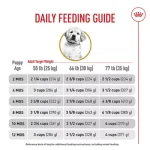

Wondering when you should switch your furry friend to adult dog food? You want to make sure your dog gets the right nutrition at every stage of life.
Feeding adult food too early or too late can affect their health and energy. You’ll discover the perfect time to make the change and how to do it smoothly. Keep reading to learn exactly what your dog needs to stay happy and healthy!
Credit: www.purina.com
Puppy Growth Stages
Puppy growth happens in clear stages. Each stage has unique needs for nutrition and care. Understanding these stages helps in choosing the right food at the right time. This guide covers the key growth phases from birth to the rapid growth period. Knowing these will help you decide when to switch your puppy to adult dog food.
Newborn To Weaning
Newborn puppies rely entirely on their mother’s milk. It provides all the nutrients needed for the first few weeks. Their digestive systems are not ready for solid food yet. During this time, puppies sleep and nurse frequently. This stage usually lasts about four weeks.
Transition To Solid Food
Puppies begin to eat solid food between 3 to 4 weeks old. Start with soft, moistened puppy food that is easy to chew. Gradually reduce the moisture as they get used to solid food. This stage helps puppies develop strong teeth and jaws. It prepares them for full weaning by 6 to 8 weeks.
Rapid Growth Phase
From 8 weeks to about 6 months, puppies grow very fast. They need high-quality puppy food rich in protein and calories. This food supports bone and muscle development. Feeding must be frequent, usually three to four times daily. This phase ends when growth slows and adult food can be introduced.
When To Switch To Adult Food
Knowing the right time to switch your puppy to adult dog food is crucial for their health and growth. Feeding adult food too early or too late can impact your dog’s development and energy levels. Let’s look at the key factors that help determine when you should make this change.
Breed Size And Maturity
Different breeds grow at very different rates. Small breeds often reach maturity by around 9 to 12 months, while larger breeds can take up to 18-24 months to fully mature.
If you switch to adult food too soon for a large breed, they might miss essential nutrients for bone and joint development. On the other hand, small breeds need adult food earlier to avoid excessive calorie intake that can lead to weight problems.
Weight And Health Considerations
Your dog’s current weight and overall health play a big role in deciding when to switch foods. If your puppy is gaining weight too quickly or showing signs of digestive upset, it might be worth consulting your vet before making the switch.
Dogs with special health needs, like allergies or sensitive stomachs, may require a tailored transition plan. Monitoring your dog’s energy levels and coat condition can also give clues about whether their current food is meeting their needs.
Signs Your Puppy Is Ready
Watch for behavioral and physical signs that your puppy is ready for adult food. These include a slower growth rate, decreased appetite for high-calorie puppy food, and more stable bathroom habits.
You might notice your pup becoming less hyperactive as they approach maturity, indicating their metabolism is shifting. If your dog seems satisfied with smaller portions and maintains a healthy weight, it’s likely time to make the switch.
Choosing The Right Adult Food
Puppies usually switch to adult dog food around one year old. This change supports their growth and energy needs. Feeding the right food at the right age keeps your dog healthy and strong.
Choosing the right adult food for your dog is crucial. It supports their health and happiness. Dogs transition to adult food based on their breed and size. Small breeds mature faster than larger ones. Generally, dogs can eat adult food around 12 months. Always consult your vet for personalized advice.Nutritional Needs Of Adult Dogs
Adult dogs need balanced nutrition. Protein supports muscle health. Fats provide energy and help skin health. Carbohydrates offer energy and aid digestion. Vitamins and minerals boost immunity and bone health. Always check food meets nutritional standards.Types Of Adult Dog Food
There are various dog food types. Dry kibble is common and convenient. Canned food is moist and tasty. Semi-moist food is soft and easy to chew. Raw food diets are gaining popularity. Each type has its benefits and drawbacks. Choose based on your dog’s preference and health needs.Reading Pet Food Labels
Reading labels helps choose the best food. Look for the first ingredient; it should be a quality protein source. Check for balanced nutrients. Avoid foods with artificial additives. Look for AAFCO approval; it ensures food meets basic nutritional standards. Understanding labels ensures your dog gets the best nutrition.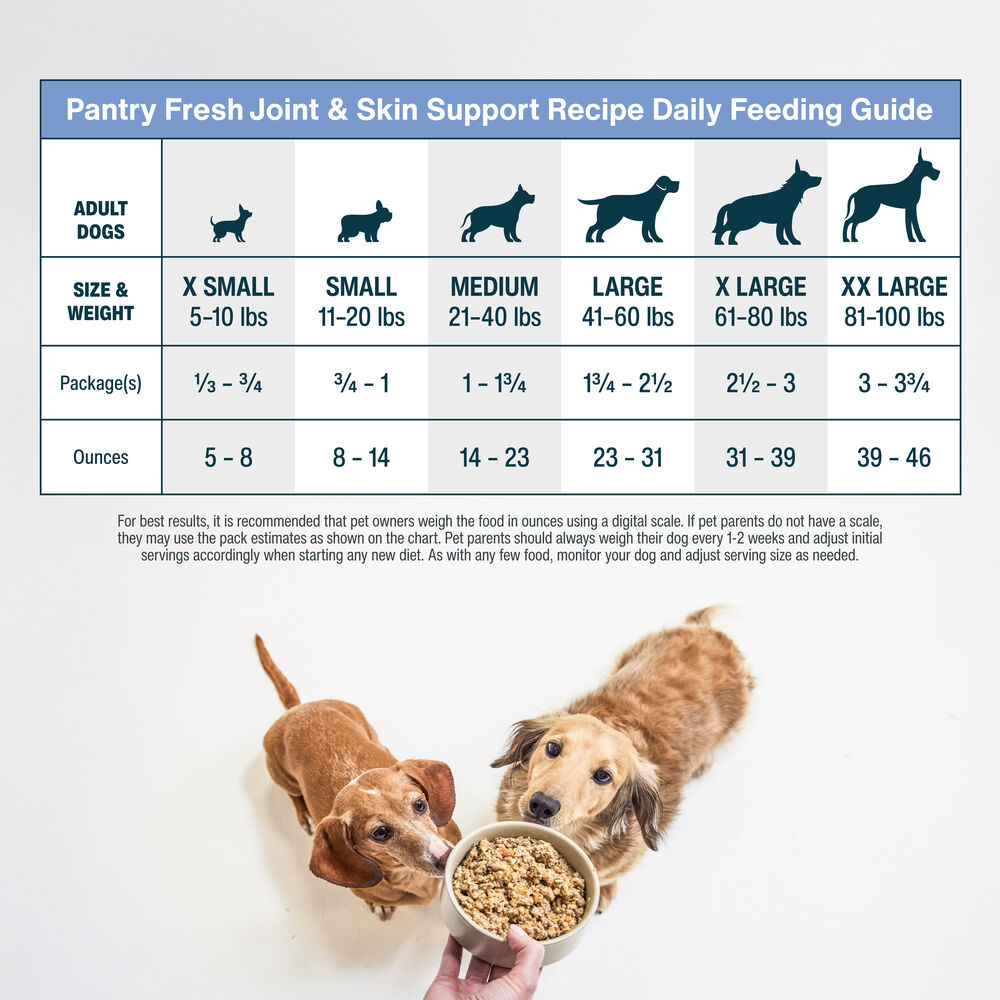
Credit: www.justfoodfordogs.com
Switching Food Safely
Switching your dog’s food from puppy to adult formula is an important step that requires care. A sudden change can upset your dog’s stomach and cause unwanted digestive issues. Handling this transition safely ensures your pet stays happy and healthy.
Gradual Transition Tips
Start by mixing a small amount of the new adult food with your dog’s current puppy food. Increase the new food portion over 7 to 10 days until it completely replaces the old food.
This slow switch helps your dog’s digestive system adjust to the new ingredients and nutrients. Remember to keep the feeding schedule consistent to avoid confusion for your pet.
Avoiding Digestive Issues
Watch for signs like diarrhea, vomiting, or loss of appetite during the transition. These symptoms often mean the change is too fast or the new food isn’t agreeing with your dog.
If this happens, slow down the transition or try a different adult food formula. Sometimes dogs need extra time or a specific diet to prevent tummy troubles.
Monitoring Your Dog’s Reaction
Pay close attention to your dog’s energy levels, stool quality, and overall mood after switching foods. Positive signs include steady weight, shiny coat, and regular bathroom habits.
If you notice any persistent issues, consult your vet to rule out allergies or other health concerns. How does your dog respond to new foods? Keeping a food diary can help track reactions and find the best fit for your furry friend.
Special Cases
Special cases need careful thought before switching to adult dog food. Dogs vary by size and age, which affects their diet needs. Some dogs need adult food earlier or later than usual. Understanding these cases helps keep your dog healthy and happy.
Large And Giant Breeds
Large and giant breeds grow slower than small dogs. Their bones and joints need extra care. Switching to adult food too early can harm growth. Keep them on puppy food longer, usually until 12 to 18 months old. Choose formulas made for large breeds to support joint health.
Small Breed Considerations
Small breeds mature faster and burn more energy. They often switch to adult food around 9 to 12 months. Their adult food should have more calories and nutrients to match their fast metabolism. Small breed adult food is usually richer and smaller in kibble size for easy eating.
Senior Dogs And Diet Changes
Senior dogs have different nutrition needs than adults. They may need fewer calories but more fiber and vitamins. Switching to senior dog food usually happens around 7 years old. This food supports aging joints, digestion, and heart health. Always watch your senior dog’s weight and energy levels during diet changes.
Credit: blepworld.com
Consulting Your Veterinarian
Consulting your veterinarian is essential before switching your dog to adult food. Each dog has unique needs based on breed, size, and health. A vet’s advice ensures the change supports your dog’s well-being. This step helps avoid common feeding mistakes and promotes a smooth transition to adult food.
Personalized Feeding Plans
Your vet creates a feeding plan tailored to your dog’s age and lifestyle. They consider weight, activity level, and breed specifics. This plan sets the right portion size and feeding frequency. Proper feeding prevents obesity and nutrient deficiencies.
Addressing Health Concerns
Some dogs have special health needs affecting diet choices. Your vet checks for allergies, digestive issues, or chronic conditions. They recommend adult foods that support your dog’s health. Early detection of problems helps keep your dog healthy and happy.
Regular Checkups And Adjustments
Feeding needs change as your dog grows and ages. Regular vet visits track your dog’s weight and health. Your vet adjusts the feeding plan based on growth or health changes. This keeps your dog in optimal shape through every life stage.
Frequently Asked Questions
When Is The Right Age To Feed Adult Dog Food?
Most dogs can switch to adult food at 12 months old. Large breeds may need to wait until 18-24 months. Always check with your vet for the best timing for your dog’s breed and growth rate.
Why Shouldn’t Puppies Eat Adult Dog Food Too Early?
Adult dog food lacks nutrients essential for puppy growth. Feeding it too early can cause nutrient deficiencies. Puppies need higher protein and fat levels to develop bones and muscles properly.
How To Transition From Puppy To Adult Dog Food?
Switch gradually over 7-10 days by mixing increasing amounts of adult food with puppy food. This helps avoid digestive upset. Monitor your dog’s health during the transition.
Can Feeding Adult Food Early Harm My Puppy?
Yes, it can lead to poor growth and health issues. Adult food is less calorie-dense and misses vital growth nutrients. Always feed age-appropriate food for balanced development.
Conclusion
Feeding your dog adult food at the right age helps their growth. Most dogs switch at about one year old. Puppies need special nutrients that adult food lacks. Watch your dog’s health and energy levels closely. Talk to your vet for advice tailored to your dog.
Changing food too early or late can cause problems. Keep your dog happy with the right diet. Simple steps lead to a healthy, strong pet. Your dog will thank you with a wagging tail.