
Feeding your puppy adult dog food might seem simple, but doing it right can make a big difference in their health and happiness. You want to give your furry friend the best nutrition without causing stomach troubles or slowing their growth.
If you’re wondering when and how to make this change smoothly, you’re in the right place. Keep reading to learn the easy steps that will help your puppy thrive as they grow into a strong, healthy adult dog.
When To Start Adult Food
Knowing the right time to switch your puppy to adult dog food is important. Feeding adult food too early or too late can affect your dog’s health. Puppies have different nutritional needs than adult dogs. Their growing bodies require more calories and nutrients. Adult food suits a dog’s maintenance phase, not growth. Recognizing the right moment to change diets helps keep your dog healthy and happy.
Signs Your Puppy Is Ready
Watch for clear signs that your puppy is ready for adult food. These include:
- Your puppy is losing the rapid growth phase.
- Teeth are fully developed and strong.
- Energy levels become more stable, less hyperactive.
- Your vet says your puppy’s weight and size are stable.
- Your dog shows less interest in puppy food and more in adult food.
Switch gradually over 7 to 10 days to avoid stomach upset. Mix adult food with puppy food, increasing adult food daily.
Breed And Size Considerations
Breed and size matter when deciding when to start adult dog food. Small breeds grow faster and mature sooner. They often switch to adult food around 9 to 12 months. Large and giant breeds grow longer and need puppy food up to 18-24 months.
Large breed puppies require special diets to support bone growth. Switching too early can cause nutritional imbalances. Always check breed-specific guidelines or ask your vet for advice.
Credit: www.webbox.co.uk
Choosing The Right Adult Food
Choosing the right adult food for your puppy transitioning to adult dog food is more than just picking a label off the shelf. It requires understanding what your dog truly needs to thrive at this stage. This decision affects your dog’s health, energy, and happiness for years to come.
Nutritional Needs Of Adult Dogs
Your puppy’s nutritional needs change as they grow. Adult dogs need balanced protein, fats, and carbohydrates to maintain a healthy weight and energy level. Unlike puppies, adult dogs don’t require as many calories but still need essential nutrients like omega-3 fatty acids for their coat and joint health.
Pay attention to the ingredient list. Look for named meat sources like “chicken” or “beef” instead of vague terms like “meat meal.” Also, ensure the food contains vitamins and minerals such as calcium and phosphorus for bone strength.
Comparing Dry, Wet, And Raw Options
Choosing between dry kibble, wet food, or raw diets can feel overwhelming. Each has pros and cons depending on your dog’s preferences and health.
- Dry Food:Convenient, affordable, and good for dental health due to its crunchy texture.
- Wet Food:Higher moisture content helps with hydration and is often more palatable for picky eaters.
- Raw Food:Mimics natural diets and may improve digestion, but requires careful handling to avoid bacterial contamination.
Have you noticed how your dog reacts to different textures or flavors? Observing their preferences can guide your choice. Remember, switching food types should be done gradually to avoid stomach upset.
Preparing For The Switch
Gradually mix adult dog food with puppy food over several days. Watch your puppy’s reaction and adjust the amount slowly. This helps their stomach adapt without discomfort.
Preparing for the Switch Transitioning your puppy to adult dog food is a significant milestone. It’s essential to handle this change smoothly to maintain your pup’s health and happiness. The right approach ensures that their nutritional needs continue to be met as they grow.Gradual Transition Plan
Switching your puppy’s food abruptly can upset their stomach. A gradual transition over a week is usually effective. Start by mixing 25% adult dog food with 75% puppy food for the first few days. Then, adjust the ratio to 50% of each for another few days. Gradually increase to 75% adult food and 25% puppy food. By the end of the week, your puppy should be ready for a full bowl of adult dog food.Monitoring Your Puppy’s Reaction
Pay close attention to your puppy’s reaction throughout the transition. Look for any signs of digestive discomfort, such as diarrhea or vomiting. If your puppy seems lethargic or refuses the new food, pause the transition and consult your vet. Observing your puppy’s energy levels and coat condition can also offer insights. A healthy, shiny coat and playful behavior indicate that the new diet suits them. Does your puppy seem more energetic or less interested in play? These behavioral changes might signal a need for dietary adjustment.
Credit: www.lilyskitchen.co.uk
Feeding Schedule Adjustments
Adjusting your puppy’s feeding schedule as they transition to adult dog food is crucial for their health and digestion. This change isn’t just about what you feed but also when and how much. Paying attention to these adjustments helps avoid stomach upset and supports steady growth and energy levels.
Meal Frequency Changes
Puppies usually eat three to four small meals a day. As they grow, their metabolism slows down, and they don’t need as many meals. You can gradually reduce their meals to two per day—morning and evening.
Cutting down meal frequency can be tricky. If your puppy seems hungry or restless, consider splitting one meal into two smaller ones temporarily. Are you noticing changes in their energy after meal changes? That’s a good sign to tweak the schedule.
Portion Size Guidelines
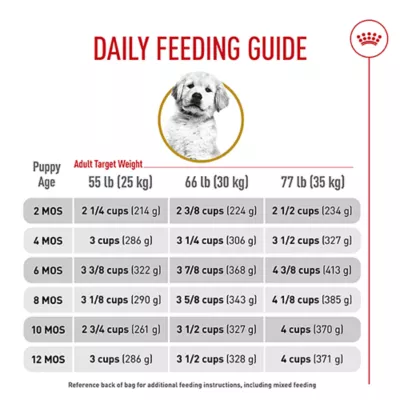
Adult dog food is typically more calorie-dense than puppy food. This means you need to adjust portion sizes carefully to prevent overfeeding. Start by feeding about 75% of the portion size you used for puppy food and watch your dog’s weight and activity level.
Use your dog’s body condition as a guide—ribs should be felt but not seen. If your dog gains weight, reduce portions slightly. If they seem hungry or lose weight, increase portions gradually.
Tracking portions with a measuring cup or a kitchen scale helps keep feeding consistent. Have you tried weighing your dog to ensure the portions fit their ideal weight? This simple step can make a big difference in keeping your dog healthy.
Common Challenges And Fixes
Switching a puppy to adult dog food can bring some challenges. Puppies may resist the new food or show signs of stomach upset. These are common issues many dog owners face. Understanding these challenges helps in managing them smoothly. Patience and careful observation are key to success.
Dealing With Picky Eating
Puppies may refuse adult dog food due to changes in taste or texture. This behavior can cause worry for owners. To encourage eating, try these tips:
- Mix a small amount of adult food with puppy food.
- Warm the food slightly to enhance aroma.
- Offer food at regular times each day.
- Avoid giving too many treats before meals.
- Stay calm and patient during feeding times.
Slowly increase the amount of adult food while reducing puppy food. This helps the puppy adjust without stress.
Handling Digestive Upsets
Switching foods can cause digestive issues like diarrhea or vomiting. These signs show the puppy’s stomach is adjusting. To ease digestive upsets, consider these steps:
- Introduce adult food gradually over 7-10 days.
- Feed smaller, more frequent meals.
- Ensure fresh water is always available.
- Avoid sudden changes in diet or treats.
- Consult a vet if symptoms last more than 3 days.
Keeping the transition slow helps reduce stomach discomfort and keeps the puppy healthy.
Maintaining Health During Transition
Switching your puppy to adult dog food is a big step for their health. This transition needs care to keep your dog happy and strong. Paying attention to how your dog reacts and adjusting their care can make this change smoother and healthier.
Regular Vet Checkups
Visit your vet regularly to monitor your dog’s health during the food change. The vet can spot any nutritional gaps or digestion issues early. These checkups help you adjust the diet if needed, ensuring your dog stays energetic and healthy.
Ask your vet specific questions about the new food and your dog’s reaction to it. You might learn if certain ingredients work better for your dog’s breed or age. Staying informed this way keeps your dog’s well-being on track.
Supplements And Hydration Tips
Some dogs need extra vitamins or supplements during this diet change. For example, omega-3 fatty acids support skin and coat health, which can be sensitive during transitions.
Hydration is also key. Make sure your dog always has fresh water available. If your dog is reluctant to drink enough, try adding a bit of low-sodium broth to their water bowl to encourage sipping.
Have you noticed your dog’s energy or digestion change after switching food? Adjusting supplements or hydration might be the answer to keeping them comfortable and vibrant.
Credit: www.thinkjinx.com
Frequently Asked Questions
When Should I Switch My Puppy To Adult Dog Food?
Switch to adult dog food when your puppy reaches 12 months. Large breeds may need up to 18-24 months. Consult your vet for exact timing based on breed and size.
How To Transition Puppy To Adult Dog Food Safely?
Mix increasing amounts of adult food with puppy food over 7-10 days. This gradual change helps avoid digestive upset and ensures a smooth transition.
Can Adult Dog Food Meet A Puppy’s Nutritional Needs?
Adult dog food lacks some nutrients puppies need for growth. It’s not recommended for puppies under one year unless advised by a vet.
What Signs Show My Puppy Is Ready For Adult Food?
Signs include slowed growth, stable weight, and increased activity. Your vet can confirm if your puppy’s development suits adult food.
Conclusion
Feeding your puppy adult dog food needs care and patience. Start slowly, mixing new food with old. Watch your puppy’s reaction to avoid tummy troubles. Keep meals regular and fresh water nearby. Healthy feeding helps your dog grow strong and happy.
Stay consistent and adjust portions as your dog changes. This simple approach makes the transition smooth and safe. Your puppy will thank you with wagging tails and bright eyes. Small steps lead to big health benefits. Keep learning and caring every day.