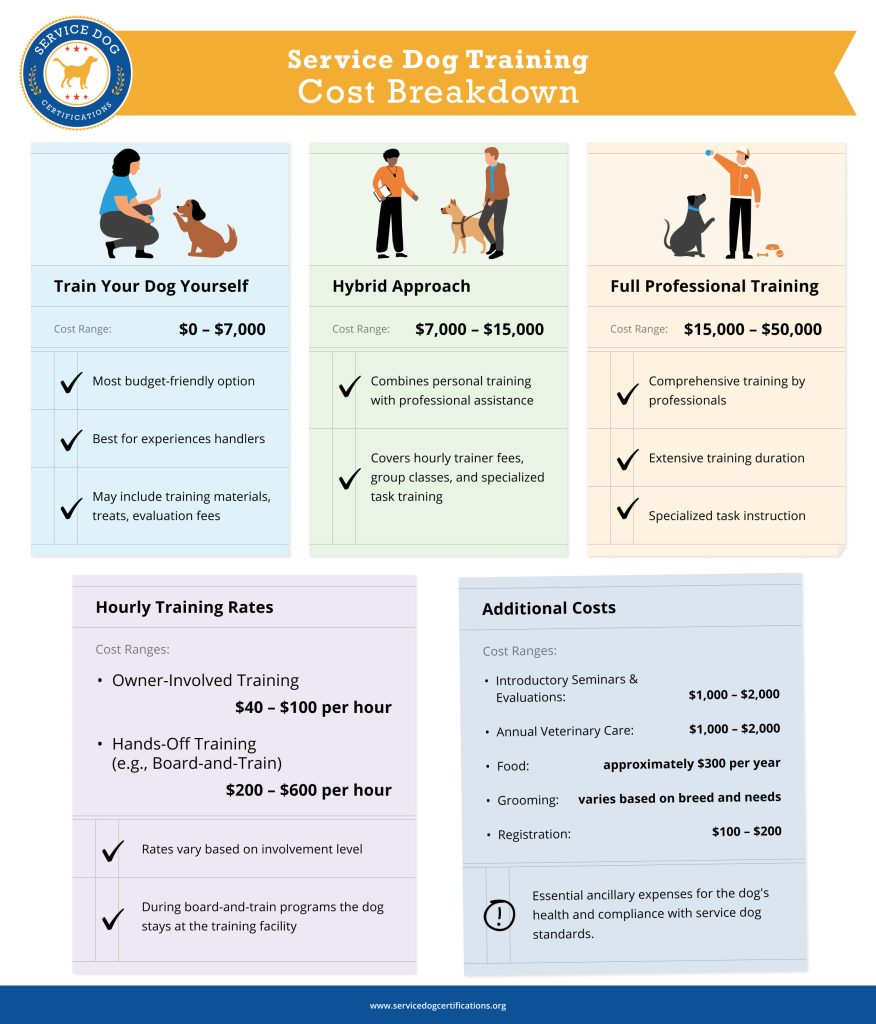

Thinking about training a therapy dog but unsure how much it will cost? You’re not alone.
Whether you want your dog to provide comfort to others or support your own well-being, knowing the expenses involved is key. Understanding the price helps you plan better and avoid surprises. You’ll discover the real costs of training a therapy dog and learn how to make the best choices for your budget and goals.
Keep reading to find out everything you need to know before getting started.
Factors Influencing Training Costs
Training a therapy dog involves various costs that can differ widely. Several factors shape these expenses. Understanding these can help plan your budget effectively.
Costs vary based on the dog’s breed and age, the training length, the trainer’s fees, and the location of the training facility. Each element plays a crucial role in the final price.
Breed And Age Considerations
Some breeds learn faster and adapt better to therapy work. Popular breeds for therapy often cost more to train. Younger dogs usually require longer training sessions. Older dogs may need extra patience and time. Breed and age influence how quickly the dog masters skills.
Training Duration And Intensity
Intensive training programs cost more due to longer sessions. Basic training is less expensive but covers fewer skills. Training duration depends on the dog’s progress and abilities. Frequent, focused sessions improve results but raise costs.
Professional Trainer Fees
Experienced trainers charge higher fees for specialized therapy dog training. Trainers with certifications or proven success often have premium rates. Group training is cheaper than private lessons. Trainer fees include preparation, instruction, and follow-up support.
Location And Facility Impact
Training costs vary by region and facility quality. Urban areas generally have higher prices than rural locations. Facilities with advanced equipment and amenities charge more. Travel expenses may add to the total cost if the trainer is far.

Credit: paws-therapydogs.com
Types Of Therapy Dog Training
Training a therapy dog involves different types of training. Each type builds on the last. These steps prepare the dog to help people in many settings. Understanding these training types helps you know what costs to expect.
Basic Obedience Training
Basic obedience is the foundation for all therapy dogs. Dogs learn simple commands like sit, stay, and come. They also practice walking calmly on a leash. This training ensures the dog behaves well in public. It usually lasts several weeks to months.
Specialized Therapy Skills
Therapy dogs need special skills beyond obedience. They learn how to stay calm around medical equipment and loud noises. They practice gentle behavior with strangers and children. Some dogs train to respond to emotional cues from people. This training varies by the therapy dog’s role.
Certification And Testing
After training, therapy dogs must pass tests. These tests check behavior, obedience, and social skills. Many organizations offer certification for therapy dogs. Certification proves the dog is ready for visits in hospitals, schools, or nursing homes. It also gives handlers confidence in their dog’s skills.
Diy Vs Professional Training Expenses
Training a therapy dog involves costs that vary widely. Choosing between training your dog yourself or hiring a professional impacts your budget significantly. Each option has its own expenses and benefits. Understanding these can help you make the best choice for your needs and wallet.
Home Training Resources
Training a therapy dog at home saves money on fees. You can use books, online videos, and apps designed for dog training. Some tools and treats might cost around $50 to $150. Patience and consistency are key to success. Progress depends on your time and dedication. You avoid ongoing costs but may miss expert guidance.
Hiring Certified Trainers
Professional trainers offer expertise and structured programs. Certified trainers often charge between $50 and $150 per hour. Some may offer packages for therapy dog training, costing several hundred to a few thousand dollars. This investment can speed up learning and improve results. Trainers also address specific behavior issues effectively. The cost reflects experience and certification level.
Group Classes Vs Private Sessions
Group classes are more affordable, usually $20 to $50 per session. They provide socialization benefits for your dog. However, trainers give less individual attention. Private sessions cost more, ranging from $75 to $150 per hour. These focus fully on your dog’s needs and your training goals. Choosing depends on your budget and your dog’s personality. Some owners start in groups, then switch to private lessons for advanced skills.

Credit: www.therapydogs.com
Additional Costs To Consider
Training a therapy dog involves extra costs like vet visits, food, and equipment. Regular health check-ups and proper gear add to the budget. These expenses are important to keep your dog healthy and well-prepared.
When considering the costs of training a therapy dog, it’s important to look beyond the initial training fees. Additional expenses can add up quickly, and understanding them will help you budget effectively. Let’s delve into some of these costs you might encounter.Equipment And Supplies
Training a therapy dog requires specific equipment. You might need a variety of leashes, collars, and harnesses to ensure your dog is comfortable and safe during training sessions. Investing in quality items will save you money in the long run as they’re less likely to break or wear out. Don’t forget about training aids like clickers, treat pouches, and specialized toys. These are essential for reinforcing positive behavior and keeping your dog engaged. A comfortable dog bed or crate can also be beneficial for your dog’s rest periods.Health And Veterinary Care
Regular veterinary check-ups are a must for a healthy therapy dog. Vaccinations, flea and tick prevention, and routine health screenings are essential to keep your dog in top condition. These visits can be costly, but they are crucial for your dog’s well-being. Unexpected health issues can arise, so having a financial cushion for emergencies is wise. Consider pet insurance to help offset these costs. It’s an investment in your dog’s health and your peace of mind.Ongoing Maintenance And Refreshers
Training doesn’t end once your dog is certified as a therapy dog. Regular maintenance sessions and refreshers are necessary to keep their skills sharp. Consider enrolling in advanced classes or workshops that can enhance your dog’s abilities and keep them motivated. Participating in community events or therapy programs can also be beneficial. These opportunities provide real-world experience and help maintain your dog’s socialization skills. Are you prepared to invest in your dog’s continuous growth and development? Understanding these additional costs will ensure that you are fully prepared for the financial commitment of owning and training a therapy dog. Proper planning will not only benefit your wallet but also guarantee a happier, healthier partnership with your furry friend.Ways To Reduce Training Expenses
Training a therapy dog can be a rewarding journey, but the costs can quickly add up. Finding ways to reduce these expenses helps you focus more on building a strong bond with your dog rather than worrying about the bills. There are several practical options that can ease the financial load without compromising the quality of training.
Scholarships And Grants
Many organizations offer scholarships and grants specifically for therapy dog training. These funds are designed to support individuals who might struggle with the costs but show genuine commitment. It’s worth researching local animal welfare groups, therapy dog associations, or even community foundations.
Applying for these opportunities often requires a simple application and sometimes a short essay about your goals. Have you considered reaching out to nonprofits or therapy dog clubs in your area? They might have resources you haven’t discovered yet.
Volunteer Programs
Some training centers offer volunteer programs where you can exchange your time and effort for discounted or free training sessions. Volunteering not only reduces your expenses but also deepens your understanding of therapy dog work. It’s a chance to learn from professionals while contributing to the community.
Think about how you can fit volunteering into your schedule. Could you assist during training classes or help with administrative tasks? This approach creates a win-win situation where your involvement cuts down costs and builds valuable experience.
Training Discounts And Packages
Many trainers and training facilities provide discounts or package deals for therapy dog training. Purchasing multiple sessions upfront often lowers the overall price per class. Keep an eye out for seasonal promotions or group class rates, which can also make training more affordable.
Don’t hesitate to ask trainers about any available discounts or flexible payment plans. Have you checked if local trainers offer bundle deals? Sometimes a small conversation can open doors to significant savings.

Credit: smart.dhgate.com
Frequently Asked Questions
How Much Does Therapy Dog Training Typically Cost?
Therapy dog training usually ranges from $500 to $3,000. Costs depend on the trainer’s experience and training duration. Group classes are cheaper than private sessions. Additional certification fees may apply. Budgeting helps ensure quality training and certification for your therapy dog.
What Factors Influence Therapy Dog Training Expenses?
Training costs vary based on dog breed, age, and temperament. The trainer’s expertise and location also affect prices. Specialized skills like obedience or socialization add to expenses. Certification and ongoing education may increase overall costs for therapy dog training.
Are There Affordable Therapy Dog Training Options?
Yes, affordable options include group classes, online courses, and community programs. Some nonprofits offer low-cost or subsidized training. DIY training with professional guidance can reduce expenses. Research local resources to find budget-friendly therapy dog training opportunities.
How Long Does Therapy Dog Training Usually Take?
Training typically lasts 3 to 6 months, depending on the dog’s progress. Consistent practice and socialization are essential during this period. Some dogs may require more time for certification readiness. Patience and commitment ensure a well-prepared therapy dog.
Conclusion
Training a therapy dog takes time and money. Costs vary based on training type and location. Quality training helps dogs perform well and stay safe. Choose trainers with good experience and reviews. Remember, a well-trained therapy dog brings comfort and joy.
Plan your budget carefully to meet training needs. Investing in training pays off with a loyal companion. Therapy dogs need patience, care, and consistent practice. Your effort helps create a trusted and loving helper. Keep your goals clear and enjoy the training journey.