
Training an older dog to use potty pads might seem challenging, but it’s completely possible—and worth the effort. If you’ve been struggling with accidents around the house or want to make life easier for your furry friend, this guide is for you.
You’ll discover simple steps that make the process smooth and stress-free. Keep reading, and you’ll soon have your dog confidently using potty pads, making your home cleaner and your bond stronger.

Credit: www.gntos.org
Choosing The Right Potty Pads
Choosing the right potty pads is a crucial step in training your older dog. The right pad can make the process smoother and more comfortable for your pet. It also helps prevent accidents and keeps your living space clean.
Size And Absorbency
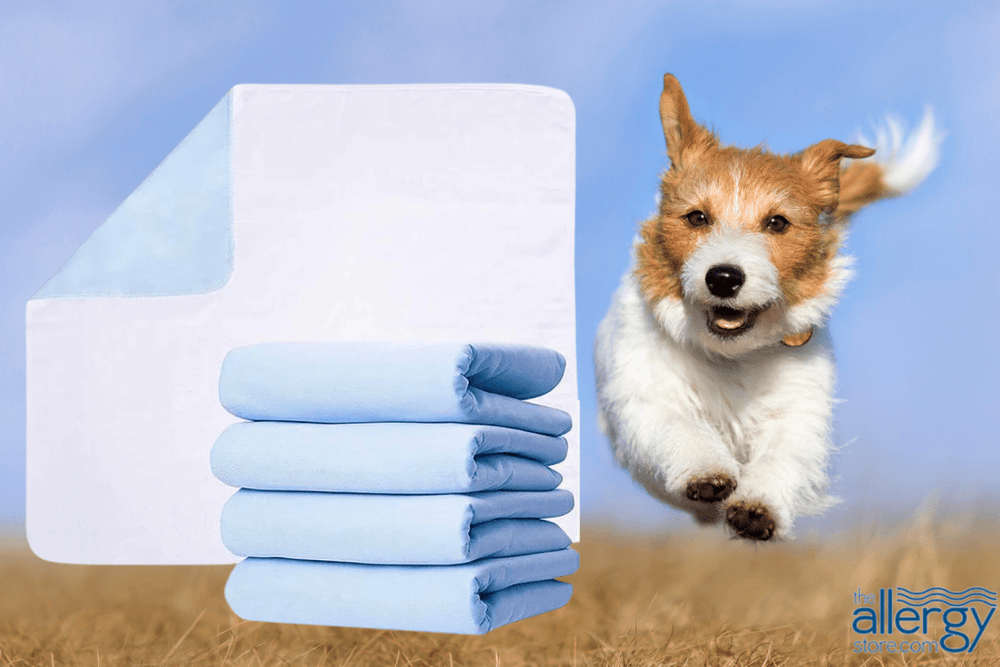
Look for potty pads that are large enough to accommodate your dog’s size. Bigger dogs need bigger pads to avoid messy spills. Absorbency is just as important—pads with multiple layers can hold more liquid and lock in odors better.
Think about your dog’s typical bathroom habits. Do they tend to go a lot at once? Choosing high-absorbency pads can save you frequent changes and keep your home fresh. If you have multiple dogs, consider extra-large or heavy-duty pads for added convenience.
Material And Scent
Potty pads come in various materials, from cloth-like fabrics to plastic-backed sheets. Soft, comfortable materials encourage your dog to use the pad, especially if they have joint issues or sensitive paws. Avoid pads with strong chemical scents—they might repel your dog or cause discomfort.
Some pads include light fragrances to neutralize odors, but subtlety is key. Have you noticed your dog reacting negatively to certain smells before? Choose unscented or mildly scented pads to keep your pet comfortable and willing to use them.
Placement Tips
Place the potty pad in a quiet, accessible spot your dog feels comfortable visiting. Older dogs may have limited mobility, so choose a location close to their resting area. Avoid high-traffic zones to reduce stress and distractions.
Consistency is vital—keep the pad in the same place to help your dog develop a routine. If your dog is hesitant, try using treats or praise near the pad to encourage use. Have you tried moving the pad around and noticed your dog’s preference? Observing their behavior can guide you to the best spot.
Preparing Your Older Dog
Preparing your older dog for potty pad training needs patience and care. Older dogs may have different needs than puppies. Understanding these needs helps create a smooth training process.
Assessing Health And Mobility
Check your dog’s health before starting potty pad training. Older dogs may have joint pain or other issues. These can affect their ability to move to the pad on time. Visit a vet for a full health check. Ask about any mobility problems that might need attention. Adjust training plans based on your dog’s physical condition.
Creating A Comfortable Space
Set up a quiet, cozy area for the potty pads. Choose a spot easy for your dog to reach. Keep the area clean and dry to encourage use. Add soft bedding nearby for comfort. Avoid noisy or high-traffic places. A calm space helps reduce stress and confusion.
Introducing Potty Pads Gradually
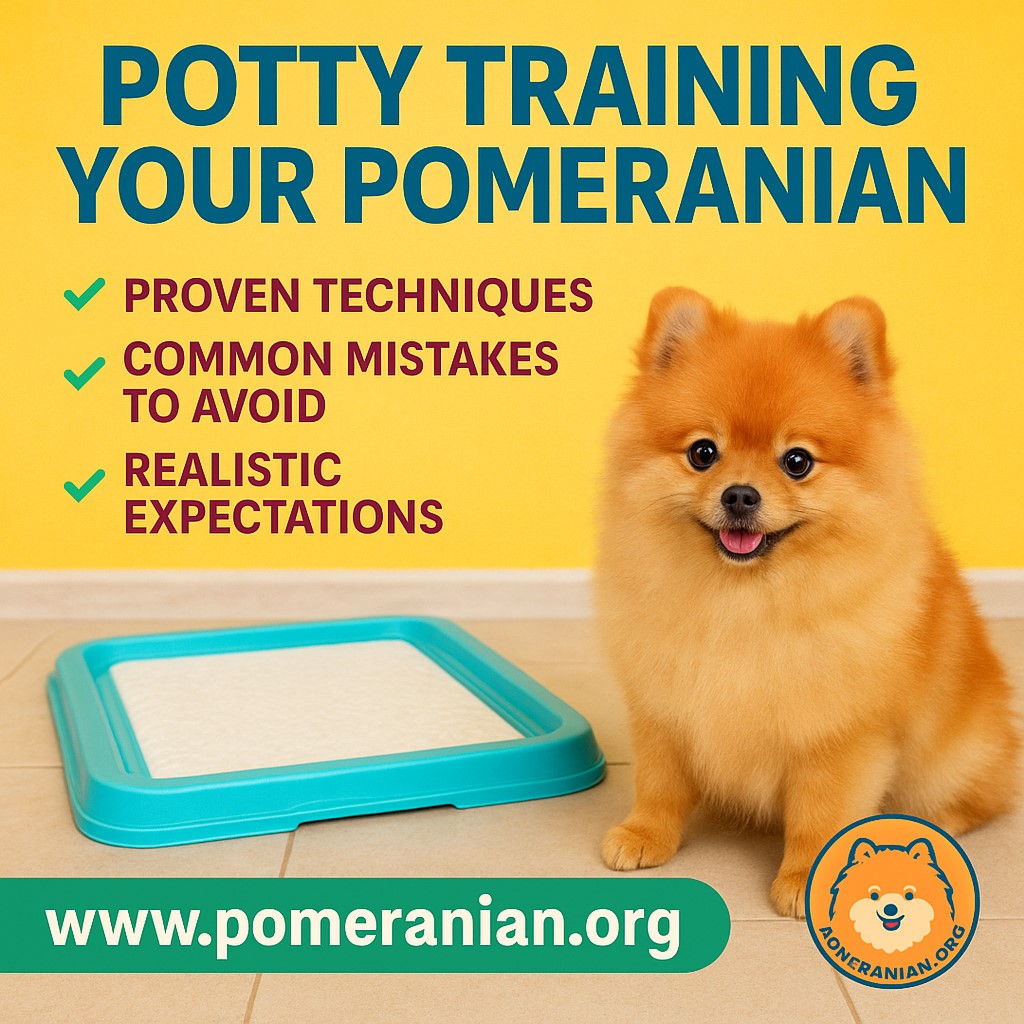
Start by placing the potty pad near your dog’s usual bathroom spot. Let your dog sniff and explore it without pressure. Reward any interest shown in the pad with gentle praise or treats. Slowly move the pad to the final location over several days. Keep training sessions short and positive. Patience helps your dog adjust without fear or frustration.
Training Steps
Training an older dog to use potty pads requires patience and clear steps to build new habits. Older dogs might have established routines, but with consistent guidance, they can learn to use potty pads comfortably. Focus on creating a structured environment that supports your dog’s success.
Establishing A Routine
Dogs thrive on routine, especially older ones who are used to certain schedules. Set specific times during the day for bathroom breaks near the potty pad. This helps your dog understand when and where they should go.
Keep feeding times consistent to predict when your dog will need to relieve themselves. If your dog has accidents, gently guide them to the pad without punishment. The goal is to make potty time predictable and stress-free.
Positive Reinforcement Techniques
Reward your dog immediately after they use the potty pad correctly. Use treats, praise, or a favorite toy to make the experience positive. This encourages your dog to repeat the behavior.
Try using a clicker or a specific word like “good potty” right when your dog finishes. This clear signal helps your dog connect the action with the reward. Avoid scolding; instead, focus on celebrating successes.
Monitoring And Adjusting
Watch your dog closely during the training period to catch signs they need to go. If accidents happen, note the time and situation to adjust the routine accordingly. This helps you find the best schedule that fits your dog’s needs.
Be ready to move the potty pad gradually if needed, or increase potty breaks during stressful times. Training is not one-size-fits-all, so adapt based on your dog’s progress and comfort. Are you noticing patterns that could improve your approach?
Credit: pomeranian.org
Handling Challenges
Training an older dog to use potty pads can be tricky but patience helps. Consistent routines and positive rewards encourage good habits over time. Adjusting to new signals takes effort but builds trust and success.
Training an older dog to use potty pads can present unique challenges. Older dogs might have habits that are hard to change. Understanding these challenges is key to success. With patience and consistency, these hurdles can be overcome. Let’s explore how to handle common challenges.Dealing With Accidents
Accidents will happen. It’s important to stay calm. Clean messes promptly to remove odors. Use enzymatic cleaners to prevent repeat accidents. Reward your dog for using the potty pad correctly. Positive reinforcement encourages better behavior.Addressing Resistance
Some dogs resist change. Introduce the potty pad gradually. Place it near their usual spot. Encourage them to sniff and explore it. Reward any positive interaction with the pad. Be patient and consistent.Managing Incontinence Issues
Incontinence can complicate training. Consult a vet for advice. They might suggest medical solutions. Use more absorbent pads if needed. Ensure pads are easily accessible. Create a stress-free environment for your dog.Maintaining Success
Maintaining success in training an older dog to use potty pads requires ongoing care and attention. Consistency and cleanliness play a vital role in helping your dog stay comfortable and confident. Small efforts every day can keep your dog on track and prevent accidents.
Regular Cleaning And Replacement
Change potty pads often to avoid bad smells and mess. Dogs prefer clean spots to do their business. Remove used pads quickly and replace them with fresh ones. Clean the area around pads to keep it hygienic. This helps your dog feel safe and encourages good habits.
Transitioning Outdoors If Needed
Some owners may want to move their dog from pads to outside. Start by placing pads near the door. Gradually move them closer to the outdoors. Reward your dog for going outside to potty. Patience is key during this transition. It takes time for older dogs to learn new routines.
Keeping Consistency Over Time
Stick to a regular schedule for potty breaks. Use the same command and reward system every time. Avoid sudden changes in routine or pad placement. Older dogs thrive on predictable patterns. Consistency helps prevent confusion and accidents.
Credit: www.chewy.com
Frequently Asked Questions
How Long Does It Take To Potty Train An Older Dog?
Potty training an older dog usually takes 2 to 4 weeks. Consistency and patience speed up the process. Use positive reinforcement and maintain a regular schedule to help your dog adjust quickly.
Can Older Dogs Learn To Use Potty Pads Effectively?
Yes, older dogs can learn to use potty pads. Training requires patience, clear signals, and consistent praise. Make the pads easily accessible and clean accidents promptly to encourage proper use.
What Are The Best Potty Pads For Older Dogs?
Look for absorbent, leak-proof, and odor-controlling potty pads. Larger sizes and non-slip bottoms are ideal for older dogs. Choose eco-friendly options to reduce waste and keep your home fresh.
How To Handle Accidents During Potty Pad Training?
Stay calm and avoid punishment after accidents. Clean the area thoroughly with enzymatic cleaners to remove odors. Reinforce positive behavior when your dog uses the pad correctly to encourage progress.
Conclusion
Training an older dog to use potty pads takes time and patience. Consistent routines help your dog learn faster. Praise and rewards encourage good behavior. Expect some mistakes; they are part of learning. Stay calm and keep trying every day.
Soon, your dog will feel comfortable with potty pads. This method keeps your home clean and your dog happy. Remember, small steps lead to big progress. Keep faith in your dog’s ability to adapt. Your efforts will make life easier for both of you.