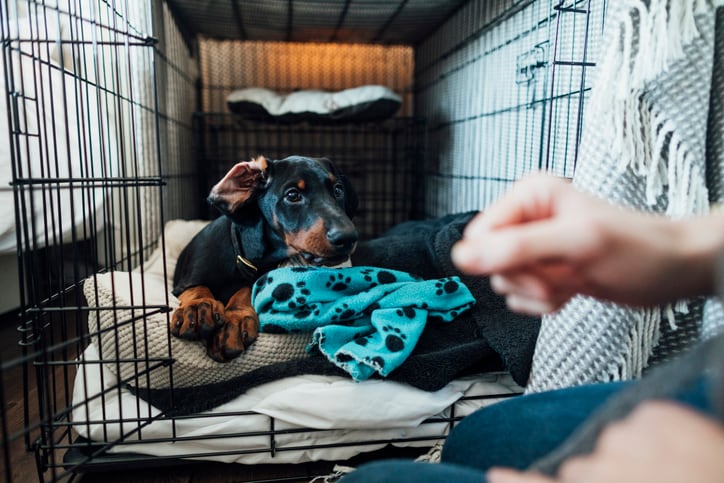

If you want your dog to feel safe and comfortable while sleeping, training them to sleep in a crate is a smart move. You might wonder how to make this process smooth and stress-free for both you and your furry friend.
The good news is, with the right steps, you can help your dog see the crate as a cozy, welcoming space. Keep reading, and you’ll discover simple, effective tips that will make crate training easy and even enjoyable for your dog.
By the end, you’ll know exactly how to create a peaceful bedtime routine that benefits you and your pet.
Benefits Of Crate Training
Crate training offers several advantages that make it a valuable tool for any dog owner. It creates a safe space for your dog, helps with housebreaking, and makes traveling less stressful. Understanding these benefits can motivate you to stick with the training process, even when it feels challenging.
Safety And Comfort
A crate becomes your dog’s personal den, providing a secure and cozy spot where they can relax without distractions. It keeps your dog safe from household hazards when you can’t supervise directly. Imagine coming home after a long day to find your dog calmly resting in their crate—it’s a sign they feel secure and comfortable.
Housebreaking Aid
Using a crate can speed up housebreaking by teaching your dog to control their bladder and bowels. Dogs naturally avoid soiling their sleeping area, which encourages them to hold it until they’re let out. Have you noticed how puppies tend to whine or scratch near their crate door when they need a bathroom break? That’s their way of communicating.
Travel Convenience
Traveling with your dog becomes easier when they’re crate trained. A familiar crate reduces anxiety during car rides or stays in new places. Plus, many airlines require pets to be in crates during flights, so having your dog comfortable with their crate is a big advantage.
Choosing The Right Crate
Choosing the right crate is key to helping your dog feel safe and comfortable. The crate should fit your dog’s size and meet your needs. It must be a place your dog likes to rest and sleep. This section guides you through the important points to select the perfect crate.
Size And Material
Pick a crate that fits your dog well. It should be large enough for your dog to stand, turn around, and lie down comfortably. Too big a crate may make your dog feel unsafe. Too small can cause discomfort and stress.
Crates come in various materials like wire, plastic, and fabric. Wire crates offer good ventilation and visibility. Plastic crates provide a cozy, den-like space. Fabric crates are lightweight and portable but less durable. Choose a material based on your dog’s habits and your lifestyle.
Location Tips
Place the crate in a quiet area with little noise and foot traffic. Avoid direct sunlight or drafty spots. The crate should be near family spaces to help your dog feel included. This encourages your dog to use the crate willingly.
Keep the crate away from distractions like televisions or busy rooms. A calm environment helps your dog relax and sleep better. Make the crate inviting with soft bedding and familiar toys. This creates a positive association with the crate.
Preparing The Crate
Choose a quiet spot for the crate, away from noise and distractions. Place soft bedding inside to make it cozy and inviting for your dog.
Preparing the Crate Creating a cozy and inviting environment for your dog is crucial when training them to sleep in a crate. The crate should be a place where your dog feels safe and comfortable, not confined or punished. With thoughtful preparation, you can transform a simple crate into a peaceful retreat for your furry friend.Adding Bedding
The right bedding can make a world of difference in your dog’s crate experience. Choose a soft and washable cushion or blanket that fits snugly inside the crate. This provides comfort and warmth, making the crate more appealing. Consider your dog’s preferences and any allergies they might have. Some dogs love a plush, cushy surface, while others might prefer a firmer bed. You might even notice your dog bringing their favorite toy into the crate—this is a good sign!Creating A Positive Space
Transform the crate into a positive space by associating it with good experiences. Start by placing treats or chew toys inside, encouraging your dog to explore without pressure. Praise and reward them for entering the crate voluntarily. The crate should never be used for punishment. Instead, it should be a place where your dog can relax and unwind. Think about the location too—placing the crate in a quiet corner can help reduce anxiety and create a sense of calm. Have you ever noticed how your dog gravitates towards certain spots in your home? Take note of these preferences when positioning the crate. This small consideration can make a big difference in how quickly your dog adjusts to their new sleeping space.Introducing Your Dog To The Crate
Introducing your dog to the crate is a crucial step in creating a safe and comfortable space for them. The goal is to make the crate feel inviting, not like a punishment. How can you turn this new environment into a place your dog actually wants to be?
Encouraging Exploration
Let your dog discover the crate at their own pace. Keep the door open and place it in a busy area of your home where they can see family activities. This helps your dog associate the crate with positive experiences rather than isolation.
Some dogs might hesitate at first. Don’t rush or force them inside. Instead, sit nearby and offer gentle encouragement. Your calm presence can reduce any anxiety they feel about entering the crate.
Using Treats And Toys
Use treats and toys to create a positive connection with the crate. Toss a few tasty snacks inside to encourage your dog to go in and explore. This turns the crate into a treasure chest full of rewards.
Interactive toys or chew bones can also keep your dog busy while inside the crate. This not only makes the crate enjoyable but also helps your dog relax and stay occupied. What favorite treat or toy could you use to make the crate a happy place for your dog?
Establishing A Crate Routine
Establishing a crate routine helps your dog feel safe and comfortable. Dogs thrive on routine, so a set schedule makes crate training easier. Consistency builds trust and reduces anxiety around the crate. A clear routine signals to your dog when it is time to rest and sleep.
Setting Consistent Bedtimes
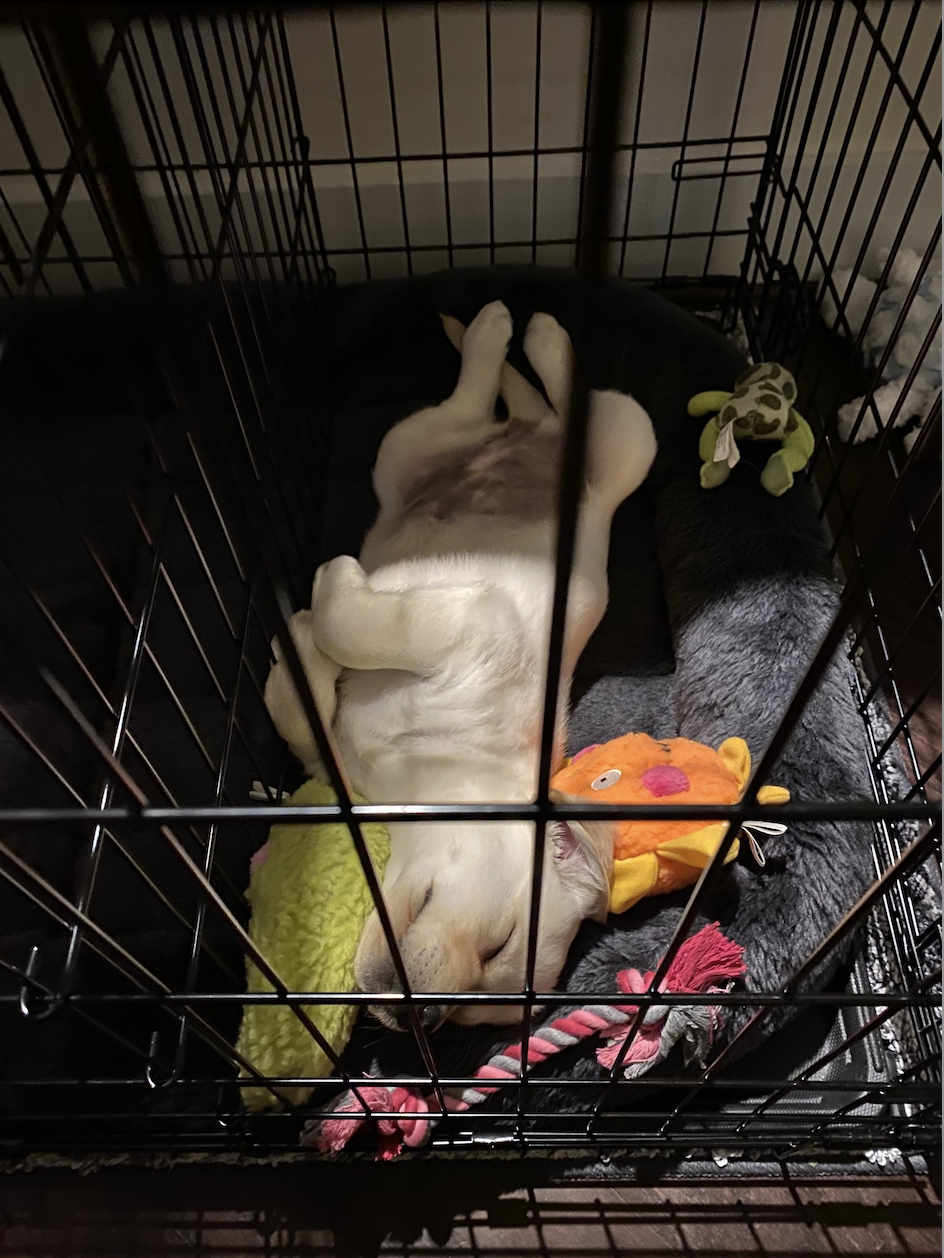
Choose a bedtime that fits your daily schedule. Keep the time the same every night to build habit. Your dog will learn to expect crate time at this hour. Prepare the crate with a soft bed or blanket for comfort. Avoid distractions before bedtime to help your dog settle quickly.
Gradual Time Increases
Start with short crate sessions during the day. Let your dog get used to the crate in small steps. Slowly increase the time your dog spends inside the crate. This helps your dog feel safe and not trapped. End each session with praise or treats to encourage positive feelings.
Credit: emlabradors.com
Handling Common Challenges
Training a dog to sleep in a crate comes with challenges. Many dogs feel unsure or scared at first. Handling these common problems helps your dog feel safe and calm. Patience and gentle guidance make a big difference. Consistent efforts build trust and comfort in the crate.
Dealing With Whining
Whining is a common issue during crate training. Dogs use whining to express discomfort or ask for attention. Avoid giving in immediately to whining. Responding too soon teaches your dog to whine for release.
- Check for real needs like bathroom breaks.
- Ignore whining that seeks attention.
- Reward quiet behavior with calm praise or treats.
- Use a comfortable crate with soft bedding.
Over time, your dog will learn that quiet moments bring rewards. Patience and consistency reduce whining quickly.
Managing Anxiety
Some dogs feel anxious inside the crate. Signs include pacing, barking, or scratching. To reduce anxiety:
- Make the crate cozy with familiar toys and blankets.
- Practice short crate sessions during the day.
- Stay nearby but avoid constant attention.
- Use calm, soothing tones when near the crate.
- Try feeding meals inside the crate to create positive feelings.
Slowly increase crate time as your dog relaxes. Avoid forcing your dog inside the crate. Building trust takes time and care.
Making Crate Time Enjoyable
Making crate time enjoyable helps your dog see the crate as a safe and fun space. Creating positive feelings about the crate encourages your dog to relax inside it. This builds trust and makes crate training easier and faster.
Interactive Toys
Interactive toys keep your dog busy and happy during crate time. Toys like treat puzzles or chew toys provide mental stimulation. These toys distract your dog from feeling lonely or bored. Rotate toys often to maintain your dog’s interest. Choose safe toys suitable for your dog’s size and chewing habits.
Calming Techniques
Calming techniques help your dog feel comfortable and secure in the crate. Soft blankets or your dog’s favorite bed create a cozy environment. Playing gentle music or white noise can soothe anxiety. Use a calm voice when talking to your dog near the crate. A calm atmosphere helps your dog rest and sleep better inside the crate.

Credit: www.youtube.com
When To Seek Professional Help
Training a dog to sleep in a crate can be a smooth process for many pet owners. Still, some dogs face challenges that require extra help. Knowing when to seek professional guidance can save stress and improve your dog’s comfort and safety. Pay attention to signs that suggest your dog struggles despite your efforts. Professional trainers offer skills and tools that make crate training easier and more effective.
Recognizing Persistent Issues
Watch for signs like constant barking or whining in the crate. If your dog shows fear or aggression toward the crate, this is a concern. Avoidance behavior, like refusing to enter the crate, may also indicate a problem. Consistent accidents inside the crate after training efforts need attention. These issues suggest your dog needs more than basic crate training. Ignoring these signs can increase stress for both you and your pet.
Finding A Trainer
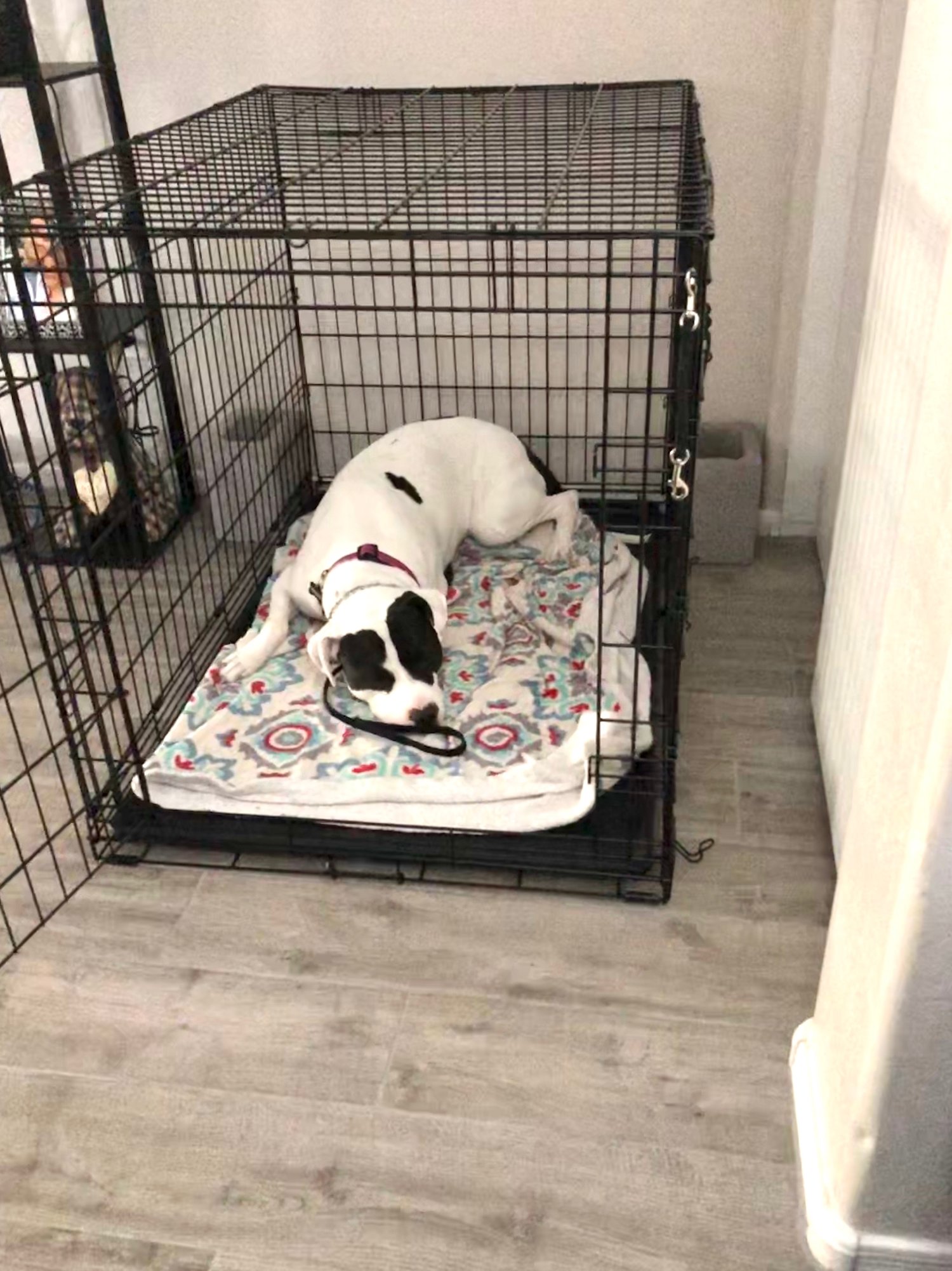
Look for a certified dog trainer with experience in crate training. Choose someone who uses positive reinforcement methods. Ask about their approach to handling anxiety and fear in dogs. A good trainer will assess your dog’s behavior carefully. They will customize training plans to fit your dog’s needs. Ensure the trainer communicates clearly and supports you throughout the process. Professional help can make crate training less frustrating and more successful.
Credit: www.sadiesrulesk9training.com
Frequently Asked Questions
How Long Does It Take To Crate Train A Dog?
Crate training duration varies by dog, but typically takes 1-2 weeks. Consistency and positive reinforcement speed up progress. Patience is key to helping your dog adjust comfortably.
What Size Crate Is Best For My Dog?
Choose a crate that fits your dog comfortably, allowing them to stand, turn, and lie down. Avoid crates that are too large to encourage proper denning behavior and effective training.
How Can I Make The Crate Comfortable For My Dog?
Add soft bedding, favorite toys, and keep the crate clean. Place it in a quiet, familiar spot. This creates a positive, cozy space that encourages your dog to rest peacefully.
Is Crate Training Safe For Puppies Overnight?
Yes, crate training is safe overnight for puppies when done properly. Ensure the crate is comfortable and don’t leave them too long to avoid distress and accidents.
Conclusion
Training your dog to sleep in a crate takes time and patience. Keep the crate comfortable and safe for your pet. Use positive rewards to help your dog enjoy the space. Stay calm and consistent every night. Soon, your dog will see the crate as a cozy, secure place.
This method helps both you and your dog rest better. Trust the process and celebrate small progress. Your dog will thank you with peaceful nights and happy days.