
Choosing the right food for your dog isn’t always easy. You might be wondering, “Should my dog eat adult or senior food?” This choice can affect your dog’s energy, health, and happiness every day.
What if you’re giving them the wrong type of food without even realizing it? Keep reading to discover how to make the best decision for your furry friend’s unique needs and keep them feeling their best.
Dog Age And Nutritional Needs
Dogs need different nutrients at different ages. Their bodies change as they grow older. Feeding the right food helps keep them healthy and happy. Choosing between adult or senior dog food depends on their age and health needs.
Life Stages And Diet
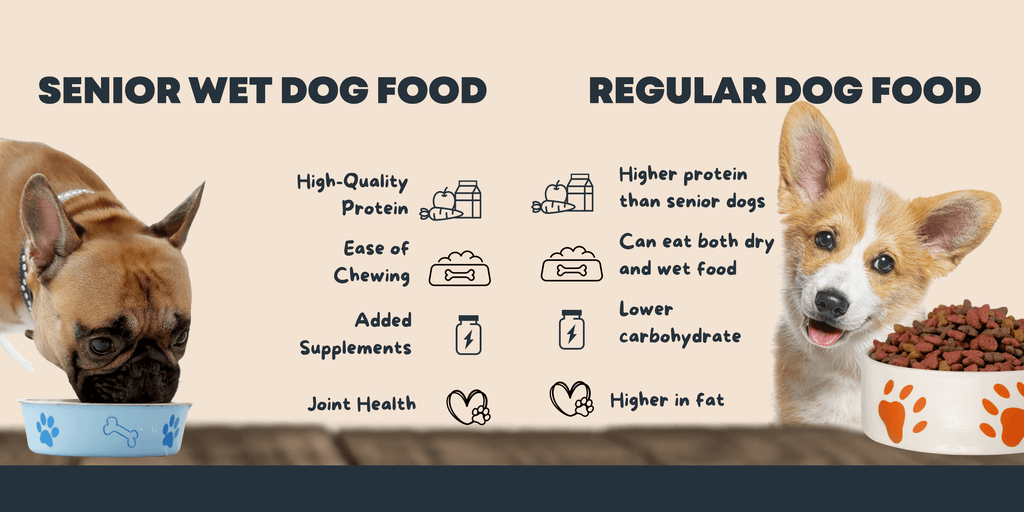
Dogs go through clear life stages: puppy, adult, and senior. Each stage needs special nutrition. Adult dogs require balanced energy and protein to maintain muscles. Senior dogs often need fewer calories to avoid weight gain. Their food may include extra nutrients to support aging joints and organs.
Changes In Metabolism
As dogs age, their metabolism slows down. This means they burn fewer calories. Older dogs might become less active and gain weight easily. Senior dog food is usually lower in fat and calories. It helps prevent obesity and keeps their weight steady.
Common Health Concerns
Older dogs face health problems like arthritis and kidney issues. Senior dog food often has added supplements like glucosamine for joints. It also contains antioxidants to support the immune system. Choosing food that meets these needs can improve quality of life.
Credit: www.diamondpet.com
Differences Between Adult And Senior Dog Food
Adult and senior dog foods differ in important ways. These differences help meet the changing needs of your pet as it ages. Choosing the right food supports health and vitality through each stage of life.
Senior dogs often need adjustments in diet to support aging bodies. Adult dog food suits dogs in their prime, with energy and nutrient levels tailored for maintenance. Understanding these differences helps you make a better choice for your dog.
Calorie Content
Senior dog food usually has fewer calories. Older dogs tend to be less active and burn less energy. Lower calories help prevent weight gain and related health problems.
Adult dog food contains more calories to fuel higher energy levels. This supports active dogs that require more energy for play and exercise.
Protein And Fat Levels
Protein in senior dog food supports muscle maintenance without overloading the kidneys. Fat content is often reduced to avoid excess weight.
Adult dog food has higher protein and fat to sustain muscle mass and energy. This helps active dogs stay strong and fit.
Added Supplements
Senior dog food includes supplements like glucosamine and chondroitin. These support joint health and reduce arthritis symptoms.
Adult dog food may have fewer supplements focused on aging. It often contains vitamins and minerals for overall health and immune support.
Signs Your Dog May Need Senior Food
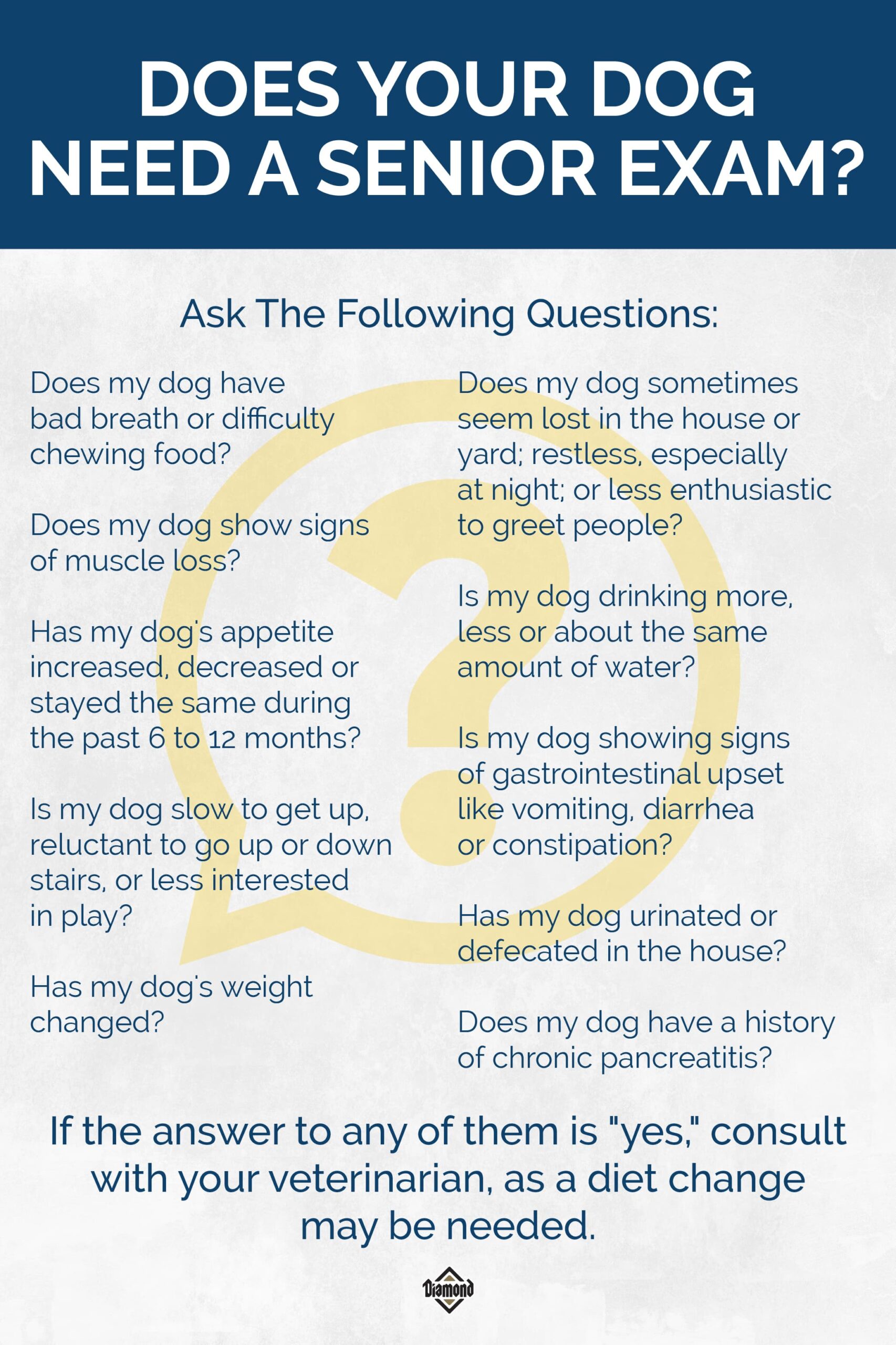
Older dogs often show less energy and slower movement, signaling a need for senior food. Changes in weight or coat quality also suggest switching from adult to senior dog food.
As your dog ages, their nutritional needs change. Recognizing when your furry friend might benefit from senior dog food is crucial for their health and well-being. But how can you tell when it’s time to make the switch? Pay attention to these signs that may indicate your dog needs senior food.Decreased Activity
If your once energetic pup now prefers long naps over playtime, this could be a sign they need senior food. As dogs age, they naturally become less active. Senior dog food often contains fewer calories to match this decreased activity level, helping to prevent unwanted weight gain.Weight Changes
Have you noticed sudden weight gain or loss in your dog? This could indicate that their current diet isn’t meeting their nutritional needs. Senior dog food is formulated to help maintain a healthy weight, whether your dog needs to shed a few pounds or gain some.Joint Health Issues
Joint pain is common in older dogs, and it can affect their mobility. If your dog is having difficulty getting up or seems stiff, it might be time to switch to senior food. Many senior dog foods contain ingredients like glucosamine and chondroitin, which support joint health and can alleviate discomfort. Paying attention to these signs can make a significant difference in your dog’s quality of life. Is your loyal companion showing any of these signs? Consider discussing dietary changes with your veterinarian to ensure your dog gets the nutrition they need.Benefits Of Switching To Senior Food
Switching your dog to senior food can make a noticeable difference in their overall well-being. Senior dog foods are specially designed to meet the changing needs of aging pets. They offer key benefits that support your dog’s health in practical ways you can see and feel.
Improved Digestion
Senior dog food often contains higher fiber content and easily digestible ingredients. This helps reduce common digestive issues like constipation or upset stomach in older dogs. If your dog seems uncomfortable after meals or has irregular bowel movements, switching to senior food might ease these problems.
I noticed my older dog became more energetic and less bloated after the switch. It’s worth asking yourself: Is your dog struggling with digestion or less interested in food? Senior formulas can make meals gentler and more appealing for sensitive stomachs.
Enhanced Mobility
Joint health is a major concern for aging dogs. Senior foods usually include supplements like glucosamine and chondroitin to support cartilage and reduce inflammation. These nutrients can help your dog stay active and comfortable longer.
When my dog started senior food with these supplements, I saw him move with less stiffness during walks. If you notice your dog slowing down or hesitating to jump, providing proper nutrition might improve their mobility and quality of life.
Support For Cognitive Health
Brain function can decline as dogs age, affecting memory and alertness. Many senior diets add antioxidants, omega-3 fatty acids, and vitamins that support cognitive health. These ingredients help protect brain cells and may slow cognitive decline.
Have you seen your dog seem less responsive or confused in familiar situations? Senior food can give your dog’s brain the nutrients it needs to stay sharp. It’s a simple change that might keep your companion mentally engaged for years to come.
When To Keep Feeding Adult Dog Food
Deciding when to keep feeding your dog adult food instead of switching to senior food depends on several key factors. Not every dog needs to transition to senior formulas as soon as they hit a certain age. Observing your dog’s health, activity level, and weight can help you make the best choice.
Healthy Senior Dogs
Some dogs remain active and healthy well into their senior years. If your dog shows no signs of joint pain, cognitive decline, or reduced energy, continuing with adult dog food might be the right call. You want to support their vitality, and sometimes adult formulas provide the balanced nutrition they need without unnecessary changes.
Think about your dog’s behavior: Are they still eager for walks? Do they play like they used to? If yes, their current diet may be sufficient.
Maintaining Ideal Weight
Weight management plays a crucial role in deciding when to switch foods. Adult dog food often has higher calorie content, which can be good for dogs that maintain a healthy weight without gaining extra pounds. Overfeeding senior dogs with high-calorie adult food could lead to weight gain and strain on their joints.
- If your dog is lean and active, adult food can help maintain their muscle mass.
- If your dog is starting to slow down but not gaining weight, adult food might still be appropriate.
Have you noticed any changes in your dog’s weight over the last few months? This can guide your decision more than age alone.
Veterinarian Recommendations
Your vet’s advice is key in determining the right food for your dog’s stage of life. They can assess your dog’s health through exams and tests, offering personalized guidance. Sometimes, even older dogs benefit from adult food, especially if they have specific health conditions or maintain good physical condition.
Don’t hesitate to ask your vet about the best diet plan tailored for your dog. Their insights can save you from unnecessary diet changes and keep your dog feeling great.
Credit: dogsauce.co
Tips For Transitioning Dog Food
Switching your dog’s food can feel tricky, especially when deciding between adult and senior formulas. The key is making the change smooth and stress-free for your furry friend. A careful transition helps avoid tummy troubles and ensures your dog enjoys their new diet fully.
Gradual Introduction
Start by mixing a small amount of the new food with your dog’s current meal. Increase the new food portion slowly over 7 to 10 days. This gives your dog’s digestive system time to adjust without shock.
For example, try a 75% old food to 25% new food ratio on the first day. By the end of the transition, your dog should be eating 100% of the new food. This step-by-step approach reduces the chance of upset stomach or refusal to eat.
Monitoring Reactions
Watch your dog closely for any signs of discomfort during the switch. Look for changes in appetite, stool consistency, energy levels, or vomiting. These clues tell you if the new food agrees with your dog or if you need to slow down.
Keep a simple journal noting what you see daily. This helps you spot patterns and decide whether to continue, pause, or consult your vet. Have you noticed your dog’s mood or behavior change during food switches before?
Adjusting Portions
Adjust the amount of food based on your dog’s weight, activity, and age. Senior dogs often need fewer calories, but some active seniors may require more protein. Follow the feeding guidelines on the package, but observe your dog’s body condition too.
If your dog gains weight, reduce portions slightly. If they lose weight or seem hungry, consider adding a bit more. How often do you check your dog’s weight and adjust their food accordingly?
Consulting Your Veterinarian
Choosing between adult or senior dog food can be tricky. Your dog’s needs change with age. A veterinarian knows your dog’s health history and can guide the best diet choice. Consulting your vet ensures your dog gets the right nutrients.
Personalized Nutrition Plans
Every dog is unique. Vets create nutrition plans based on breed, size, and activity level. They adjust food types for your dog’s age and health. Personalized plans help keep your dog healthy and active longer.
Regular Health Checkups
Regular vet visits track your dog’s health changes. These checkups reveal if your dog needs a diet change. Vets monitor weight, energy, and organ function. This helps catch problems early and update food choices.
Addressing Specific Conditions
Some dogs have health issues like arthritis or kidney problems. Vets recommend foods that support these conditions. Special diets can reduce symptoms and improve quality of life. Feeding the right food helps manage your dog’s health better.

Credit: www.businessinsider.com
Frequently Asked Questions
When Should I Switch My Dog To Senior Food?
Switch your dog to senior food around 7 years old. Senior diets support joint health and lower calorie needs. Consult your vet for the best timing based on your dog’s breed and health.
Can Adult Dog Food Meet Senior Dog Needs?
Adult dog food may lack senior-specific nutrients. Senior dogs need extra joint support and fewer calories. Specialized senior food helps maintain optimal health and weight in aging dogs.
What Are Key Differences In Senior Dog Food?
Senior dog food has lower calories and added joint supplements. It often includes antioxidants for immune support. These differences help aging dogs stay healthy and active longer.
Is It Okay To Mix Adult And Senior Dog Food?
Mixing adult and senior food is possible but not ideal. It may dilute the benefits of senior-specific nutrients. Consult your vet to create the best feeding plan for your dog.
Conclusion
Choosing the right food helps your dog stay healthy and happy. Adult dog food suits most dogs under seven years old. Senior food supports older dogs with gentle digestion and joint care. Watch your dog’s energy and weight to decide.
Talk to your vet about the best choice. Every dog is different. Good nutrition means a longer, better life for your furry friend. Keep your dog’s needs in mind and feed with care. Simple steps can make a big difference.