
You want the best for your furry friend, and feeding them the right food at the right time is a big part of that. But when exactly should you switch from puppy food to adult dog food?
It’s a question every dog owner faces, and getting it right can impact your dog’s health, energy, and happiness. If you’re unsure about the perfect moment to make this change, keep reading. This guide will help you understand the signs and timing, so you can make the best choice for your dog’s well-being.

Credit: jiminys.com
Signs Your Puppy Is Ready
Recognizing when your puppy is ready to switch to adult dog food is key to supporting their health and growth. It’s not just about their age but also about their development and behavior. Paying attention to clear signs can help you make the right choice at the right time.
Age Milestones
Most puppies start transitioning to adult dog food between 9 to 12 months old. Large breeds might need a bit more time, sometimes up to 18 months, because they mature slower. Have you noticed your puppy reaching that one-year mark? That’s often a solid indicator they might be ready for adult food.
Weight And Size Considerations
Your puppy’s current weight and size play a big role in deciding when to switch foods. If your pup has reached about 80% of their expected adult weight, it’s usually time to consider adult food. For instance, a medium-sized dog hitting 30 pounds out of an expected 35 is likely ready.
Behavioral Changes
Watch for shifts in your puppy’s behavior that suggest they’re growing up. A decrease in constant nibbling or less interest in high-calorie puppy meals can be signs. Has your puppy started showing more controlled eating habits or less hyperactivity after meals? These are clues that their nutritional needs are evolving.
Credit: www.webbox.co.uk
Differences Between Puppy And Adult Food
Puppy food and adult dog food serve different purposes. Puppies need food that supports rapid growth. Adult dogs require a diet that maintains health and energy. Understanding these differences helps choose the right food at the right time.
Nutritional Needs
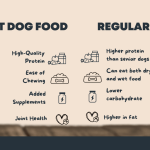
Puppies need higher calories to fuel their growth. They require more protein to build strong muscles. Puppies also need extra calcium and phosphorus for bones. Adult dogs need fewer calories to avoid weight gain. Their diet focuses on balanced nutrients for maintenance.
Ingredient Variations
Puppy food often contains ingredients that promote brain development. DHA, a type of fat, is common in puppy formulas. These foods include higher-quality protein sources. Adult dog food has ingredients that support joint health. It may include supplements like glucosamine and antioxidants.
Portion Sizes
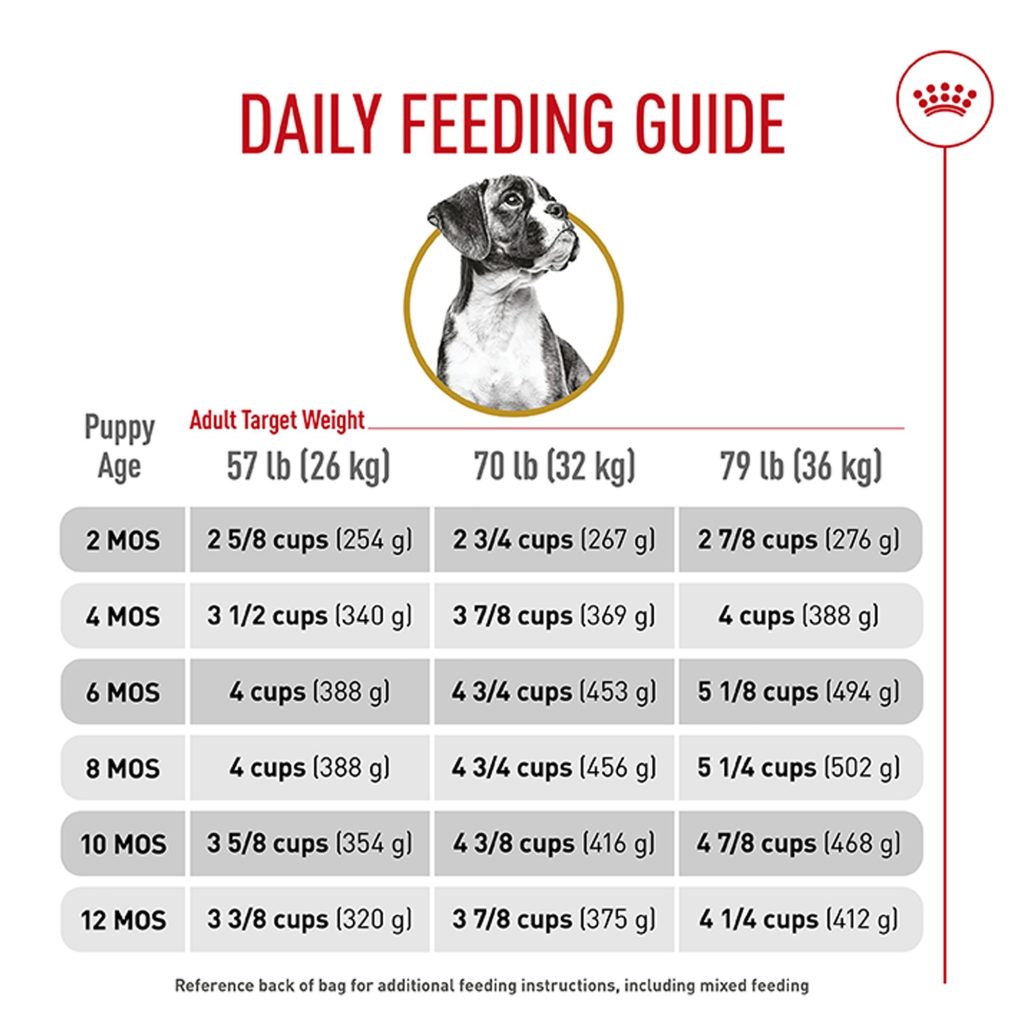
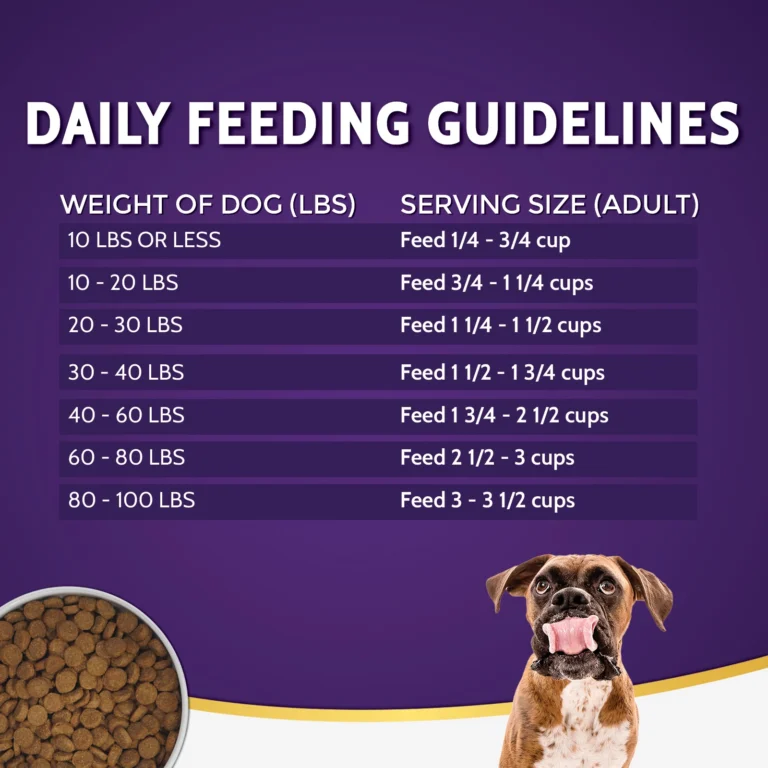
Puppies eat smaller, more frequent meals due to fast metabolism. Their portions increase quickly as they grow. Adult dogs usually eat one or two meals daily. Portion size depends on the dog’s weight and activity level. Overfeeding can cause obesity and health issues.
Transitioning To Adult Food
Transitioning your dog to adult food is an important milestone. As dogs grow, their nutritional needs change. Adult dog food provides the right balance of nutrients for mature dogs. Transitioning should be smooth to avoid upsetting your dog’s stomach.
Gradual Food Mixing
Introduce adult food slowly to prevent digestive issues. Start by mixing a small amount of adult food with your dog’s current food. Gradually increase the proportion of adult food over a week. This approach helps your dog’s stomach adjust. Your dog will begin to accept the new taste and texture.
Monitoring Digestive Health
Watch your dog’s digestion during the transition. Look for signs of stomach upset like diarrhea or vomiting. If these occur, slow down the transition process. Adjust the mix of old and new food accordingly. Keep an eye on your dog’s stool consistency for any changes. Healthy digestion indicates the transition is going well.
Adjusting Meal Frequency
As your dog matures, meal frequency might need adjustment. Adult dogs usually eat less often than puppies. Consider feeding two meals a day instead of three. This new schedule can help with weight control. It also aligns with adult energy needs. Adjust meal sizes to maintain a healthy weight.
Breed And Size Factors
Breed and size play a key role in deciding when to switch your dog to adult food. Dogs grow at different rates, depending on their breed and size. Feeding adult food too early or too late can affect their health and growth. Understanding these differences helps you provide the right nutrition at the right time.
Small Breeds
Small breed dogs grow faster than larger breeds. Most small dogs reach adulthood by 9 to 12 months old. At this stage, they need adult dog food to support their energy and metabolism. Switching too late may cause weight gain or nutrient imbalance.
Medium Breeds
Medium breeds take a bit longer to mature. They usually grow until 12 to 15 months of age. Gradually introduce adult food as they near their first year. This helps maintain healthy growth and muscle development without overfeeding.
Large And Giant Breeds
Large and giant breeds grow slower and longer. Their growth phase can last 18 to 24 months. Feeding adult food too early can stress their bones and joints. Use puppy food rich in calcium and protein until they are fully grown, then switch carefully to adult food.
Consulting Your Veterinarian
Consulting your veterinarian is a crucial step before switching your dog to adult food. They have the expertise to assess your dog’s health and growth, ensuring the timing is right. Getting professional advice helps avoid common feeding mistakes that could affect your dog’s well-being.
Health Assessments
Your vet will evaluate your dog’s overall health, weight, and activity level. This checkup helps determine if your dog is ready for adult food or needs more time on puppy formulas. They may also test for any underlying conditions that could impact nutrition needs.
Have you noticed any changes in your dog’s energy or appetite? Sharing these details with your vet can guide their recommendations precisely.
Customized Feeding Plans
Every dog is unique, and your vet can create a feeding plan tailored to your dog’s breed, size, and lifestyle. This plan includes the right portion sizes and the best type of adult food for your dog’s specific needs. Following a customized plan prevents overfeeding or nutritional gaps.
It’s easy to think one-size-fits-all diets work, but your vet’s guidance can save you from costly trial and error.
Addressing Special Needs
If your dog has allergies, digestive issues, or other health concerns, your vet can recommend special diets or supplements. Transitioning to adult food might require gradual changes or specific formulas to avoid upsetting your dog’s system. Your vet’s advice ensures your dog stays comfortable and healthy during the switch.
Do you know your dog’s dietary restrictions? Bringing this up with your vet can make a big difference in their feeding success.
Common Mistakes To Avoid
Feeding your dog adult food at the right time is important for their health. Many dog owners make mistakes that affect their pet’s digestion and growth. Avoiding common errors helps your dog adjust smoothly to new food. Pay close attention to your dog’s needs during this change.
Switching Too Early Or Late
Changing to adult dog food too early can cause nutrient gaps. Puppies need special food for growth and development. Switching too late may lead to obesity or poor digestion. Watch your dog’s size and behavior to know the right time. Usually, switching happens between 12 and 18 months, depending on breed.
Ignoring Food Allergies
Some dogs develop allergies when their food changes. Symptoms include itching, upset stomach, or skin problems. Do not ignore these signs during food transition. Choose adult food with simple ingredients if allergies appear. Consult a vet for allergy testing and advice.
Overfeeding During Transition
Overfeeding can cause weight gain and stomach upset. Dogs may eat more when food tastes new or different. Follow feeding guidelines on the dog food package carefully. Feed small portions and increase gradually over 7 to 10 days. Monitor your dog’s weight and energy level during this time.
Credit: zignature.com
Frequently Asked Questions
When Should I Switch My Puppy To Adult Dog Food?
Switch to adult dog food when your puppy reaches 12 months. Medium and large breeds may require switching later, around 18-24 months. This timing supports proper growth and nutrition for adult dogs.
What Are Signs My Dog Needs Adult Food?
Signs include slower growth, stable weight, and reduced energy. Puppies become less active and their nutritional needs shift. These cues indicate it’s time for adult dog food for balanced health.
Can I Feed Adult Dog Food To Puppies?
Feeding adult dog food to puppies is not recommended. Puppies need more calories, protein, and nutrients for growth. Adult food lacks sufficient nutrients for healthy puppy development.
How Do I Transition To Adult Dog Food?
Transition gradually over 7-10 days by mixing adult food with puppy food. Increase adult food daily while decreasing puppy food. This prevents digestive upset and helps your dog adjust smoothly.
Conclusion
Feeding your dog adult food starts at the right age and stage. Watch for signs like size and energy changes. Puppies grow fast but need adult food when growth slows. Choose food that matches your dog’s breed and health needs.
Switching food gradually helps avoid stomach problems. Always keep fresh water nearby. Feeding the right food keeps your dog strong and happy. Remember, every dog is different. Consult your vet if unsure. Healthy eating means a healthy, joyful dog for years.
Simple steps make a big difference.