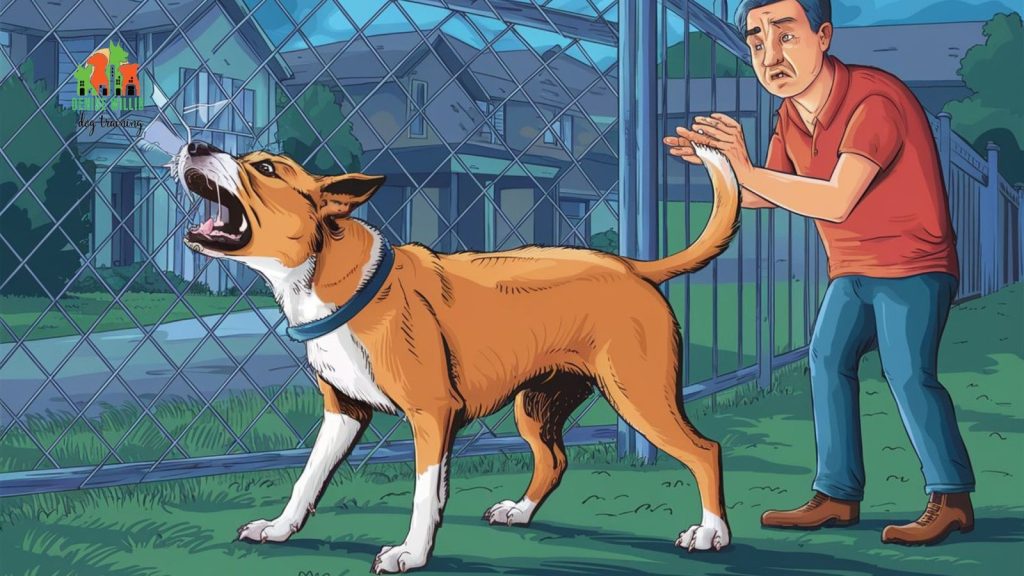

Do you have a dog that’s quick to guard its space or react to strangers? Training a territorial dog can feel challenging, but it doesn’t have to be overwhelming.
When you understand how to guide your dog’s natural instincts, you can turn their protectiveness into calm confidence. You’ll discover simple, effective steps to help your dog feel secure without becoming aggressive. Keep reading, and you’ll learn how to build trust and control, making your home a peaceful place for both you and your furry friend.
Recognize Territorial Behavior
Recognizing territorial behavior in dogs is key to effective training. Dogs naturally protect their space. They may guard their home, toys, or even their owners. Spotting these behaviors early helps manage and guide them properly. Understanding what drives these reactions makes training simpler and safer.
Common Signs Of Territoriality
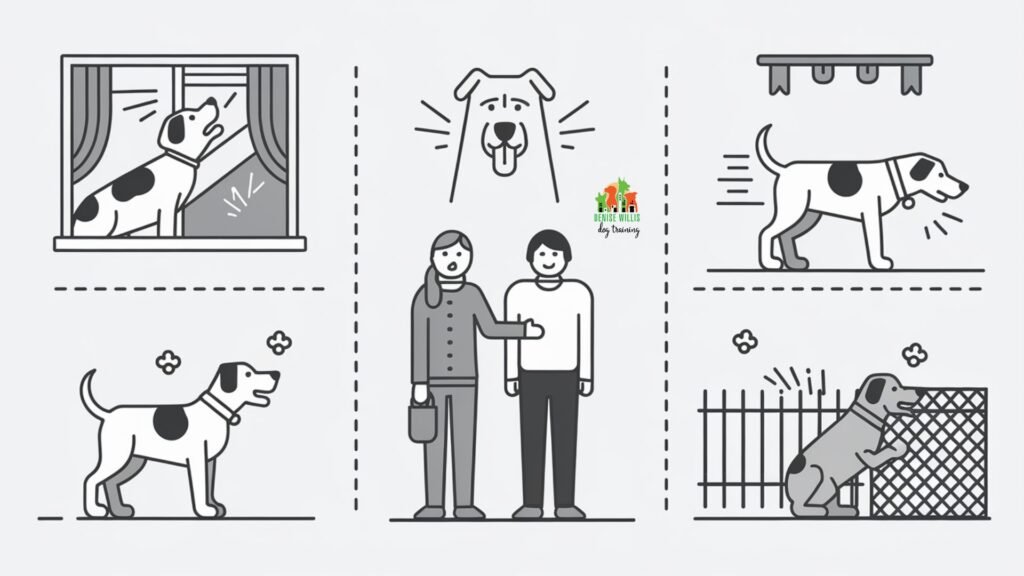
- Barking loudly at strangers or other animals
- Growling when someone approaches their space
- Standing stiff with raised fur on the back
- Snapping or showing teeth if threatened
- Marking territory with urine or scratching
- Patrolling the area frequently
Triggers For Territorial Reactions
- Unknown people entering the yard or home
- Other dogs walking near their boundary
- Sudden noises or movements near their space
- Strangers approaching family members or belongings
- Changes in environment, like new furniture or pets
- Visitors coming to the door or gate
Credit: www.dwdogtraining.com
Establish Leadership
Establishing leadership is key to training a territorial dog effectively. Dogs need clear guidance to understand their place in the home. Without strong leadership, they may act overly protective or aggressive.
Leadership means being calm, confident, and fair. Your dog should see you as the one in charge, not a threat or rival. This creates a safer environment for both of you.
Consistent Rules And Boundaries
Set clear rules your dog must follow every day. Consistency helps dogs learn what is allowed and what is not.
- Decide where your dog can go in the house.
- Choose when and how your dog gets attention.
- Use the same commands for the same actions.
Enforce rules calmly but firmly. Avoid changing the rules often. This avoids confusing your dog and keeps them secure.
Building Respect And Trust
Respect and trust are the foundation of leadership. Your dog needs to trust your decisions to feel safe.
- Reward good behavior with praise or treats.
- Avoid harsh punishments that cause fear.
- Spend quality time together to strengthen your bond.
Show patience during training. Respect your dog’s feelings and space. This creates a positive relationship built on trust.
Socialize Your Dog
Socializing a territorial dog is key to reducing aggressive or fearful behavior. It helps your dog learn to trust new people and pets. Socializing also teaches your dog how to stay calm in different places. Start early and be consistent for the best results. Patience and positive experiences make your dog more confident and friendly.
Introducing New People And Pets
Introduce your dog to new people slowly and gently. Allow your dog to observe from a distance first. Use treats to reward calm behavior around strangers. Keep introductions short and positive. Do not force your dog to approach if it seems scared.
When introducing other pets, choose a neutral place to avoid territory fights. Keep both animals on a leash for safety. Watch their body language closely. Praise friendly or calm actions. Separate them if you see signs of aggression.
Controlled Exposure To Different Environments
Expose your dog to many environments gradually. Start with quiet places like a park or yard. Let your dog explore new sights and sounds at its own pace. Use treats and praise to create a positive link with new places.
Visit busy areas like streets or markets carefully. Keep your dog on a leash to maintain control. Allow short visits and increase time slowly. Controlled exposure helps your dog adapt without stress.
Credit: www.dwdogtraining.com
Use Positive Reinforcement
Praise your dog immediately when it shows calm or friendly behavior near its territory. Rewards like treats or gentle petting encourage positive actions. This helps your dog learn what behavior you want to see.
Training a territorial dog requires patience and understanding. Positive reinforcement is a powerful method to encourage good behavior. This approach uses rewards to reinforce desired actions. It builds trust between you and your dog. Dogs learn best with consistent and positive feedback. Below, we explore effective ways to use positive reinforcement.Rewarding Calm Behavior
Calm behavior in territorial dogs is vital. Reward your dog when it remains calm in various situations. Use treats or affection as rewards. Consistency is key. Keep rewards ready during walks or when visitors arrive. Praise helps reinforce the calm behavior. Encourage your dog with soothing words and gentle petting.Ignoring Unwanted Reactions
Ignoring unwanted reactions teaches your dog what behavior is undesirable. Do not reward barking or aggressive actions. Your attention can be a reward. Look away or turn your back when your dog acts out. Wait for calmness before re-engaging. This method helps reduce negative behavior over time.Implement Obedience Training
Implementing obedience training is essential when managing a territorial dog. It helps establish clear boundaries and ensures your dog listens to you, even in challenging situations. Training builds trust and control, which reduces aggressive or protective behaviors that can escalate unexpectedly.
Basic Commands For Control
Start with simple commands like sit, stay, come, and leave it. These commands create a foundation of control that keeps your dog focused on you rather than external triggers.
Practice these commands daily in different environments to make sure your dog obeys no matter what distractions appear. Use treats and praise consistently to reinforce positive behavior.
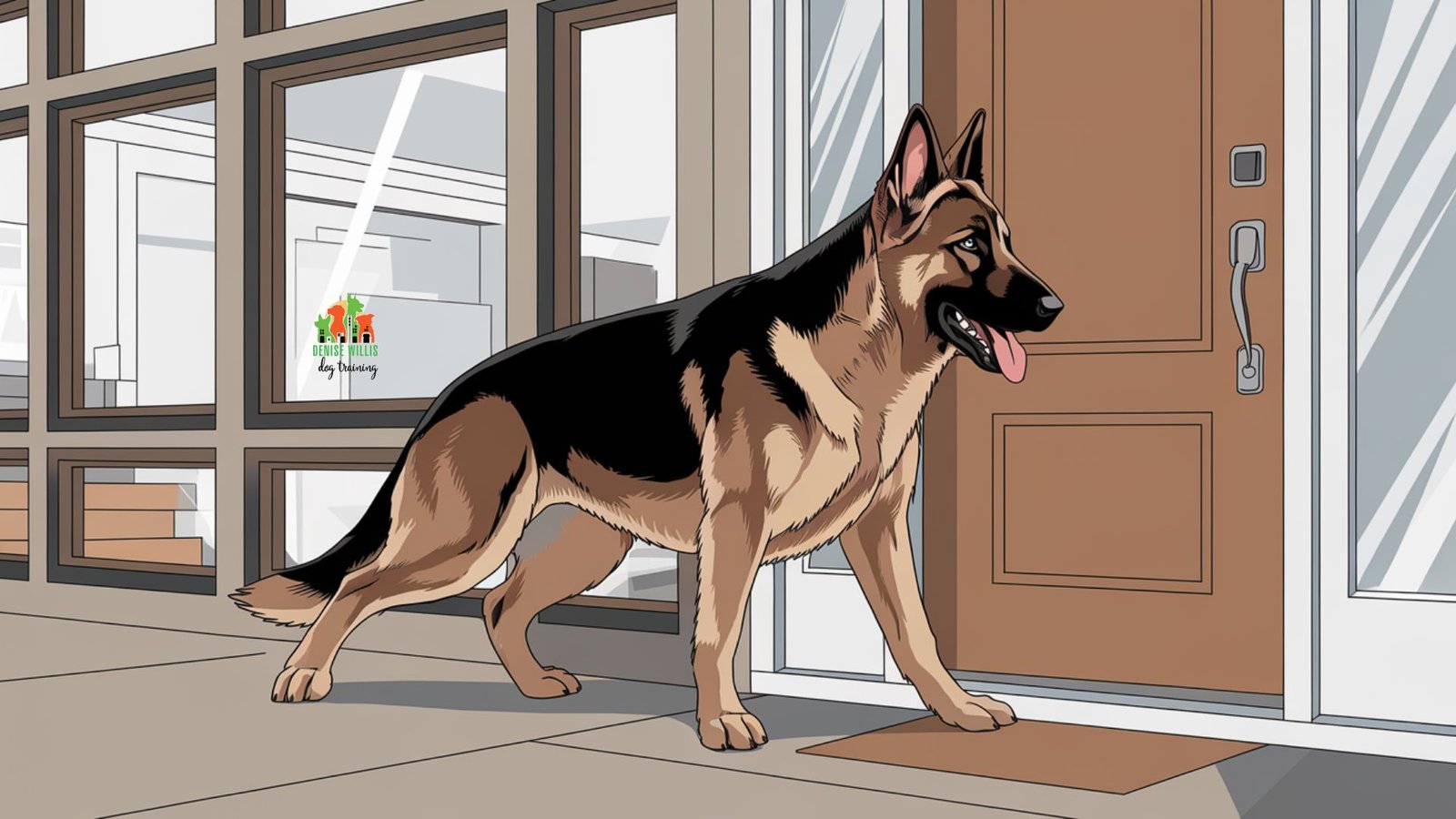
Have you noticed how your dog reacts when someone approaches your home? Teaching “stay” at the door can prevent your dog from rushing out or barking excessively.
Advanced Techniques For Focus
Once your dog masters basic commands, introduce advanced techniques like watch meand place. These commands help your dog maintain attention on you, even when they feel territorial.
Work on impulse control exercises to teach your dog patience. For instance, ask your dog to remain calm while someone knocks on the door or passes by the yard.
Try incorporating distractions during training sessions. If your dog can focus on you when a stranger walks nearby, you’ve built strong control over their territorial instincts.
How does your dog respond to unexpected noises or movements? Advanced focus commands can help redirect their energy and prevent unnecessary aggression.
Credit: www.betterpet.com
Manage Territory Gradually
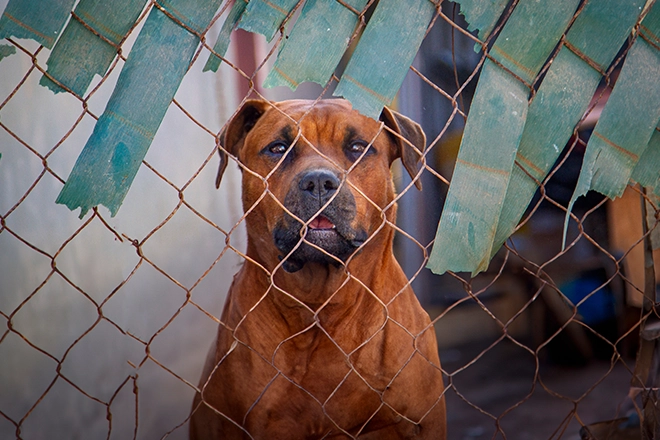
Managing your dog’s territory gradually is key to preventing aggressive or anxious behavior. It helps your dog understand boundaries clearly and feel secure without feeling the need to defend too fiercely. Taking small, controlled steps allows your dog to build confidence and trust in your leadership.
Expanding Boundaries Safely
Start by allowing your dog to explore a small, defined area they already know well. Once your dog feels comfortable, slowly increase this space over time. For example, if your dog is used to the backyard, try opening up a section of the front yard while staying close by.
Observe your dog’s reactions closely. Signs of stress, like barking or pacing, indicate the boundary is expanding too fast. If that happens, slow down and give your dog time to adjust before moving forward.
Supervised Outdoor Time
Always supervise your dog during outdoor exploration, especially in new areas. Your presence reassures your dog and lets you intervene if they show signs of territorial aggression.
Use this time to reinforce positive behavior through calm commands and treats. Reward your dog when they stay relaxed and respectful of boundaries. This builds a positive association with new spaces and helps reduce territorial anxiety.
Have you noticed how your dog reacts when meeting neighbors or other animals in these new spaces? Watching carefully can teach you when to step in or when your dog needs more time to feel safe.
Handle Aggression Carefully
Handling aggression in a territorial dog requires a calm and thoughtful approach. Aggression can escalate quickly if misunderstood or ignored, leading to unsafe situations for both you and your dog. It’s crucial to recognize signs early and act responsibly to guide your dog toward better behavior.
Identifying Aggressive Tendencies
You need to watch your dog closely to spot early signs of aggression. These signs can include growling, baring teeth, stiff body posture, and intense staring. Sometimes subtle signs like raised hackles or sudden barking can indicate discomfort or territorial instincts.
Notice when and where these behaviors happen. Is it around strangers, other animals, or certain places? Understanding the triggers helps you manage situations before your dog becomes reactive.
Ask yourself: does your dog display aggression only in specific contexts, or is it a general behavior? This insight will shape your training approach and safety measures.
Seeking Professional Help When Needed
Some aggressive behaviors can be complex and hard to handle alone. If your dog’s aggression feels overwhelming or unpredictable, don’t hesitate to reach out to a professional trainer or a veterinary behaviorist. Their expertise can provide tailored strategies that suit your dog’s unique needs.
A professional can also teach you how to safely manage interactions and prevent escalation. Remember, seeking help isn’t a sign of failure—it’s a step toward a safer and happier relationship with your dog.
Have you noticed any aggressive signs that made you unsure how to proceed? Getting advice early can save you stress and keep everyone safe.
Maintain Consistency And Patience
Training a territorial dog requires steady effort and calm patience. Dogs sense your mood and react to your consistency. Without steady training, they might get confused or stressed. Patience helps you stay calm through slow progress. Consistency helps your dog understand what you expect.
Regular Training Sessions
Set a fixed time each day for training. Short, frequent sessions work better than long, rare ones. Keep sessions fun and focused to hold your dog’s attention. Use clear commands and repeat them often. Consistent training builds good habits and reduces territorial aggression.
Adjusting Techniques Over Time
Watch your dog’s response to training methods. Some dogs need softer tones; others need firmer commands. Change your approach if your dog seems confused or stressed. Gradually increase difficulty as your dog improves. Flexibility in training helps keep your dog engaged and learning.
Frequently Asked Questions
How Do I Start Training A Territorial Dog?
Begin training early with consistent commands and positive reinforcement. Use controlled socialization to reduce territorial aggression. Establish clear boundaries and reward calm behavior to build trust and obedience.
What Are Common Signs Of Territorial Behavior In Dogs?
Territorial dogs often bark excessively, growl, or show aggression near their space. They may guard objects or areas and become anxious around strangers or other animals.
How Can I Reduce My Dog’s Territorial Aggression?
Use obedience training and socialization to lessen aggression. Avoid punishment; instead, reward calm behavior. Provide mental stimulation and exercise to reduce stress and territorial instincts.
When Should I Seek Professional Help For Territorial Dogs?
Consult a professional if your dog shows severe aggression, causes injury, or training isn’t improving behavior. Early intervention ensures safety and effective behavior modification.
Conclusion
Training a territorial dog takes time and patience. Stay calm and consistent with your approach. Reward good behavior to encourage positive habits. Set clear boundaries to help your dog understand limits. Avoid harsh punishments that can cause fear or aggression.
Practice socialization in safe, controlled settings. Remember, each dog learns at its own pace. With steady effort, your dog will become more confident and well-behaved. Keep training sessions short and fun to maintain interest. Trust builds a strong bond between you and your dog.
Small steps lead to lasting results.