
You want the best for your puppy, and that includes feeding them the right food at the right time. But how do you know when to switch from puppy food to adult dog food?
Making this change too early or too late can affect your dog’s health and energy. You’ll discover clear signs and expert tips to help you decide the perfect moment to make the switch. Keep reading to ensure your furry friend stays happy and healthy every step of the way.
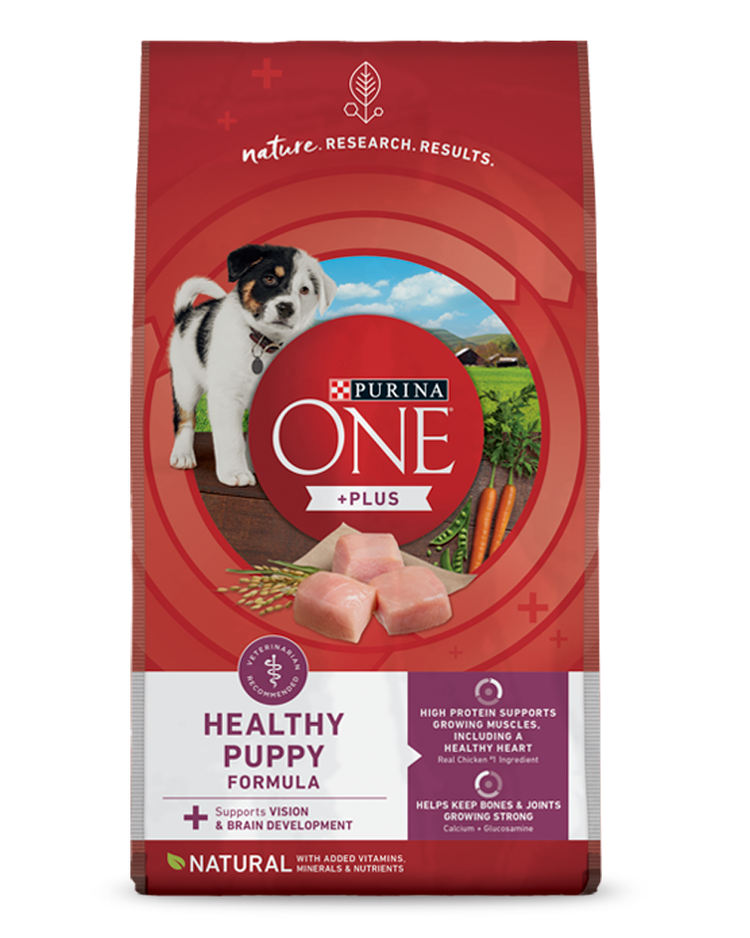
Credit: www.purina.com
Signs Your Puppy Is Ready
Knowing when to switch your puppy to adult dog food is key for their health. Signs your puppy is ready help guide this change. Watch for physical growth, behavioral shifts, and changing nutritional needs.
Physical Growth Milestones
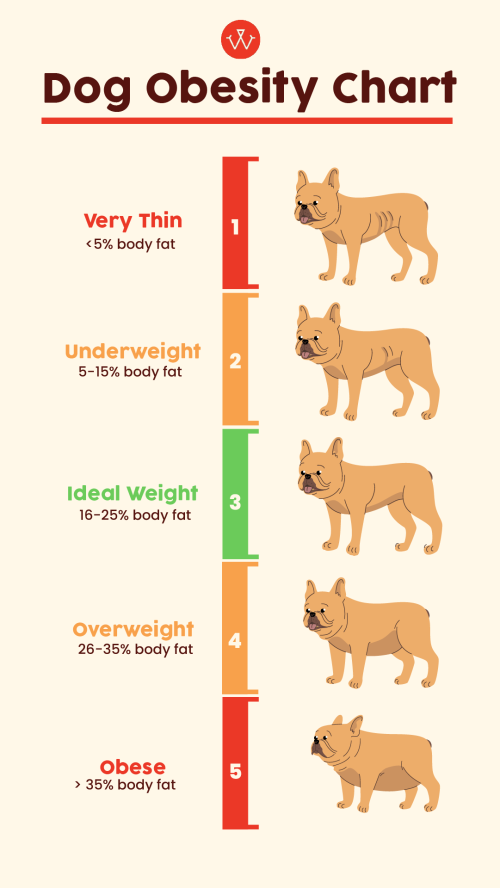
Puppies grow fast. Their bones and muscles get stronger. Most small breeds reach adult size by 9-12 months. Larger breeds take 12-18 months. When your puppy looks full-grown and stops growing taller, it signals readiness. Check their weight and body shape regularly.
Behavioral Changes
Puppies become calmer as they age. They may lose some puppy energy but stay playful. They start focusing more and become easier to train. If your puppy seems less hyper and more settled, it shows maturity. This change often matches the switch to adult food.
Nutritional Needs Shift
Puppies need food rich in calories and nutrients to grow. Adult dogs need fewer calories to avoid weight gain. Their protein and fat requirements also change. When your puppy’s growth slows, their diet must adjust. Feeding adult food supports healthy weight and energy levels.

Credit: zigly.com
Age Guidelines For Transition
Knowing the right time to switch your puppy from puppy food to adult dog food is key for their health and growth. Different breeds mature at different rates, so age guidelines help you make the best choice. Paying attention to these timelines ensures your dog gets the right nutrients at the right stage of life.
Small Breeds Timeline
Small breed dogs usually mature faster than larger breeds. Most small dogs are ready to transition to adult food around 9 to 12 months of age.
If your pup is a Chihuahua or a Dachshund, watch for signs like steady adult teeth and a slower growth rate. These indicators often mean their nutritional needs are shifting.
Switching too early or too late can affect their energy and weight. Have you noticed your small pup’s appetite or activity levels changing? That could be your cue.
Medium Breeds Timeline
Medium breeds, such as Beagles or Cocker Spaniels, typically need puppy food for about 12 months. Their growth slows down enough by then to handle adult food.
It’s helpful to monitor your dog’s body condition and coat quality as you approach this transition. Healthy skin and a shiny coat often reflect balanced nutrition.
Try mixing adult food with puppy food over a week to help your dog adjust smoothly. Have you tried this gradual approach with your medium breed?
Large Breeds Timeline
Large breed dogs grow more slowly and need puppy food longer, usually until 12 to 18 months. Breeds like Labradors and German Shepherds fall into this category.
Because large breeds are prone to joint issues, their food must support bone development during this period. Switching too soon can risk their health.
Keep a close eye on their weight and activity. If your dog seems less energetic or is gaining too much weight, it might be time to consult your vet about the switch.
Choosing The Right Adult Food
Transitioning your puppy to adult dog food is a significant milestone. It’s crucial to choose the right adult food to ensure your dog’s health and happiness. A well-balanced diet tailored to their needs can make all the difference. But how do you pick the right one?
Key Ingredients To Look For
Quality proteins are essential. Look for foods with real meat, like chicken or beef, as the first ingredient. Whole grains, vegetables, and fruits provide necessary vitamins and minerals.
Omega-3 and omega-6 fatty acids support skin and coat health. Antioxidants boost the immune system. A balanced blend of these ingredients ensures your dog thrives.
Avoiding Common Additives
Be wary of fillers like corn and soy. They often provide little nutritional value. Artificial preservatives, colors, and flavors can also be harmful.
Check labels for BHA, BHT, and ethoxyquin. These additives can be detrimental to long-term health. Opt for natural preservatives like vitamin E or C instead.
Special Dietary Needs
Every dog is unique. Some may require grain-free diets due to allergies. Others might need food tailored for joint health or weight management.
Consider your dog’s activity level and breed. Consulting your vet can provide personalized recommendations. Are you meeting your dog’s specific nutritional needs?
Choosing the right food is more than just picking a bag off the shelf. It’s about ensuring your furry friend lives a long, healthy life.
Transitioning Smoothly
Transitioning your puppy to adult dog food is a critical phase that requires patience and care. A smooth switch helps prevent digestive upset and ensures your dog continues to get the right nutrients. How you manage this change can affect your dog’s appetite and overall health.
Gradual Food Mixing
Start by mixing a small amount of adult food with your puppy’s current food. Increase the adult food portion slowly over 7 to 10 days. This gentle approach helps your dog adjust to new flavors and textures without sudden changes.
For example, you might begin with 25% adult food and 75% puppy food on day one. By the end of the transition, your dog should be eating 100% adult food. Have you noticed how a sudden diet switch can cause your dog to refuse food? Gradual mixing avoids that problem.
Monitoring Digestive Health
Watch for changes in stool consistency, frequency, and smell during the transition. Loose stools or diarrhea might signal the need to slow down the switch. Keep an eye on your dog’s energy and mood as well, since digestive discomfort can affect behavior.
If you see any signs of digestive distress, pause the transition or reduce the amount of new food. Always have fresh water available to help digestion. Are you ready to respond quickly if your dog shows signs of upset?
Adjusting Portion Sizes
Adult dogs usually need fewer calories than puppies, so portion control is important. Follow the feeding guidelines on the adult dog food package, but adjust based on your dog’s weight and activity level. Overfeeding can lead to weight gain and other health issues.
Track your dog’s weight weekly during the first month after switching. If your dog gains or loses weight unexpectedly, tweak the portions accordingly. How often do you reassess your dog’s feeding amount to keep them healthy?
Common Mistakes To Avoid
Knowing when to switch your puppy to adult dog food is important, but avoiding common mistakes during this transition is just as crucial. These errors can affect your dog’s health, growth, and energy levels. Let’s look at some key pitfalls and how you can steer clear of them.
Switching Too Early Or Late
Changing your puppy’s food too soon can leave them without the nutrients needed for proper growth. On the other hand, waiting too long might cause them to gain unnecessary weight or miss out on adult food benefits.
Each dog matures at their own pace. Pay attention to your pet’s breed, size, and energy. Ask yourself: is my dog showing adult behavior and stable growth? This can guide you to the right timing.
Ignoring Breed Differences
Not all dogs grow at the same rate or have the same dietary needs. Small breeds might need to switch earlier, while larger breeds require more time on puppy food to support bone development.
Ignoring these differences can lead to health problems like joint issues or obesity. Tailor your approach based on your dog’s breed, and consult your vet to get the best advice.
Overfeeding During Transition
Switching foods often leads to confusion about portion sizes. Many owners overfeed, thinking their dog needs more calories during this change.
This can cause weight gain and digestive problems. Instead, gradually mix adult food with puppy food over a week, reducing portions as you go. How do you ensure you’re feeding the right amount?
When To Consult A Vet
Knowing when to consult your vet about switching your puppy to adult dog food can make a big difference in your dog’s health. It’s not always clear if your pup is ready for the change or if something else is causing a problem. A vet can help you decide the best time to transition and spot any issues early.
Signs Of Food Intolerance
Watch for symptoms like vomiting, diarrhea, or excessive itching after meals. These signs could mean your puppy’s stomach isn’t handling the new food well. If you notice these problems, talk to your vet before making any changes.
Growth Or Weight Concerns
If your puppy is gaining weight too quickly or not growing as expected, it’s time for a vet visit. Sudden weight loss or a failure to gain weight can also signal a problem. Your vet can recommend the right food type and portion sizes tailored to your dog’s growth.
Behavioral Or Health Changes
Has your puppy become unusually lethargic or hyperactive? Are there changes in their coat quality or energy levels? These shifts might relate to diet, so consulting your vet can help identify if the food change is affecting your pup’s overall health.
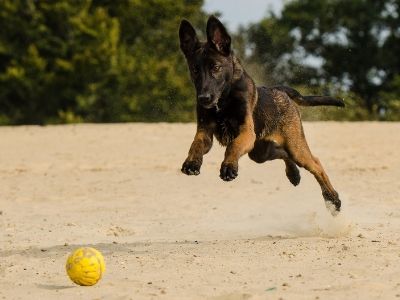
Credit: www.tpfeeds.co.uk
Frequently Asked Questions
When Is The Right Age To Switch To Adult Dog Food?
Most puppies should transition to adult dog food between 9 to 12 months. Large breeds may switch closer to 12-18 months. This timing supports healthy growth and meets changing nutritional needs as puppies mature into adults.
How To Transition Puppy Food To Adult Food Smoothly?
Gradually mix adult food with puppy food over 7-10 days. Increase adult food portion daily while decreasing puppy food. This helps avoid digestive upset and allows your dog to adjust to new nutrients comfortably.
What Signs Indicate My Puppy Needs Adult Food Now?
Look for slowed growth, less playful energy, or weight gain. If your puppy looks full-grown or their vet advises, it’s time to switch. Adult food supports maintenance rather than growth, suiting their changing metabolism.
Can Feeding Puppy Food Too Long Harm My Dog?
Yes, excess calories and nutrients in puppy food can cause obesity and joint issues. Feeding adult dogs puppy food may lead to imbalanced nutrition. Switching timely helps maintain healthy weight and prevents health problems.
Conclusion
Switching your puppy to adult dog food matters for their health. Watch their age and size to choose the right time. Changing food too early or late can cause problems. Adult dog food has different nutrients your dog needs now.
Always check with your vet to be sure. A smooth change helps your dog feel good and grow well. Keep an eye on how your dog reacts to new food. Healthy eating leads to a happy, strong dog. Careful timing makes a big difference.