

Imagine this: you call your dog, and instead of ignoring you, they come running back happily every single time. Sounds perfect, right?
Teaching your dog to recall—that is, to come when called—is one of the most important skills you can give them. It keeps them safe, strengthens your bond, and makes walks and playtime more enjoyable for both of you. If you’ve ever struggled with getting your dog to listen, this guide will show you simple, effective steps to train your dog to come back to you reliably.
Ready to transform your dog’s behavior and enjoy peace of mind? Let’s dive in.

Credit: petstop.com
Choosing The Right Recall Cue
Choosing the right recall cue is key to successful dog training. The recall cue is the word or sound that calls your dog back to you. It must be easy for your dog to understand and react to quickly. A good recall cue helps build trust and improves safety.
Short And Clear Commands
Use short commands that are easy to say and remember. Words like “come,” “here,” or “back” work well. Short words are easier for dogs to recognize among other sounds.
Keep the command simple and avoid long phrases. Long commands may confuse your dog and slow their response.
Consistent Word Use
Always use the same recall word. Changing words can confuse your dog. Consistency helps your dog learn faster and respond better.
Make sure everyone in your family uses the same recall cue. Mixed signals make training harder for your dog.
Tone And Delivery
Use a happy and firm tone when calling your dog. Your dog should feel safe and excited to come back.
A calm but clear voice works best. Yelling or sounding angry can scare your dog away.
Practice your tone to sound inviting and confident. Your dog will learn to trust your call.
Building A Positive Association
Building a positive association with your dog is key to successful recall training. When your dog connects coming back to you with good things, they’ll be eager to respond every time. This foundation makes training smoother and strengthens your bond.
Using Treats And Rewards
Treats are powerful motivators for dogs. Choose small, tasty bites your dog loves and keep them handy during training sessions. Give a treat immediately when your dog comes to you to create a clear link between returning and a reward.
Try varying the treats to keep your dog excited. Sometimes use a piece of chicken, other times a crunchy kibble. This unpredictability makes your dog more eager to come back, wondering what treat awaits.
Incorporating Playtime
Play can be just as rewarding as treats. Use a favorite toy or a quick game of tug to celebrate your dog’s return. This adds fun to the training and makes recall feel like a positive, playful event.
Think about moments when your dog runs back happily to chase a ball or join a game. You want to capture that excitement during recall practice. Can you create a mini play session right after your dog comes to you?
Offering Praise And Affection
Your voice and touch matter a lot. Use cheerful tones and enthusiastic words like “Good job!” or “Yes!” when your dog obeys recall. Combine this with gentle petting or belly rubs to reinforce the good behavior.
Some dogs respond better to affection than treats. Pay attention to what motivates your dog most and adjust your praise accordingly. How can you make your voice and touch more encouraging during training?
Training In Low-distraction Areas
Choose quiet places free from distractions to teach your dog to come when called. This helps your dog focus better and learn faster. Gradually add distractions as your dog improves.
Training your dog to respond reliably to recall commands is a rewarding journey. It starts with teaching them to come to you when called, even in the face of tempting distractions. One of the most effective ways to achieve this is by beginning your training in low-distraction areas. These environments help your dog focus on you without getting sidetracked, setting a strong foundation for future success.Starting Indoors
Begin training sessions indoors where distractions are minimal. Your living room or hallway can be the perfect starting point. Here, your dog is familiar with the surroundings and less likely to be overwhelmed by external stimuli. Use a favorite toy or treat to encourage your dog to come to you. Call their name in a cheerful voice, and when they respond, reward them instantly. Consistency is crucial; every successful response should be met with praise or a treat. Consider using a long leash indoors to prevent your dog from wandering off. This gives you control while still allowing them to feel a sense of freedom.Gradual Exposure To New Environments
Once your dog masters recall indoors, it’s time to introduce them to new environments. Start with your backyard or a quiet park. These settings still limit distractions but add a touch of novelty. Maintain their focus by using the same recall techniques. Keep sessions short but frequent to maintain their interest and enthusiasm. As your dog becomes more confident, gradually increase the level of distractions. Move to busier parks or areas with more people and pets. Observe how your dog reacts and adjust the difficulty level accordingly. Remember, patience is key. Every dog progresses at their own pace. How will you know when to take the next step? Pay attention to their body language and willingness to respond. What challenges have you faced in training your dog? Share your experiences to connect with others on this rewarding journey.
Credit: www.youtube.com
Increasing Distractions Gradually
Increasing distractions gradually helps your dog learn recall in a real world. Start simple. Practice in quiet places first. Slowly add distractions to build focus. This teaches your dog to listen no matter what.
Distractions can be noises, people, or other animals. Each new distraction should be easy at first. Over time, your dog learns to ignore distractions and come when called. Patience and consistency are key here.
Training In The Backyard
The backyard is a safe place to add small distractions. Begin with light noises like birds or wind. Call your dog frequently and reward them for coming. Use treats or praise to keep motivation high.
Try tossing a ball or having a family member move around. These mild distractions prepare your dog for busier places. Keep training sessions short but regular. This builds your dog’s confidence and focus.
Visits To Parks And Public Spaces
Parks have many distractions like other dogs, people, and sounds. Visit during quiet times first to keep distractions low. Call your dog often and reward quick responses. Gradually visit busier times with more activity.
Use a long leash for safety and control. Let your dog explore but always respond when you call. This helps your dog learn recall even with many distractions. Stay calm and patient as your dog adjusts.
Practicing Emergency Recall
Practicing emergency recall is vital for your dog’s safety. It helps bring your dog back quickly in risky situations. Training this skill requires focus and consistency. You want your dog to respond instantly, no matter the distractions.
Using A Unique Command
Choose a command word that your dog hears only for emergencies. It should be different from everyday commands. This makes the word special and urgent. Use a clear, short word that is easy to say quickly. Always say it with a calm but firm tone.
High-value Rewards Only
Use treats or toys your dog loves most during emergency recall training. These rewards must be more exciting than anything else around. Save these special rewards just for recall practice. Your dog learns that coming back means something great.
Frequent Practice Sessions
Practice emergency recall often but keep sessions short. Frequent practice helps your dog remember the command well. Train in different places and with different distractions. This prepares your dog to respond anywhere, anytime.
Avoiding Common Mistakes
Training your dog to come when called is one of the most valuable skills you can teach. Yet, many dog owners stumble over avoidable mistakes that slow down progress or confuse their furry friends. Understanding these pitfalls can save you time and help build a stronger, trust-based relationship with your dog.
Never Punishing After Recall
Have you ever called your dog only to scold them afterward? It might feel natural, especially if they took their time to respond. But punishing your dog after they come can make them hesitate next time. They begin to associate coming back with negative outcomes.
Instead, reward your dog immediately upon their return. Use treats, praise, or play to make coming back a positive experience. This encourages them to respond quickly and happily every time you call.
Avoiding Overuse Of Commands
Repeating the recall command over and over can dilute its importance. If you call your dog ten times before they come, they learn they don’t need to rush. This leads to ignoring or slow responses.
Try to use the recall command sparingly and only when you expect a response. If your dog doesn’t come the first time, avoid repeating the command. Instead, use patience or move closer to encourage them.
Ensuring Consistency Among Family Members
Different family members often use different words or tones for recall, which confuses your dog. Imagine hearing multiple versions of the same command from different people. It’s hard to know which one to obey.
Agree on a single recall word and tone that everyone uses consistently. Share the same rewards and rules to avoid mixed signals. This consistency helps your dog understand exactly what you want every time.
Using Long Leashes For Safety
Using long leashes is a smart way to keep your dog safe during recall training. It gives your dog freedom to explore while you stay in control. This tool helps build trust and confidence in your dog as it learns to respond from a distance. Long leashes keep your dog close enough to prevent accidents but far enough to practice commands effectively.
Benefits Of Long Leashes
- Allow your dog to roam safely within a set area.
- Help teach recall without losing control.
- Reduce the risk of your dog running into danger.
- Build your dog’s confidence by offering more space.
- Provide a safety net during off-leash training.
Proper Handling Techniques
Hold the leash firmly but with some slack. This avoids pulling and sudden jerks. Keep your body relaxed and face your dog to encourage attention. Use short, calm commands while gently guiding your dog back.
Practice in open areas free from distractions first. Gradually increase distance and distractions as your dog improves. Always watch your dog’s body language to adjust your pace. Avoid wrapping the leash around your hand or fingers to prevent injury.
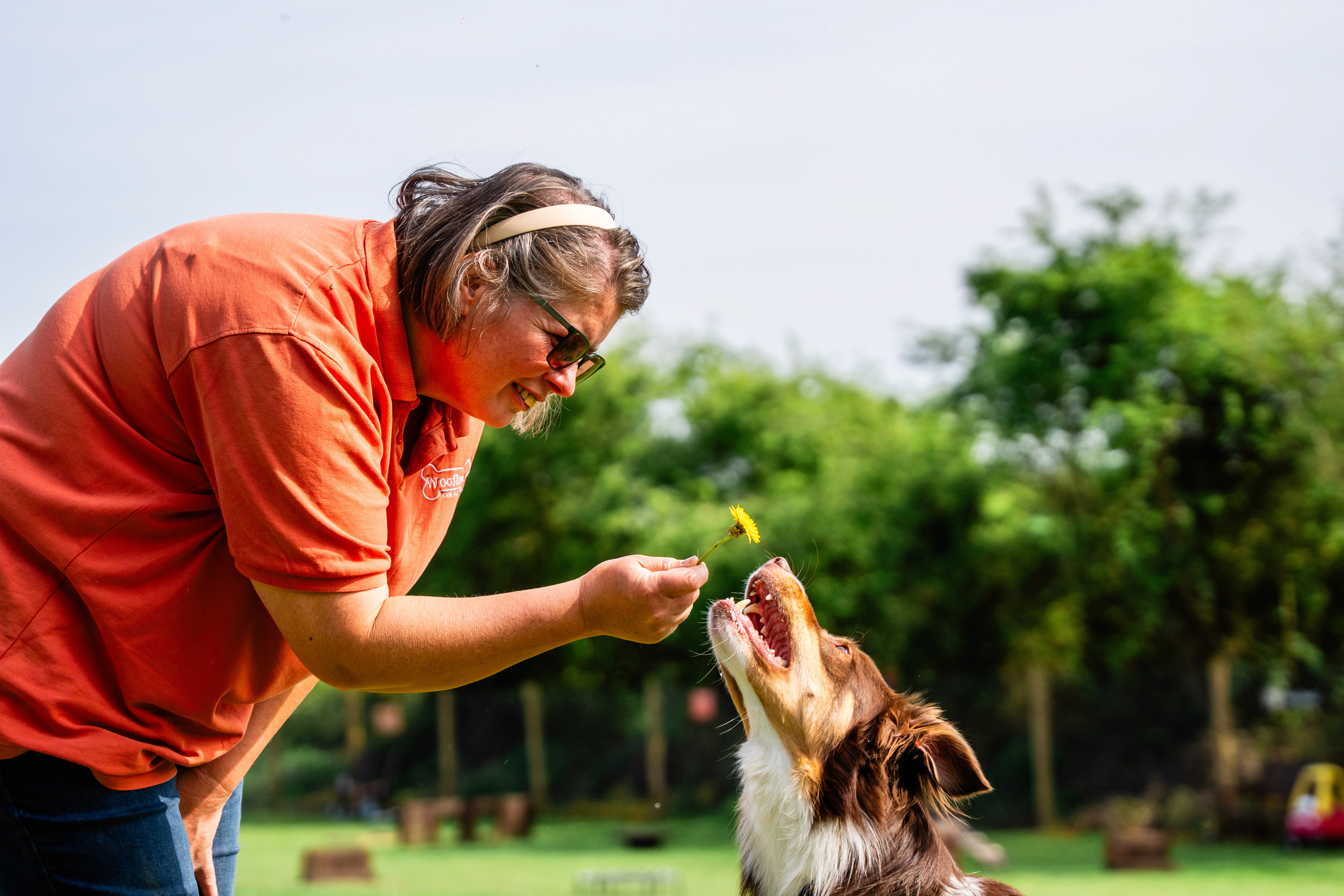
Credit: www.wooflanddogpark.com
Maintaining Recall Skills Over Time
Maintaining recall skills over time is essential for your dog’s safety and obedience. Training does not end once your dog responds well. Consistent effort keeps their recall sharp and reliable. Dogs can forget commands if not practiced regularly. Regular training sessions help keep their focus strong and their response quick.
Regular Practice
Practice recall commands often, but keep sessions short. Daily short sessions work better than long, rare ones. Use the same command each time to avoid confusion. Reward your dog immediately when they come to you. Positive reinforcement builds a strong habit. Practice in different places to keep your dog alert and ready.
Adding Variety To Training
Change the environment to challenge your dog’s recall skills. Practice at the park, in the yard, or on walks. Introduce distractions like other dogs, people, or noises. This helps your dog learn to focus despite distractions. Use different rewards like treats, toys, or praise. Variety keeps training interesting and effective.
Monitoring For Regression
Watch for signs your dog is forgetting the recall command. Missing cues, ignoring calls, or slow responses are warning signs. If this happens, increase training frequency. Return to easier environments and reduce distractions. Gradually increase difficulty as your dog improves. Early action prevents bad habits from forming.
Frequently Asked Questions
What Is Recall Training For Dogs?
Recall training teaches your dog to come when called. It improves safety, strengthens your bond, and enhances obedience. Consistent practice and positive rewards make recall reliable and effective.
How Do I Start Recall Training My Dog?
Begin in a quiet area with few distractions. Use a happy tone and a clear command like “come. ” Reward your dog immediately with treats or praise to reinforce the behavior.
Why Is Positive Reinforcement Important In Recall Training?
Positive reinforcement motivates dogs to obey commands willingly. It builds trust and encourages repeat behavior. Treats, praise, and play are effective rewards during recall training.
How Long Does It Take To Train A Dog To Recall?
Training time varies by dog’s age, breed, and consistency. Some dogs learn recall in a few weeks, while others need months. Regular, short sessions speed up progress.
Conclusion
Recalling your dog takes patience and practice every day. Keep training sessions short and fun to hold their attention. Use clear commands and reward good behavior to build trust. Stay calm and consistent, even when progress feels slow. Remember, safety comes first—always work in a secure area.
Small steps lead to big improvements over time. Enjoy the bond you create while teaching your dog to come back. This skill makes walks safer and more enjoyable for both of you. Keep practicing, and your dog will learn to respond well.