
Are you struggling to teach your dog new tricks or improve their behavior? You might have heard about clicker training and wondered, “Do clickers really work for dog training?” If you want a simple, effective way to communicate with your furry friend, understanding how clickers work could change everything.
Keep reading to discover how this small tool can make a big difference in your dog’s learning and strengthen the bond you share.

Credit: www.youtube.com
How Clicker Training Works
Understanding how clicker training works can change the way you communicate with your dog. It’s a simple yet powerful tool that helps your pet connect specific behaviors to positive outcomes. Let’s break down the mechanics behind this training method so you can see why it often leads to faster and clearer learning.
Basic Principles
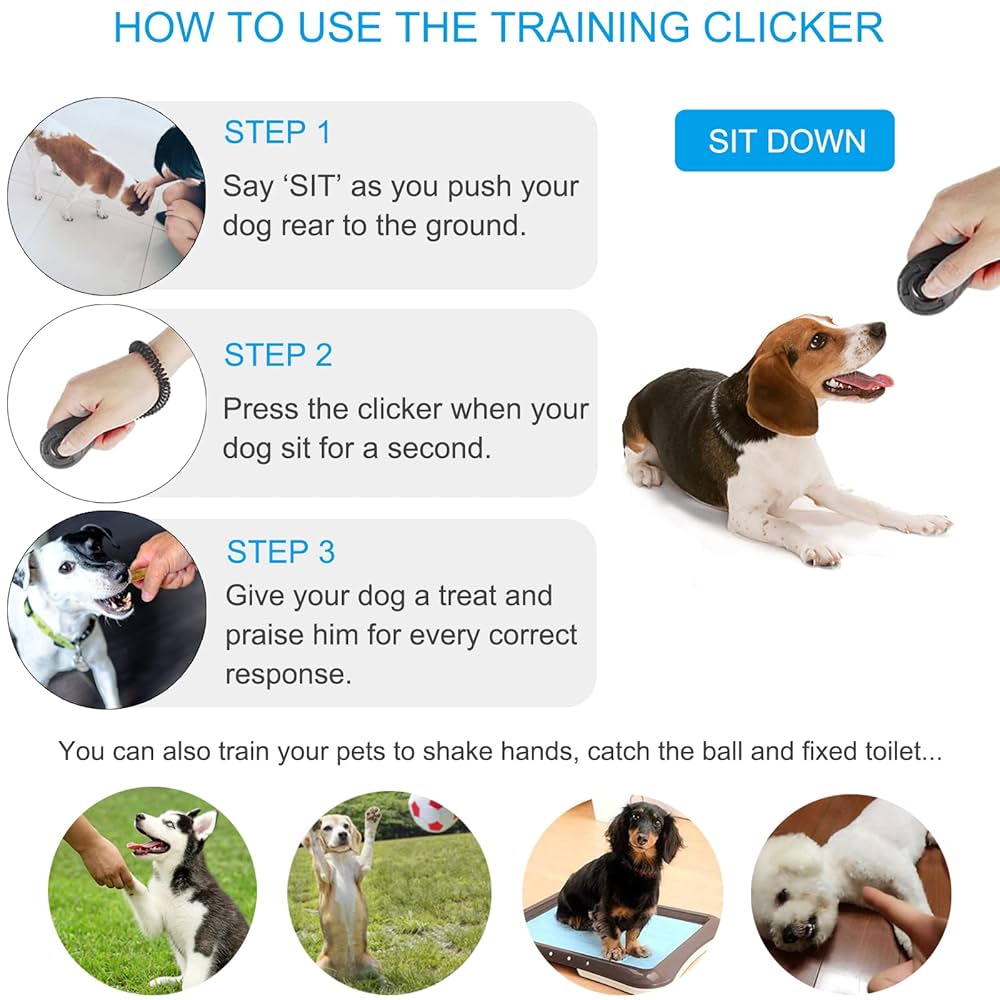
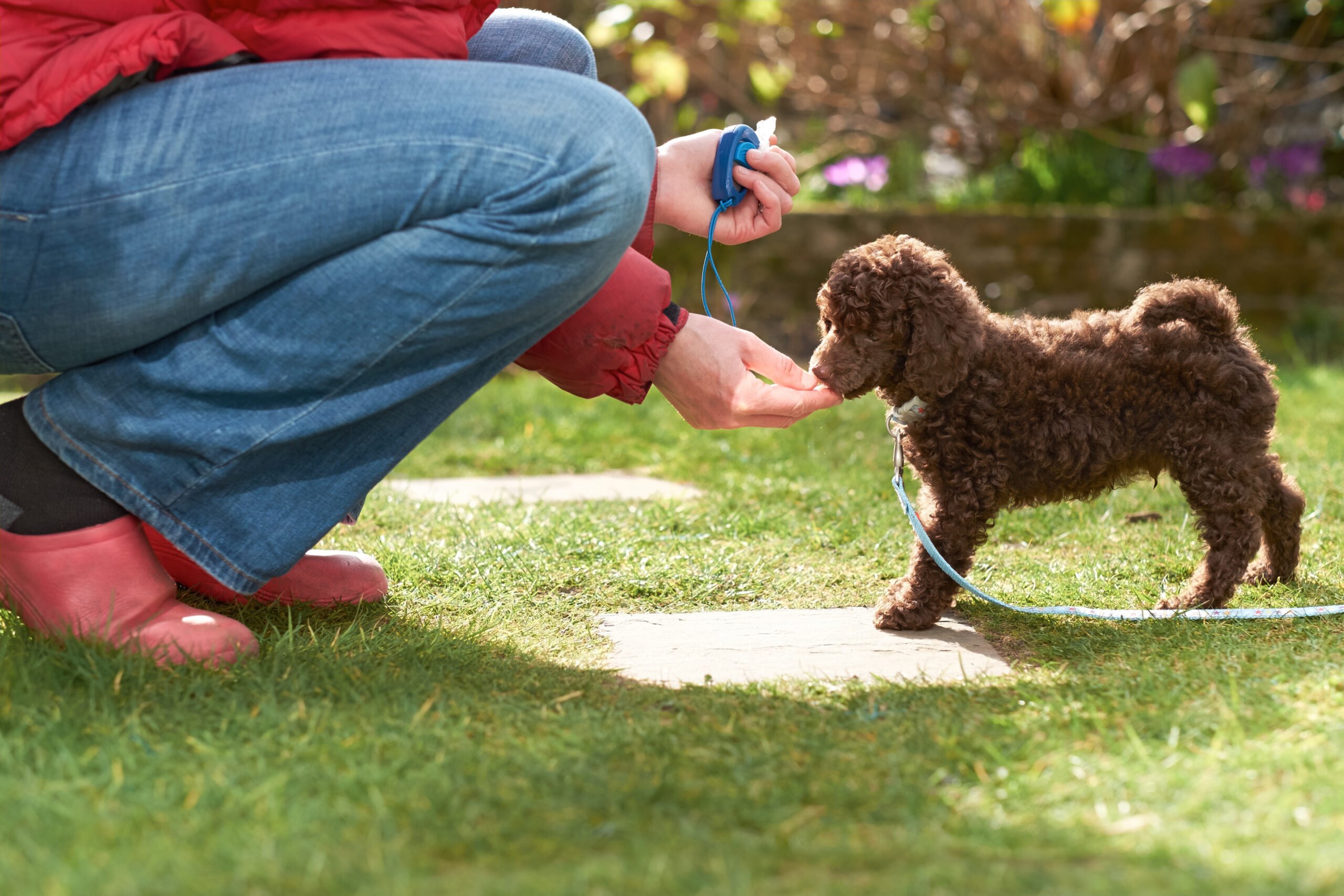
Clicker training uses a small handheld device that makes a distinct “click” sound. This sound marks the exact moment your dog performs a desired behavior. Immediately after the click, you give your dog a treat or reward.
The click acts as a bridge between the behavior and the reward, making it easier for your dog to understand what you want. This method relies heavily on positive reinforcement, encouraging your dog to repeat good actions.
Why Timing Matters
Timing is critical in clicker training. The click must happen the moment your dog does the correct behavior—not before, not after. This precision helps your dog link the sound with the exact action, avoiding confusion.
If the click comes too late, your dog may associate it with a different behavior. Have you ever noticed how quickly your dog learns when you reward immediately versus when you wait? That’s the power of perfect timing.
Benefits Over Traditional Methods
Unlike traditional training that often relies on verbal praise or physical corrections, clicker training provides clear and consistent communication. Your dog knows exactly what earned the reward, making learning more efficient.
- Reduces guessing games and frustration for your dog
- Minimizes the need for punishment or harsh corrections
- Can speed up learning new commands and tricks
- Strengthens the bond between you and your dog through positive interactions
Have you tried clicker training yet? You might find it’s the missing link to better behavior without the stress of traditional methods.
Credit: www.caninejournal.com
Choosing The Right Clicker
Choosing the right clicker for dog training can make a significant difference in how effectively you communicate with your furry friend. The perfect clicker should feel comfortable in your hand and produce a sound that your dog can easily recognize. Let’s break down what to look for and how to pick a tool that fits your training style.
Types Of Clickers
Clickers come in several shapes and sizes, each designed for different preferences and training needs. The most common is the classic handheld clicker, which fits easily between your fingers and clicks with a simple press.
There are also wristband clickers that allow you to click with a flick of your thumb, freeing up your other hand for treats or leash control. Some trainers prefer electronic clickers with adjustable volume settings to suit sensitive dogs.
Think about your training environment and how you like to hold your tools. Would you benefit from a wristband for quick clicks during active play, or is a small handheld clicker better for quiet indoor sessions?
Features To Look For
Not all clickers are created equal. You want a clear, consistent sound that your dog can easily associate with positive behavior. Avoid clickers that produce a muffled or inconsistent noise, as this can confuse your dog.
Look for clickers with ergonomic designs that prevent finger strain during long training sessions. Some clickers come with a built-in treat compartment, which can be handy but might add bulk.
Ask yourself: do you need a silent option for training in quiet environments, or a louder clicker for noisy outdoor areas? Your choice can affect how well your dog hears and responds to the click.
Durability And Ease Of Use
Your clicker should withstand regular use without breaking or sticking. Plastic clickers are lightweight but can crack, while metal options offer greater durability but might be heavier.
Ease of use is key—your clicker should respond immediately without requiring excessive pressure. If you struggle to get a click, your timing may suffer, which affects your dog’s learning.
Think about your daily routine. Will you carry the clicker in your pocket or attach it to a keyring? Choosing a durable, easy-to-use clicker means fewer interruptions and more focus on training your dog.
Effective Clicker Techniques
Clickers create a clear, consistent sound that helps dogs understand commands quickly. They reward good behavior by marking the exact moment the dog does something right. This technique improves training focus and speeds up learning.
Training your dog can be both a rewarding and challenging journey. Clicker training has gained popularity due to its effectiveness and simplicity. This method uses a small device that makes a distinct clicking sound to signal to your dog that they’ve done something right. But how can you make the most out of this training tool? Let’s dive into some effective clicker techniques that can transform your dog into an obedient companion.Starting With Simple Commands
Begin with basic commands that your dog can easily grasp, such as “sit” or “stay.” Hold the clicker in one hand and a treat in the other. When your dog performs the command, immediately click and reward them with a treat. Timing is key here; the click should happen the instant your dog performs the desired action. This helps them associate the click with a positive outcome, reinforcing their behavior.Pairing Clicks With Rewards
Consistency is crucial when pairing clicks with rewards. Every click should be followed by a treat initially, ensuring your dog understands the connection. Gradually, you can mix up the rewards by using verbal praise or petting. This keeps your dog motivated while preventing them from becoming treat-dependent. Have you ever noticed how your dog responds differently to various rewards? Experiment to see which ones work best for them.Building Complex Behaviors
Once your dog masters basic commands, you can move on to more complex behaviors. Break down these behaviors into smaller steps and click and reward for each successful step. For example, if you’re teaching your dog to fetch, start by rewarding them for picking up the toy, then for bringing it closer, and finally for handing it to you. This step-by-step approach makes complex tasks more manageable and less frustrating for your dog. Incorporate play and fun into the training sessions to keep your dog engaged. Remember, patience and persistence go a long way in building a strong bond with your furry friend.
Credit: spiritdogtraining.com
Common Challenges And Solutions
Using a clicker for dog training can be highly effective, but it doesn’t come without its challenges. Understanding these common hurdles will help you stay patient and adjust your approach when needed. Let’s look at how to handle situations where your dog doesn’t respond, how to avoid overusing the clicker, and how to manage distractions during training.
When Dogs Don’t Respond
It can be frustrating when your dog doesn’t react to the clicker as expected. Sometimes, the timing of the click might be off, or your dog hasn’t yet connected the sound with a reward. Try to click immediately after the desired behavior and follow up quickly with a treat.
If your dog still seems confused, slow down the training steps. Break the behavior into smaller parts and reward each success. Have you noticed if your dog reacts better to certain treats or tones? Experimenting can make a big difference.
Avoiding Overuse
Clickers lose their effectiveness if used too much or clicked randomly. Your dog might start ignoring the sound if it’s not tied to a specific behavior. Use the clicker only to mark exact moments you want to reinforce.
Gradually reduce the frequency of clicks as your dog learns the command. This keeps your training sessions meaningful and prevents your dog from becoming reliant on constant signals. How often do you think you should click before switching to verbal praise?
Handling Distractions
Dogs can get easily distracted, especially in new environments or around other animals. This can make clicker training feel like an uphill battle. Start training in a quiet, familiar space to build focus.
Once your dog is consistent, slowly add distractions like background noise or other people. If your dog loses focus, go back a step and reward smaller successes. What distractions challenge your dog the most, and how can you control them during practice?
Success Stories And Evidence
Success stories and evidence provide a clear picture of how effective clicker training can be for dogs. Real-life examples and scientific data help you understand what to expect and how this method can work for your furry friend. Let’s look at some practical cases, research findings, and expert opinions that show the impact of clicker training.
Case Studies
Many dog owners have shared impressive results after using clickers. One owner reported that their shy rescue dog began responding to commands within days, showing improved focus and confidence.
Another case involved a highly energetic puppy who struggled with basic obedience. After consistent clicker sessions, the puppy learned to sit, stay, and come reliably, making walks and playtime much more enjoyable.
These stories prove that clickers can speed up learning by making communication clear and consistent. Have you noticed any small signs of progress during training? That’s often the first step toward bigger breakthroughs.
Scientific Research
Studies confirm that clicker training can enhance learning in dogs. Research shows that dogs trained with a clicker often learn commands faster compared to verbal cues alone.
One experiment found that the click sound acts as a precise marker, helping dogs understand exactly which behavior earned the reward. This clarity reduces confusion and helps dogs focus better.
Science also supports using clickers for complex behaviors, not just simple commands. This means you can rely on this tool whether you’re teaching tricks or correcting unwanted habits.
Trainer Testimonials
Professional trainers often praise clickers for their reliability and ease of use. Many say clickers help them communicate more effectively, especially with dogs that are easily distracted.
One trainer shared that clicker training transformed a stubborn dog’s attitude, making sessions more fun and less frustrating for both dog and owner. Another noted that the sound bridges language gaps, working well with dogs of all ages.
Would you consider trying a clicker if it could make your training sessions smoother and more rewarding? Trainers believe it’s worth the effort, especially if you want clear results without confusion.
Integrating Clickers With Other Methods
Clicker training shines when combined with other dog training methods. It becomes a powerful tool that helps your dog understand what you want more clearly. Mixing clickers with verbal commands, treats, praise, and leash work makes training smoother and more effective.
Combining With Verbal Commands
Use the clicker to mark the exact moment your dog performs the right action, then say the verbal command. This helps your dog link the click sound with the word you’re teaching. For example, click as soon as your dog sits, then say “sit.” Over time, your dog will respond to the verbal cue alone.
Have you noticed how your dog reacts differently to sounds? The clicker offers a consistent tone that grabs attention better than your voice sometimes. This makes verbal commands clearer and easier to learn.
Using Treats And Praise
Clicking alone doesn’t reward your dog—it just marks the right behavior. Pairing the click with a treat or praise makes the training meaningful. After each click, immediately give a tasty treat or enthusiastic praise to reinforce good behavior.
Imagine training without any reward after clicking. Would your dog stay motivated? Most dogs love food rewards, but some respond better to affection or play. Find what excites your dog and use it alongside the clicker.
Balancing Clicker And Leash Training
Leash training requires patience and control, which the clicker can support. Use the clicker to mark moments when your dog walks calmly beside you. Click and reward for loose leash walking to encourage this behavior consistently.
Don’t forget to manage leash tension carefully. Clicking when the leash is slack teaches your dog to stay relaxed. This balance helps your dog learn to walk politely without pulling or rushing.
Frequently Asked Questions
What Is A Clicker In Dog Training?
A clicker is a small device that makes a distinct sound. Trainers use it to mark desired behaviors clearly and quickly. It helps dogs associate the sound with positive rewards, speeding up learning and improving communication between owner and dog.
How Effective Are Clickers For Dog Training?
Clickers are highly effective because they provide consistent, clear signals. They improve timing for rewards, helping dogs learn commands faster. Many trainers find clickers reduce confusion and increase motivation, making training sessions more productive and enjoyable for both dogs and owners.
Can All Dogs Learn With Clicker Training?
Yes, most dogs can learn using clicker training. It works well for different breeds, ages, and temperaments. Clicker training taps into dogs’ natural learning processes, making it suitable for puppies, adult dogs, and even rescue dogs with patience and practice.
How Do Clickers Improve Dog Behavior?
Clickers help reinforce positive behaviors immediately after they occur. This instant feedback encourages dogs to repeat good actions. Over time, dogs understand which behaviors earn rewards, leading to better obedience and fewer unwanted actions.
Conclusion
Clicker training can be a helpful tool for teaching dogs new behaviors. It uses a clear sound to mark good actions, making learning easier. Dogs often respond well to this method because it is consistent and positive. Patience and practice remain key to success, no matter the technique.
Try clicker training to see if it fits your dog’s style. Training should always be kind and fun for both you and your dog. Keep sessions short and rewarding to keep your dog interested. Results may vary, but many find clickers effective.
Give it a fair chance and enjoy the process.