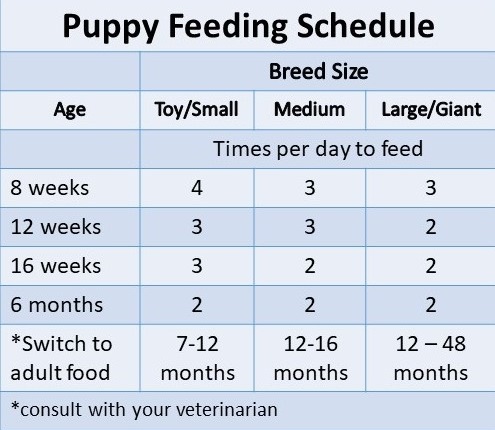

You want the best for your puppy, especially when it comes to food. But how do you know when it’s time to switch from puppy food to adult dog food?
Feeding your puppy the right food at the right time is crucial for their growth, health, and happiness. If you switch too early or too late, it could affect their development. Keep reading, and you’ll discover exactly when and how to make this important change smoothly, so your furry friend stays strong and healthy every step of the way.
Puppy Growth Stages
Puppies grow quickly and need special food to support their development. Adult dog food can usually start around one year old, but gradual change helps their digestion. Watch your puppy’s size and energy to know the right time.
Understanding the growth stages of your puppy is crucial for making informed decisions about their diet. Each stage of growth has unique nutritional needs that play a vital role in your puppy’s development. Knowing when to transition to adult dog food is essential for their health and well-being.Newborn To Weaning
Newborn puppies rely entirely on their mother’s milk for nutrition. This period typically lasts until they are about four weeks old. During this time, they receive essential antibodies and nutrients crucial for their immune system and overall growth. As they approach the weaning stage, puppies begin to show interest in solid food. You might notice them curiously sniffing or licking the food of adult dogs. This natural curiosity is a sign they are ready to start transitioning gradually.Transition To Solid Food
Around four to six weeks, you can start introducing solid food to your puppy’s diet. Begin with a gruel made by mixing high-quality puppy food with water or puppy formula. This mixture should be soft enough for their tiny teeth and gentle on their digestive system. Gradually, you can reduce the amount of liquid as they get used to chewing solid food. It’s essential to monitor their response and adjust the texture accordingly. Have you observed how quickly your puppy adapts to new things? This adaptability will help them through the transition.Growth Milestones
Puppies grow at an astounding rate, and each milestone is a sign of their development. By eight weeks, most puppies are ready to leave their mother and fully rely on solid food. Their playful energy and curiosity will become more evident as they reach this stage. As your puppy continues to grow, their nutritional needs will change. By the time they are about one year old, most breeds are ready to switch to adult dog food. However, larger breeds may require a bit longer. Are you aware of your puppy’s specific growth timeline? Regular vet check-ups can help you track their growth and decide the best time to make the transition. This proactive approach ensures that your puppy receives the appropriate nutrition at every stage of their life.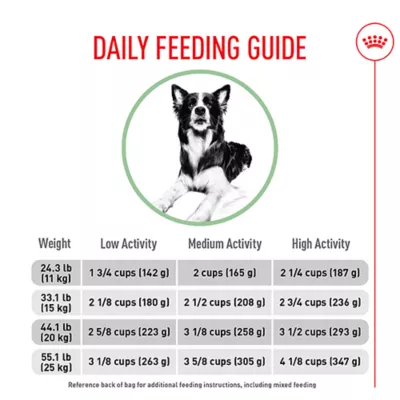
Credit: www.petsmart.ca
Differences Between Puppy And Adult Food
Understanding the differences between puppy and adult dog food is key to knowing when to switch your furry friend’s diet. Puppy food is specially designed to support rapid growth and development, while adult food focuses on maintaining health and energy levels. Knowing these differences helps you make the best choice for your dog’s stage of life.
Nutritional Needs
Puppies need more nutrients like calcium and phosphorus to build strong bones and teeth. Their developing brains also require extra DHA, an important fatty acid. Adult dogs, however, need a balanced diet that supports their overall health without overloading on growth nutrients.
Have you noticed your puppy’s energy levels changing as they grow? That shift is often related to how their nutritional needs evolve. Feeding them the right food ensures they get what their bodies truly require at each stage.
Calorie Content
Puppy food usually contains more calories to fuel their active, growing bodies. Since puppies burn a lot of energy exploring and learning, they need that extra fuel to stay healthy. Adult dog food has fewer calories to prevent weight gain as their activity levels stabilize.
If your puppy starts to slow down or gain too much weight, it might be time to reconsider their calorie intake. Are you adjusting their food portions as they grow? This simple step can keep them fit and happy.
Protein And Fat Levels
Higher protein and fat levels in puppy food support muscle growth and provide concentrated energy. These macronutrients are vital during the first months when puppies develop rapidly. Adult dog food typically has moderate protein and fat to maintain weight and support a more balanced lifestyle.
Switching to adult food too early can leave your dog undernourished. On the other hand, keeping them on puppy food for too long might lead to unnecessary weight gain. How well do you know your dog’s ideal protein and fat needs?
Signs Your Puppy Is Ready
Knowing when to switch your puppy to adult dog food is important for their health. Puppies grow fast, and their nutritional needs change as they develop. Watching for clear signs helps you decide the right time to change their diet. These signs fall into physical development, behavior changes, and advice from your vet.
Physical Development
Puppies show clear physical changes as they grow. Their baby teeth fall out and adult teeth start to come in. Their body size increases steadily but not as quickly as before. Muscle tone becomes stronger and their coat looks shinier and thicker. These changes show that their body needs different nutrients than before.
Behavioral Changes
As puppies grow, they act differently. They may become less hyperactive and more calm. Their eating habits also change; they often eat less frequently but larger meals. They may show less chewing on everything and more interest in playing with toys. These behaviors can mean they are ready for adult food.
Veterinarian Recommendations
Your vet is the best guide for your puppy’s diet. Regular checkups help track their growth and health. Vets often recommend switching food between 9 to 12 months, depending on the breed. Large breeds may need to stay on puppy food longer. Always ask your vet before making the switch to adult food.
Credit: www.thinkjinx.com
Ideal Age To Switch
Knowing the right time to switch your puppy to adult dog food helps support healthy growth. Puppies need special nutrients for their development. Feeding adult food too early or too late can cause problems. The ideal age to switch depends on your puppy’s breed and size. Different breeds grow at different rates and have unique needs.
Small Breed Puppies
Small breed puppies mature faster than large breeds. Most small breeds can switch to adult food around 9 to 12 months old. Their bodies finish growing sooner, so they need adult nutrition earlier. Watch your puppy’s weight and energy to decide the right time. If your puppy stays very active and lean, a gradual switch works best.
Large Breed Puppies
Large breed puppies grow slower and need puppy food longer. They usually switch to adult food between 12 and 18 months. Large breeds need special nutrients to support strong bones and joints. Switching too soon can harm their development. Consult your vet to find the best time for your large breed puppy.
Breed-specific Considerations
Some breeds have unique growth patterns and nutritional needs. For example, giant breeds like Great Danes grow longer and need more time on puppy food. Small toy breeds may switch earlier than most small breeds. Research your breed’s typical growth timeline. Always adjust feeding based on your puppy’s health and vet advice.
How To Transition Smoothly
Switching your puppy from puppy food to adult dog food requires care and attention. A smooth transition helps avoid upset tummies and keeps your pup happy and healthy. You want to make sure their digestive system adjusts comfortably to the new diet without stress.
Gradual Mixing Techniques
Start by mixing a small amount of adult dog food into your puppy’s regular meals. Begin with about 25% adult food and 75% puppy food for a few days. Then, slowly increase the adult food portion every few days while decreasing the puppy food.
This slow change gives your pup’s stomach time to get used to the new ingredients. Sudden switches can cause diarrhea or loss of appetite. Have you noticed any sudden food changes upset your puppy before?
Monitoring Your Puppy’s Reaction
Watch your puppy closely during the transition. Check for signs like loose stools, vomiting, or changes in energy. These can signal that the new food isn’t agreeing with them yet.
Keep a daily log of their eating habits and bathroom routine. If any problems persist beyond a few days, consider slowing down the transition or consulting your vet. Your puppy’s comfort is the top priority.
Adjusting Portion Sizes
Adult dog food often has different calorie levels than puppy food. You may need to adjust portion sizes to match your dog’s energy needs and prevent weight gain or loss.
Check the feeding guidelines on the food package and watch your puppy’s body condition. Are they maintaining a healthy weight? If not, tweak the amounts accordingly. Feeding just the right portion supports steady growth and lifelong health.
Common Mistakes To Avoid
Feeding your puppy adult dog food requires careful timing and attention. Mistakes during this transition can cause digestive issues or poor nutrition. Avoid common errors to keep your puppy healthy and happy. Understanding these pitfalls helps you make better feeding choices.
Switching Too Early
Introducing adult food before your puppy is ready can harm growth. Puppies need extra nutrients that adult food lacks. Premature switching may cause weight loss or weak bones. Wait until your vet confirms your puppy’s growth stage is complete.
Sudden Diet Changes
Changing your puppy’s food abruptly can upset their stomach. Diarrhea, vomiting, or loss of appetite often follow sudden switches. Gradually mix adult food with puppy food over 7 to 10 days. This slow change helps your puppy adjust smoothly to new nutrition.
Ignoring Veterinary Advice
Veterinarians provide guidance based on your puppy’s breed and health. Ignoring their advice risks feeding the wrong diet. Regular check-ups help monitor your puppy’s needs and growth. Trust your vet to recommend the best time and food type for switching.
Special Cases And Exceptions
Sometimes, deciding when to switch your puppy to adult dog food isn’t straightforward. Certain situations call for special attention and tailored feeding approaches. Understanding these exceptions helps you make the best choice for your puppy’s health and growth.
Puppies With Health Issues
If your puppy has health problems like digestive troubles or allergies, their food needs extra care. Vets might recommend staying on puppy food longer or using specialized formulas. Ignoring these needs can slow recovery or worsen symptoms.
For instance, a friend’s puppy with sensitive stomach stayed on a gentle puppy diet until a vet cleared the switch. You want to watch for signs like vomiting or diarrhea when changing food and consult your vet immediately if they appear.
Adopted Older Puppies
When you adopt an older puppy, their feeding history matters. They might already be on adult food or a mix of both. Rushing to change their diet can cause upset stomachs or stress.
Observe their current diet and energy level. If they seem healthy and active, continue the existing food for a while before switching. This gentle approach helps them adjust to their new home with less worry.
Puppies On Special Diets
Some puppies need special diets because of breed, size, or medical conditions. Large breeds often require food that supports bone growth, while small breeds need calorie-dense meals. Special diets might also include prescription foods.
Ask yourself: does your puppy’s diet match their unique needs? If you’re unsure, check with your vet before making any changes. Tailoring food to your puppy’s specific requirements ensures they grow strong and healthy without missing vital nutrients.
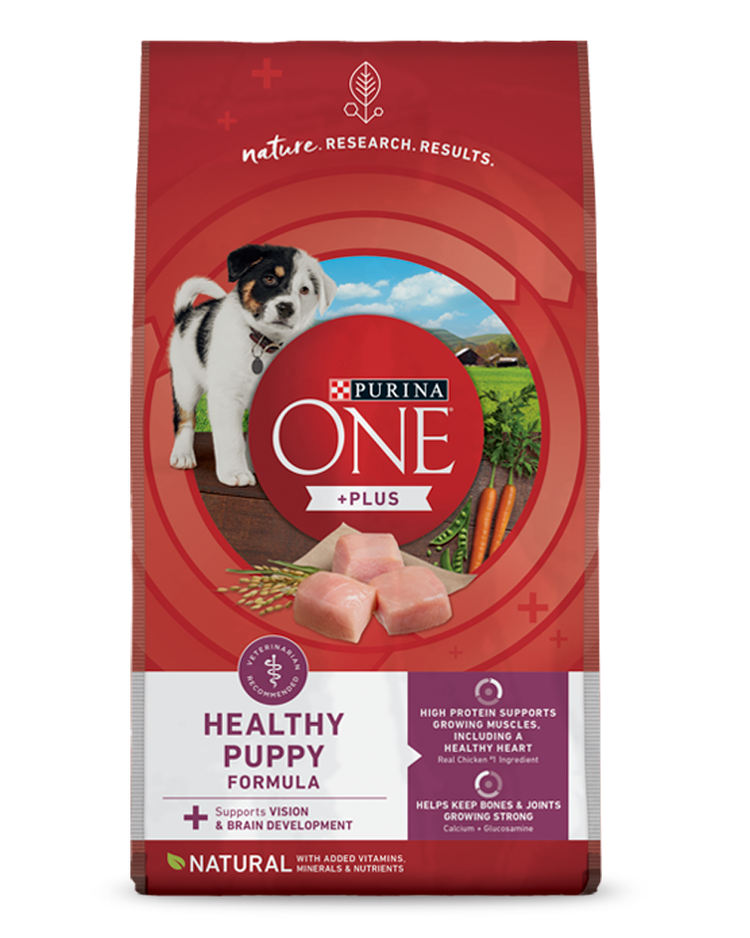
Credit: www.purina.com
Benefits Of Proper Timing
Feeding your puppy adult dog food at the right time can make a big difference in their health and happiness. Switching too early or too late might cause problems you could easily avoid. Understanding the benefits of proper timing helps you make the best decision for your furry friend.
Optimal Growth
Your puppy’s body needs specific nutrients to grow strong and healthy. Puppy food is specially designed to support rapid growth and development, with the right balance of protein, fat, and vitamins.
Switching to adult food too soon can slow their growth or leave them lacking important nutrients. On the other hand, staying on puppy food too long might add unnecessary calories, leading to weight issues.
Have you noticed how your puppy’s energy and size change week by week? Timing the switch right ensures they grow steadily without setbacks.
Digestive Health
Puppies have sensitive stomachs that adapt as they mature. Puppy food is gentler and easier to digest, which helps prevent upset stomachs and diarrhea.
Introducing adult food too early can shock their digestive system, causing discomfort or nutrient absorption problems. Proper timing allows their gut to adjust smoothly to new ingredients and textures.
Think about how you’ve seen your puppy react to new foods—avoiding digestive troubles is worth the patience.
Long-term Wellness
The right timing in feeding adult food impacts your dog’s health far beyond puppyhood. Balanced nutrition supports strong bones, healthy skin, and a shiny coat throughout their life.
Feeding adult food too late or too early can increase risks of joint issues, obesity, or nutrient deficiencies later on. Proper timing sets your dog up for a longer, happier life.
Are you ready to give your dog the best chance at lifelong health by choosing the perfect moment to switch?
Frequently Asked Questions
When Is The Best Age To Switch To Adult Dog Food?
Most puppies should switch to adult dog food between 12 and 18 months. Smaller breeds transition closer to 12 months, while larger breeds may need up to 18 months. This ensures proper nutrition for growth and maintenance.
How To Transition Puppy Food To Adult Dog Food?
Gradually mix adult food with puppy food over 7 to 10 days. Start with 25% adult food and increase to 100%. This slow change helps avoid digestive upset and allows your puppy to adjust comfortably.
Why Not Feed Adult Food To Puppies Too Early?
Adult food lacks essential nutrients required for puppy growth. Feeding it too early can lead to nutrient deficiencies, poor development, and health issues. Puppies need food specially formulated for their growth stages.
Can I Feed Adult Dog Food To Large Breed Puppies?
Large breed puppies require controlled calcium and calories in their food. Adult dog food may not meet these needs. It’s best to use large breed puppy food until growth is complete to avoid bone problems.
Conclusion
Puppies grow fast and need special food at first. Most dogs can start adult food around one year old. Watch your puppy’s size, energy, and health for signs. Change food slowly to avoid stomach problems. Good nutrition helps your dog stay strong and happy.
Always ask your vet if unsure about the right time. Feeding the right food supports a long, healthy life. Keep your puppy’s needs in mind as they grow up. This simple step helps your dog enjoy every day.