Does your dog growl or snap when you approach their food bowl? Food aggression can turn mealtime into a stressful experience for both you and your furry friend.
But don’t worry—there are simple, effective ways to help your adult dog feel safe and calm around food. You’ll discover practical steps to cure food aggression and bring peace back to your home. Keep reading to transform mealtime into a happy, relaxed moment for you and your dog.
Credit: www.embracepetinsurance.com
Causes Of Food Aggression
Food aggression in adult dogs can be puzzling and troubling. Understanding what causes this behavior is key to managing it effectively. Various factors contribute to a dog’s aggressive response during mealtime. These causes range from inherited traits to past experiences and natural instincts.
Genetic Factors
Some dogs inherit a tendency toward food aggression. Certain breeds are more prone to guarding their food. Genetics influence how a dog reacts to resources. This trait can be passed down from parent dogs. Recognizing this helps set realistic expectations for behavior change.
Past Trauma Or Neglect
Dogs that suffered neglect or abuse may develop food aggression. Scarcity of food in early life causes fear around eating. These dogs may guard food to protect themselves. The memory of hunger or competition makes them defensive. Patience and gentle training are crucial to rebuild trust.
Resource Guarding Instincts
Guarding food is a natural survival instinct in dogs. This behavior protects valuable resources from others. It can appear as growling, snapping, or stiffening near food. Dogs see their meal as something precious to defend. Understanding this instinct helps guide training approaches.
Recognizing Aggressive Behavior
Recognizing aggressive behavior in adult dogs during feeding times is crucial. It helps prevent injuries and builds a safer environment. Dogs may show aggression in subtle ways that many owners miss. Identifying these signs early can stop issues from getting worse. Understanding your dog’s behavior leads to better care and training.
Signs To Watch For
- Growling or snarling when approached at mealtime
- Snapping or biting attempts near the food bowl
- Stiff body posture or raised hackles while eating
- Guarding the food bowl aggressively
- Freezing or staring intensely at anyone nearby
- Refusing to eat if someone is close
Behavioral Patterns During Feeding
Aggressive dogs may eat quickly and tense up.
They might block others from entering the feeding area.
Some dogs growl or snap if their food is touched.
Others become defensive if their bowl is moved or taken away.
Notice if your dog changes behavior when new people or pets appear.
Repeated guarding shows a pattern that needs attention.
Creating A Safe Feeding Environment
Creating a calm space for your dog during meals helps reduce food aggression. Keep feeding areas quiet and free from distractions to build trust. Consistent routines make dogs feel safe and less protective over their food.
Creating a safe feeding environment is crucial to address dog food aggression. A peaceful setting can ease your dog’s stress, reducing aggressive behavior. Below are some important steps to ensure a calm dining experience for your furry friend.Choosing The Right Feeding Spot
Pick a quiet spot away from busy areas. The location should be free from foot traffic. This helps your dog feel secure and focused. A corner or a separate room works well. Ensure the spot has enough light and is free from clutter. Consistency in location is key to establishing routine.Minimizing Distractions And Stress
Remove loud noises and other pets during feeding time. Turn off the TV or loud music. Make sure children are not playing nearby. A calm environment helps your dog eat without anxiety. Consider using a mat to mark the feeding area. This creates a visual boundary, helping your dog understand its space.Training Techniques To Reduce Aggression
Reducing food aggression in adult dogs takes patience and the right approach. Training techniques focus on changing your dog’s emotional response to food and teaching them trust. You can help your dog feel safe and calm around their meals by using clear, consistent training strategies.
Positive Reinforcement Methods
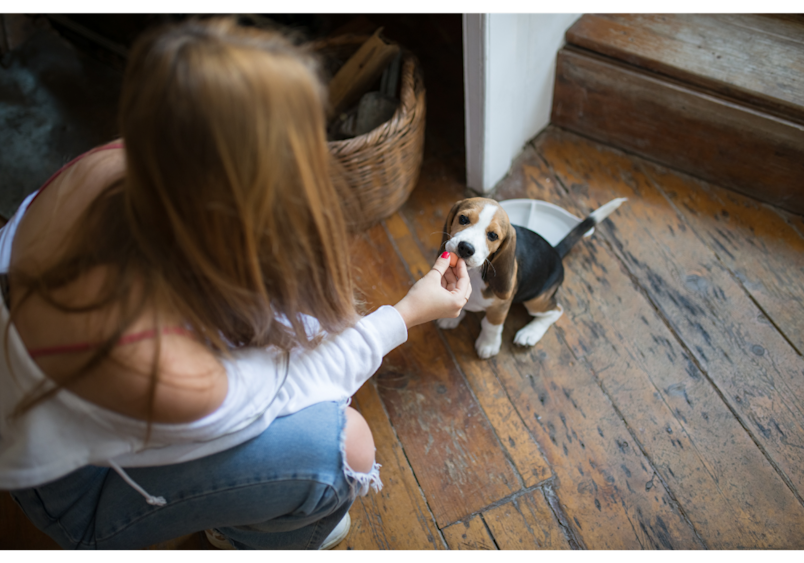
Reward your dog for calm behavior near their food. Use treats, praise, or gentle petting when they show no signs of aggression. This helps your dog associate their food area with positive experiences instead of stress.
Start by standing a few feet away while your dog eats, then toss a treat near them. Gradually decrease the distance over several sessions. Does your dog relax when you approach? If yes, reward them immediately to reinforce that calmness.
Desensitization And Counter-conditioning
Change your dog’s reaction by slowly exposing them to triggers that cause aggression. For example, if your dog growls when you come close during mealtime, begin by standing far away and gradually move closer over days or weeks.
Pair your approach with something your dog loves, like a favorite treat. This teaches your dog to expect good things instead of feeling threatened. How close can you get before your dog reacts? Work just below that level to avoid escalating aggression.
Using Commands Effectively
Teach your dog simple commands like “sit,” “stay,” or “leave it” to control their behavior around food. Practicing these commands daily builds your dog’s self-control and focus on you instead of the food.
Use a calm, firm voice and reward compliance immediately. If your dog obeys “leave it” when you approach their bowl, you’re building trust and reducing tension. What commands does your dog respond to best during stressful moments?
Managing Feeding Schedules And Portions
Managing feeding schedules and portions is key to reducing food aggression in adult dogs. Clear routines help dogs feel secure during mealtime. Predictability lowers anxiety and prevents guarding behavior.
Setting fixed meal times and controlling food amounts improves your dog’s eating habits. It teaches patience and respect for boundaries around food. This approach supports a calm environment for both you and your pet.
Consistent Meal Times
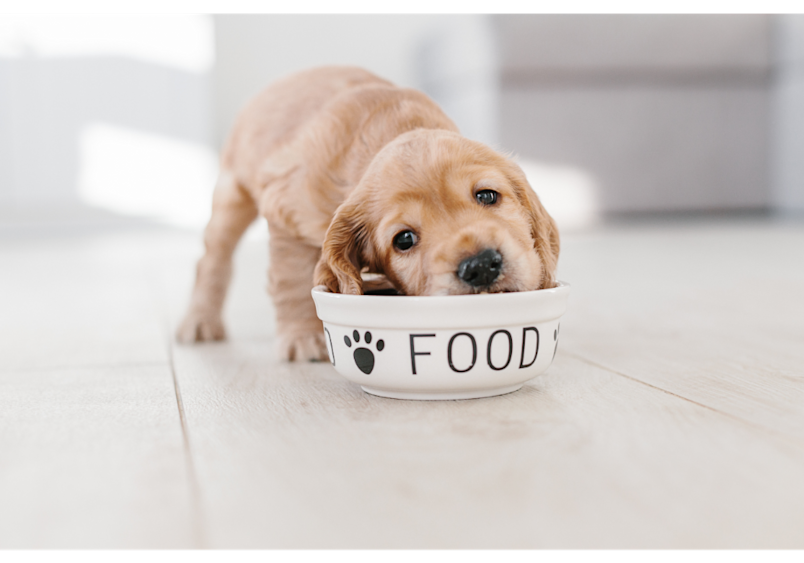
Feed your dog at the same times every day. Dogs thrive on routine, and consistent timing creates trust. Avoid leaving food out all day. This habit can increase guarding instincts.
Try to feed your dog twice a day, ideally in the morning and evening. Use a quiet, safe spot for meals. Stay nearby but avoid hovering. This teaches your dog to focus on eating, not guarding.
Portion Control Benefits
Measure your dog’s food for each meal carefully. Overfeeding can cause health issues and stress. Underfeeding may increase competition for food. Proper portions maintain a healthy weight and reduce food guarding.
- Control portions to prevent overeating.
- Use measured scoops or a kitchen scale.
- Stick to recommended amounts from your vet.
- Smaller, frequent meals can reduce anxiety.
Portion control also lets you monitor your dog’s appetite and health. Changes in eating habits can signal health problems early. Balanced feeding limits food aggression and builds good behavior.
Credit: www.embracepetinsurance.com
When To Seek Professional Help
Knowing when to seek professional help is key to managing adult dog food aggression safely. Some signs show that the problem is beyond basic training. Acting fast protects both you and your dog from harm.
Professional trainers and behaviorists have the skills to handle serious aggression. They use tested methods to change your dog’s behavior. Their guidance speeds up progress and keeps everyone safe.
Signs Aggression Is Severe
- Growling or snapping at anyone near the food bowl
- Showing teeth or lunging aggressively during feeding time
- Refusing to let family members approach while eating
- Increased intensity or frequency of aggressive acts
- Injury or near-injury incidents caused by food guarding
Severe aggression can escalate quickly. It demands expert intervention.
Choosing A Qualified Trainer Or Behaviorist
- Look for certifications from recognized animal behavior organizations
- Check experience in treating food aggression specifically
- Seek positive reviews or referrals from other dog owners
- Confirm use of reward-based, humane training methods
- Ensure clear communication and a tailored approach to your dog
A qualified professional understands your dog’s needs. They create a safe, effective plan to reduce aggression.
Preventing Future Food Aggression
Preventing future food aggression in adult dogs requires patience and consistent effort. It is easier to stop this behavior before it becomes a habit. Creating a safe and calm environment around mealtime helps your dog feel secure. This reduces anxiety and competition over food.
Early Socialization Tips
Start socializing your dog early to build trust and confidence. Introduce your dog to various people and other dogs during their puppy stage. Allow gentle, positive interactions near food bowls without forcing sharing. Use treats to reward calm behavior around food. Avoid sudden movements or loud noises during mealtime. Teach your dog to wait patiently before eating. This helps prevent guarding behaviors later on.
Maintaining Calm Feeding Routines
Keep mealtimes consistent and peaceful. Feed your dog at the same times every day. Use a quiet space where your dog feels safe. Avoid rushing or interrupting your dog while eating. Slowly approach the bowl during meals to show there is no threat. Reward calmness with soft praise or treats. Use separate bowls for multiple dogs to reduce competition. Clean feeding areas regularly to keep a healthy space.

Credit: pupford.com
Frequently Asked Questions
What Causes Adult Dog Food Aggression?
Adult dog food aggression often stems from resource guarding instincts. Stress, fear, or past trauma can also trigger this behavior. Understanding the root cause helps in managing and curing the aggression effectively.
How Can I Safely Approach A Food-aggressive Dog?
Approach calmly and avoid sudden movements near the dog’s food. Use positive reinforcement and maintain a safe distance initially. Gradually build trust by offering treats and speaking softly during feeding times.
Can Training Reduce Food Aggression In Adult Dogs?
Yes, consistent training using positive reinforcement can reduce food aggression. Teach commands like “leave it” and “stay” to control the dog’s behavior. Patience and repetition are key to success.
Should I Change My Dog’s Feeding Routine To Prevent Aggression?
Changing feeding routines can help reduce aggression. Feed your dog in a quiet, secure area and avoid interruptions during meals. Regular feeding times and controlled portions also minimize resource guarding.
Conclusion
Curing adult dog food aggression takes time and patience. Consistent training helps your dog feel safe during meals. Always reward calm behavior near food. Avoid sudden movements that may scare your dog. Creating a peaceful feeding routine reduces stress. Small steps lead to big improvements.
You can build trust and stop aggression with care. Stay calm and keep trying every day. Your dog will learn to enjoy mealtime without fear.