
Are you wondering if feeding your adult dog puppy food could harm them? It’s a question many dog owners ask but don’t always get a clear answer to.
You want what’s best for your furry friend, and knowing whether puppy food is safe or dangerous for adult dogs can make a big difference. Keep reading to discover the facts and learn how to keep your dog healthy and happy without risking their wellbeing.
This information could save you from costly mistakes and help your dog thrive every day.

Credit: wefeedraw.com
Differences Between Puppy And Adult Dog Food
Understanding the differences between puppy and adult dog food is crucial for your pet’s health. These two types of food are formulated to meet specific needs at different stages of your dog’s life. Feeding the wrong type can lead to nutritional imbalances, affecting your dog’s well-being.
Nutritional Needs At Different Life Stages
Puppies grow rapidly, so they need more calories, protein, and fat than adult dogs. Their bodies are building bones, muscles, and organs, which requires extra nutrients. Adult dogs, on the other hand, need balanced nutrition to maintain their health without gaining excess weight.
Have you noticed how your puppy seems to have endless energy? That’s because their food supports all that growth and activity. But once your dog reaches adulthood, too many calories can cause weight gain and health problems.
Key Ingredients In Puppy Food
Puppy food contains higher protein levels to support muscle development. It also includes DHA (an omega-3 fatty acid) for brain and eye growth. Additionally, puppy formulas have extra calcium and phosphorus to strengthen bones and teeth.
These ingredients work together to ensure your puppy develops properly. Missing any of these can slow growth or cause bone issues later. Have you checked if your puppy’s food lists DHA or extra minerals on the label?
What Adult Dogs Require
Adult dog food focuses on maintaining a healthy weight and supporting overall body function. It usually has fewer calories and fat but enough protein to keep muscles strong. Fiber is also added to help with digestion and keep your dog’s gut healthy.
Feeding adult dogs puppy food can lead to obesity and joint stress due to excess nutrients. Conversely, feeding puppies adult food can slow their growth or cause deficiencies. Understanding these differences helps you choose the right food at the right time for your dog’s health.
Effects Of Feeding Puppy Food To Adult Dogs
Feeding puppy food to adult dogs can affect their health in several ways. Puppy food has extra nutrients to support growth. Adult dogs have different needs, so this mismatch may cause health changes.
Short-term Impact On Health
Adult dogs eating puppy food may feel full quickly because of richer calories. They might gain weight fast due to extra fat and protein. Some dogs may have digestive upset like diarrhea or gas. Overeating can cause lethargy and discomfort in a short time.
Long-term Consequences
Long-term feeding of puppy food can lead to obesity. Excess weight strains joints and heart health. High calcium levels in puppy food may affect bone health in adults. It could cause kidney problems over time. Nutrient imbalance may reduce lifespan and lower energy.
Potential Risks And Complications
- Weight gain and obesity
- Digestive problems like upset stomach
- Joint and bone issues from excess calcium
- Kidney stress from high protein levels
- Imbalanced nutrition affecting overall health
When Puppy Food Might Be Safe For Adults
Puppy food is rich in nutrients for growing dogs but can be safe for adult dogs short-term. Using it occasionally won’t harm healthy adults but isn’t ideal long-term. Always check with a vet before switching diets.
When considering the best nutrition for your adult dog, puppy food might seem a strange choice. But there are times when it can be suitable. Puppy food is rich in calories and nutrients. It supports growth and development. Sometimes, adult dogs can benefit from this extra boost.Special Cases And Exceptions
Some adult dogs have high energy needs. Working dogs or those with high activity levels might need more calories. Puppy food can provide the necessary energy. Dogs recovering from illness or surgery might also benefit. They need extra nutrients to regain strength. Pregnant or nursing dogs have increased nutritional demands. Puppy food can supply these needs. It contains higher levels of protein and fat.Consulting Your Veterinarian
Always consult your veterinarian before changing your dog’s diet. They can assess your dog’s specific needs. Your vet will provide guidance on portion sizes and frequency. They ensure your dog receives balanced nutrition. A veterinarian can also identify any potential health risks. Not all adult dogs will benefit from puppy food. Some might have dietary restrictions. Always prioritize your dog’s health and well-being. In summary, puppy food can be safe in certain situations. Always seek professional advice for your dog’s diet.Choosing The Right Food For Your Adult Dog
Choosing the right food for your adult dog is essential for their health and happiness. Adult dogs need different nutrients than puppies. Feeding the wrong food can cause health problems or nutritional gaps. Understanding what to offer helps keep your dog active and strong.
Reading Dog Food Labels
Labels provide key information about ingredients and nutrients. Look for the guaranteed analysis section. This shows protein, fat, fiber, and moisture levels. Check the ingredient list for quality sources like real meat or fish. Avoid foods with too many fillers or artificial additives. Labels also reveal if the food meets AAFCO standards for adult dogs.
Balancing Nutrients For Optimal Health
Adult dogs need a balance of proteins, fats, and carbohydrates. Protein supports muscles and energy. Fats help with brain function and coat health. Carbohydrates provide fuel but should not be the main ingredient. Vitamins and minerals keep bones and organs strong. A well-balanced diet supports digestion and immune system.
Common Mistakes To Avoid
- Feeding puppy food to adult dogs regularly.
- Ignoring calorie needs, leading to weight gain or loss.
- Choosing foods with low-quality ingredients.
- Switching foods too quickly, causing stomach upset.
- Not consulting a vet for special health needs.
Signs Your Dog Is Not Thriving On Puppy Food
Feeding your adult dog puppy food might seem harmless, but it can lead to subtle problems that affect their health and happiness. Recognizing the signs that your dog isn’t thriving on puppy food helps you make timely changes. Watch closely for changes in behavior, physical symptoms, and shifts in weight and energy.
Behavioral Changes
Has your dog become unusually irritable or lethargic? Changes like increased restlessness, excessive whining, or a lack of interest in play can signal discomfort or nutritional imbalance. These behaviors often indicate that their current diet isn’t meeting their adult needs.
Pay attention if your dog seems more anxious or less responsive. Sometimes, diet affects mood and focus more than you might expect. Your dog’s behavior can be a direct reflection of how well their food supports their overall well-being.
Physical Symptoms
Look for physical signs such as dull coat, dry skin, or unusual shedding. These symptoms can point to nutritional deficiencies caused by inappropriate food. Puppy food often contains higher fat and calorie levels, which might upset digestion or cause gastrointestinal issues in adult dogs.
Other symptoms like frequent diarrhea, vomiting, or changes in stool consistency are red flags. If you notice these, it’s time to reconsider what’s in your dog’s bowl. Your dog’s body is telling you that the food isn’t right.
Monitoring Weight And Energy Levels
Is your dog gaining weight too quickly or losing it unexpectedly? Puppy food is designed for growth and can lead to unwanted weight gain in adults, raising risks of joint problems and other health issues. On the flip side, if your dog seems unusually tired or weak, they might not be getting enough nutrients.
Track your dog’s weight regularly and watch how they behave throughout the day. Energy dips or spikes can reveal whether their diet matches their activity needs. Are you confident that your dog’s food supports a healthy, balanced lifestyle?
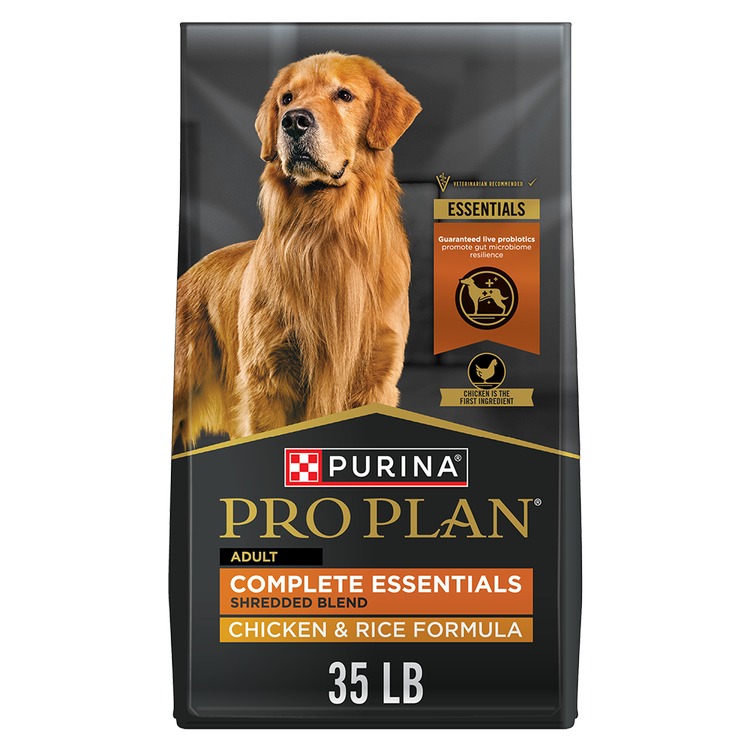
Credit: www.purina.com
Transitioning Between Puppy And Adult Dog Food
Switching from puppy food to adult dog food is a key step in your dog’s growth. Puppy food has nutrients for rapid growth and development. Adult dog food supports maintenance and overall health. Making this change at the right time and in the right way is important. A sudden switch can upset your dog’s digestion and appetite. Careful planning helps your dog adjust smoothly and stay healthy.
When To Switch
Most dogs need to switch to adult food between 9 and 12 months. Larger breeds may need more time, sometimes up to 18 months. Check your dog’s breed size and growth pace. Consult your vet to find the best time to switch. Watch for signs your puppy is growing slower or less active. These signs may mean it’s time to move to adult food.
How To Make The Change Smooth
Mix puppy and adult food gradually over 7 to 10 days. Start with mostly puppy food and a small amount of adult food. Increase the adult food portion each day. Decrease the puppy food at the same time. This slow change helps your dog’s stomach adjust. Keep fresh water available during the transition.
- Day 1-3: 75% puppy food, 25% adult food
- Day 4-6: 50% puppy food, 50% adult food
- Day 7-9: 25% puppy food, 75% adult food
- Day 10: 100% adult food
Avoiding Digestive Upsets
Sudden food changes can cause diarrhea, vomiting, or loss of appetite. Watch your dog for signs of upset during the switch. Feed smaller meals more often to reduce stress on digestion. Avoid giving treats or table scraps during the transition. Keep the feeding area clean and calm. Contact your vet if digestive problems last more than a few days.
Credit: wefeedraw.com
Frequently Asked Questions
Can Adult Dogs Eat Puppy Food Safely?
Adult dogs can eat puppy food occasionally. However, it lacks balanced nutrients for adult needs and may cause weight gain or digestive issues.
What Risks Come From Feeding Puppy Food To Adults?
Feeding puppy food long-term may lead to obesity, nutrient imbalance, and digestive upset in adult dogs.
How To Transition Adult Dogs From Puppy Food?
Gradually mix adult food with puppy food over 7-10 days. Monitor your dog’s health during the switch.
Is Puppy Food More Nutritious Than Adult Dog Food?
Puppy food has higher calories and protein to support growth. Adult food is tailored for maintenance and overall health.
Conclusion
Feeding puppy food to an adult dog is not ideal. Adult dogs need different nutrients for their size and energy. Puppy food has more calories and fat, which can cause weight gain. Over time, this can lead to health problems.
Choose food made for your dog’s current age and needs. Always check with your vet for the best advice. Healthy eating keeps your dog happy and active. A good diet supports a long, strong life. Don’t risk your dog’s health with the wrong food.