
Are you wondering if your dog’s diet is truly complete without grains? You might have heard about grain free diets for dogs, but do you know what important nutrients could be missing when grains are left out?
Understanding what a grain free diet might lack is key to keeping your furry friend healthy and full of energy. You’ll discover the hidden gaps that could be sneaking into your dog’s meals and how to make sure they get everything they need.
Keep reading to find out what’s missing and how to fill those nutritional holes for your dog’s best life.
Grain Free Diet Basics
A grain free diet for dogs excludes certain grains often found in traditional dog food. This diet focuses on providing nutrition without the common grains that some dogs may not digest well. Understanding the basics helps pet owners make informed decisions about their dog’s health and diet.
What Grain Free Means
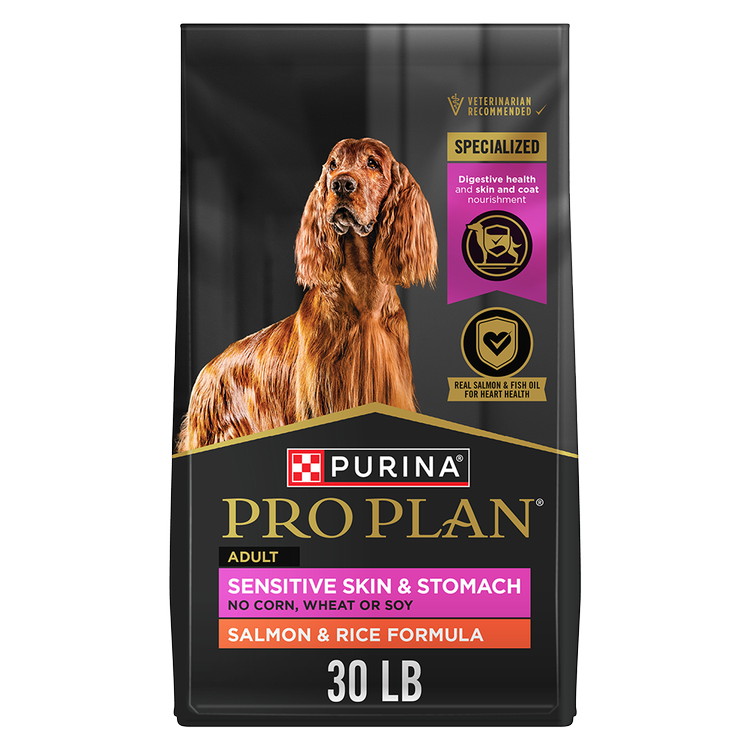
Grain free means dog food does not contain grains like wheat, corn, or rice. Instead, it uses other ingredients like vegetables, fruits, and proteins. This diet aims to avoid grains that can cause allergies or digestion problems in some dogs.
Common Grains Excluded
- Wheat
- Corn
- Rice
- Barley
- Oats
- Sorghum
These grains are often removed because they can cause sensitivity or allergic reactions in certain dogs.
Reasons For Choosing Grain Free
- Helps dogs with grain allergies or intolerances
- May improve digestion and reduce stomach upset
- Supports dogs with skin problems linked to grains
- Offers an alternative for dogs with specific dietary needs
Choosing grain free can help dogs who show signs of discomfort from grain ingredients.
Credit: www.purina.com
Essential Nutrients For Dogs
Essential nutrients keep dogs healthy and active. A grain free diet must still provide all key nutrients dogs need daily. These nutrients help build strong muscles, support the immune system, and maintain healthy skin and coat.
Proteins And Amino Acids
Proteins are vital for growth and repair of body tissues. Dogs need high-quality protein sources such as meat, fish, and eggs. Amino acids, the building blocks of protein, support muscle health and immune function. A grain free diet should include sufficient protein to meet these needs.
Fats And Fatty Acids
Fats provide energy and help absorb vitamins. Essential fatty acids like omega-3 and omega-6 keep the skin and coat shiny. They also reduce inflammation and support brain function. Good fat sources include fish oil, flaxseed, and chicken fat.
Vitamins And Minerals
Vitamins and minerals help the body work properly. They support bone health, nerve function, and blood circulation. Important vitamins include A, D, E, and B-complex. Key minerals are calcium, phosphorus, and zinc. A balanced grain free diet should have a mix of these nutrients.
Carbohydrates And Fiber
Carbohydrates provide energy for daily activities. Fiber aids digestion and keeps the gut healthy. Grain free diets use vegetables, fruits, and legumes as carbohydrate sources. These also add important vitamins and antioxidants to the diet.
Nutrients Often Missing In Grain Free Diets
Choosing a grain free diet for your dog can seem like a healthier option, but it often comes with hidden nutritional gaps. Without grains, some essential nutrients may be lacking, which can affect your dog’s overall health. Understanding what might be missing helps you make better choices and keep your furry friend well-nourished.
Sources Of Carbohydrates
Grains provide a major source of carbohydrates, giving dogs energy to stay active. Removing grains means your dog’s diet needs alternative carbohydrate sources like sweet potatoes, peas, or lentils.
However, these substitutes may not digest the same way or provide the exact nutrients grains do. Are you paying attention to where your dog’s carbs are coming from?
Important Vitamins At Risk
Grains are rich in B vitamins like niacin, thiamine, and riboflavin. These vitamins help with energy production and brain function.
Grain free diets sometimes lack these vitamins unless they are specifically added in. Without them, your dog might feel tired or have trouble concentrating during training sessions.
Mineral Deficiencies
Grains often provide minerals such as iron, magnesium, and selenium. These support muscle function, immune health, and antioxidant defense.
When grains are removed, the diet might not supply enough of these minerals unless balanced carefully. Have you checked if your dog’s food compensates for these missing minerals?
Impact On Fiber Intake
Fiber is vital for healthy digestion and regular bowel movements. Grains are a good source of dietary fiber that supports gut health.
Grain free diets rely on fiber from vegetables and legumes, which can vary in amount and type. Too little fiber can lead to digestive issues, so monitoring your dog’s stool and digestion is important.
Health Implications Of Missing Nutrients
Choosing a grain-free diet for your dog might sound appealing, especially with the current trend towards grain-free foods for humans. However, it’s essential to understand the health implications of missing nutrients in such diets. While grain-free options can benefit some dogs, they may lead to various health concerns if not balanced correctly. Let’s delve into the potential issues that might arise from missing nutrients in a grain-free diet.
Digestive Issues
Grains are a primary source of fiber, which is crucial for healthy digestion. Without sufficient fiber, your dog may experience constipation or irregular bowel movements. If your dog seems to struggle during bathroom breaks, it might be time to re-evaluate their diet.
Skin And Coat Problems
Omega-3 and omega-6 fatty acids, often found in grains, are vital for maintaining healthy skin and a shiny coat. A lack of these nutrients can lead to dry, itchy skin and a dull coat. Have you noticed your dog scratching more than usual or their coat looking less vibrant?
Energy And Weight Concerns
Grains provide carbohydrates, which are a primary energy source. Without enough carbs, your dog may feel lethargic and less playful. Additionally, an imbalance in energy intake can lead to unwanted weight gain or loss, affecting your dog’s overall well-being.
Immune System Effects
Vitamins and minerals in grains support a robust immune system. If your dog’s diet lacks these nutrients, they may become more susceptible to infections and illnesses. Regular vet check-ups can help identify if your dog’s diet is impacting their immune health.
Does your dog’s diet include the necessary nutrients for a balanced lifestyle? Keeping an eye on these health aspects can ensure your furry friend stays happy and healthy, even on a grain-free diet.
Balancing Grain Free Diets
Balancing a grain free diet for dogs requires careful planning. Removing grains means other nutrients must fill the gap. Dogs still need a mix of proteins, fats, vitamins, and minerals. Ensuring these elements come from good sources keeps dogs healthy and happy. This balance supports energy, digestion, and overall well-being.
Alternative Nutrient Sources
Grain free diets use other ingredients to replace grains. Common options include sweet potatoes, peas, and lentils. These provide carbohydrates and fiber for energy and digestion. Protein often comes from meat, fish, or eggs. Healthy fats come from sources like fish oil or flaxseed. These alternatives must meet your dog’s nutritional needs.
Supplements And Additives
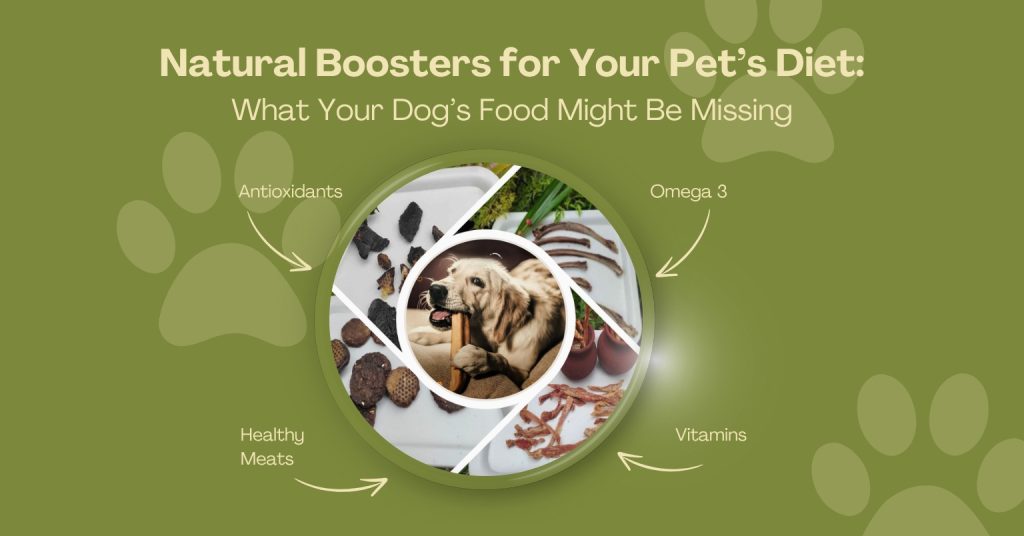
Sometimes, grain free diets may lack certain nutrients. Supplements help fill these gaps. Common supplements include omega-3 fatty acids, vitamins, and minerals. Adding probiotics supports healthy digestion. Antioxidants help protect cells from damage. Always check if your dog’s diet needs extra nutrients.
Consulting With A Veterinarian
A vet can guide you in balancing your dog’s diet. They can recommend tests to check for deficiencies. Vets suggest the best food choices and supplements. Regular check-ups monitor your dog’s health on a grain free diet. Their advice helps avoid nutritional problems and keeps your dog thriving.

Credit: kohapet.com
Choosing The Right Grain Free Food
Choosing the right grain free food for your dog can feel overwhelming. There are many options, but not all are created equal. Understanding what to look for helps you pick a food that truly benefits your furry friend’s health and happiness.
Reading Ingredient Labels
Start by carefully reading the ingredient list on the packaging. Look for whole proteins like chicken, beef, or fish listed as the first ingredient. Avoid foods that replace grains with fillers like potatoes or peas, which some dogs may not tolerate well.
Check for added vitamins and minerals to ensure a balanced diet. Be cautious of vague terms like “meat meal” without specifying the source. Would you feed your dog something you can’t clearly identify?
Reputable Grain Free Brands
Not all grain free brands offer the same quality. Research brands that have a solid reputation for transparency and rigorous testing. Many pet owners share their experiences online—reading reviews can reveal how well a food worked for dogs with similar needs.
Brands that partner with veterinary nutritionists often provide more reliable formulas. Some even publish ingredient sourcing and recall history, which shows accountability. How important is trust in the brand you choose for your dog’s nutrition?
Customizing Home-cooked Meals
Preparing grain free meals at home lets you control every ingredient. You can tailor meals to your dog’s preferences and sensitivities. Include lean meats, vegetables like carrots or green beans, and supplements recommended by your vet.
Keep in mind that balance is key—too much or too little of certain nutrients can cause health issues. Consulting a veterinary nutritionist before switching to homemade food can save you from costly mistakes. Have you considered how much time and effort you can realistically commit to home cooking for your dog?

Credit: kohapet.com
Frequently Asked Questions
What Is A Grain Free Diet For Dogs Missing?
A grain free diet for dogs excludes grains like wheat, corn, and rice. It replaces them with vegetables, fruits, and proteins, aiming to reduce allergies and digestive issues.
Are Grains Necessary In A Dog’s Diet?
Grains provide energy, fiber, and nutrients. However, some dogs may benefit from grain free diets due to allergies or sensitivities to certain grains.
Can Dogs Get Enough Nutrients Without Grains?
Yes, dogs can get essential nutrients from meat, vegetables, and supplements. A balanced grain free diet can meet all their dietary needs.
What Are Common Grains Excluded In Grain Free Dog Food?
Commonly excluded grains include wheat, corn, barley, oats, and rice. These are replaced by alternative carbohydrates like sweet potatoes or peas.
Conclusion
A grain free diet for dogs may miss important nutrients like fiber and carbohydrates. These help keep your dog’s digestion healthy and energy levels steady. Some dogs need grains to avoid allergies or stomach problems. Always check with your vet before changing your dog’s food.
Balance is key for your dog’s health and happiness. Understanding what grain free diets lack helps you make smarter choices. Your dog deserves the best nutrition for a long, happy life.