
Have you ever wondered if your dog’s diet is truly the best for their health? Choosing the right food can be confusing, especially with so many options out there.
A grain free diet for dogs is gaining attention for good reasons. It could be the key to better digestion, shinier coats, and more energy for your furry friend. If you want to learn why this diet might be the perfect fit for your dog, keep reading.
You’ll discover simple facts that could change the way you feed your pet forever.

Credit: www.vetsupply.com.au
Grain Free Diet Basics
Understanding the basics of a grain free diet for dogs is key before making any changes to your pet’s nutrition. This type of diet removes common grains from your dog’s meals and replaces them with other nutrient-rich ingredients. Knowing what’s involved can help you decide if it fits your dog’s needs and lifestyle.
What Is A Grain Free Diet?
A grain free diet means feeding your dog food that does not contain any grains like wheat, corn, or rice. Instead, it focuses on proteins, vegetables, and other carbohydrate sources that don’t come from grains. Many pet owners choose this diet to avoid potential allergies or digestive issues linked to grains.
Have you noticed your dog scratching more or having stomach troubles? Sometimes, grain ingredients can be the hidden cause. Grain free diets aim to reduce these problems by eliminating common grain allergens.
Common Grains Avoided
Grain free dog foods exclude several types of grains that are commonly found in traditional dog food. These include:
- Wheat
- Corn
- Rice
- Barley
- Oats
- Rye
Each of these grains can sometimes cause sensitivity in dogs. By avoiding them, you might help your dog digest food more comfortably and reduce allergic reactions.
Typical Ingredients In Grain Free Foods
Grain free dog foods replace grains with alternative ingredients that provide energy and nutrition. Common ingredients include:
- Potatoes and sweet potatoes
- Peas and lentils
- Chickpeas
- Various vegetables like carrots and spinach
- High-quality meats such as chicken, beef, or fish
These ingredients offer fiber, vitamins, and minerals without relying on grains. Have you checked what’s inside your dog’s food lately? Understanding ingredients helps you pick the best option for your dog’s health.

Credit: www.lilyskitchen.co.uk
Health Benefits For Dogs
A grain free diet can offer several health benefits for dogs. Many dogs show better overall wellness after switching to grain free food. The diet focuses on proteins and natural ingredients, which match a dog’s natural eating habits. This helps support a healthier body and mind for your pet.
Improved Digestion
Grains can be hard for some dogs to digest. A grain free diet uses ingredients that are easier on the stomach. This can reduce digestive issues like gas, bloating, and diarrhea. Better digestion means your dog absorbs more nutrients from their food. This leads to higher energy and better health.
Reduced Allergies And Sensitivities
Many dogs are sensitive or allergic to grains. Symptoms include itching, ear infections, and upset stomach. Grain free food eliminates these common triggers. This helps reduce allergic reactions and improves your dog’s comfort. Sensitive dogs often feel much better on a grain free diet.
Better Skin And Coat Health
A grain free diet supports healthy skin and a shiny coat. It often contains more omega fatty acids and proteins. These nutrients help reduce dryness and irritation. Dogs on grain free diets usually have softer fur and less scratching. Healthy skin means your dog looks and feels great every day.
Weight Management
Weight management is crucial for the health of dogs. A grain-free diet can be an effective way to help manage your dog’s weight. This type of diet often contains higher protein and lower carbohydrate levels. This can help in maintaining an ideal weight.
Lower Carbohydrate Content
Grain-free diets usually have fewer carbohydrates. Lower carbs mean less sugar in your dog’s diet. This helps prevent weight gain. Dogs don’t need high amounts of carbohydrates. Their energy comes mainly from proteins and fats. A diet low in carbs helps maintain a healthy weight.
Enhanced Energy Levels
Dogs on a grain-free diet often have more energy. They get energy from proteins and healthy fats. This can lead to a more active lifestyle. Active dogs are less likely to become overweight. More energy means more playtime and exercise. This helps keep your dog fit and healthy.
Common Misconceptions
Many dog owners hear about grain free diets and immediately think it’s the best or only way to feed their pets. However, there are several misconceptions floating around that can confuse you. Understanding these myths can help you make smarter choices for your dog’s health.
Grain Free Vs. Gluten Free
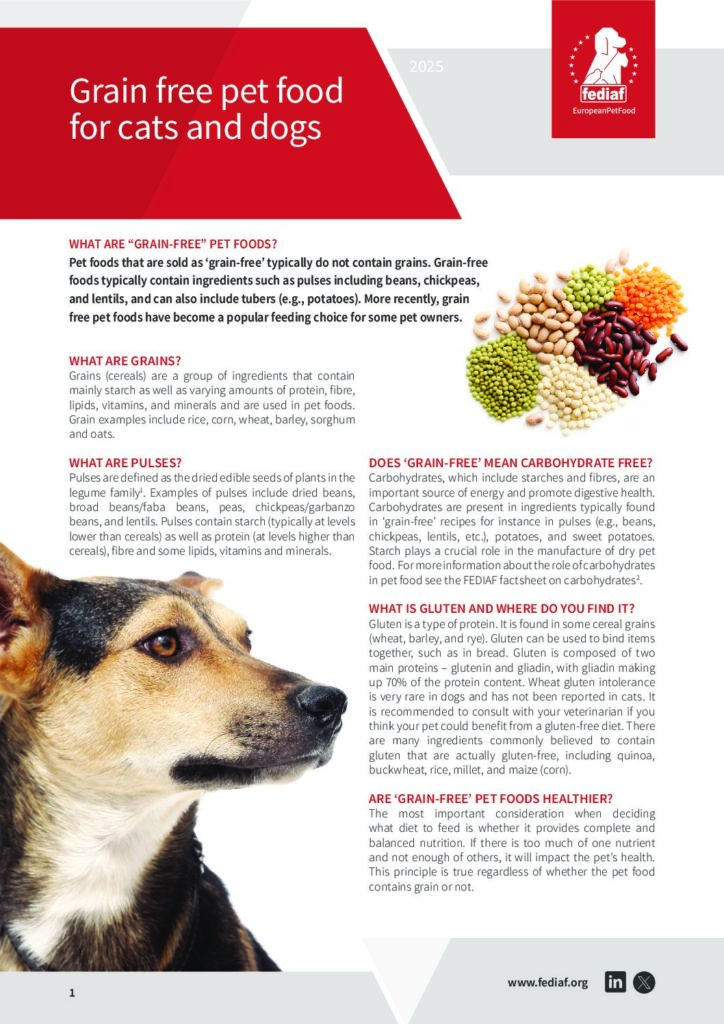
People often mix up grain free with gluten free, but they aren’t the same. Grain free means no grains like corn, wheat, or rice, while gluten free targets the protein found in some grains like wheat and barley.
If your dog has a gluten allergy, gluten free food is what matters—not necessarily grain free. On the other hand, some dogs may tolerate grains but have issues with gluten. Ask yourself: is your dog sensitive to grains in general, or specifically to gluten?
Concerns About Nutritional Balance
Another common worry is that grain free diets might lack essential nutrients. This can be true if the diet isn’t well planned. Grains do provide fiber, vitamins, and minerals, so removing them means these nutrients must come from other sources.
I switched my dog to a grain free diet once, but I made sure the food included alternative fiber sources like sweet potatoes and peas. Your dog’s food should be balanced with protein, fats, and carbohydrates, no matter what the source is. Have you checked your dog’s food label to see what replaces the grains?
Choosing The Right Grain Free Food
Choosing the right grain free food for your dog needs care and attention. Not every grain free product fits every dog. Understanding the ingredients and your dog’s needs helps make the best choice. A good diet supports health, energy, and happiness.
Reading Ingredient Labels
Ingredient labels reveal what your dog will eat. Look for whole foods like real meat or fish listed first. Avoid foods with fillers such as corn or wheat. Check for artificial colors, flavors, and preservatives. Simple, natural ingredients often mean better nutrition.
- First ingredient: should be a protein source
- Avoid: soy, corn, wheat, and by-products
- Look for: fruits, vegetables, and healthy fats
- Check for allergens your dog might have
Tailoring Diet To Your Dog’s Needs
Every dog is unique. Age, size, breed, and health affect dietary needs. Puppies need more calories and nutrients. Older dogs may need fewer calories but more joint support. Active dogs burn more energy and need richer food.
Consult your vet to find the best diet plan. Watch your dog’s response to new food. Adjust portions and ingredients as needed. Grain free does not mean low quality. Choose formulas made for your dog’s life stage and health.
Credit: europeanpetfood.org
Potential Risks And Considerations
Switching your dog to a grain free diet might seem like a smart move, but it’s important to look at the potential risks and considerations before making the change. Not all grain free diets are created equal, and missing certain nutrients can lead to health problems over time. Understanding these risks helps you make the best choice for your dog’s well-being.
Possible Nutrient Deficiencies
Grains provide essential nutrients like fiber, vitamins, and minerals that support your dog’s digestion and overall health. Removing grains without proper substitutes can cause nutrient gaps, especially in fiber and certain B vitamins.
Some grain free foods rely heavily on legumes or potatoes, which might not offer a balanced nutrient profile. This can lead to issues such as poor digestion, skin problems, or even heart conditions like dilated cardiomyopathy (DCM) in some cases.
Have you checked if your dog’s food includes alternative sources of fiber and essential nutrients? It’s crucial to ensure the diet is complete and balanced, not just grain free.
Consulting Your Veterinarian
Before changing your dog’s diet, talk to your vet about their specific needs and health history. Your vet can recommend tests or suggest the best grain free options that meet your dog’s nutritional requirements.
I once switched my dog to a grain free diet without consulting a vet and noticed a drop in energy. A quick vet visit revealed a nutrient imbalance that was easy to fix with a better-formulated food.
Would you want to risk your dog’s health on a diet that isn’t tailored to them? Your vet’s guidance can save you from costly mistakes and keep your dog happy and healthy.
Frequently Asked Questions
What Is A Grain Free Diet For Dogs?
A grain free diet excludes wheat, corn, and rice from dog food. It focuses on proteins and vegetables. This diet helps dogs with allergies or digestive issues. It promotes better nutrient absorption and healthier skin and coat.
Why Choose Grain Free Food For Dogs?
Grain free food reduces allergy risks linked to grains. It supports sensitive stomachs and improves digestion. This diet can enhance energy levels and overall health. Many dogs show fewer skin irritations and better coat condition.
Are Grain Free Diets Safe For All Dogs?
Grain free diets are safe for most dogs. However, consult a vet if your dog has heart issues. Proper balanced nutrients are essential to prevent deficiencies. Always choose high-quality grain free products for best results.
Can Grain Free Diets Prevent Dog Allergies?
Yes, grain free diets can reduce food allergies in dogs. Grains often cause skin and digestive reactions. Removing grains helps identify other allergens. This diet improves comfort and reduces itching and inflammation.
Conclusion
Choosing a grain-free diet can help dogs with allergies and digestion. Many dogs feel better and have more energy on this diet. It focuses on natural ingredients that suit a dog’s needs. Always watch your dog’s health and talk to your vet first.
This diet is not for every dog, but it can be a good choice. Grain-free food supports a happy, healthy life for many dogs. Simple changes can make a big difference in your dog’s well-being.