
Are you wondering if it’s okay to feed your adult dog puppy food? You’re not alone.
Many dog owners face this question and want to make sure their furry friend gets the best nutrition. Feeding the wrong food can affect your dog’s health, energy, and overall happiness. But is puppy food really suitable for your adult dog, or could it cause more harm than good?
Keep reading to find out what you need to know before making this important decision for your pet.
Differences Between Puppy And Adult Dog Food
Understanding the differences between puppy and adult dog food is essential before deciding whether you can feed puppy food to an adult dog. These differences go beyond just size or taste—they reflect the changing nutritional needs as your dog grows. Feeding your adult dog the right type of food ensures they stay healthy, active, and happy throughout their life.
Nutritional Needs Of Puppies
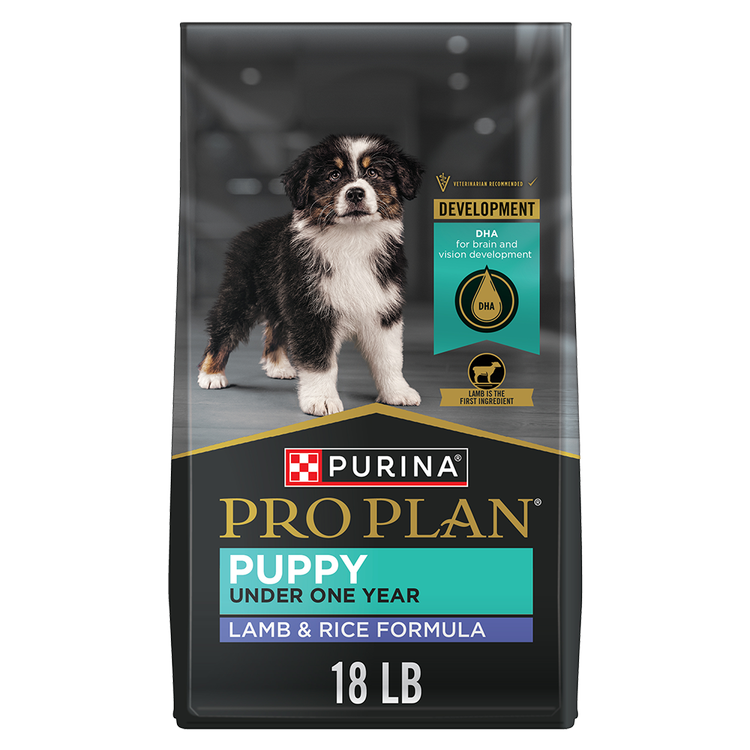
Puppies require a diet rich in calories to support their rapid growth and development. Their food contains higher levels of protein and fat to build strong muscles and provide energy. Essential nutrients like DHA help with brain and eye development during this critical stage.
Because puppies are growing quickly, their food is also fortified with vitamins and minerals to strengthen bones and immune systems. Feeding them adult dog food could leave gaps in these vital nutrients, potentially affecting their growth.
Nutritional Needs Of Adult Dogs
Adult dogs need fewer calories and fat compared to puppies, as their growth has stabilized. Their food focuses more on maintaining weight, muscle tone, and overall health. Fiber content is usually higher to support healthy digestion and regular bowel movements.
Adult dog food often includes ingredients that promote joint health and prevent obesity, which become more important as dogs age. Feeding your adult dog puppy food regularly might cause excessive weight gain due to the higher calorie content.
Key Ingredient Variations
| Ingredient | Puppy Food | Adult Dog Food |
|---|---|---|
| Protein | Higher levels for muscle growth | Moderate levels for maintenance |
| Fat | Higher for energy and development | Lower to avoid excess weight |
| Calcium & Phosphorus | Increased for bone growth | Balanced for bone maintenance |
| DHA | Added for brain and eye development | Usually not included |
Have you ever noticed your adult dog gaining weight after switching to puppy food? That’s often because of these ingredient differences. Knowing what your dog needs helps you make the best food choices for their stage of life.

Credit: us.eukanuba.com
Potential Benefits Of Feeding Puppy Food To Adult Dogs
Feeding puppy food to an adult dog might sound unusual, but there are specific situations where it can actually be beneficial. Puppy food is specially designed to support growth, energy, and recovery, which sometimes matches the needs of adult dogs better than you might expect. Understanding these benefits can help you decide if this option fits your dog’s lifestyle and health.
Higher Calorie Content For Active Dogs
Puppy food typically contains more calories than adult dog food. If your adult dog is extremely active—like a working dog, agility competitor, or just naturally energetic—they may need extra fuel to keep up with their energy demands.
Have you noticed your dog getting tired quickly or losing weight despite regular feeding? Puppy food’s higher calorie content can help maintain their weight and stamina during intense activity phases.
Enhanced Nutrient Density
Puppy food is packed with higher levels of essential nutrients like protein, fat, vitamins, and minerals. This nutrient density supports overall health and muscle maintenance better than some adult formulas.
If your dog’s diet lacks variety or they have trouble absorbing nutrients, the enriched formula of puppy food can provide a nutritional boost. Could this be a simple solution to improve your dog’s coat, energy, or immune system?
Support For Growth Or Recovery
Adult dogs recovering from illness, surgery, or injury often need extra nutrition to heal properly. Puppy food’s formulation is designed to support tissue repair and immune function, making it a good temporary option.
Similarly, senior dogs experiencing muscle loss or weight decline might benefit from the growth-focused nutrients in puppy food. Have you considered adjusting your dog’s diet during recovery to speed up healing and regain strength?
Risks Of Feeding Puppy Food To Adult Dogs
Feeding puppy food to adult dogs can cause weight gain and upset stomachs. Adult dogs need fewer calories and different nutrients than puppies. Over time, this diet may lead to health problems.
Feeding puppy food to an adult dog might seem harmless, but there are several risks that could affect your dog’s health. Puppy food is specifically formulated to meet the nutritional needs of growing dogs. Adult dogs have different dietary requirements, and feeding them puppy food can lead to various health issues. Let’s explore the risks associated with feeding puppy food to adult dogs.Weight Gain And Obesity
Puppy food is higher in calories to support growth and development. Feeding it to an adult dog could lead to excessive weight gain. Imagine your dog struggling to play fetch or go for a walk because of unnecessary weight. Excessive weight can lead to obesity, a condition that can shorten your dog’s lifespan. Regularly monitor your dog’s weight to ensure they stay within a healthy range.Nutrient Imbalances
Puppy food contains more protein and fat than adult dog food. While this is great for puppies, it can be too much for adult dogs. Overconsumption of these nutrients can strain the liver and kidneys. An imbalance in nutrients might also lead to deficiencies in other areas. Adult dogs need a balanced diet that meets their specific life stage requirements.Digestive Issues
Adult dogs can have a harder time digesting the rich ingredients in puppy food. This may result in digestive problems such as diarrhea or an upset stomach. Switching back to adult dog food may alleviate these symptoms. Always observe your dog’s digestion and adjust their diet as needed. Have you noticed any of these issues in your adult dog? Understanding the risks can help you make more informed decisions about your pet’s diet. Keep your furry friend’s health in check by providing food that suits their age and lifestyle.When Feeding Puppy Food To Adult Dogs Might Be Appropriate
Adult dogs usually need different nutrients than puppies. Puppy food is richer in calories, fats, and protein. This extra nutrition supports growth but might be too much for most adult dogs. Still, some adult dogs need extra energy and nutrients. Feeding puppy food can help in special cases. It can support their health and activity levels during demanding times.
During Pregnancy Or Lactation
Pregnant or nursing dogs require more calories and nutrients. Puppy food provides the extra energy needed for these stages. It supports milk production and puppy growth. Feeding puppy food helps the mother stay healthy and strong. It ensures puppies get enough nutrition through her milk.
For Highly Active Or Working Dogs
Dogs with high activity levels burn more calories daily. Working dogs need more protein and fat to maintain energy. Puppy food can meet these higher nutritional demands. It helps keep muscles strong and energy levels up. This food supports endurance during long work or play sessions.
Recovery From Illness Or Surgery
Dogs healing from illness or surgery need extra nutrients. Puppy food offers more calories and protein to aid recovery. It supports tissue repair and boosts the immune system. Feeding puppy food can speed up healing and improve strength. It helps dogs regain health faster.
Tips For Transitioning Between Puppy And Adult Dog Food
Switching your dog from puppy food to adult food takes care and attention. This change affects your dog’s digestion, energy, and overall health. A smooth transition helps your dog adjust without stomach problems or loss of appetite. Follow simple tips to make the process easy and safe.
Gradual Introduction
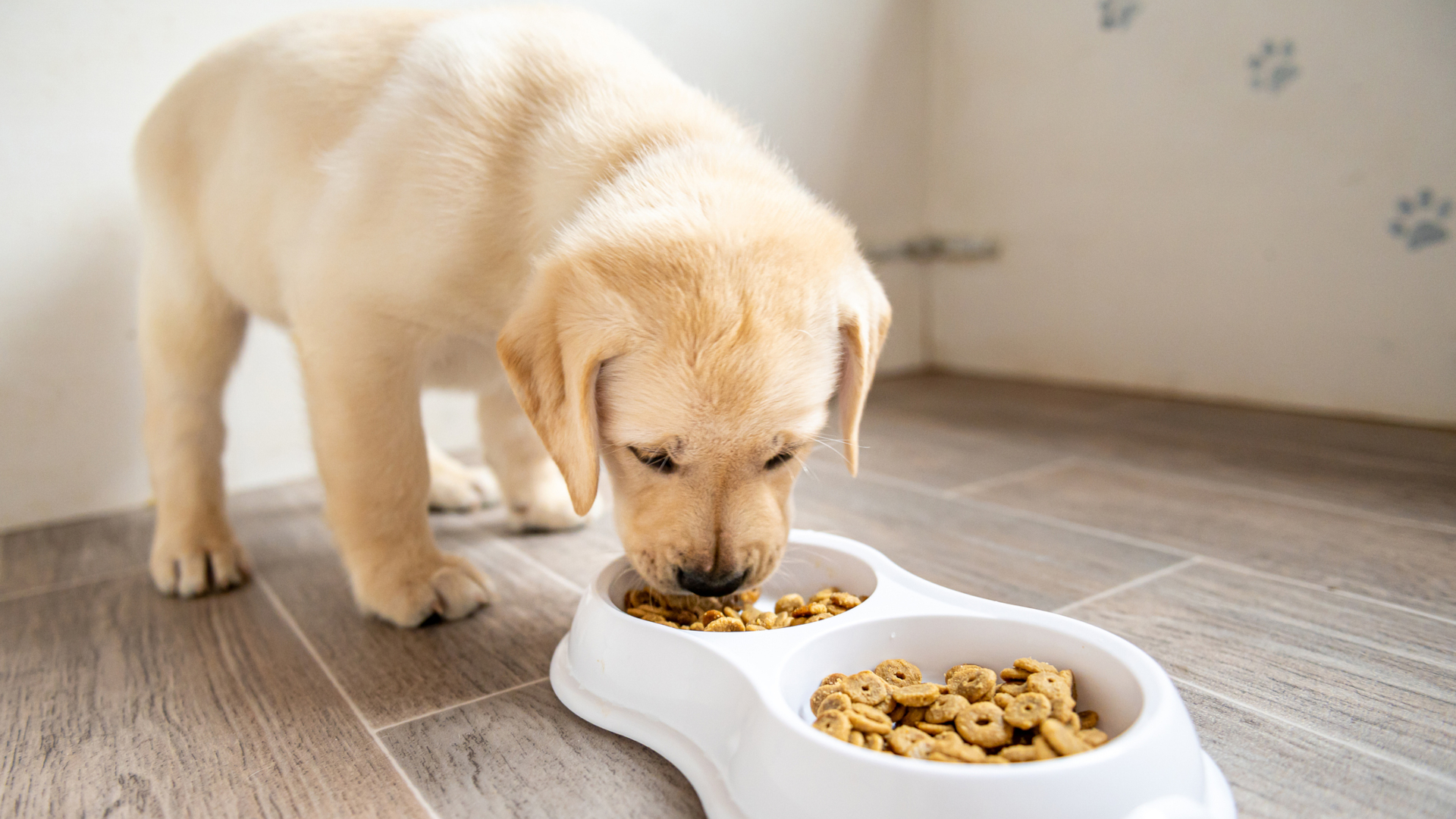
Start by mixing a small amount of adult food with puppy food. Increase the adult food portion slowly over 7 to 10 days. This slow change helps your dog’s stomach adapt. Watch for any signs of upset, like vomiting or diarrhea. If these happen, slow down the transition.
Monitoring Weight And Health
Check your dog’s weight regularly during the switch. Puppy food is richer in calories, so adult food may cause weight loss if given abruptly. Look for changes in energy, coat quality, and stool consistency. Adjust the food amount based on your dog’s condition. Keep a healthy weight to avoid future health problems.
Consulting Your Veterinarian
Your vet knows your dog’s health best. Ask for advice before changing foods. The vet can suggest the right adult food type and feeding amount. Regular check-ups will track your dog’s progress. Veterinary guidance ensures your dog stays healthy through the transition.
Credit: www.petsradar.com
Alternative Diet Options For Adult Dogs
Choosing the right diet for your adult dog can be challenging, especially if you’re considering alternatives to puppy food. Adult dogs have different nutritional needs that support their energy levels, weight, and overall health. Exploring alternative diet options can help you provide balanced meals tailored to your dog’s unique requirements.
Senior Dog Formulas
As dogs age, their metabolism slows down and joint health may decline. Senior dog formulas are designed with lower calories and added nutrients like glucosamine and omega fatty acids to support aging joints. Have you noticed your dog becoming less active? Switching to a senior formula might help maintain their vitality and comfort.
Specialized Diets For Health Conditions
Your adult dog might need a diet that addresses specific health issues such as allergies, kidney problems, or digestive sensitivities. Specialized diets include hypoallergenic foods, low-protein options, or highly digestible ingredients to manage these conditions effectively. Consulting your vet about these diets can prevent complications and improve your dog’s quality of life.
Homemade And Raw Diets
Many dog owners choose homemade or raw diets to have full control over ingredients and freshness. Preparing meals at home allows you to avoid fillers and additives found in some commercial foods. However, creating a balanced homemade diet requires research or guidance from a pet nutritionist to ensure your dog gets all essential nutrients.
Credit: www.purina.com
Frequently Asked Questions
Can Adult Dogs Eat Puppy Food Safely?
Adult dogs can eat puppy food occasionally but it’s not ideal. Puppy food has higher calories and nutrients meant for growth. Feeding it long-term may cause weight gain and nutrient imbalance in adults.
What Are The Risks Of Feeding Puppy Food To Adults?
Feeding puppy food to adult dogs can lead to obesity and digestive issues. The excess protein and fat may strain their organs. It’s best to switch to adult dog food for balanced nutrition.
How Long Can An Adult Dog Eat Puppy Food?
An adult dog should eat puppy food only for short periods. Occasional feeding is fine, but continuous feeding is not recommended. Transitioning to adult dog food after growth stages ensures proper health.
Can Feeding Puppy Food Affect Adult Dog’s Weight?
Yes, puppy food is calorie-dense and can cause weight gain in adults. Overweight dogs risk joint problems and other health issues. Monitoring portions and switching to adult food helps maintain healthy weight.
Conclusion
Feeding puppy food to an adult dog is not ideal for long-term health. Puppy food has more calories and nutrients meant for growth. Adult dogs need balanced food to maintain their weight and energy. Occasional feeding may not harm, but regular use can cause problems.
Choose food that suits your dog’s age and activity level. Always watch your dog’s health and energy. Consult your vet for the best diet advice. Keeping your dog healthy starts with the right food choice.