
Training an older dog to use an indoor potty might seem challenging, but it’s completely possible—and worth the effort. If you’ve been struggling with accidents or the hassle of taking your dog outside all the time, this guide is for you.
Imagine a cleaner home, less stress, and a happier dog who knows exactly where to go. Keep reading, and you’ll discover simple, proven steps to make indoor potty training smooth and effective for your furry friend. Your dog’s comfort and your peace of mind are just a few easy changes away.
Choosing The Right Indoor Potty
Choosing the right indoor potty for your older dog is crucial to making the training process smooth and effective. The perfect potty setup not only meets your dog’s comfort needs but also fits well within your living space. Understanding different options and maintenance requirements can save you time and frustration.
Types Of Indoor Potty Options
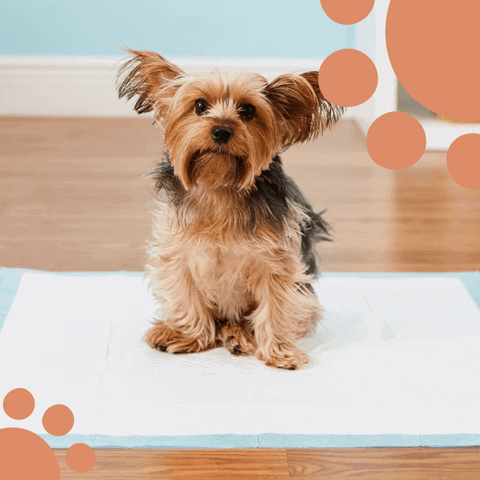
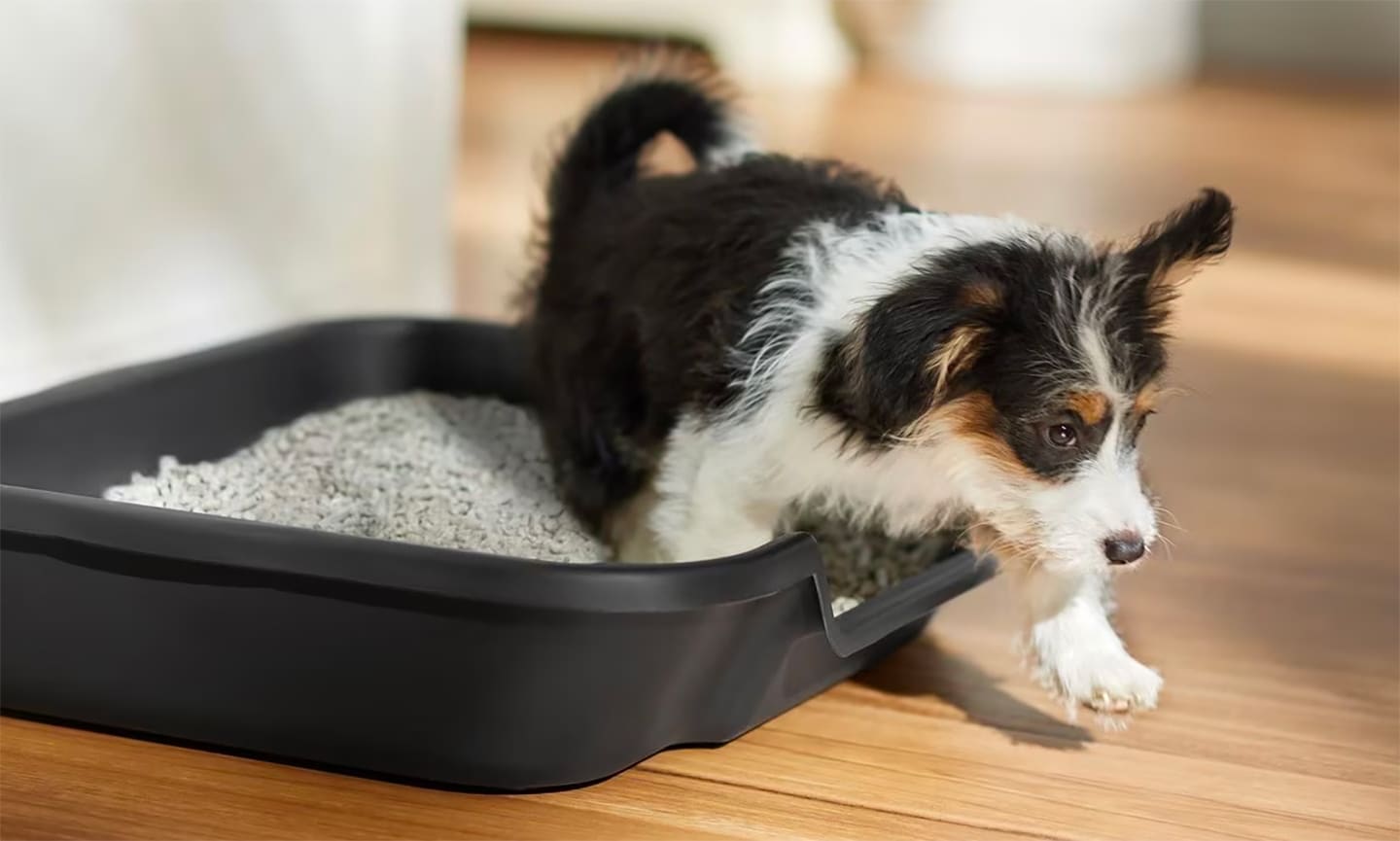
There are several indoor potty options available, each with its pros and cons. You can choose from pee pads, artificial grass patches, potty trays with absorbent materials, or even self-cleaning systems.
- Pee Pads:Easy to use and disposable, but some dogs may not like the texture.
- Artificial Grass:Mimics outdoor environment, helping dogs adjust faster.
- Potty Trays:Contain absorbent layers and keep mess contained.
- Self-Cleaning Systems:More expensive but reduce your maintenance work significantly.
Think about what your dog prefers and what fits your lifestyle best. Have you noticed if your dog favors certain surfaces during walks?
Selecting The Best Spot
Placement matters just as much as the potty type. Pick a quiet, low-traffic area where your dog feels safe and undistracted.
Make sure the spot is easy for your dog to access, especially if mobility is an issue. Near a door or in a corner can work well, but avoid noisy or drafty places.
Have you observed where your dog naturally prefers to relieve itself indoors? Using that insight can guide your choice.
Materials And Maintenance
Consider the potty materials carefully, as they impact hygiene and odor control. Look for options with waterproof bases and easy-to-clean surfaces.
Regular cleaning is key. Some materials require daily changes, while others can last longer but need thorough washing.
- Choose materials that resist odors and stains.
- Ensure parts are replaceable or washable.
- Use pet-safe cleaning products to protect your dog’s health.
How much time can you realistically dedicate to maintaining the potty? Your answer will help narrow down the best option for your home.
Preparing Your Older Dog
Preparing an older dog for indoor potty training requires patience and care. Older dogs may have unique needs that need attention before starting the training. Taking time to prepare helps make the process smoother and less stressful for your dog.
Assessing Health And Mobility
Check your dog’s health before training. Older dogs may have arthritis or other issues that affect movement. Visit the vet for a health checkup. Discuss any problems that could impact potty training. Adjust training plans based on your dog’s physical abilities. Comfort is key to successful training.
Introducing The Indoor Potty Gradually
Start by placing the indoor potty in a quiet, accessible spot. Allow your dog to explore it without pressure. Use treats and praise to encourage interest. Slowly guide your dog to use the potty after meals or naps. Keep sessions short to avoid overwhelming your dog. Patience helps build positive habits.
Setting Realistic Expectations
Understand that older dogs may take longer to learn new routines. Mistakes are normal during the training period. Expect gradual progress instead of immediate success. Celebrate small victories to motivate your dog. Consistency and kindness lead to better results. Keep a calm attitude to support your dog’s learning.
Training Techniques That Work
Training an older dog to use an indoor potty requires patience and consistency. Use positive reinforcement to encourage good habits and create a clear routine. Keep the potty area clean and accessible to help your dog adjust quickly.
Training an older dog to use an indoor potty can seem daunting, but with the right approach, it’s entirely doable. The key lies in patience, consistency, and understanding your dog’s needs. By adopting effective training techniques, you can help your furry friend adapt to this new habit seamlessly.Using Positive Reinforcement
Positive reinforcement can be your secret weapon in training your dog. Reward your dog with treats, praise, or their favorite toy every time they successfully use the indoor potty. This not only reinforces good behavior but also builds a positive association with the new routine. Imagine your dog feeling proud of their accomplishment and eager to repeat it. Wouldn’t it be rewarding to see that wagging tail and happy eyes every time they succeed?Establishing A Routine
Consistency is crucial in training. Set a regular schedule for your dog’s potty breaks, similar to outdoor routines. A predictable pattern helps them understand when and where they need to go. Place the indoor potty in a specific location, and guide your dog there at the designated times. Over time, they will start heading there on their own, knowing it’s the right spot.Monitoring And Encouraging Success
Keep an eye on your dog’s progress. Celebrate small victories and address any setbacks calmly. Patience is essential, especially with older dogs who might take longer to adjust. Create a log to track their potty habits. It helps you identify patterns and adjust the routine if necessary. Are there specific times they tend to use the potty more successfully? By being attentive and encouraging, you set the stage for long-term success. Engage with your dog, understand their cues, and watch them flourish in their new routine.
Credit: k9connoisseur.com
Handling Common Challenges
Training an older dog to use an indoor potty can come with its own set of challenges. Understanding how to handle these difficulties calmly will make the process smoother for both you and your pet. Let’s look at some common obstacles and practical ways to overcome them.
Dealing With Accidents
Accidents are almost inevitable during indoor potty training, especially with older dogs who may have established habits. Instead of getting frustrated, treat accidents as learning moments. Clean the area thoroughly to remove any lingering smells that might encourage repeat behavior.
Use enzymatic cleaners designed for pet messes to eliminate odors effectively. Don’t punish your dog; it can create fear and confusion. Instead, gently guide them back to the indoor potty area after an accident and reward any progress.
Managing Resistance Or Fear
Older dogs might resist using an indoor potty due to unfamiliarity or fear. They may associate the new setup with punishment or discomfort. Observe your dog’s body language—are they hesitant or avoiding the potty spot?
Try making the indoor potty area inviting by adding comfortable mats or familiar scents from your dog’s bed. Spend time sitting with your dog near the potty, offering treats and praise to build positive associations. Patience is key; ask yourself what might be causing your dog’s anxiety and address it step by step.
Adjusting Training For Special Needs
Some older dogs have physical limitations or health issues like arthritis or incontinence. These conditions require adjustments in your training approach. For example, place the indoor potty in a spot with easy access to avoid unnecessary strain.
Consult your vet to rule out medical causes for accidents and get advice on managing special needs. Use softer, low-entry trays or pads to accommodate your dog’s mobility. Remember, adapting your methods shows respect for your dog’s comfort and well-being, which encourages cooperation.
Maintaining Long-term Success
Maintaining long-term success with indoor potty training is key for both you and your older dog. Consistency and care help keep good habits strong. The environment should stay clean and inviting. Your dog needs clear signals and positive reinforcement to stay motivated. Transitioning between indoor and outdoor spaces can also support flexibility and comfort.
Cleaning And Odor Control
Clean the potty area daily to prevent smells and stains. Use pet-safe cleaners that remove odors completely. Avoid ammonia-based products; they can confuse your dog. Wash or replace potty pads regularly. A fresh space encourages your dog to use it consistently. Keep air fresh by opening windows or using air purifiers.
Transitioning Between Indoor And Outdoor
Gradually introduce outdoor potty breaks alongside indoor training. Let your dog explore the outdoor area calmly. Praise and reward your dog after each outdoor potty. Keep the indoor potty accessible during this phase. This helps your dog understand both options are acceptable. Over time, adjust the balance based on your lifestyle and weather.
Keeping Your Dog Motivated
Use treats and praise every time your dog uses the potty correctly. Keep training sessions short and positive. Avoid punishment for accidents; it can cause fear or confusion. Change treats occasionally to keep interest high. Offer gentle encouragement and stay patient. A happy dog learns faster and stays motivated longer.
Credit: greensafaris.com

Credit: naturesloo.com.au
Frequently Asked Questions
How Long Does It Take To Train An Older Dog Indoors?
Training time varies but typically takes 2 to 4 weeks. Consistency, patience, and positive reinforcement speed up progress. Older dogs learn well with routine and clear signals. Regular potty breaks and rewards help establish new habits effectively.
What Indoor Potty Options Work Best For Older Dogs?
Popular options include potty pads, artificial grass mats, and indoor dog litter boxes. Choose based on your dog’s size, preference, and your living space. Ensure easy cleanup and accessibility to encourage consistent use. Comfort and familiarity improve training success.
How To Handle Accidents During Indoor Potty Training?
Stay calm and avoid punishment when accidents occur. Clean thoroughly with enzymatic cleaners to remove odors. Reinforce desired behavior with praise and treats immediately after successful potty use. Consistency helps older dogs understand expectations and reduces accidents over time.
Can Older Dogs Learn New Potty Habits Easily?
Yes, older dogs can learn new potty habits with patience. They respond well to consistent routines and positive rewards. Gradual training and clear communication build confidence. Adjust training pace to your dog’s comfort and health needs.
Conclusion
Training an older dog to use an indoor potty takes time and patience. Consistency helps your dog learn faster and feel safe. Praise your dog often to encourage good habits. Small steps make the process easier for both of you.
Stay calm and keep trying even if mistakes happen. Soon, your dog will adapt to the new routine. Enjoy the bond you build through training and care. Success comes with love and steady effort every day.