Have you ever caught your adult dog sneaking puppy food and wondered if it’s safe? You might be worried about what could happen next.
After all, puppy food is made differently from adult dog food, and you want the best for your furry friend. Understanding the effects of your adult dog eating puppy food can help you make smart choices and keep your pet healthy.
Keep reading to find out what really happens when your adult dog munches on puppy food—and what you should do about it.
Credit: www.petscare.com
Differences Between Puppy And Adult Dog Food
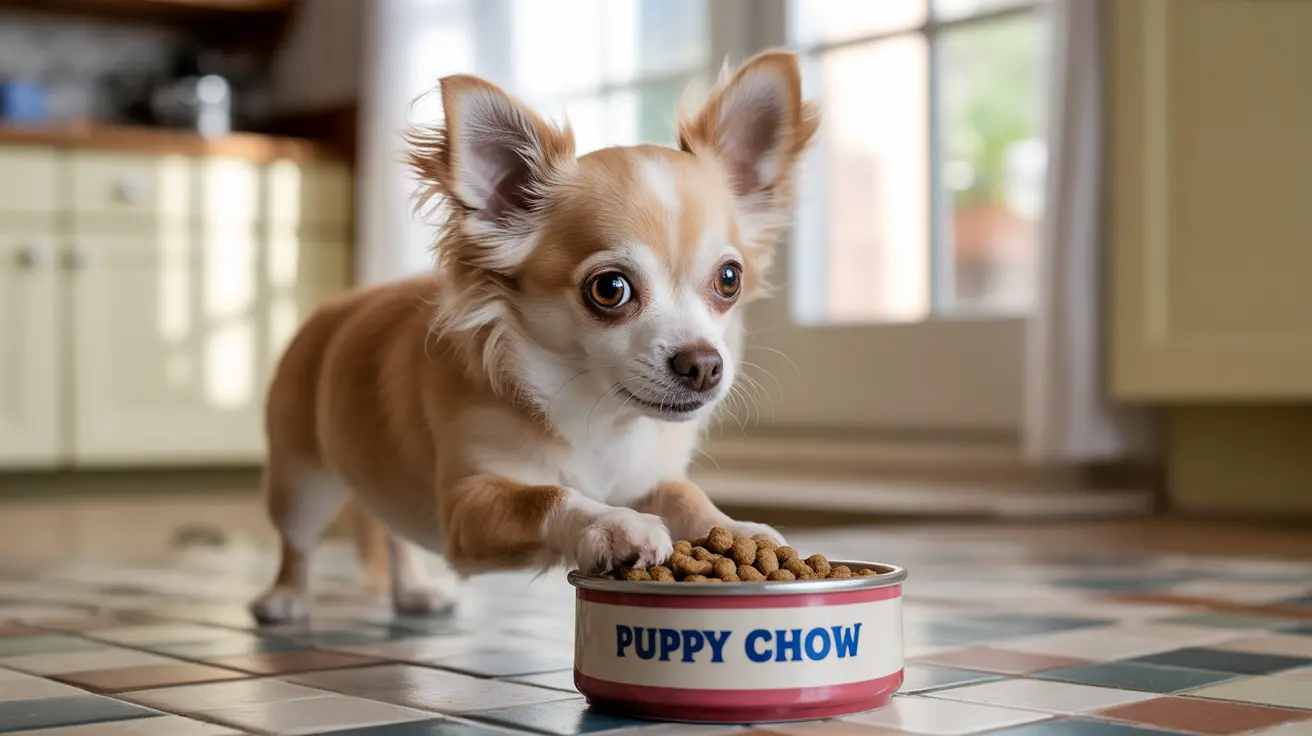
Understanding the differences between puppy food and adult dog food is crucial if your adult dog accidentally eats puppy food. Both types are designed to meet very different nutritional needs. Knowing these differences helps you decide if you need to adjust your dog’s diet or consult a vet.
Nutritional Needs Of Puppies
Puppies grow rapidly and need extra calories to support their development. Their food is packed with more protein and fat to fuel energy and build strong muscles. Puppies also require higher levels of certain vitamins and minerals, like calcium and phosphorus, to support bone growth.
If you’ve ever seen a wiggly, playful puppy, you know they burn through energy fast. That’s why their food is richer and denser in nutrients than adult dog food. It’s designed to help them grow up healthy and strong.
Nutritional Needs Of Adult Dogs
Adult dogs have slower metabolisms and don’t need as many calories as puppies. Their food focuses on maintaining a healthy weight and supporting overall health rather than rapid growth. The protein and fat content is lower to avoid excess weight gain and digestive issues.
Think about your adult dog’s activity level and lifestyle. If they’re less active, adult food helps keep them fit without adding unnecessary calories. Feeding an adult dog puppy food regularly can cause them to gain weight or experience digestive upset.
Key Ingredient Variations
Puppy food contains higher amounts of:
- Protein:To support muscle and tissue development.
- Fat:For energy and brain development.
- Calcium and phosphorus:Critical for bone growth.
Adult dog food balances these ingredients differently:
- Moderate protein and fat:To maintain energy without excess calories.
- Fiber:Often higher to aid digestion and prevent weight gain.
- Additional nutrients:Such as antioxidants for aging support.
Have you ever noticed your adult dog’s reaction when fed puppy food? Some dogs may seem to love it because it’s richer, but is it really good for them? Understanding these ingredient differences can help you make better choices for your dog’s health.
Credit: www.purina.com
Potential Risks For Adult Dogs Eating Puppy Food
Adult dogs eating puppy food face several health risks. Puppy food has extra nutrients and calories made for growing pups. These differences can cause problems in adult dogs over time.
Digestive Issues
Puppy food is richer and harder to digest for adult dogs. Eating it may lead to stomach upset, diarrhea, or vomiting. Sensitive stomachs can react quickly to the richer formula. Digestive discomfort can make your dog feel unwell and less active.
Weight Gain And Obesity
Puppy food contains more calories to support growth. Adult dogs eating it may consume excess energy. This extra intake can cause rapid weight gain and obesity. Obesity increases risks of joint problems, diabetes, and heart disease.
Nutrient Imbalance Concerns
Puppy food has higher protein, fat, and calcium levels. Adult dogs do not need these high amounts daily. Excess nutrients can strain organs like kidneys and liver. Long-term nutrient imbalance may harm your dog’s overall health.
Signs To Watch After Eating Puppy Food
Adult dogs eating puppy food may show signs like upset stomach, diarrhea, or weight gain. Watch for changes in energy or digestion after meals. These symptoms suggest the food might not suit their needs.
When your adult dog sneaks a taste of puppy food, you might wonder what happens next. Puppy food is packed with nutrients designed to support rapid growth, so it can affect your adult dog’s health in various ways. It’s crucial to observe your furry friend for any signs that might indicate an issue. Let’s look at some of the symptoms to watch out for.Gastrointestinal Symptoms
After consuming puppy food, your dog may exhibit some digestive disturbances. You might notice symptoms like diarrhea, vomiting, or increased gas. These symptoms occur because puppy food is richer and denser, which can be hard for an adult dog’s system to handle. If these symptoms persist, it’s wise to consult your vet. Persistent gastrointestinal issues can lead to dehydration and other complications.Behavioral Changes
You might also observe changes in your dog’s behavior. They could become more hyperactive due to the higher calorie content in puppy food. Alternatively, they might seem lethargic if they’re experiencing digestive discomfort. Pay attention to any unusual behaviors. Is your dog unusually restless or sleepy? These could be clues indicating how the puppy food is affecting them.Long-term Health Effects
Feeding your adult dog puppy food occasionally isn’t likely to cause major issues, but regularly doing so can have long-term effects. Puppy food is high in calories and fat, which can lead to weight gain if consumed frequently. Excess weight can put stress on your dog’s joints and lead to other health problems. Monitoring your dog’s diet ensures they remain healthy and energetic. Consider if the temporary taste of puppy food is worth potential long-term consequences.Immediate Steps To Take
When an adult dog eats puppy food, taking quick and careful action is important. Puppy food has more calories, fat, and nutrients meant for growing pups. This can cause mild stomach upset or other issues in adult dogs. The first moments after your dog consumes puppy food are crucial. Knowing what to watch for and how to care for your dog helps prevent problems.
Monitoring Your Dog
Watch your dog closely for any changes in behavior or health. Look for signs like:
- Vomiting or diarrhea
- Lethargy or weakness
- Excessive thirst or urination
- Loss of appetite
- Abdominal discomfort or bloating
Keep track of when your dog ate the puppy food and how much. Note any symptoms and their timing. This information helps your vet if needed.
When To Contact A Veterinarian
Call your veterinarian if your dog shows serious symptoms. These include:
- Persistent vomiting or diarrhea lasting more than 24 hours
- Signs of dehydration such as dry gums or sunken eyes
- Difficulty breathing or severe weakness
- Swelling or pain in the abdomen
- Seizures or collapse
Veterinarians can provide advice based on your dog’s size, age, and symptoms. Early contact can prevent complications.
Home Care Tips
Offer fresh water to keep your dog hydrated. Avoid feeding more food for several hours to let the stomach settle. After that, provide small, bland meals like boiled chicken and rice.
Keep your dog in a calm, comfortable place. Limit exercise until your dog feels normal again. Watch for any new symptoms or changes during recovery.
Preventing Future Incidents
Preventing your adult dog from eating puppy food again is important for their health. Taking simple steps can keep both your pets safe and happy. Clear strategies help avoid confusion and unwanted eating habits.
Proper Food Storage
Keep puppy food in a secure, high place out of reach. Use containers with tight lids to stop your dog from smelling or accessing it. Separate storage areas for adult and puppy food reduce mix-ups. Label containers clearly to avoid accidental feeding.
Feeding Schedule Management
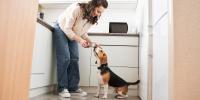
Feed your adult dog and puppy at different times. This prevents competition and food stealing. Stick to consistent feeding times every day. Remove leftover food promptly to avoid temptation. Monitor both pets during mealtime to keep order.
Training And Supervision
Teach your adult dog commands like “leave it” or “stay.” Reward good behavior around food bowls. Supervise pets during feeding to stop unwanted eating. Use baby gates or barriers if needed to separate them. Patience and consistency help build strong habits.
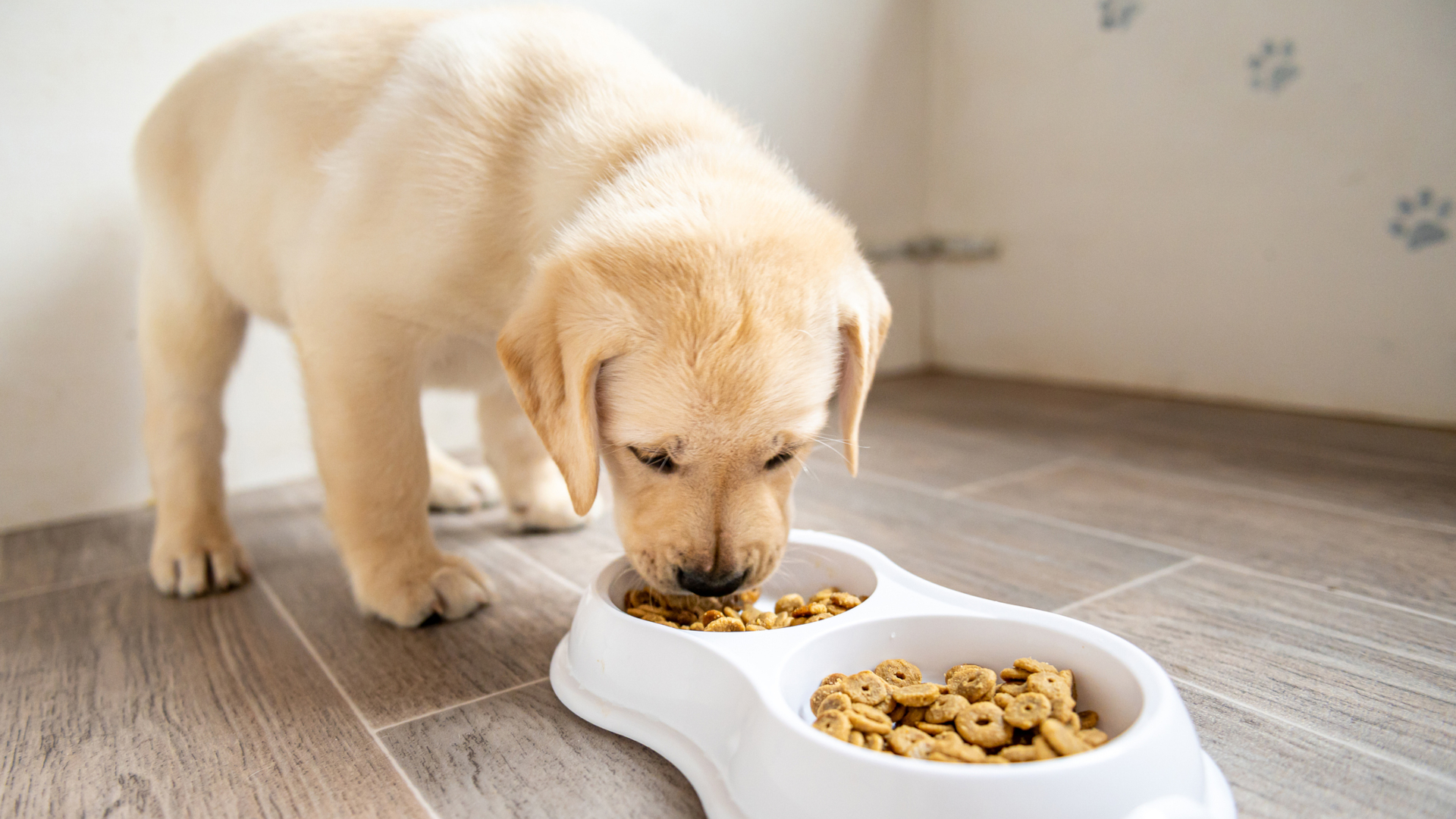
Credit: www.petsradar.com
Frequently Asked Questions
Can Adult Dogs Eat Puppy Food Safely?
Adult dogs can eat puppy food occasionally without harm. Puppy food has more calories and nutrients for growth. Long-term feeding may cause weight gain or digestive issues in adults. It’s best to feed age-appropriate food for balanced nutrition.
What Happens If Adult Dogs Eat Puppy Food Regularly?
Regular feeding of puppy food to adults can lead to obesity. Excess calories and fat are not ideal for adult dogs. It may also cause digestive upset or nutrient imbalance. Consult a vet for the best diet suited to your dog’s age.
Is Puppy Food Harmful To Adult Dogs?
Puppy food is not harmful in small amounts to adults. It contains higher protein and fat levels for puppies’ growth needs. However, prolonged feeding can cause health issues like weight gain. Always prioritize adult dog food for proper nutrition.
How Does Puppy Food Affect An Adult Dog’s Digestion?
Puppy food’s rich formula may upset adult dogs’ digestion. Adults may experience diarrhea or gas if fed puppy food regularly. Their digestive systems require different nutrient levels. Transition to adult dog food to maintain digestive health.
Conclusion
Adult dogs eating puppy food might face some health issues. Puppy food has extra nutrients meant for growing dogs. This can cause weight gain or stomach upset in adults. Feeding adult dogs their specific food keeps them healthy. Watch your dog for any signs of discomfort.
Always choose food suited to your dog’s age and needs. Small mistakes happen, but careful feeding matters most. Keep your furry friend happy with proper nutrition every day.