
You want the best for your puppy, and feeding them the right food is a big part of that. But you might be wondering, “Can I feed my 4-month-old puppy adult dog food?”
It’s a common question with an important answer that could affect your puppy’s growth and health. Keep reading to discover what’s best for your furry friend and why choosing the right food now matters more than you think.
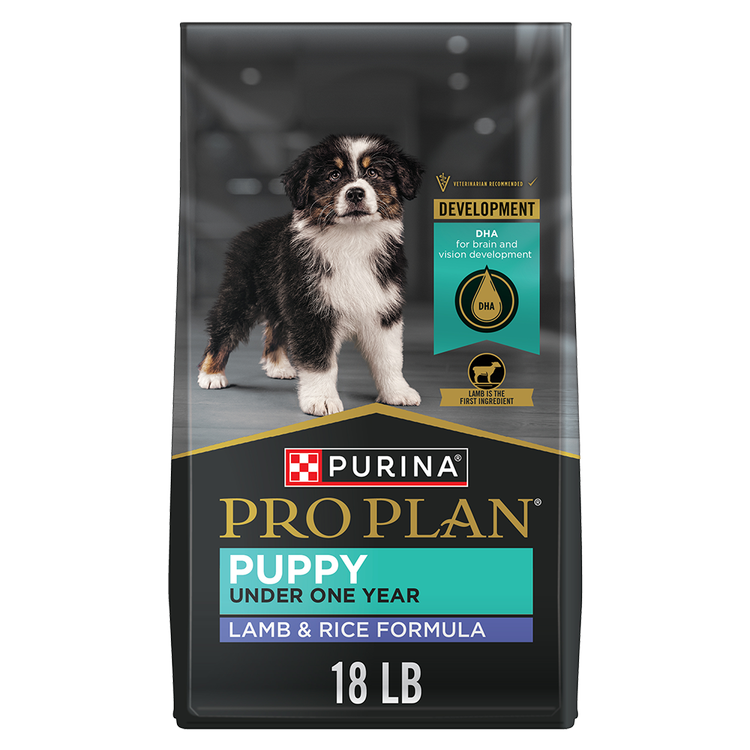
Credit: www.purina.com
Puppy Nutritional Needs
Puppies have special nutritional needs different from adult dogs. Their food must support rapid growth and strong body development. Choosing the right diet helps them grow healthy and stay active. Feeding a 4-month-old puppy adult dog food might miss key nutrients needed at this stage.
Growth And Development Demands
At four months, puppies grow fast. Their bones, muscles, and organs develop quickly. They need more calories than adult dogs to fuel this growth. Proper nutrition supports healthy brain and immune system development. Feeding the right food helps prevent future health problems.
Key Nutrients For Puppies
Puppies require specific nutrients in balanced amounts. These include:
- Protein:Builds muscles and repairs tissues.
- Fat:Provides energy and supports brain growth.
- Calcium and Phosphorus:Strengthen bones and teeth.
- Vitamins and Minerals:Boost the immune system and overall health.
- DHA:An omega-3 fatty acid important for brain and eye development.
Adult dog food often lacks the right balance of these nutrients. Puppy formulas meet these demands precisely for optimal growth.
Differences Between Puppy And Adult Food
Puppy food and adult dog food are designed to meet different needs. Puppies grow fast and need extra nutrients. Adult dogs need maintenance nutrition. Feeding the right food helps your puppy stay healthy and grow strong. Understanding the differences between puppy and adult food is important for your dog’s diet.
Calorie And Protein Content
Puppy food contains more calories than adult dog food. Growing puppies use more energy. They need extra calories to support their fast growth. Protein levels are higher in puppy food. Protein helps build strong muscles and tissues. Adult dog food has fewer calories and less protein. This helps adult dogs maintain a healthy weight without gaining fat.
Vitamin And Mineral Variations
Puppy food has extra vitamins and minerals. These nutrients support bone growth and immune health. Calcium and phosphorus are carefully balanced for puppies. Adult dog food has fewer minerals as their bones are fully grown. Vitamin levels also differ. Puppy food often contains more vitamin E and DHA. These help brain development and healthy skin. Adult dog food focuses on nutrients for overall maintenance and health.
Risks Of Feeding Adult Food To Puppies
Feeding adult dog food to a 4-month-old puppy can create several risks. Puppies need specific nutrients for proper growth and development. Adult dog food is not designed to meet these needs. This mismatch can cause health problems and slow growth. Understanding these risks helps keep your puppy healthy and strong.
Potential Nutritional Deficiencies
Puppies need more protein, fat, and calories than adult dogs. Adult food usually has lower amounts of these nutrients. This can lead to:
- Poor muscle development
- Weak immune system
- Low energy levels
Essential vitamins and minerals may also be missing. These include calcium and phosphorus, which support bone growth. Lack of these nutrients can cause serious health issues.
Impact On Growth And Health
Feeding adult food to puppies can slow their growth. Bones and joints may not develop properly. This can lead to long-term problems like arthritis or fractures. Puppies may also face digestive troubles. Diarrhea or upset stomachs are common. Overall, adult food does not support the rapid growth phase of puppies. Proper nutrition at this stage is critical for a healthy adult dog.
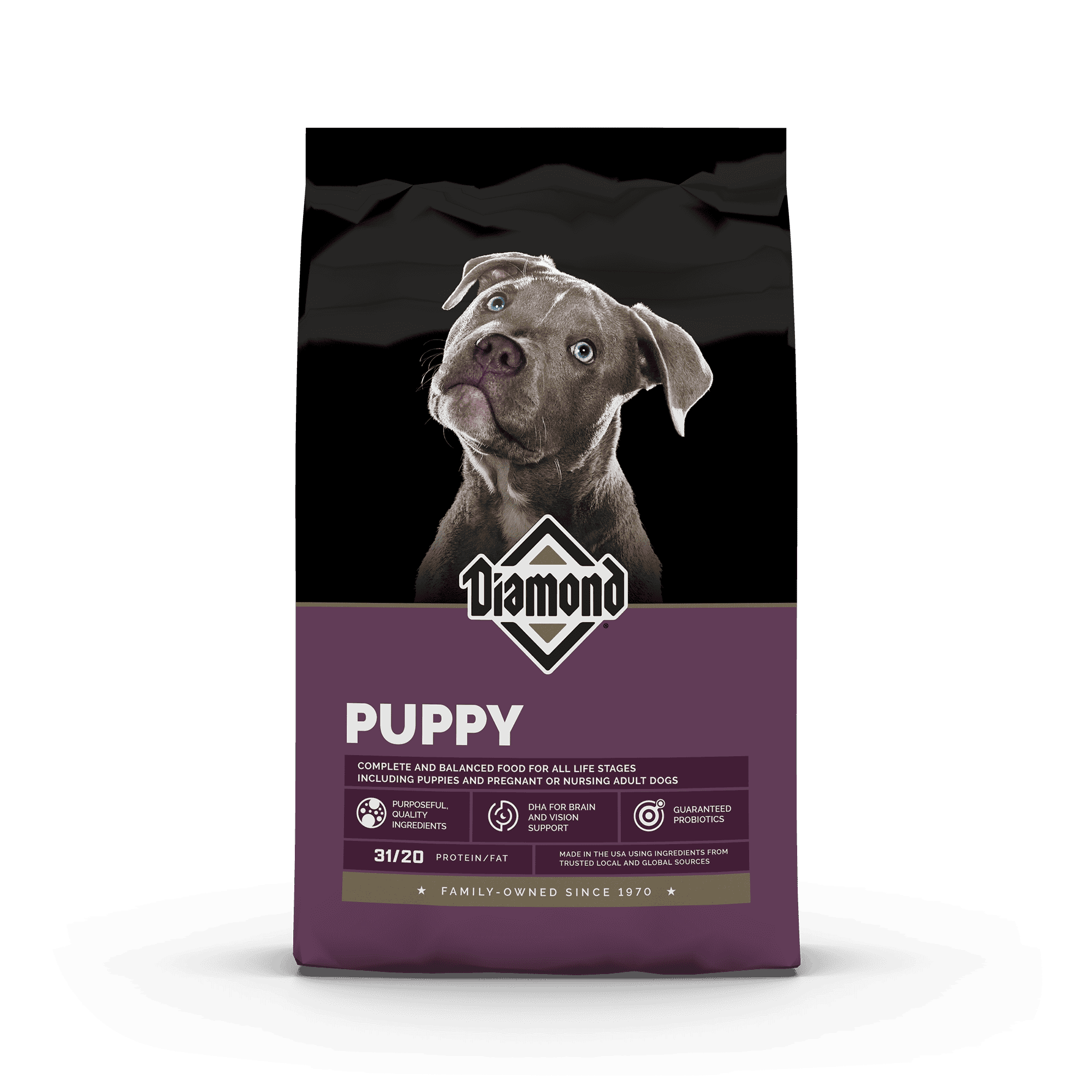
Credit: www.diamondpet.com
When Is It Okay To Switch To Adult Food
Knowing when to switch your puppy from puppy food to adult dog food is crucial for their health and development. Puppies have different nutritional needs compared to adult dogs, so timing the transition right can help maintain their energy levels and support proper growth. But how do you know the right moment to make the change?
Signs Your Puppy Is Ready
Watch your puppy’s behavior and physical changes closely. If your puppy’s growth rate is slowing down and they seem less energetic than before, these can be signs they’re ready for adult food.
Check their teeth too. When most of their baby teeth have been replaced by adult teeth, it often signals their metabolism is shifting.
Another sign is their weight plateauing. If your puppy’s weight gains start to level off, it indicates they may no longer need the extra calories found in puppy food.
Recommended Age And Weight Milestones
Most dogs are ready to switch between 9 and 12 months old, but some breeds mature faster or slower. Smaller breeds might be ready closer to 9 months, while large breeds sometimes need puppy food until 12 to 18 months.
Weight plays a big role too. A good rule is to wait until your puppy reaches about 80% of their expected adult weight.
| Breed Size | Recommended Switch Age | Weight Milestone |
|---|---|---|
| Small Breeds | 9 months | ~80% adult weight |
| Medium Breeds | 10-12 months | ~80% adult weight |
| Large Breeds | 12-18 months | ~80% adult weight |
Have you noticed changes in your puppy’s appetite or activity? Those could be your clues that it’s time to start thinking about adult food.
Transitioning Your Puppy’s Diet
Transitioning your puppy’s diet requires careful attention and patience. Puppies have sensitive stomachs that can react poorly to sudden changes in food. Making the switch smoothly helps avoid digestive upset and ensures your puppy keeps enjoying mealtime.
Gradual Food Change Tips
Start by mixing a small amount of adult dog food into your puppy’s current food. Increase the new food portion slowly over 7 to 10 days. This slow change helps your puppy’s digestive system adjust without causing diarrhea or vomiting.
- Day 1-3: 25% adult food, 75% puppy food
- Day 4-6: 50% adult food, 50% puppy food
- Day 7-9: 75% adult food, 25% puppy food
- Day 10: 100% adult food
Keep your puppy’s feeding schedule consistent during this time. Avoid adding treats or new snacks that could confuse their digestion. Have you noticed how your puppy reacts to new tastes? This observation helps guide your pace.
Monitoring Your Puppy’s Reaction
Watch closely for any signs of stomach upset such as loose stools, vomiting, or loss of appetite. These symptoms mean you might need to slow down the transition or consult your vet. On the other hand, if your puppy stays energetic and happy, the change is likely going well.
Note changes in energy levels and coat condition too. A dull coat or lethargy could indicate the new food isn’t meeting nutritional needs. Are you ready to adjust based on these clues? Your puppy’s feedback is your best guide.

Credit: wefeedraw.com
Expert Feeding Recommendations
Feeding your 4-month-old puppy the right food is crucial for healthy growth and development. Expert feeding recommendations can guide you through making smart choices that support your puppy’s unique nutritional needs. Let’s look at trusted advice from veterinarians and tips on selecting the best food brand for your young dog.
Veterinarian Advice
Veterinarians often recommend sticking to puppy-specific food until your dog reaches about one year old. Puppy formulas have the right balance of nutrients, including extra protein and fat, to fuel rapid growth and brain development.
Switching to adult dog food too early can lead to nutritional gaps or excesses. Have you noticed your puppy’s energy levels or coat quality changing? A vet can help assess if your puppy is ready for a diet change and suggest suitable options.
Regular check-ups provide a chance to discuss your puppy’s diet and growth progress. Don’t hesitate to ask your vet about homemade diets or supplements if you want to customize feeding further.
Choosing The Right Food Brand
Not all dog foods are created equal. Look for brands that list real meat as the first ingredient and avoid artificial additives. Ingredients matter because your puppy’s digestive system is still developing and can be sensitive.
Consider brands that conduct feeding trials to prove their formulas’ safety and effectiveness. You might also want to check if the brand offers options tailored for specific breeds or sizes.
- Check the label for AAFCO approval to ensure the food meets minimum nutritional standards.
- Choose foods with DHA, which supports brain and eye development in puppies.
- Think about your puppy’s preferences—some foods come in different textures like kibble or wet food.
Have you ever switched food brands and noticed a change in your puppy’s digestion or appetite? That’s a strong sign that quality and ingredients make a real difference.
Homemade Vs. Commercial Puppy Food
Feeding a 4-month-old puppy adult dog food can miss essential nutrients needed for growth. Homemade and commercial foods differ in nutrient balance and convenience. Puppies need food rich in protein and calories for healthy development.
Choosing the right food for your 4-month-old puppy can be a daunting task. Many pet owners find themselves debating between homemade and commercial puppy food. Each option has its unique benefits and challenges. While homemade diets provide control over ingredients, commercial foods offer convenience and assurance of balanced nutrition. Which path suits your lifestyle and your puppy’s needs?Benefits Of Homemade Diets
Homemade diets allow you to choose exactly what goes into your puppy’s meals. This can be crucial if your puppy has allergies or specific dietary needs. You can ensure fresh, high-quality ingredients, avoiding preservatives and fillers often found in commercial foods. Making meals at home also creates an opportunity for bonding. Preparing food for your puppy can become a cherished routine, allowing you to spend quality time together. Plus, it offers flexibility, letting you adjust portions and ingredients as your puppy grows.Safety And Nutritional Balance
Ensuring a homemade diet is nutritionally balanced can be challenging. Puppies require specific nutrients for healthy growth, and missing these can lead to developmental issues. Consulting with a vet or a pet nutritionist is essential to create a balanced meal plan. Commercial puppy foods are designed to meet the nutritional standards set by experts. They undergo extensive testing to ensure they support optimal growth. However, not all brands are created equal, so it’s crucial to read labels and research to find the best option for your puppy. Choosing between homemade and commercial food often boils down to your personal preference and time commitment. Is the control of a homemade diet worth the extra effort for you? Or does the convenience of commercial food offer peace of mind? Whatever you decide, the most important thing is your puppy’s health and happiness.Frequently Asked Questions
Can I Feed My 4-month Puppy Adult Dog Food?
Feeding adult dog food to a 4-month puppy is not recommended. Puppy food has essential nutrients for growth. Adult food lacks these and may cause nutritional deficiencies. Always choose food labeled for puppies to support healthy development.
What Happens If A Puppy Eats Adult Dog Food?
If a puppy eats adult dog food, it may miss vital nutrients. This can lead to slower growth and health issues. Adult food has fewer calories and less protein, which puppies need for energy and muscle development.
When Should I Switch My Puppy To Adult Dog Food?
Switch your puppy to adult dog food around 12 months old. Large breeds may need up to 18 months. Consult your vet to determine the right time based on your puppy’s size and growth.
Is Adult Dog Food Safe For Small Breed Puppies?
Adult dog food is not ideal for small breed puppies. They require higher calorie intake and specific nutrients for rapid growth. Feeding adult food might lead to inadequate nutrition and affect their development.
Conclusion
Puppies need special food to grow strong and healthy. Adult dog food lacks some important nutrients for puppies. Feeding your 4-month puppy adult food can cause health problems. Always choose food made for puppies at this stage. Consult your vet for the best feeding advice.
Good nutrition builds a happy, active dog. Keep your puppy’s diet balanced and safe. Watch your puppy’s growth and energy levels closely. Proper food helps your puppy become a healthy adult dog.