
You want the best for your furry friend, and that includes knowing exactly when to switch from puppy food to adult dog food. But how do you know the right time?
Making the change too early or too late can affect your dog’s health and happiness. You’ll discover clear signs to watch for and simple tips to make the transition smooth. Keep reading to give your dog the nutrition they need at every stage of life.
Signs Your Dog Is Ready
Knowing when to switch your dog to adult food is key to keeping them healthy and happy. Signs that your dog is ready go beyond just age—they include changes in behavior and shifting nutritional needs. Paying close attention to these clues helps you make the right move at the right time.
Age Milestones
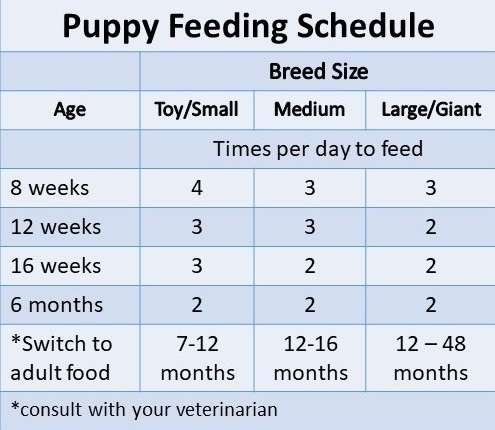
Most dogs transition to adult food between 12 and 18 months, but this depends on their breed and size. Smaller breeds tend to mature faster and may be ready closer to 12 months, while larger breeds often need more time, sometimes up to 18 or 24 months.
Have you noticed your dog hitting their first birthday? That’s a good moment to evaluate their growth and energy levels. Tracking age milestones helps you plan the switch without rushing or delaying it.
Behavioral Changes
Watch for signs like decreased playfulness or a slower pace during walks. These can indicate your dog is moving out of their puppy phase. Also, if they seem less hungry or more selective about food, it might be time to offer adult dog food tailored to their new lifestyle.
Does your dog seem less hyper or more focused? These behavioral shifts often signal maturity and readiness for different nutrition. Noticing these subtle changes can guide you better than just relying on age.
Nutritional Needs Shift
Puppy food supports rapid growth with higher calories and nutrients. Once your dog reaches adulthood, their metabolism slows, and they need fewer calories but balanced nutrition to maintain weight and health.
Switching too early or late can cause weight problems or nutritional gaps. Your dog’s changing body requires food with the right protein, fat, and vitamins adjusted for adult maintenance. Paying attention to these nutritional needs ensures your dog stays energetic and strong.
Credit: www.vetsupply.com.au
Choosing The Right Adult Food
Choosing the right adult dog food is a crucial step in your pet’s growth journey. This transition affects their health, energy, and overall well-being. Picking food that meets their nutritional needs helps keep them strong and happy.
Adult dog food differs from puppy food in nutrient balance and calorie content. It supports maintenance rather than rapid growth. Selecting the right formula depends on several factors, including ingredients, additives, and your dog’s breed and size.
Ingredients To Look For
- High-quality protein sources like chicken, beef, or fish
- Whole grains such as brown rice or oats for energy
- Fruits and vegetables providing vitamins and antioxidants
- Healthy fats like omega-3 and omega-6 for skin and coat health
- Essential minerals like calcium and phosphorus for strong bones
Avoiding Harmful Additives
- No artificial colors or flavors that may cause allergies
- No preservatives such as BHA, BHT, or ethoxyquin
- Limited fillers like corn, wheat, or soy that offer little nutrition
- No excessive salt or sugar to prevent health issues
Tailoring To Breed And Size
Small breeds need nutrient-dense food with smaller kibble size. Large breeds benefit from formulas supporting joint health and controlled calories. Medium breeds require balanced nutrition suited for moderate energy.
Consider your dog’s age, activity level, and health status. Customized nutrition improves digestion and energy levels. Consult your vet to find the best fit for your dog’s unique needs.
Transitioning Gradually
Switching your dog’s food slowly helps avoid stomach upset. Mix adult food with puppy food over 7-10 days for a smooth change. This gentle approach lets your dog adjust comfortably to new tastes and nutrients.
Transitioning Gradually Switching your furry friend from puppy food to adult dog food is a significant milestone. It’s essential to make this transition smooth to keep your dog healthy and happy. Gradual changes help prevent digestive upset and allow your dog to get used to the new food.Mixing Old And New Food
Start by mixing a small amount of the new adult dog food with your dog’s current food. A good starting ratio is 75% old food to 25% new food. Gradually increase the proportion of adult food over a week or two. Observe how your dog reacts to the mixed food. If they seem comfortable, you can increase the portion of adult food each day. This gradual shift helps your dog adjust without overwhelming their digestive system.Monitoring Your Dog’s Response
Keep a close eye on your dog’s behavior and digestion. Are they eating with enthusiasm, or do they seem reluctant? Check for any signs of gastrointestinal discomfort, like diarrhea or vomiting. If you notice any adverse reactions, slow down the transition process. Your dog might just need a little more time to adapt.Adjusting Portions Slowly
As you move towards a full bowl of adult food, adjust the portions gradually. Ensure you’re following the feeding guidelines on the food package. Remember, adult dogs often need fewer calories than growing puppies, so adjusting portions is crucial. Have you ever noticed how your dog’s energy levels change with their diet? Adjusting portions helps maintain their energy and overall well-being.
Credit: www.sanmiguelpetcare.com
Managing Digestive Health
Managing your dog’s digestive health during the switch to adult dog food is crucial. Sudden changes can upset their stomach, causing discomfort and even reluctance to eat. Paying close attention to how your dog’s digestion responds helps you adjust the transition smoothly and keeps them happy and healthy.
Signs Of Digestive Upset
Watch for loose stools, diarrhea, or constipation, which are common signs of digestive upset. Your dog might also show signs like vomiting, excessive gas, or a decrease in appetite. If your dog seems lethargic or uncomfortable after eating, it could indicate that their digestive system is struggling with the new food.
Supporting Gut Health
Adding probiotics can help balance the good bacteria in your dog’s gut, making the transition easier. You can also mix the new adult food gradually with the old food over 7 to 10 days to avoid shocking their system. Feeding smaller, more frequent meals during this time reduces stress on digestion and helps your dog adjust comfortably.
When To Consult A Vet
If digestive issues last longer than a week or your dog shows severe symptoms like vomiting, weight loss, or blood in stool, it’s time to see your vet. Your vet can rule out underlying issues and may recommend a special diet or supplements. Don’t wait too long—early advice prevents minor problems from becoming serious.
Maintaining Balanced Nutrition
Maintaining balanced nutrition is key when transitioning your dog to adult food. Your dog’s needs change as they grow, and keeping their diet well-rounded supports energy, health, and longevity. Paying attention to what goes into their bowl can make a big difference in how they feel every day.
Essential Nutrients For Adults
Adult dogs require a mix of proteins, fats, carbohydrates, vitamins, and minerals. Protein helps maintain muscle mass, while fats provide energy and support skin and coat health. Carbohydrates supply fiber for digestion and energy, and vitamins and minerals keep their body functions running smoothly.
Look for adult dog foods that list real meat as the first ingredient and include balanced amounts of omega-3 and omega-6 fatty acids. These nutrients can improve joint health and reduce inflammation. Have you checked your dog’s food label lately to see if it covers these basics?
Supplements And Treats
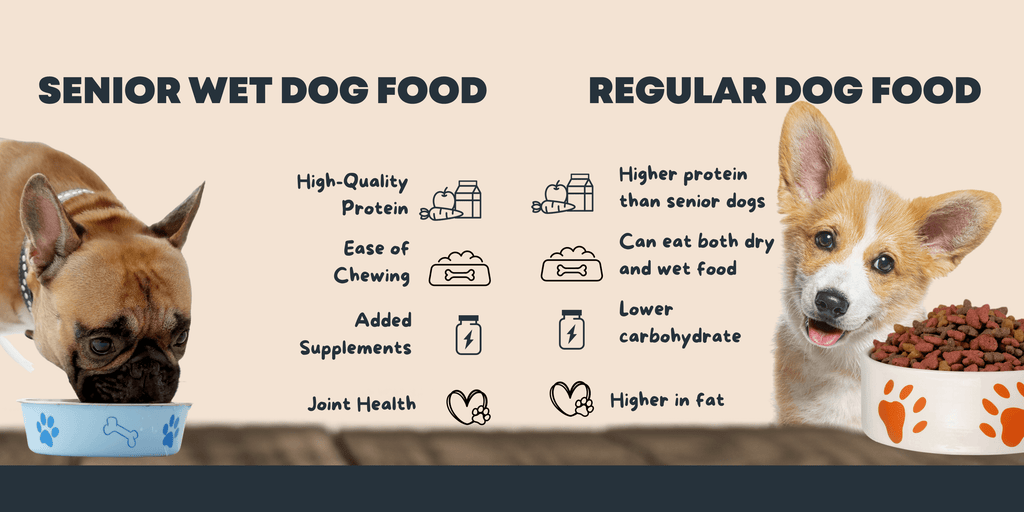
Sometimes, your dog’s diet might need a little boost. Supplements like glucosamine can support joint health, especially for larger breeds or older dogs. Probiotics help with digestion and immune system support.
Treats should never replace meals but can be useful for training or rewarding good behavior. Opt for natural treats with limited ingredients to avoid unnecessary fillers or sugars. What treats does your dog enjoy, and do they add any nutritional value?
Hydration Tips
Water is just as important as food in keeping your dog healthy. Always have fresh water available and encourage your dog to drink regularly. Dehydration can lead to serious health problems that are easily avoidable.
If your dog isn’t drinking enough, try adding water or low-sodium broth to their food. Wet dog food is another way to increase fluid intake. Notice any changes in your dog’s drinking habits—could it signal a health issue?

Credit: jiminys.com
Common Transition Challenges
Transitioning a dog from puppy food to adult dog food brings some common challenges. This change impacts their digestion, taste preferences, and behavior. Owners must be ready to handle these issues with patience and care. Understanding these challenges helps make the switch smoother and safer for the dog.
Picky Eating Solutions
Some dogs refuse new food during the transition. Their taste buds have grown used to puppy food flavors. Mixing old and new food gradually can help. Try this over 7 to 10 days. Warm the food slightly to enhance aroma and appeal. Offer meals at regular times to build routine. Avoid giving treats before meals to encourage eating. If picky eating persists, try different adult food flavors.
Allergy Considerations
Adult dog food may contain new ingredients. These can cause allergies or digestive upset. Watch for signs like itching, redness, or stomach issues. Speak to a vet about food allergies before switching. Choose adult foods with limited ingredients if allergies exist. Consider hypoallergenic formulas for sensitive dogs. Keep a food diary to track reactions during transition. Stop feeding the new food if severe allergies appear.
Behavioral Adjustments
Switching food can affect a dog’s mood and energy. Some may feel less energetic or grumpy. Changes in diet impact digestion and metabolism. Be patient and observe changes in behavior carefully. Maintain regular exercise and playtime to support mood. Avoid sudden lifestyle changes during the transition. Praise and comfort your dog to reduce stress. Consult a vet if behavior worsens or lasts long.
Frequently Asked Questions
When Should I Switch My Puppy To Adult Dog Food?
Switch to adult dog food when your puppy reaches 12 months old. Large breeds may need 18-24 months. This change supports their growth and nutritional needs.
How Do I Transition My Dog To Adult Food?
Gradually mix adult food with puppy food over 7-10 days. Increase adult food while decreasing puppy food. This prevents digestive upset and helps your dog adjust smoothly.
What Are Signs My Dog Is Ready For Adult Food?
Look for slowed growth, reduced energy needs, and adult teeth development. Consult your vet to confirm the best time to switch your dog’s diet.
Can Feeding Adult Food Too Early Harm My Puppy?
Yes, feeding adult food too soon can cause nutrient deficiencies. Puppies need higher protein and fat for growth. Always follow age recommendations for best health.
Conclusion
Transitioning your dog to adult food takes patience and care. Watch for changes in appetite or digestion. Choose a high-quality adult dog food suitable for your pet’s size and breed. Gradually mix adult food with puppy food over 7-10 days.
This helps avoid stomach upset and stress. Remember, every dog is different. Consult your vet if unsure about timing or diet. Healthy food supports your dog’s growth and energy. A smooth transition leads to a happy, healthy adult dog. Stay observant and kind during this important change.