
Are you wondering how much Blue Adult Large Dog Food your big furry friend needs every day? Feeding your large dog the right amount is key to keeping them healthy and full of energy.
Too little food can leave them hungry and tired, while too much can lead to weight problems. You’ll discover simple guidelines to make sure your dog gets just the right portion. Keep reading to learn how to keep your large dog happy and strong with the perfect serving of Blue Adult Large Dog Food.

Credit: www.homesalive.ca
Daily Feeding Amounts
Getting the daily feeding amounts right is essential for your adult dog’s health and energy. Blue Adult Large Dog Food offers balanced nutrition, but knowing how much to serve depends on several factors. Let’s break down the best feeding practices that fit your dog’s unique needs.
Recommended Portions By Weight
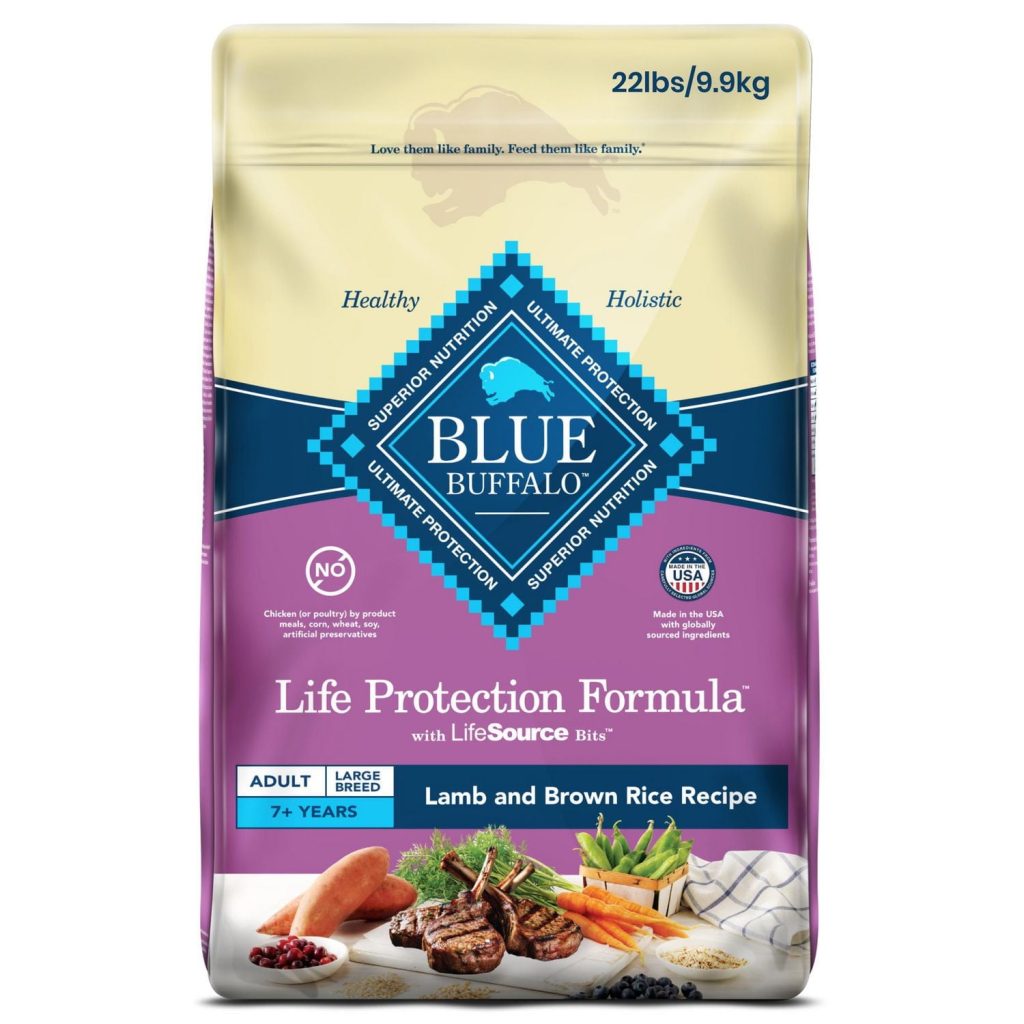
The amount of Blue Adult Large Dog Food your dog needs largely depends on their weight. Typically, a dog weighing between 50 to 90 pounds requires about 3 to 5 cups of food daily. You can start with the feeding chart on the packaging as a guide, then adjust based on your dog’s condition.
| Dog Weight (lbs) | Daily Food Amount (cups) |
|---|---|
| 50 – 60 | 3 – 3.5 |
| 61 – 75 | 3.5 – 4 |
| 76 – 90 | 4 – 5 |
Have you noticed your dog gaining or losing weight unexpectedly? Adjusting portions accordingly can help maintain their ideal weight.
Adjusting For Activity Levels
Your dog’s activity level changes how much food they burn. If your dog is highly active—like running, hiking, or playing daily—they need more calories. Adding an extra 10-20% of food can keep their energy up without leading to weight gain.
On the other hand, if your dog is mostly sedentary, it’s better to reduce food slightly to avoid extra pounds. Watching your dog’s energy and weight can guide you—does your dog seem sluggish or overly hungry? Those are clues to tweak the feeding amounts.
Age-based Feeding Guidelines
Age affects metabolism and nutritional needs. Even though Blue Adult Large Dog Food is formulated for adult dogs, younger adults may require more food, while senior dogs often need less. For example, a 2-year-old active dog might thrive on the higher end of the feeding range.
For older dogs, slowing down is normal, so cutting back on portion size can prevent weight issues. Have you checked if your vet recommends any changes based on your dog’s age? Tailoring food to their stage of life supports better health and longevity.
Factors Influencing Food Quantity
Determining the right amount of Blue Adult Large Dog Food for your dog isn’t just about following the package instructions. Several factors influence how much food your dog actually needs each day. Understanding these elements helps you avoid overfeeding or underfeeding, which can impact your dog’s health and energy levels.
Breed Size Variations
Not all large breeds require the same amount of food. A Great Dane will eat much more than a Labrador Retriever, even though both are considered large dogs.
Your dog’s size, metabolism, and activity level are crucial. Larger breeds with slower metabolisms might need fewer calories per pound than more active breeds. Have you noticed your dog’s energy levels after feeding? It’s a good clue to adjust the portion size accordingly.
Health Conditions And Diet
Health issues can change your dog’s dietary needs significantly. Dogs with allergies, digestive problems, or weight issues may require special formulas or adjusted portions.
If your vet recommends a low-calorie diet due to obesity, feeding the standard amount could harm your dog’s progress. On the other hand, dogs recovering from illness might need extra nutrients. Always tailor the food amount to your dog’s current health status and consult your vet regularly.
Climate And Seasonal Changes
Did you know your dog’s food needs can fluctuate with the seasons? In colder months, dogs often burn more calories to stay warm, which might mean larger portions.
Warmer weather can reduce your dog’s activity level and appetite, so feeding too much could lead to unwanted weight gain. Pay attention to how your dog behaves as the seasons change, and adjust the food quantity to match their energy needs.
Measuring And Serving Tips
Feeding your large adult dog the right amount of food is crucial. It ensures they stay healthy and active. Knowing how much to serve can be a bit tricky. Here are some tips to help you measure and serve Blue Adult Large Dog Food effectively.
Using Measuring Tools
Use a standard measuring cup to portion your dog’s food. Avoid using regular cups or scoops. They can lead to inaccuracies. Consistency is key. Measure the food the same way each time. This helps maintain your dog’s weight and health.
Feeding Schedule Suggestions
Stick to a regular feeding schedule. It helps with digestion and energy levels. Feed your dog twice a day. Morning and evening are ideal times. Avoid feeding right before bedtime. This can disrupt their sleep.
Transitioning Between Food Types
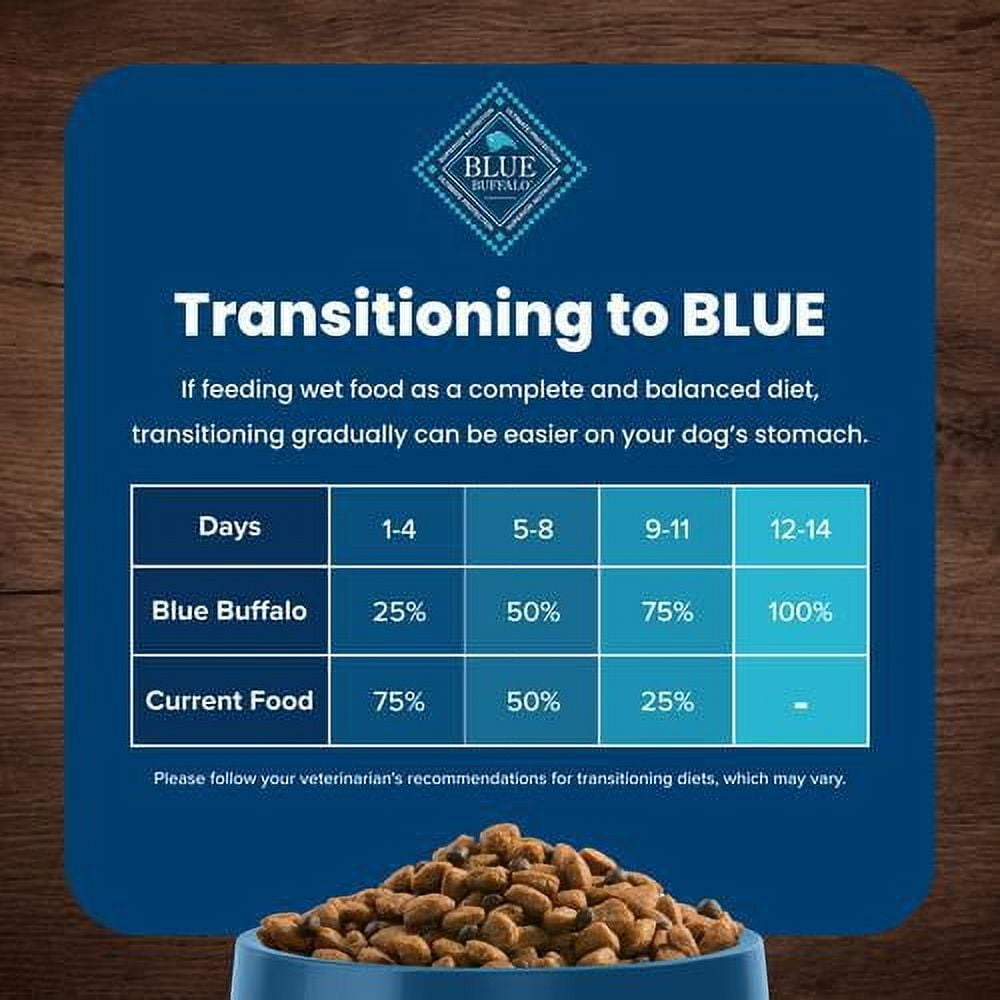
Switching food types should be gradual. Start by mixing a small amount of new food with the old. Increase the new food portion over a week. This helps avoid digestive issues. Your dog will adapt better to the change.
Avoiding Overfeeding
Feeding your Blue Adult Large dog the right amount of food keeps them healthy and active. Overfeeding can lead to weight gain and health problems. It is important to control how much food your dog eats each day. Understanding the signs and managing portions helps maintain their ideal weight. Treats are part of their diet but must be balanced with regular meals.
Recognizing Signs Of Overfeeding
Watch for a round belly or extra fat around the ribs. Your dog may become less active or tire easily. Notice if your dog begs for food often or finishes meals too quickly. Overfeeding can cause loose stools or digestive issues. Regularly check your dog’s weight to spot changes early.
Managing Weight Gain
Adjust meal portions based on your dog’s activity level. Use a measuring cup to serve consistent amounts of food. Increase exercise time to help burn extra calories. Consult your vet for a weight plan if your dog gains too much. Avoid free feeding to control how much your dog eats.
Balancing Treats And Meals
Limit treats to no more than 10% of daily calories. Choose healthy, low-calorie treats for training or rewards. Substitute treats with extra playtime or affection sometimes. Keep treat sizes small to avoid extra weight gain. Track treats separately to adjust meal portions accordingly.
Special Considerations
Feeding your adult large dog Blue Buffalo requires special attention to their unique needs. Not every dog’s situation is the same, so adjusting food amounts can make a big difference in their health and happiness. Understanding these special considerations helps you provide the right nutrition at every stage of your dog’s life.
Pregnant And Nursing Dogs
Pregnant and nursing dogs need more calories and nutrients to support their growing puppies. Blue Adult Large Dog Food might not meet all their extra demands on its own. You might need to increase the daily feeding amount by 25% to 50%, depending on your vet’s advice.
Have you noticed changes in your dog’s appetite during pregnancy or nursing? Pay close attention to those cues—they signal when it’s time to adjust their food. Adding a quality puppy formula or supplement can also help meet their higher protein and fat requirements.
Senior Dog Feeding Adjustments
Older dogs often have lower activity levels, which means they need fewer calories to avoid weight gain. However, they still require balanced nutrition to maintain muscle and joint health. Blue Adult Large Dog Food can be fed in smaller portions or combined with senior-specific formulas.
Watch your senior dog’s weight and energy closely. If they start gaining extra pounds or seem lethargic, reduce their portions or switch to a food designed for seniors. Have you tried adding omega-3 supplements to support your dog’s joints? Many owners find it improves mobility and comfort.
Consulting Your Veterinarian
Your vet knows your dog’s health history and can guide feeding amounts more precisely than any package recommendation. Regular check-ups give you a chance to discuss weight, activity, and dietary needs. Don’t hesitate to ask about specific adjustments for Blue Buffalo or any other food brand.
Sometimes, underlying health issues affect appetite or nutrient absorption. If you see unexpected weight changes or behavior shifts, a vet visit can uncover problems early. Would you feel more confident feeding your dog with professional advice tailored to their unique needs?

Credit: www.walmart.ca
Credit: www.walmart.ca
Frequently Asked Questions
How Much Blue Adult Large Dog Food Should I Feed Daily?
Feed your large adult dog about 3 to 4 cups of Blue dog food daily. Adjust portions based on activity level and weight. Always check the feeding guidelines on the package for accuracy.
What Are The Benefits Of Blue Adult Large Dog Food?
Blue Adult Large Dog Food supports healthy joints, digestion, and skin. It contains high-quality proteins and natural ingredients. This food promotes overall health and energy in large breed dogs.
Is Blue Adult Large Dog Food Suitable For All Large Breeds?
Yes, Blue Adult Large Dog Food is formulated for all large breed dogs. It meets nutritional needs specific to large dogs’ growth and maintenance. However, consult your vet for breed-specific requirements.
Can I Mix Blue Adult Large Dog Food With Other Brands?
You can mix Blue food with other brands gradually. Transition slowly over 7-10 days to avoid digestive upset. Mixing helps dogs enjoy varied flavors while maintaining balanced nutrition.
Conclusion
Choosing the right amount of Blue Adult Large Dog Food keeps your dog healthy. Feeding the correct portions supports energy and growth. Watch your dog’s weight and adjust food as needed. Always follow the feeding guide on the package. Fresh water is important alongside good food.
Regular check-ups help ensure your dog stays strong. Small changes in diet can make a big difference. Happy dogs come from good care and proper feeding. Keep your dog active and well-fed for a joyful life.