
Training a service dog on your own might seem like a big challenge, but it’s completely possible with the right approach. Imagine having a loyal companion who understands your needs and helps you every day.
You don’t have to rely on expensive trainers or wait months to get the support you deserve. You’ll discover simple steps and practical tips to guide your service dog’s training from start to finish. Keep reading, and you’ll gain the confidence and knowledge to build a strong bond with your dog while teaching them important skills that can change your life.
Choosing The Right Dog
Choosing the right dog is a crucial first step in training your own service dog. The success of your training depends heavily on the dog’s breed, temperament, and age. Selecting a dog that matches your specific needs and lifestyle will make the training process smoother and more effective.
Ideal Breeds For Service Work
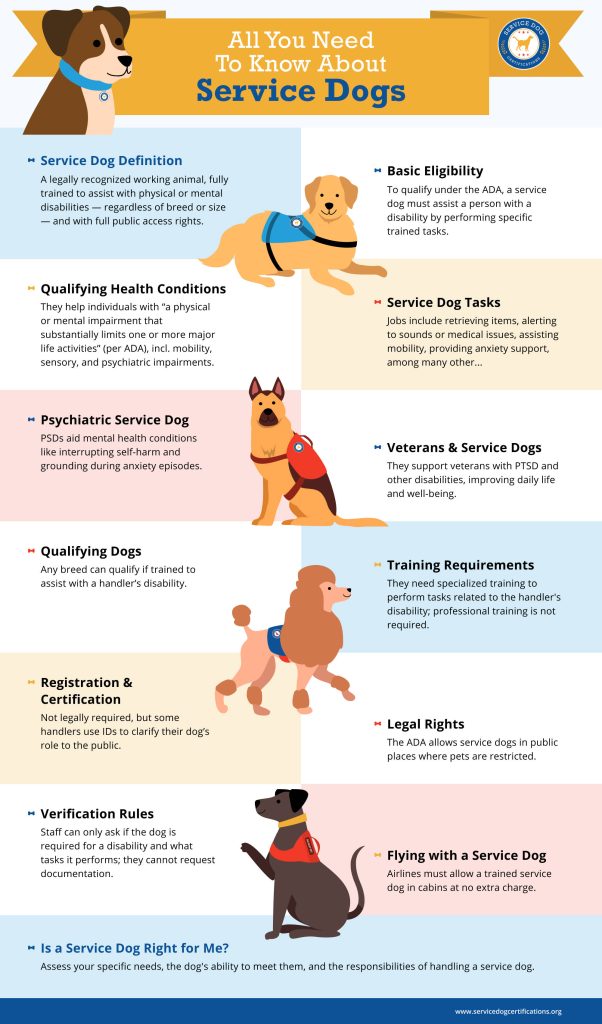
Some dog breeds naturally excel at service work due to their intelligence, trainability, and temperament. Popular choices include:
- Labrador Retrievers:Known for their friendly nature and eagerness to learn.
- Golden Retrievers:Patient and gentle, perfect for assisting people with disabilities.
- German Shepherds:Highly intelligent and protective, ideal for mobility or psychiatric support.
- Poodles:Hypoallergenic and quick learners, great for allergy sufferers.
Think about your lifestyle. Does your dog need to be hypoallergenic? Will you need a breed with high endurance or one that’s calm indoors? Your choice matters beyond just popularity.
Assessing Temperament And Behavior
Temperament is more important than breed alone. A service dog must be calm, focused, and social with people and other animals. Observe how the dog reacts to new environments and strangers.
Ask yourself: Can this dog stay calm under pressure? Does it respond well to commands? Early socialization can help, but natural behavior sets the foundation.
When I trained my own service dog, I spent weeks interacting with different dogs before deciding. A dog that shows patience and eagerness to please makes training less frustrating.
Age Considerations
Starting training with a puppy gives you control over socialization and habits, but it requires patience and time. Puppies need to learn basic obedience before moving to specialized tasks.
Older dogs, especially those already trained in obedience, can sometimes adapt quickly to service work. However, behavioral issues or health problems might limit their suitability.
Consider your availability and training skills. Can you commit several months to a puppy, or do you need a dog that’s ready sooner? Both options have pros and cons worth weighing carefully.

Credit: www.greensafaris.com
Basic Training Foundations
Training a service dog starts with solid basic foundations. These fundamentals create the path for successful learning. Focus, obedience, and social skills shape a dog’s ability to assist.
Strong basics help build trust between you and your dog. Consistency and patience ensure steady progress. Let’s explore key areas that form the core of service dog training.
Establishing Commands
Clear and simple commands guide your dog’s actions. Use short words like “sit,” “stay,” and “come.” Speak calmly and repeat commands consistently.
Pair commands with hand signals for better understanding. Reward your dog immediately with treats or praise. This encourages quick learning and positive behavior.
Building Focus And Obedience
Focus is vital for a service dog’s success. Train in quiet spaces first to minimize distractions. Gradually introduce new environments to strengthen attention.
Practice obedience daily with short sessions. Keep training fun and rewarding. Use a calm voice and avoid punishment to maintain trust.
Socialization Strategies
Social skills help your service dog stay calm and confident. Expose your dog to different people, places, and sounds gently. Monitor reactions and reward calm behavior.
Introduce new experiences slowly to prevent stress. Safe socialization builds a well-rounded dog ready for real-world tasks.
Specialized Service Skills
Training a service dog requires more than basic obedience; it demands teaching specialized skills tailored to your unique needs. These skills enable your dog to assist you effectively in daily life. Focusing on these skills early helps build a strong, reliable partnership between you and your dog.
Task Identification And Selection
Start by pinpointing the exact tasks your dog needs to perform. Think about what challenges you face regularly and how a dog could help. For example, if you have mobility issues, your dog might learn to retrieve dropped items or open doors.
Write down the most important tasks and prioritize them. This clarity helps you stay focused during training sessions. Have you considered which tasks would make the biggest difference in your daily routine?
Teaching Specific Service Tasks
Break down each task into simple steps. If you want your dog to alert you to a specific sound, like a doorbell or alarm, start by associating that sound with a reward. Use consistent commands and gestures to avoid confusion.
Patience is key here. Some tasks take longer to learn, but steady practice will get you there. Remember, your dog isn’t just learning tricks—they’re gaining skills that improve your independence.
Reinforcing Reliability
Consistency builds trust and reliability. Practice tasks in different environments and situations to ensure your dog responds every time. This prevents them from getting distracted or confused when it counts most.
Use positive reinforcement often—treats, praise, or play—so your dog enjoys working with you. Have you noticed how small rewards can motivate your dog to perform better?
Reliable service means your dog acts correctly without hesitation. This reliability comes from your dedication to regular, focused training sessions.
Creating A Training Routine
Creating a training routine is essential for teaching a service dog effectively. A well-planned routine helps your dog learn skills faster and stay motivated. Consistency builds good habits and reduces confusion for your dog.
Training should fit into your daily life without causing stress. Setting clear times and goals makes learning smooth and enjoyable. A balanced routine keeps your dog focused and happy.
Scheduling Consistent Sessions
Train your dog at the same times every day. Short, regular sessions work best. Aim for 10 to 15 minutes each time. This keeps your dog’s attention sharp.
Use a quiet, distraction-free space for training. Consistency helps your dog understand what to expect. Write down your schedule and stick to it.
Balancing Training And Rest
Rest is as important as training. Dogs need breaks to process what they learn. Watch for signs of tiredness or stress.
Give your dog time to relax between sessions. Playtime and walks help reduce boredom. A well-rested dog learns better and stays healthy.
Using Positive Reinforcement
Reward good behavior immediately. Use treats, praise, or toys your dog likes. Positive reinforcement encourages your dog to repeat actions.
Avoid punishment. It can cause fear and confusion. Reward small steps toward the goal. Celebrate progress, no matter how small.
Handling Challenges
Training a service dog alone can bring many challenges that test your patience and skills. Staying calm and consistent helps overcome obstacles and build trust with your dog. Small, steady progress leads to success over time.
Training a service dog on your own can be a rewarding yet challenging journey. One of the most common hurdles you’ll face is handling various challenges that arise during training. Every dog is unique, and understanding how to tackle these issues effectively is key to success.Overcoming Distractions
Distractions are inevitable. Whether it’s a squirrel darting across the park or a loud noise from a passing vehicle, these can easily divert your dog’s attention. Start by training in a quiet environment, gradually introducing more distractions as your dog becomes more focused. Consistency is crucial. If your dog becomes distracted, calmly redirect their attention back to the task. You might find using a favorite toy or treat helps in regaining their focus. Ever noticed how your dog perks up when you mention a walk? Use similar verbal cues to keep their attention on you.Managing Behavioral Issues
Behavioral issues can vary from excessive barking to aggression. It’s vital to address these issues early on. Identify the triggers for these behaviors. Is it a specific sound, person, or situation? Use positive reinforcement to encourage desired behavior. For instance, if your dog barks at strangers, reward them when they remain calm. You might find that ignoring negative behavior also reduces its frequency over time. Remember, patience is your best tool here.Adjusting Training Techniques
Not every training method works for every dog. Pay attention to your dog’s reactions. Are they responding well to commands, or do they seem confused? Adapt your techniques as needed. If your dog struggles with verbal commands, try incorporating hand signals. You may discover that switching up your routine keeps your dog engaged and eager to learn. Have you ever tried teaching a new trick, only to realize your dog learns it faster with a different approach? That’s the beauty of adjusting your methods—every small tweak can lead to big breakthroughs. By understanding and handling these challenges, you’re not only training a service dog but also building a stronger bond. Are you ready to face these challenges head-on?
Credit: my.americanservicepets.com
Legal And Certification Insights
Training a service dog on your own involves more than just teaching commands and behaviors. Understanding the legal framework and certification requirements is crucial. Without this knowledge, you risk facing challenges when you bring your dog into public spaces or need to prove its status.
Understanding Service Dog Laws
Service dog laws vary by country and sometimes by state or region. In the U.S., the Americans with Disabilities Act (ADA) defines what qualifies as a service dog and outlines the rights of handlers. Your dog must be trained to perform tasks directly related to your disability.
Not every trained dog qualifies legally as a service dog. Emotional support animals, for example, do not have the same public access rights. Are you clear on what your local laws say about service dogs?
Documentation And Identification
No official government certification is required for service dogs under the ADA, but having proper documentation can ease interactions with businesses and public venues. You might consider carrying a letter from a healthcare provider stating your need for a service dog.
Identification items like vests or ID cards can help signal your dog’s role. However, these items do not guarantee legal protection. Could clear, respectful communication about your dog’s role avoid unnecessary confrontations?
Preparing For Public Access
Public access training is critical for your service dog to behave appropriately in busy or distracting environments. Practice entering stores, using public transportation, and visiting crowded places to build confidence and reliability.
Remember, staff cannot ask about your disability but can ask if your dog is required because of a disability and what tasks it performs. How prepared are you and your dog to handle these questions smoothly?
Maintaining Service Dog Skills
Maintaining your service dog’s skills is essential to ensure they remain reliable and effective in their role. Consistent practice and care help keep their training sharp and their health in top condition. This ongoing effort strengthens the bond between you and your dog, making their assistance more seamless and trustworthy.
Ongoing Practice And Evaluation
Regularly practicing your dog’s trained tasks keeps their skills fresh and dependable. Short, daily training sessions work better than long, infrequent ones because they prevent boredom and reinforce learning.
Evaluate their performance by setting up real-life scenarios. For example, practice retrieving items in different environments like parks or stores to test their focus and adaptability.
Ask yourself: Is your dog responding quickly and accurately? If not, adjust your training techniques or seek advice from experienced handlers.
Health And Wellness Care
Your service dog’s physical and mental health directly impacts their ability to work. Schedule routine vet visits to catch any issues early, and keep vaccinations up to date.
Provide a balanced diet, plenty of exercise, and mental stimulation. A tired, healthy dog is more attentive and ready to assist you.
Watch for signs of discomfort or stress, such as changes in behavior or appetite. Address these promptly to avoid long-term problems.
Adapting To Changing Needs
As your life changes, so might the tasks your service dog needs to perform. Be ready to teach new skills or modify existing ones to fit your evolving requirements.
For example, if your mobility decreases, your dog might need to learn to pick up dropped items more often. Introduce these new commands gradually, using positive reinforcement.
How can you better anticipate your future needs? Reflect regularly on your lifestyle and health, and plan training updates accordingly to keep your service dog an effective partner.

Credit: www.youtube.com
Frequently Asked Questions
What Basic Skills Should I Teach My Service Dog First?
Start with essential commands like sit, stay, come, and heel. These build a foundation for advanced tasks. Consistent training and positive reinforcement help your dog learn quickly and reliably.
How Long Does It Take To Train A Service Dog?
Training a service dog usually takes 6 months to 2 years. It depends on the dog’s breed, temperament, and your training consistency. Patience and regular practice are key for success.
Can I Train A Service Dog Without Professional Help?
Yes, you can train a service dog independently. Use reliable resources, follow structured training plans, and practice regularly. However, consulting professionals can improve training quality and address specific challenges.
What Legal Requirements Apply To Training Service Dogs?
Service dogs must be trained to perform specific tasks for disabilities. They should behave well in public and not pose risks. Familiarize yourself with local laws and ADA guidelines to ensure compliance.
Conclusion
Training a service dog on your own takes time and patience. Start with simple commands and practice daily. Consistency helps your dog learn faster. Always reward good behavior to keep motivation high. Remember, every dog learns at its own pace.
Stay calm and positive during training sessions. Your effort will build a strong bond with your dog. Trust the process and enjoy each small success. This journey creates a helpful, loyal companion for life. Keep learning and adjusting your methods as needed.
Your service dog will become a true partner.