Are you wondering if your adult dog can still eat puppy food? You’re not alone.
Many dog owners face this question, especially when their furry friend seems to enjoy those tasty puppy kibbles. But is it safe? Could it affect your dog’s health or energy levels? Keep reading, because what you feed your dog matters more than you might think.
Understanding the difference between puppy and adult dog food can help you make the best choice for your pet’s well-being. Let’s dive into the facts and clear up the confusion once and for all.
Credit: www.petsradar.com
Differences Between Puppy And Adult Dog Food
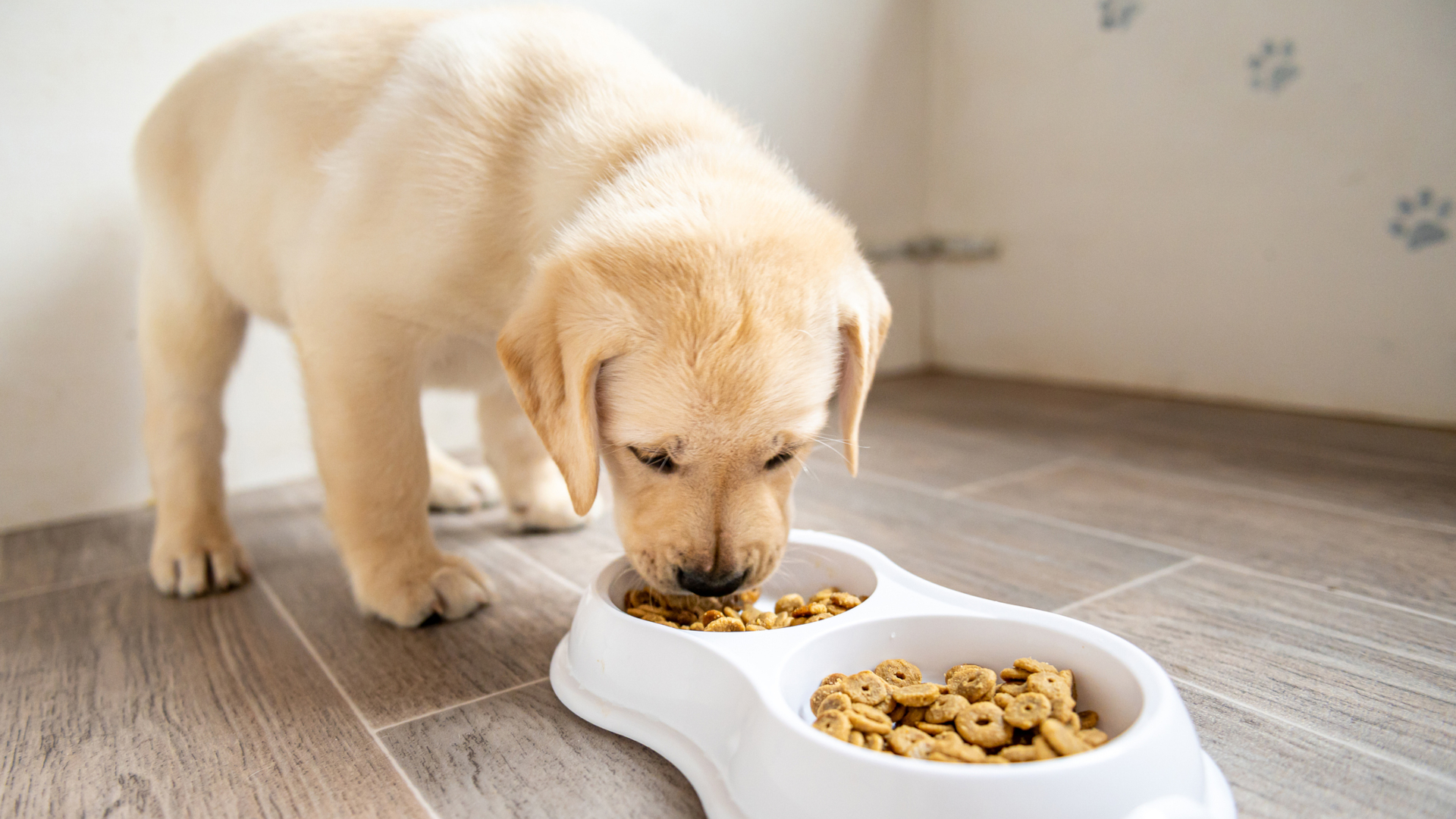
Understanding the differences between puppy and adult dog food is key to making the right choice for your pet’s health. Puppy food is tailored to support growth and development, while adult dog food focuses on maintenance and long-term health. Knowing these distinctions helps you decide if feeding adult dogs puppy food is a good idea or not.
Nutritional Content Variations
Puppy food is packed with nutrients that support rapid growth, such as higher levels of calcium and phosphorus for strong bones. Adult dog food usually has balanced nutrients to maintain health without encouraging weight gain. Feeding your adult dog puppy food means they might get too much of certain nutrients, which can lead to problems over time.
Calorie And Protein Levels
Puppy food contains more calories and protein to fuel their active growth phase. Adult dogs, especially those less active, don’t need as many calories or as much protein. Overfeeding your adult dog with puppy food can cause unnecessary weight gain and strain on their kidneys.
Ingredient Composition
The ingredients in puppy food often include added fats and easily digestible proteins to support energy and development. Adult dog food ingredients focus on balanced fats and fiber to help with digestion and weight control. If your adult dog eats puppy food regularly, it may upset their digestion or cause nutrient imbalances.
Why Adult Dogs Might Eat Puppy Food
Adult dogs might eat puppy food for several reasons. Sometimes, it is about taste. Other times, it is about what is available. Some dogs may even eat puppy food due to health needs. Understanding why can help owners care better for their pets.
Preference For Taste Or Texture
Puppy food often tastes richer and smells stronger. This can attract adult dogs more than their regular food. The softer texture of puppy food also appeals to some adult dogs. They might find it easier to chew or more enjoyable.
Availability And Convenience
Sometimes, puppy food is simply what is on hand. Owners might feed it by mistake or to save time. In multi-dog homes, food mixes can happen easily. Adult dogs might eat puppy food because it is nearby or left out.
Potential Health Reasons
Some adult dogs need extra nutrients found in puppy food. Dogs recovering from illness or those who are very active may benefit. Puppy food has higher protein and fat levels. This can help adults who need more energy or better healing support.
Benefits Of Feeding Puppy Food To Adult Dogs
Adult dogs can benefit from puppy food’s higher protein and nutrient levels. It supports energy and muscle maintenance but should be given carefully to avoid weight gain. Feeding puppy food occasionally helps active adult dogs stay healthy and strong.
Feeding puppy food to adult dogs may seem unusual. Yet, there are several benefits. Puppy food is rich in nutrients. It supports various health needs of adult dogs.Increased Energy And Nutrients
Puppy food contains high energy levels. It has more calories than adult dog food. This can boost your dog’s energy. Active adult dogs may benefit from this extra energy. They stay playful and alert throughout the day.Support For Active Or Working Dogs
Active or working dogs need more nutrients. Puppy food provides essential vitamins and minerals. It supports their active lifestyle. Strong muscles and better endurance are key benefits.Aid In Recovery Or Growth
Dogs recovering from illness need extra care. Puppy food can aid in their recovery. It supports faster healing and growth. It provides additional proteins and fats. This helps build strength and vitality.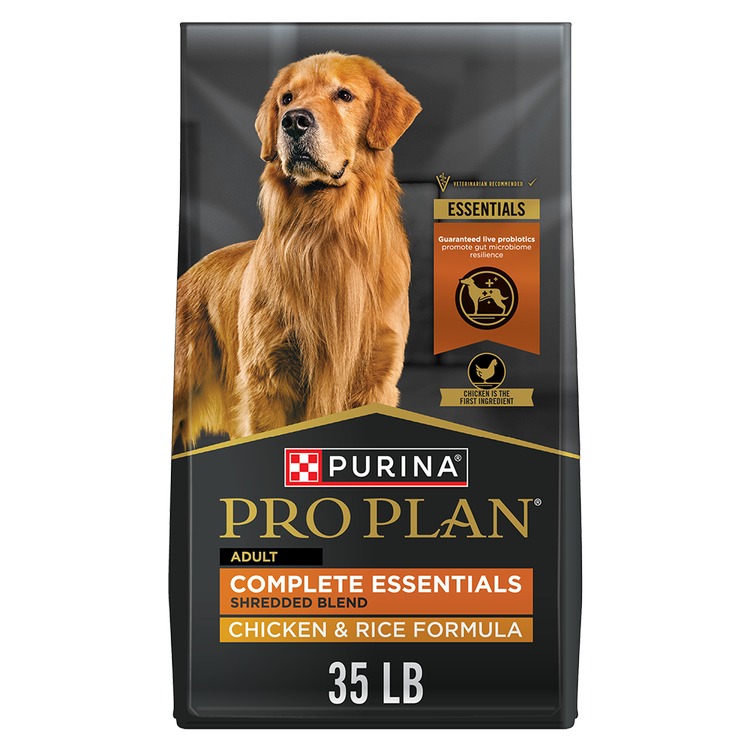
Credit: www.purina.com
Risks Of Adult Dogs Eating Puppy Food
Adult dogs eating puppy food may face several health risks. Puppy food is designed to support growth and development, not the needs of a mature dog. Feeding adult dogs puppy food regularly can cause problems that affect their overall well-being. Understanding these risks helps pet owners make better food choices.
Excess Calories And Weight Gain
Puppy food contains more calories than adult dog food. Adult dogs do not need that much energy daily. Eating extra calories leads to weight gain. Overweight dogs have a higher risk of health problems. Joint pain, diabetes, and heart disease become common issues.
Digestive Issues And Upset Stomach
The rich ingredients in puppy food may upset an adult dog’s stomach. Dogs can experience diarrhea, vomiting, or gas. Their digestive systems are not made for such rich diets. Sudden changes in food can also worsen digestive troubles. Keeping a consistent diet helps avoid these issues.
Nutrient Imbalance Over Time
Puppy food has more protein and fat than adult dogs need. Long-term feeding causes nutrient imbalance. Adult dogs may lack important vitamins or minerals. Excess nutrients can strain organs like the kidneys and liver. Balanced adult dog food supports healthy aging better.
When To Consider Puppy Food For Adults
Adult dogs have different nutritional needs than puppies. Puppy food is richer in calories and nutrients to support growth. Sometimes, adult dogs might benefit from puppy food, but only under certain conditions. Understanding when to consider puppy food for adults helps keep your dog healthy and happy.
Veterinary Recommendations
Veterinarians may suggest puppy food for adult dogs in special cases. They assess the dog’s health, weight, and activity level. If your dog needs extra energy or nutrients, a vet might recommend puppy food. Always follow professional advice before changing your dog’s diet.
Specific Health Conditions
Certain health problems require more calories or protein. Dogs recovering from surgery or illness may need richer food. Puppy food can help with weight gain and muscle rebuilding. Dogs with digestive issues might also benefit from this diet temporarily.
Temporary Feeding Situations
Some adult dogs eat puppy food only for a short time. This can happen during growth spurts or after intense exercise. It can also be useful when transitioning between foods. Use puppy food briefly and return to adult food to avoid obesity risks.
Alternatives To Puppy Food For Adult Dogs
Adult dogs need different nutrition than puppies. Puppy food has extra calories and nutrients for growth. Feeding adult dogs puppy food regularly can lead to weight gain and other health issues. Choosing the right diet supports your dog’s health and energy levels. Many alternatives exist that meet adult dogs’ needs well.
Adult Dog Food Options
Adult dog food has balanced nutrients for maintenance and energy. It contains fewer calories than puppy food to prevent obesity. Kibble, wet food, and dry formulas are available. Look for brands with quality protein, healthy fats, and essential vitamins. Adult formulas often include ingredients for joint health and digestion support.
Specialized Diets For Health Needs
Some adult dogs need special diets for health conditions. Weight management food helps overweight dogs slim down safely. Hypoallergenic diets reduce allergies and skin problems. Senior dog formulas support aging joints and cognitive function. Prescription diets target specific illnesses like kidney or digestive issues. Always consult a vet before switching to a specialized diet.
Homemade And Raw Diet Choices
Homemade meals give control over ingredients and freshness. Cooking lean meats, vegetables, and grains creates balanced meals. Raw diets include uncooked meat, bones, and organs. These diets require careful planning to avoid nutrient gaps. Supplements may be necessary to ensure complete nutrition. Consult a vet or pet nutritionist before starting homemade or raw feeding.
Tips For Transitioning Between Foods
Switching your adult dog from puppy food to adult food needs care. A smooth transition helps avoid stomach upset. It supports your dog’s digestion and health. Follow these tips for a stress-free food change.
Gradual Introduction Method
Start by mixing a small amount of adult food with puppy food. Increase the adult food portion every few days. This slow change lets your dog’s stomach adjust. Avoid sudden switches to prevent diarrhea or vomiting.
Monitoring Dog’s Response
Watch your dog’s behavior and stool quality closely. Look for signs like vomiting, diarrhea, or loss of appetite. If problems appear, slow down the transition. Healthy dogs will show good energy and normal stools.
Adjusting Portion Sizes
Adult dogs need different calorie amounts than puppies. Adjust the food quantity based on your dog’s weight and activity. Follow feeding guidelines on the package as a starting point. Consult your vet for personalized advice if needed.

Credit: www.petscare.com
Frequently Asked Questions
Can Adult Dogs Eat Puppy Food Safely?
Adult dogs can eat puppy food occasionally, but it’s not ideal long-term. Puppy food is higher in calories and nutrients, which may cause weight gain and digestive issues in adults.
What Happens If Adult Dogs Eat Puppy Food Regularly?
Regular consumption of puppy food by adults can lead to obesity and nutrient imbalance. Adult dogs need a diet tailored to their lower energy needs and different nutrient ratios.
Is Puppy Food More Nutritious Than Adult Dog Food?
Yes, puppy food contains more protein, fat, and calories. It supports growth but may be excessive for adult dogs, making adult formulas more suitable for maintenance.
Can Feeding Puppy Food Harm An Adult Dog’s Health?
Feeding puppy food long-term can stress an adult dog’s kidneys and cause weight gain. It’s best to switch to adult dog food for balanced nutrition and health.
Conclusion
Adult dogs can eat puppy food sometimes, but it is not best. Puppy food has more calories and nutrients meant for growth. Feeding it often may cause weight gain or stomach issues. Choose food made for adult dogs to keep them healthy.
Always watch your dog’s weight and energy levels. Talk to your vet before changing food types. Good nutrition helps dogs live longer and feel better. Keep your pet happy with the right diet every day. Simple care makes a big difference.