
You want to give your dog the best care, and that includes feeding them the right food at the right time. But when exactly should you start giving your dog adult food?
It’s a question every dog owner faces, and getting it right can make a big difference in your furry friend’s health and happiness. You’ll discover clear signs and simple tips to know the perfect moment to switch your dog’s diet.
Keep reading to ensure your dog’s meals are always just right.
Signs Your Puppy Is Ready
Knowing when to switch your puppy to adult dog food is important. Puppies grow fast and their needs change quickly. Watch for clear signs that your puppy is ready for this change. These signs help you feed the right food for healthy growth.
Age Milestones
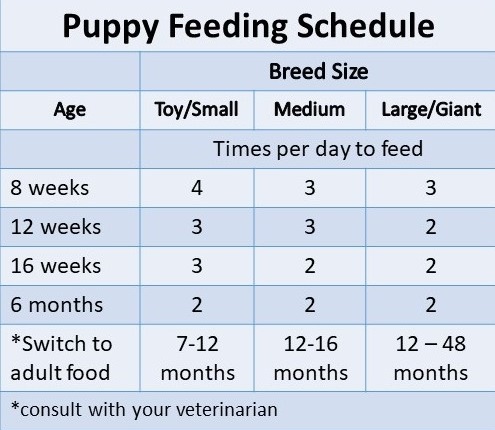
Puppies usually start adult food between 9 and 12 months. Large breeds may need more time, around 12 to 18 months. Small breeds often switch earlier, near 9 months. Age is a simple guide but not the only factor.
Physical Growth Indicators
- Your puppy’s body looks fuller, less chubby.
- Teeth are all grown and strong.
- Muscles are more defined and firm.
- Energy levels start to stabilize.
These changes show your puppy’s growth is slowing. They need food that supports adult body maintenance now.
Behavioral Changes
- Your puppy eats less often but larger meals.
- Interest in play becomes more steady, less frantic.
- Sleeping patterns change, with longer rest times.
- Less chewing on everything, more focused behavior.
Such behavior means your puppy is maturing. Adult food matches these new habits and needs.
Breed And Size Considerations
Choosing the right time to switch your dog to adult food depends on their breed and size. Different breeds grow at different rates. Size also affects how fast your dog matures. Understanding these factors helps you provide the best nutrition for your pet.
Small Breeds
Small breed dogs mature faster than larger breeds. They often reach adulthood by 9 to 12 months. Switching to adult food around this age supports their energy needs. Small breeds have faster metabolisms and need nutrient-rich food.
Medium Breeds
Medium breed dogs grow steadily and usually mature by 12 to 14 months. Their energy levels balance out as they reach adulthood. Transitioning to adult food during this period helps maintain healthy growth. Choose foods that meet their moderate activity requirements.
Large And Giant Breeds
Large and giant breeds grow slower and take longer to mature. They often need puppy food for 12 to 18 months or more. Switching too early can cause joint and bone problems. Use adult food only when your vet confirms full growth. Special formulas support their unique health needs.
Nutritional Differences
Puppies need food rich in calories and nutrients for growth. Adult dog food has fewer calories and supports maintenance, not growth. Switching too early or late can affect your dog’s health and energy levels.
Understanding the nutritional differences between puppy food and adult food is crucial for your dog’s health. Transitioning your furry friend to adult food at the right time ensures they receive the essential nutrients needed for their growth and well-being. But how do puppy and adult dog foods differ in their nutritional content?Puppy Food Vs Adult Food
Puppy food is designed to support rapid growth and development. It contains higher levels of protein and fat to fuel their active lifestyle. Adult dog food, on the other hand, has balanced nutrients aimed at maintaining steady energy levels and overall health. Switching to adult food too late can lead to unnecessary weight gain.Key Nutrients To Watch
Calcium and phosphorus are vital for puppies, helping to build strong bones and teeth. However, excess of these minerals in adult dogs can cause health issues. Omega-3 fatty acids support brain development in puppies, while adult dogs benefit from these nutrients for a shiny coat and joint health. Are you checking your pet food labels for these crucial components?Energy Requirements
Puppies burn energy rapidly, requiring more calories per pound than adult dogs. This is why their food is calorie-dense. Adult dogs need fewer calories to prevent obesity. Adjusting portion sizes when transitioning to adult food can help maintain an ideal weight. Is your dog getting the right amount of energy from their food? Ensuring you meet their specific energy needs is vital for a long and healthy life.
Credit: dogsauce.co
Transitioning Your Dog’s Diet
Transitioning your dog’s diet from puppy food to adult food is a crucial step that requires care and attention. Sudden changes can upset your dog’s stomach and affect their overall health. Taking the right approach ensures your furry friend adapts smoothly and stays happy and healthy.
Gradual Food Introduction
Start by mixing a small amount of adult food into your dog’s current puppy food. Increase the adult food portion little by little over 7 to 10 days. This slow change helps your dog’s digestive system adjust without causing discomfort.
Pay close attention to how your dog reacts each day. If you notice any signs of upset stomach, such as vomiting or diarrhea, slow down the transition even more. Remember, patience is key to a successful switch.
Monitoring Digestive Health
Keep an eye on your dog’s bowel movements and energy levels during the transition. Consistent, firm stools usually indicate your dog is handling the new food well.
Watch for any signs of allergies or intolerance like itching, redness, or excessive gas. If these symptoms occur, consult your vet promptly to rule out food sensitivities.
Adjusting Portion Sizes
Adult dogs generally need fewer calories than puppies because their growth rate slows down. Start by feeding slightly smaller portions of adult food compared to what your dog ate as a puppy.
Observe your dog’s weight and activity to find the right portion size. If your dog starts gaining too much weight, reduce the portions; if they seem hungry or lose weight, increase them gradually.
Have you noticed how your dog’s appetite changes after switching foods? Adjusting portions thoughtfully keeps your dog fit and satisfied without overfeeding.
Veterinarian Recommendations
Veterinarian recommendations play a vital role in deciding when to switch your dog to adult food. Vets provide advice based on your dog’s breed, size, and overall health. Their guidance helps avoid digestive issues and ensures proper nutrition during growth.
Following professional advice can make the transition smooth. It also supports your dog’s long-term health and wellbeing.
When To Consult A Vet
Consult your vet before changing your dog’s diet. Puppies grow at different rates depending on breed. Small breeds often switch to adult food earlier than large breeds. Your vet can determine the right time based on age and weight.
Check with your vet if your dog shows signs of digestive upset. Sudden weight changes or lethargy also require professional advice. Early consultation helps prevent nutrition problems.
Special Health Needs
Some dogs have special health conditions affecting their diet. Your vet may recommend specific adult formulas for allergies or sensitivities. Dogs with kidney issues or diabetes need tailored nutrition plans.
Working with your vet ensures your dog receives food that supports their unique health needs. Avoid changing diets without expert input when special conditions exist.
Supplements And Additives
Your vet might suggest supplements to add during the diet change. These can include vitamins, minerals, or joint support additives. Supplements help fill nutritional gaps in adult food.
Ask your vet before adding anything new. Over-supplementing can cause harm. Proper guidance ensures your dog gets balanced nutrition for healthy growth.

Credit: jiminys.com
Common Mistakes To Avoid
Changing your dog’s diet from puppy to adult food requires care. Many pet owners make common mistakes. These errors can affect your dog’s health and growth. Avoid these pitfalls to ensure a smooth transition and keep your dog healthy.
Switching Too Early
Some owners change to adult food before their puppy is ready. Puppies still growing need special nutrients found in puppy food. Switching too soon may cause nutritional gaps. Wait until your dog reaches the right age and size for adult food.
Ignoring Breed Differences
Different breeds grow at different rates. Large breeds mature slower than small breeds. Treating all dogs the same can harm their development. Choose food based on your dog’s breed and size, not just age.
Overfeeding During Transition
Changing food can cause appetite changes. Some owners feed too much to comfort their dog. Overfeeding leads to weight gain and health issues. Follow feeding guidelines and adjust portions slowly during the switch.
Signs Your Dog May Need Adult Food Sooner
Recognizing when to switch your dog to adult food can be tricky. Some dogs need adult food earlier than others. Watch closely for signs that show your dog is ready for this change. Early transition can support healthy growth and energy levels.
Rapid Growth Spurts
Rapid growth means your dog needs more nutrients for strong bones and muscles. Large breeds often grow faster and may need adult food sooner. Notice if your puppy suddenly becomes taller or heavier. Their food should match these changes.
Behavioral Maturity
Behavior changes can signal readiness for adult food. Puppies calm down and show less hyperactivity as they mature. When your dog acts more like an adult, it may be time to switch diets. This helps keep their energy steady throughout the day.
Changes In Appetite
A change in appetite may mean your dog needs different food. If your puppy eats less or seems less hungry, adult food might suit them better. Sometimes, increased hunger means growth needs are rising. Adjusting food type can balance their nutrition and hunger.
Credit: www.webbox.co.uk
Adjusting Food As Your Dog Ages
Adjusting your dog’s food as they age helps maintain their health and energy. Dogs need different nutrients at various life stages. Changing their diet supports their changing bodies and keeps them happy.
From Adult To Senior Diet
Dogs usually switch from adult to senior food around 7 years old. Senior diets have fewer calories and more fiber. These changes help with slower metabolism and digestion. Senior dog food also contains nutrients for joint health and brain function.
Monitoring Weight And Activity
Watch your dog’s weight regularly. Less activity means fewer calories are needed. Overweight dogs have more health risks like diabetes and heart problems. Adjust food portions to keep your dog at a healthy weight. Keep track of their activity level to match food intake.
Tailoring Food To Health Changes
Health issues can affect your dog’s diet needs. Dogs with allergies may need special food. Those with kidney or heart problems need diets low in certain minerals. Talk to your vet to find the best food for health changes. Tailoring food helps improve quality of life.
Frequently Asked Questions
When Should I Switch My Puppy To Adult Dog Food?
Switch to adult dog food when your puppy reaches about 12 months old. Large breeds may need adult food later, around 18-24 months. Consult your vet for breed-specific advice to ensure proper nutrition during growth.
What Are Signs My Dog Is Ready For Adult Food?
Look for slowed growth, stable weight, and decreased energy levels. Your dog’s teeth and bones should be fully developed. These signs indicate your dog can handle adult dog food nutrition safely.
Can I Mix Puppy And Adult Food During Transition?
Yes, gradually mix increasing amounts of adult food with puppy food. This helps your dog adjust to new nutrition and prevents digestive upset. Transition should last about 7-10 days for best results.
Why Is Feeding Adult Dog Food At The Right Time Important?
Feeding adult food too early may cause nutrient imbalances and growth issues. Feeding too late can lead to excess calories and obesity. Proper timing supports healthy development and maintains your dog’s overall well-being.
Conclusion
Choosing the right time to switch to adult dog food is important. Most dogs need this change around one year old. Watch your dog’s size and energy to guide you. Healthy growth means it’s time to try adult food. Always introduce new food slowly, to avoid upset stomachs.
Consult your vet for advice tailored to your dog. Giving your dog proper nutrition helps them stay strong and happy. Remember, every dog is different. Pay attention to their needs and adjust feeding accordingly. Good food leads to a good life.