
Training your dog to use the toilet in an apartment can feel challenging. Limited space and busy schedules make it harder than in a house with a yard.
But what if you could teach your dog to do their business cleanly, safely, and without stress? Imagine coming home to a fresh-smelling apartment and a happy, well-trained pet. In this guide, you’ll discover simple, effective steps to toilet train your dog right where you live.
Keep reading, and you’ll find out how to make this process easy for both you and your furry friend.

Credit: www.reddit.com
Choosing The Right Spot
Choosing the right spot for toilet training your dog in an apartment is very important. The right place helps your dog learn faster and avoid accidents. It also keeps your home clean and smells fresh. Think about your dog’s size, habits, and your living space when picking a spot.
Keep the spot easy to reach and quiet. Your dog should feel safe and comfortable there. Consistency is key. Use the same spot every time to build a good habit.
Indoor Vs Outdoor Options
Indoor spots work well for small apartments or bad weather. They are convenient and easy to control. Outdoor options give your dog fresh air and natural cues for toilet time. Choose based on your daily routine and your dog’s needs.
- Indoor spots need to be in a low-traffic area.
- Outdoor spots should be safe and accessible.
- Outdoor training helps dogs learn natural bathroom habits.
Using Puppy Pads
Puppy pads are useful for indoor toilet training. They absorb urine and reduce mess. Place the pads in the chosen spot and encourage your dog to use them. Change pads often to keep the area clean and smell-free.
- Use enough pads to cover the area.
- Train your dog to go only on the pads.
- Slowly move the pads closer to the door if planning outdoor training later.
Balcony Or Nearby Outdoor Areas
A balcony can be a great toilet spot for apartment dogs. It offers fresh air and an outdoor feel without leaving home. Use grass patches or artificial turf to create a natural surface. Nearby outdoor areas work well too if they are safe and quiet.
- Keep the balcony clean and odor-free.
- Use a leash to guide your dog outside.
- Choose a spot with minimal distractions for better focus.
Setting A Consistent Schedule
Setting a consistent schedule is essential when toilet training your dog in an apartment. Dogs thrive on routine, and having a clear daily pattern helps them understand when it’s time to eat, play, and relieve themselves. This structure not only makes training easier but also reduces accidents and stress for both you and your pet.
Feeding Times
Keeping regular feeding times creates predictability in your dog’s digestion. Try to feed your dog at the same times every day, ideally twice a day for adult dogs or more frequently for puppies. This consistency helps you anticipate when your dog will need to go out, making bathroom breaks easier to schedule.
Think about how your own body reacts after meals—your dog’s system works similarly. If you feed your dog breakfast at 7 AM, expect a bathroom break about 20 to 30 minutes later. This timing allows you to plan your walks or trips to the designated bathroom area effectively.
Regular Bathroom Breaks
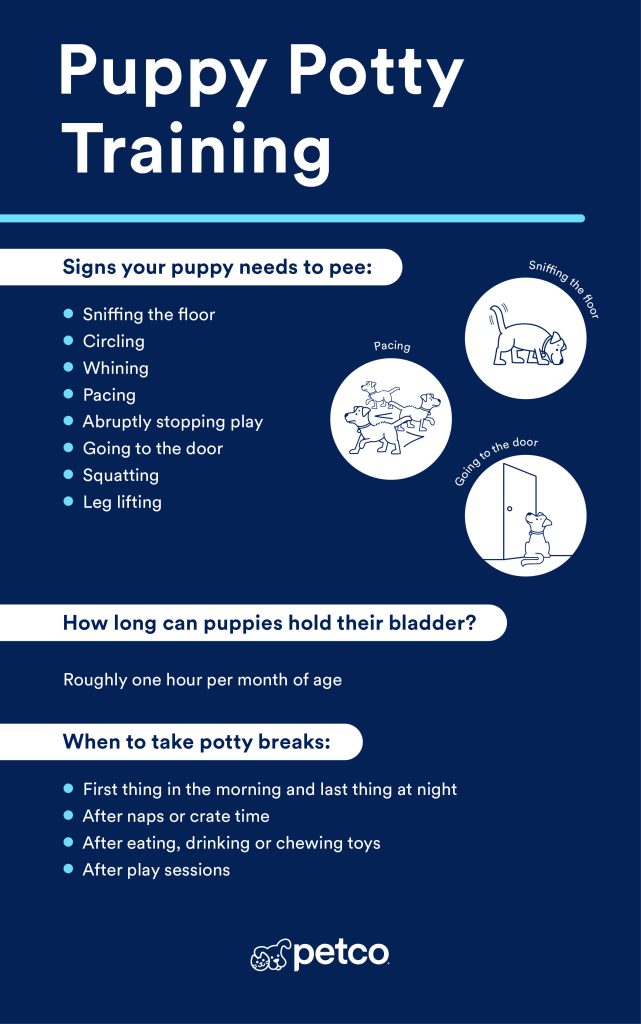
Regular bathroom breaks prevent accidents and reinforce good habits. In an apartment, you can’t just let your dog out whenever they want, so you need to create a bathroom schedule. Take your dog out first thing in the morning, right after meals, and before bedtime.
Between these main times, add bathroom breaks every 2 to 3 hours during the day, especially for puppies. If you notice your dog sniffing around or circling, it might be a sign they need a break sooner. Consistency here builds trust and helps your dog learn the right place to go.
Recognizing Your Dog’s Signals
Dogs often give subtle signs when they need to go out, but you have to pay close attention. Common signals include pacing, whining, scratching at the door, or suddenly becoming very alert. Watch your dog’s behavior closely to catch these signs early.
Have you noticed your dog’s unique way of telling you they need a bathroom break? Responding quickly to these signals strengthens communication between you and your pet. The faster you act, the more confident your dog becomes in signaling next time.
Crate Training Benefits
Crate training helps dogs learn to hold their bladder by giving them a small, safe space. It reduces accidents and teaches good bathroom habits in apartments. Dogs feel secure and understand where to go, making toilet training easier for pet owners.
Crate training offers numerous benefits for apartment-dwelling dogs. It provides a safe space for your dog, reducing anxiety. This method can simplify the process of toilet training, as dogs naturally avoid soiling their sleeping area. With consistency, crate training can encourage good bathroom habits.Selecting The Right Crate
Choosing the right crate is crucial. The crate must be big enough for your dog to stand, turn, and lie down comfortably. But, it shouldn’t be too large. Extra space might lead to accidents inside. Measure your dog and check crate dimensions before purchasing.Making The Crate Comfortable
A cozy crate encourages your dog to rest peacefully. Add a soft bed or blanket inside. Ensure the material is washable in case of accidents. Place a favorite toy or chew inside the crate. This makes it a positive space for your pet.Using The Crate To Encourage Bathroom Habits
Use the crate to establish a routine. Take your dog outside immediately after crate time. Praise and reward them for going outside. Consistency is key. Gradually, your dog will associate going outside with bathroom time. Keep crate sessions short at first. Increase the time gradually as your dog adapts.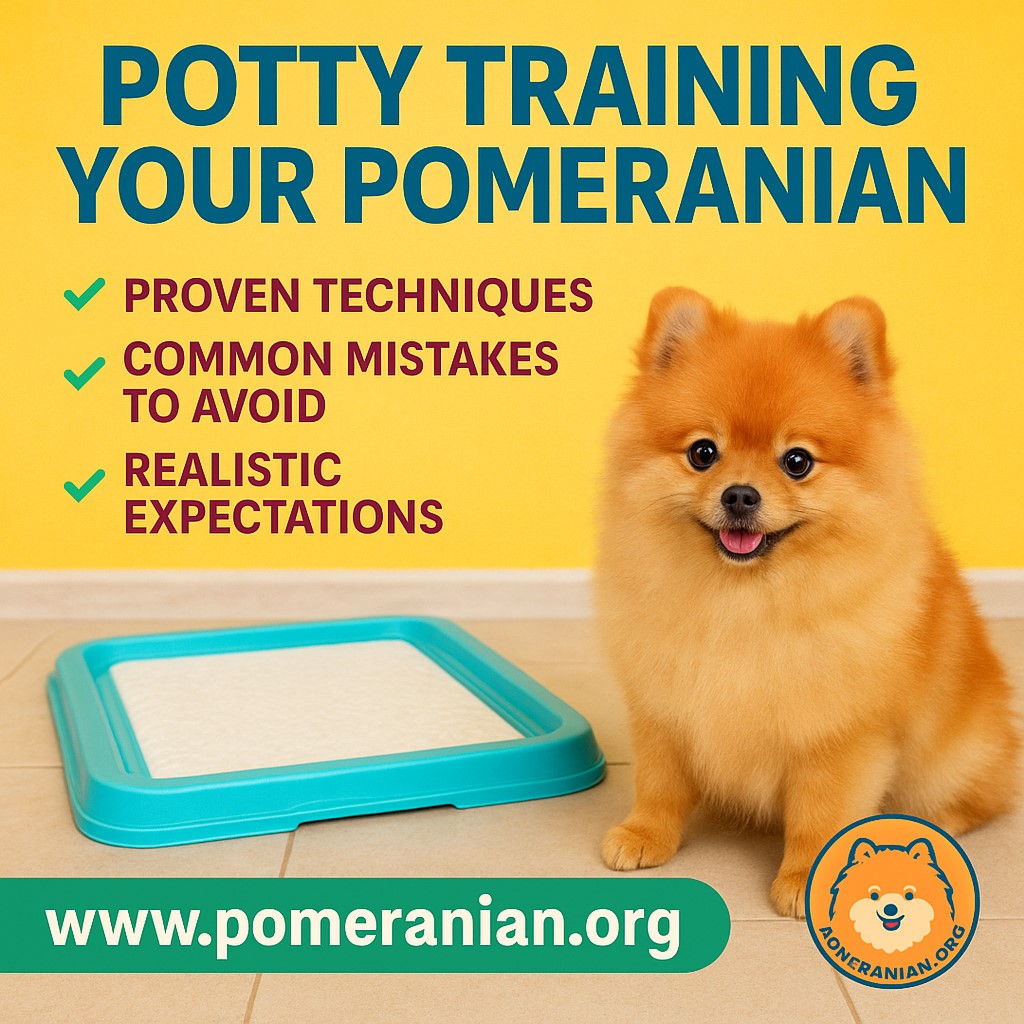
Credit: pomeranian.org
Positive Reinforcement Techniques
Positive reinforcement techniques help dogs learn faster and enjoy training. Rewarding good behavior builds trust and encourages your dog to repeat it. This approach makes toilet training less stressful for both of you.
Rewarding Successful Bathroom Trips
Celebrate each time your dog goes to the bathroom in the right spot. Immediate rewards connect the action with positive feelings. Use a calm voice to say “Good job” or “Yes!” right after they finish. This helps your dog understand what you want.
Using Treats And Praise
Treats are a powerful tool to motivate your dog during training. Choose small, tasty snacks that your dog loves. Give a treat right after a successful bathroom trip. Combine treats with gentle praise to strengthen the message. Your dog will start to expect rewards for good habits.
Avoiding Punishment
Punishing your dog for accidents can create fear and confusion. It slows down learning and damages your bond. Instead, focus on guiding your dog to the right place. Clean accidents calmly without scolding. Positive reinforcement works better than punishment every time.
Handling Accidents Calmly
Accidents are part of the toilet training process, especially in an apartment where space is limited and routines are still forming. Handling these moments calmly is crucial to keep your dog’s confidence high and the training on track. How you react can either encourage good habits or create anxiety that slows progress.
Cleaning Methods To Remove Odors
Use enzymatic cleaners specifically designed for pet messes. These break down urine and feces molecules, removing odors that might invite your dog to go in the same spot again. Avoid ammonia-based cleaners because they smell similar to urine and can confuse your pet.
Act quickly to clean accidents. Blot up as much as possible with paper towels or a clean cloth before applying the cleaner. Let the area air dry completely to prevent lingering smells.
Preventing Repeat Accidents
After cleaning, block access to the accident site temporarily. You can use furniture or baby gates to keep your dog away until the smell is gone completely. Dogs often return to places where they’ve previously gone, so removing temptation is key.
Create a consistent schedule for bathroom breaks. Dogs thrive on routine, and regular outdoor or designated potty area visits reduce the chance of indoor accidents. Watch for signs your dog needs to go, such as sniffing or circling, and act promptly.
Staying Patient And Consistent
Remember that accidents don’t mean failure. Reacting with frustration or punishment can damage your dog’s trust and make training harder. Instead, stay calm and reinforce positive behavior when your dog goes in the right spot.
Consistency matters more than speed. Stick to your training methods and schedule every day, even when progress seems slow. Your calm persistence will help your dog learn faster and feel secure during this adjustment.
Credit: zigly.com
Adjusting Training For Different Dog Breeds
Different dog breeds have different needs during toilet training. Training must fit their size, habits, and energy levels. Understanding these differences helps create a smooth training process. Adjusting your approach prevents frustration and speeds up learning.
Small Breeds In Apartments
Small dogs need smaller toilet areas. Use puppy pads or indoor grass patches. They have smaller bladders and need more frequent bathroom breaks. Keep their toilet spot close and easy to reach. Small breeds often learn faster but need gentle patience.
Large Breeds And Space Constraints
Large dogs need more space for toilet training. Apartments may limit their options. Use larger potty pads or train them for outdoor bathroom times. Plan regular outdoor walks to avoid accidents. Large breeds may take longer to train due to bladder size.
Puppies Vs Adult Dogs
Puppies need more frequent bathroom breaks. Their bladder control is weak and training takes time. Use consistent schedules and praise often. Adult dogs may already know some habits. Focus on reinforcing good behavior and adjusting for apartment living. Both ages benefit from patience and clear routines.
Useful Tools And Products
Toilet training a dog in an apartment needs the right tools. These products make the process easier and cleaner. They help your dog learn faster and keep your space fresh. Using the right items saves time and frustration.
Training Pads And Holders
Training pads provide a designated spot for your dog to relieve itself. They absorb urine and reduce mess. Holders keep pads in place, preventing slips and tears. Choose pads with strong absorbency and a pleasant scent. Place them in a quiet, accessible corner of your apartment.
Scent Attractants
Scent attractants guide your dog to the training area. They encourage dogs to use pads by appealing to their sense of smell. Spray or gel versions work well on pads or floor spots. Use attractants consistently to build a clear habit. Avoid strong smells that may scare your dog away.
Cleaning Supplies
Accidents happen during training. Cleaning supplies remove odors and stains quickly. Enzyme-based cleaners break down urine molecules, preventing repeat accidents. Keep paper towels, pet-safe disinfectants, and odor neutralizers handy. A clean apartment helps your dog learn faster and keeps your home fresh.
Frequently Asked Questions
How Do I Start Toilet Training My Dog In An Apartment?
Begin by choosing a designated potty spot inside or near your apartment. Use consistent cues and reward your dog immediately after they go. Establish a routine and supervise your dog closely to prevent accidents.
What Are The Best Indoor Potty Options For Apartments?
Popular indoor potty options include pee pads, artificial grass mats, and litter boxes designed for dogs. Choose one that fits your space and is easy to clean. Consistency and positive reinforcement are key.
How Often Should I Take My Dog Outside During Training?
Take your dog outside every 2-3 hours, especially after meals, playtime, and naps. Frequent trips help your dog learn where to go and reduce indoor accidents. Stick to a consistent schedule.
How Can I Prevent My Dog From Having Accidents Indoors?
Supervise your dog closely and use crate training when unsupervised. Clean accidents promptly with enzymatic cleaners to remove odors. Reward your dog for using the correct potty spot consistently.
Conclusion
Toilet training your dog in an apartment takes patience and care. Consistency helps your dog learn faster and feel safe. Use a regular schedule and praise good behavior often. Small steps lead to big progress over time. Remember, accidents can happen, but stay calm and keep trying.
Your dog will soon understand where to go. Living together happily starts with good training habits. Keep it simple, stay positive, and enjoy your time with your dog.