
Is your dog barking, lunging, or growling whenever it sees another dog or stranger? You’re not alone—and the good news is, you can change this behavior.
Learning how to train a dog to not be reactive takes patience, the right techniques, and understanding why your dog reacts in the first place. Imagine walks without stress, calm greetings, and a happier, more relaxed dog by your side.
Keep reading, and you’ll discover simple, effective steps you can start using today to help your dog stay calm and focused, no matter what triggers come your way.
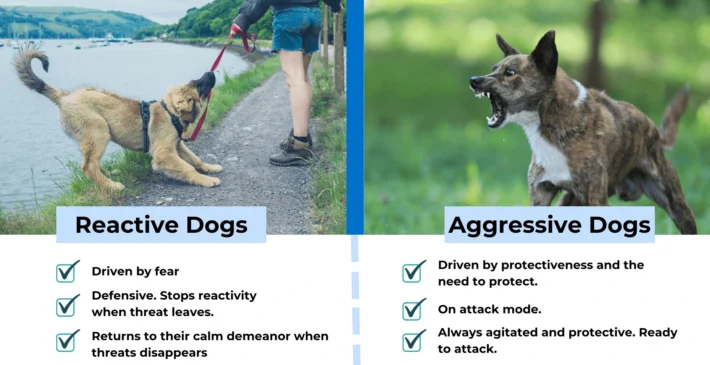
Credit: theonlinedogtrainer.com
Recognize Reactivity Signs
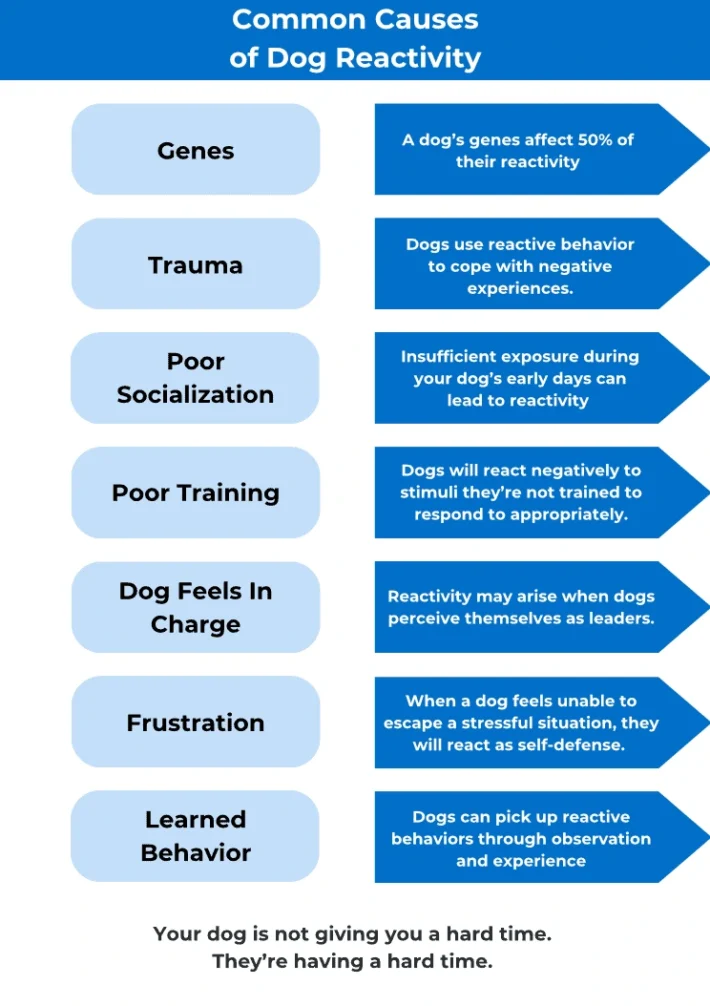
Recognizing the signs of reactivity is key to helping your dog stay calm. Dogs often show early signals before their behavior escalates. Spotting these signs early lets you intervene and guide your dog in a better way. Understanding what triggers your dog and how they behave can make training smoother and more effective.
Common Triggers
- Other dogs passing by
- People walking close
- Loud noises like traffic or sirens
- Unfamiliar animals or objects
- Being on a leash or confined
- Fast movements or sudden actions
Each dog reacts to different triggers. Watch your dog closely to identify what sets them off.
Behavioral Cues
- Stiff body posture
- Intense staring or fixed gaze
- Growling or barking sharply
- Lunging or pulling on the leash
- Raised hackles or tail position changes
- Whining or showing teeth
These behaviors hint your dog feels stressed or threatened. Catching these cues early helps stop reactive episodes before they grow worse.
Create A Calm Environment
Creating a calm environment is key when training your dog to be less reactive. Dogs pick up on energy and surroundings much faster than we realize. A peaceful setting helps your dog feel safe and more open to learning new, positive behaviors.
Safe Spaces
Your dog needs a retreat where they can relax and feel secure. This could be a cozy crate, a quiet corner, or a special bed in a low-traffic area of your home. When your dog shows signs of stress, encourage them to go to this safe space.
Adding familiar toys or a blanket with your scent can make this spot even more comforting. Have you noticed how your dog reacts when they have a place to escape to? Observing this can guide you in setting up the perfect safe zone.
Minimizing Stressors
Identify what triggers your dog’s reactivity and try to reduce those elements around them. Loud noises, sudden movements, or crowded areas often make dogs anxious. You can start by walking your dog during quieter times or avoiding busy streets.
Sometimes, even subtle changes like dimming the lights or lowering the volume on the TV can make a difference. Think about your own stress triggers—what helps you stay calm? Applying similar adjustments for your dog can lead to big improvements.
Use Positive Reinforcement
Reward calm behavior with treats and praise to encourage your dog to stay relaxed. Positive reinforcement helps build good habits and reduces reactivity over time. Consistency is key for lasting results.
Training a dog not to be reactive can be a challenging task, but using positive reinforcement makes it a rewarding journey for both you and your furry friend. This method focuses on rewarding desired behaviors rather than punishing undesired ones. When your dog associates good behavior with positive outcomes, they’re more likely to repeat those behaviors. It’s about building trust and communication, paving the way for a more harmonious relationship.Reward-based Training
Reward-based training is all about focusing on what your dog does right. Whenever your dog remains calm in a potentially reactive situation, reward them with a treat, praise, or a favorite toy. This helps them understand that staying calm leads to positive outcomes. Consistency is key. If your dog knows they’ll get a reward every time they behave well, they’re more likely to repeat that behavior. A personal example: my dog, Max, was initially reactive towards other dogs. By rewarding him every time he stayed calm during walks, he gradually learned to ignore distractions.Timing And Consistency
Timing is crucial in positive reinforcement. You need to reward your dog immediately after the desired behavior so they can make the connection. If you wait too long, they might not understand what they’re being rewarded for. Consistency also plays a vital role. Make sure everyone in your household is on the same page with training techniques and rewards. This prevents confusion and helps your dog learn faster. Have you ever wondered why some dogs seem to learn quicker than others? It often boils down to how consistently they’re rewarded for their actions. By focusing on positive reinforcement, you create a learning environment where your dog feels safe and motivated. This method not only reduces reactivity but also strengthens the bond between you and your dog. How will you start implementing positive reinforcement with your dog today?Implement Desensitization Techniques
Implementing desensitization techniques helps reduce a dog’s reactive behavior. This process involves slowly introducing your dog to triggers. The goal is to make these triggers less scary or exciting. Patience and consistency are key. These techniques build your dog’s confidence over time.
Gradual Exposure
Start by exposing your dog to triggers at a low level. For example, if your dog reacts to other dogs, begin at a distance. Keep the trigger far enough to avoid a reaction.
Slowly decrease the distance over several sessions. Watch your dog’s body language closely. Stop if your dog shows signs of stress. Reward calm behavior with treats or praise. This helps your dog link the trigger with positive feelings.
Controlled Settings
Train in a quiet, familiar place first. A calm environment reduces distractions and stress.
Use a leash or harness for control. Invite a friend with a calm dog to help. Keep both dogs at a safe distance. Gradually bring them closer as your dog remains calm.
Practice regularly, but keep sessions short. End each session on a positive note. Controlled settings help your dog learn to stay relaxed around triggers.
Practice Counter-conditioning
Practice counter-conditioning is a powerful technique that helps change your dog’s emotional reaction to triggers that usually cause reactivity. Instead of reacting with fear or aggression, your dog learns to associate those triggers with something positive. This shift takes patience and consistency but can dramatically improve how your dog behaves in stressful situations.
Changing Emotional Responses
Dogs often react because they feel scared or threatened. Counter-conditioning works by changing that emotional response from negative to positive.
Start by identifying what sets your dog off—like other dogs, loud noises, or strangers. Then expose your dog to these triggers at a distance where they feel safe and don’t react.
Gradually, as your dog stays calm, bring the trigger a little closer over time. This helps your dog build new, positive feelings instead of fear or aggression.
Pairing With Rewards
Rewards are key to making counter-conditioning work. Every time your dog sees the trigger but stays calm, give them a treat or praise.
This teaches your dog that good things happen when the trigger is around. Use high-value treats that your dog loves to keep their attention focused on you.
Think about this: What kind of reward does your dog respond to best? Use that to create a strong positive connection.
- Use treats your dog doesn’t get often to keep them exciting.
- Offer rewards immediately to link them with the trigger.
- Keep sessions short and fun to prevent your dog from getting overwhelmed.
By practicing counter-conditioning, you guide your dog toward calmness and confidence. What small step can you take today to start changing your dog’s emotional response?
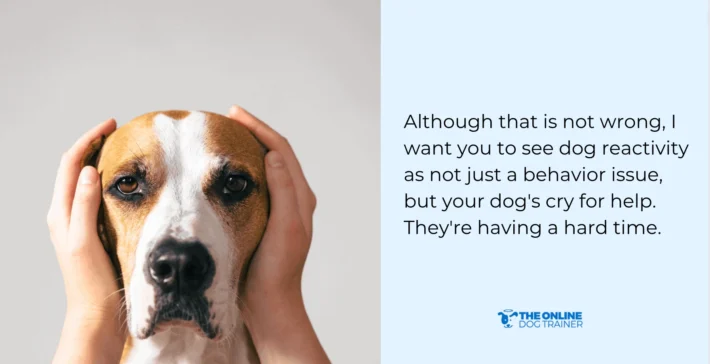
Credit: theonlinedogtrainer.com
Build Focus And Impulse Control
Building focus and impulse control is key to reducing a dog’s reactivity. Dogs that pay attention to their owners stay calmer in stressful situations. Impulse control helps dogs resist the urge to react suddenly. Training these skills creates a strong foundation for good behavior.
Basic Obedience Commands
Start with simple commands like “sit,” “stay,” and “look.” These teach your dog to listen and follow instructions. Use short training sessions, around 5 to 10 minutes. Keep sessions fun and reward your dog with treats or praise. Consistency is important. Practice commands in different places to build focus everywhere.
Impulse Exercises
Impulse exercises teach dogs to control their reactions. Try the “leave it” command to stop your dog from grabbing things. Use a leash to guide your dog through distractions. Practice waiting for treats until your dog remains calm. These exercises improve patience and reduce sudden reactions. Gradually increase difficulty by adding more distractions.
Manage Walks And Socialization
Managing your dog’s walks and socialization is key to reducing reactivity. How you control these moments shapes your dog’s comfort and confidence around new people, animals, and environments. Thoughtful planning during walks and social encounters can turn potential triggers into positive experiences for your dog.
Leash Training Tips
Start by choosing the right leash and collar that give you control without causing discomfort. A front-clip harness often helps reduce pulling and gives you better steering ability.
Keep your walks calm and predictable. If your dog starts reacting, pause and regain their focus with a simple command or treat. This teaches your dog that calm behavior earns rewards, not barking or lunging.
Try to avoid crowded routes initially. Instead, pick quiet paths where you can control the distance from distractions. Gradually reduce this distance as your dog learns to stay calm.
Safe Interaction Strategies
Before allowing your dog to interact with others, assess their body language. Is your dog relaxed or tense? If tense, give them more space until they feel secure.
Use controlled introductions with other dogs or people. Let your dog approach at their own pace while you stay relaxed and confident. Your calm energy helps them feel safe.
Offer your dog a “safe spot” during social times—a place where they can retreat and feel protected. This helps prevent overwhelm and keeps interactions positive.
- Ask yourself: Does your dog have enough positive experiences with others?
- Could you create short, controlled social sessions that end before your dog gets stressed?
Managing walks and socialization isn’t about forcing your dog to face everything at once. It’s about guiding them patiently through new experiences while respecting their limits.
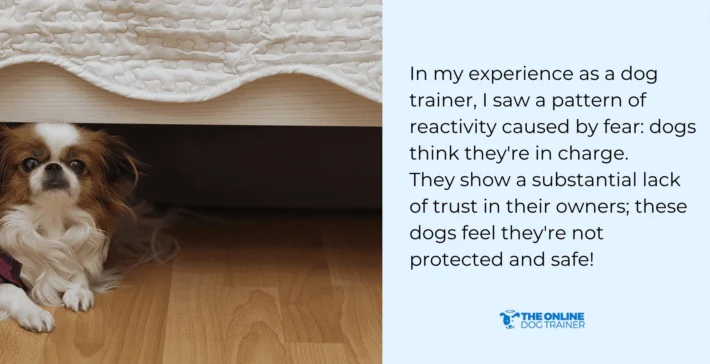
Credit: theonlinedogtrainer.com
Know When To Seek Professional Help
Knowing when to seek professional help is crucial if your dog’s reactivity is causing stress for both of you. Sometimes, despite your best efforts, certain behaviors can be too complex or intense to manage alone. Recognizing the right moment to bring in an expert can save your dog from unnecessary frustration and help you regain control more quickly.
Signs Of Severe Reactivity
Severe reactivity goes beyond barking or lunging. It includes aggressive snapping, biting, or frantic behavior that puts others at risk. If your dog freezes and then suddenly explodes in aggression, or if calming them down feels impossible, these are red flags.
Watch for these signs in everyday situations:
- Consistent aggressive growling or snapping at people or other dogs
- Uncontrollable barking that escalates despite your commands
- Body stiffening, hair standing on end, and intense staring
- Physical harm to other dogs or people during reactive episodes
If any of these sound familiar, it’s time to consider professional intervention. Your dog’s safety and the safety of others depend on it.
Choosing A Trainer Or Behaviorist
Picking the right professional can feel overwhelming. Look for someone certified in force-free training methods and with experience handling reactive dogs. Ask about their approach and success stories to ensure they fit your dog’s needs.
Here’s a quick checklist to help you choose:
| Criteria | What to Look For |
|---|---|
| Certification | CPDT-KA, IAABC, or equivalent credentials |
| Experience | Previous work with reactive dogs |
| Training Methods | Positive reinforcement, no punishment |
| Client Reviews | Clear results and good communication |
Have you ever worked with a trainer who didn’t meet your expectations? Reflect on what went wrong so you can avoid the same mistakes. Your dog deserves a patient and knowledgeable partner.
Frequently Asked Questions
What Causes Dog Reactivity And How To Identify It?
Dog reactivity is triggered by fear, frustration, or overexcitement. Signs include barking, lunging, or growling at triggers. Identifying specific triggers helps tailor effective training and management strategies to reduce reactivity and improve your dog’s behavior.
How Can I Train My Dog To Stay Calm Around Triggers?
Use positive reinforcement to reward calm behavior near triggers. Gradually expose your dog to triggers at a safe distance. Consistency and patience are key to teaching your dog to remain calm and focused.
Are There Specific Techniques To Reduce Dog Reactivity?
Yes, techniques like desensitization, counter-conditioning, and teaching alternative behaviors work well. These methods change your dog’s emotional response to triggers, reducing reactive reactions over time.
When Should I Seek Professional Help For Reactive Dogs?
Seek professional help if your dog’s reactivity causes safety concerns or stress. A qualified trainer or behaviorist can provide personalized guidance and effective training plans.
Conclusion
Training a dog to stop reacting takes time and patience. Stay calm and consistent during every session. Reward good behavior to encourage positive habits. Avoid yelling or punishing your dog harshly. Small steps each day lead to big progress. Remember, every dog learns at its own pace.
Enjoy the journey and celebrate small wins. Your efforts will help build trust and calmness. A peaceful dog means a happier home for all. Keep practicing and stay positive.