
If you’ve just brought a puppy home, you’re probably wondering when the right time is to switch from puppy food to adult dog food. Feeding your furry friend the right diet is crucial for their health and growth.
But making the switch too early or too late can cause problems you don’t want to deal with. You’ll learn exactly when your puppy should start eating adult dog food—and why timing matters more than you think. Keep reading to make sure you’re giving your pup the best start in life.
Credit: www.petsradar.com
Puppy Growth Stages
Understanding the different stages of your puppy’s growth helps you decide the right time to switch to adult dog food. Each stage comes with unique nutritional needs that shape your pup’s health and development. Let’s break down these stages to see how they affect your feeding choices.
Neonatal To Weaning
During the first three weeks, puppies depend entirely on their mother’s milk. This milk provides essential antibodies and nutrients needed for survival and early development. At this stage, introducing adult dog food is not an option because their digestive systems are still immature.
Have you noticed how puppies start to explore their environment around week three? This curiosity signals the upcoming transition but still requires milk as their main food source.
Transition To Solid Food
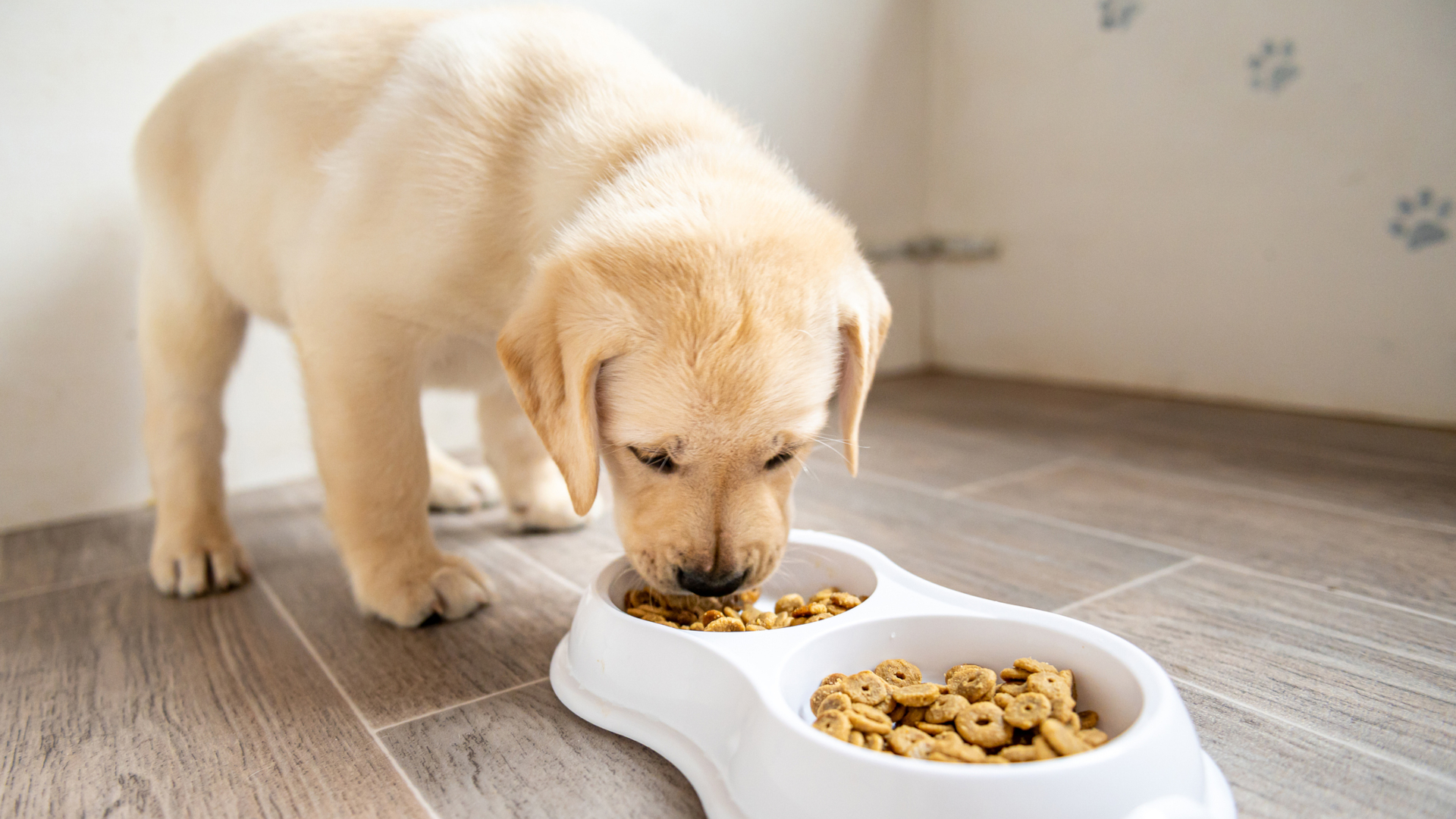
Around 3 to 4 weeks, puppies begin the weaning process by tasting solid food, often mixed with water or puppy formula to make it soft. This helps their digestive system adapt gradually. You can start introducing high-quality puppy food designed to support their growth.
Be patient and watch how your puppy reacts to new textures and tastes. Some pups may take longer to adjust, and that’s perfectly normal.
Rapid Growth Phase
Between 8 weeks and 6 months, puppies grow rapidly and need nutrient-dense food. Puppy food during this phase is rich in protein, fats, and essential vitamins to support bone development and energy levels. Switching to adult dog food too early can leave them undernourished and stunt their growth.
Think about your own experience: would you switch to a diet meant for adults while still growing? Your puppy’s needs are just as critical.
Understanding these stages allows you to time your puppy’s diet change carefully, ensuring they thrive at every step.

Credit: pupford.com
Differences Between Puppy And Adult Food
Understanding the differences between puppy and adult dog food is essential when deciding the right time to switch your furry friend’s diet. Puppy food is specially designed to support rapid growth and development, while adult dog food focuses on maintenance and long-term health. Knowing what sets these two types apart can help you make the best choice for your dog’s wellbeing.
Nutritional Requirements
Puppies need more nutrients to fuel their fast growth, including vitamins and minerals that support bone development and brain function. Adult dogs require balanced nutrition to maintain muscle, support organ health, and prevent obesity. Feeding your puppy adult food too early might leave them missing key nutrients, slowing their development.
Calorie Content
Puppy food generally contains higher calories per serving to meet the energy demands of growing pups. Adult dog food has fewer calories since adult dogs are less active and don’t need as much energy. Have you noticed your puppy’s activity level dropping after switching to adult food? That’s a sign their energy needs aren’t being met.
Protein And Fat Levels
Puppies need higher protein and fat content to build strong muscles and maintain healthy skin and coat during their growth phase. Adult dog food reduces these levels to prevent excess weight gain and support a stable metabolism. If you see your pup gaining too much weight after switching, it might be time to reassess their diet balance.
When To Switch To Adult Food
Deciding when to switch your puppy to adult dog food is crucial. Puppies grow rapidly, needing the right nutrients. Adult food offers balanced nutrition for matured dogs. Transitioning at the right time ensures optimal health.
Breed Size Considerations
Breed size plays a big role in determining food transition time. Small breeds mature faster. They often switch to adult food by 9-12 months. Large breeds take longer, maturing between 12-18 months. Giant breeds may need up to 24 months before transitioning.
Age Benchmarks
Age provides a general guideline for switching to adult food. Most puppies can start adult food around their first birthday. Small breeds might start earlier, while large breeds may wait longer. Consult your vet for the best timing for your puppy.
Physical And Behavioral Signs
Observe your puppy’s physical development for transition cues. Reduced growth rate signals readiness for adult food. Behavioral changes like decreased playfulness may also indicate maturity. Always monitor your puppy’s eating habits and energy levels.
Risks Of Early Or Late Switching
Switching a puppy to adult dog food too early or too late can cause serious problems. Puppies need the right nutrients to grow strong and healthy. Adult dog food is made for fully grown dogs and may not support a puppy’s rapid development. On the other hand, staying on puppy food for too long can lead to other health issues. Understanding the risks helps pet owners make the best choice for their dog’s diet.
Nutritional Deficiencies
Puppy food contains extra nutrients like protein, fats, and vitamins. These help with bone growth and brain development. Switching to adult food too soon can cause a lack of important nutrients. This may stunt growth or weaken the immune system. Puppies need balanced nutrition to build strong muscles and organs.
Obesity And Weight Issues
Adult dog food has fewer calories than puppy food. Staying on puppy food too long can cause weight gain. Excess weight strains joints and organs. Obesity also raises the risk of diabetes and heart problems. Feeding the right food at the right time helps keep a healthy weight.
Digestive Problems
A puppy’s digestive system is sensitive and still developing. Sudden changes in diet can upset their stomach. Switching too fast or too late may cause diarrhea, vomiting, or constipation. Gradual changes and proper timing reduce digestive stress. A calm stomach supports better nutrient absorption and overall health.
How To Transition Safely
Transitioning your puppy to adult dog food requires care and patience. A sudden switch can upset their digestive system and cause unnecessary stress. Taking a thoughtful approach helps your puppy adjust smoothly and keeps them healthy and happy.
Gradual Food Mixing
Start by mixing a small amount of adult dog food with your puppy’s current food. Over the next 7 to 10 days, slowly increase the proportion of adult food while decreasing the puppy food.
This gradual change helps your pup’s stomach get used to the new ingredients. Have you noticed how some dogs refuse new food if it’s introduced too quickly? That’s why mixing is key to success.
Monitoring Health Changes
Watch your puppy closely during the transition. Look for signs like changes in stool consistency, appetite, or energy levels.
If you see diarrhea, vomiting, or lethargy, slow down the switch or consult your vet. Your puppy’s response tells you if the food suits them or if adjustments are needed.
Adjusting Portion Sizes
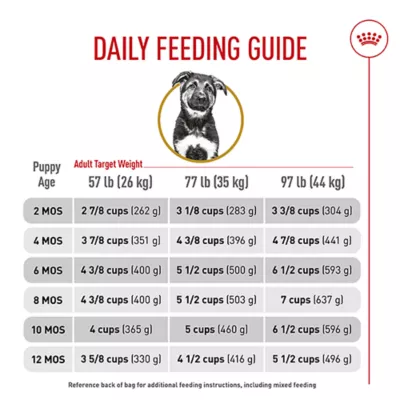
Adult dog food often has different calorie levels compared to puppy food. Start by feeding the recommended portion based on your puppy’s weight and activity.
Observe your puppy’s weight and hunger cues over the next few weeks. Adjust the amount accordingly to avoid overfeeding or underfeeding during this critical growth phase.
Special Cases And Exceptions
Deciding when to switch your puppy to adult dog food isn’t always straightforward. Some situations require extra care and attention because your puppy’s needs might differ from the average. Understanding these special cases can help you make the best choice for your furry friend’s health and growth.
Large And Giant Breeds
Large and giant breed puppies grow at a different pace compared to smaller breeds. Feeding them adult dog food too early can lead to nutrient imbalances that affect their bone development. You should usually wait until they are about 12 to 18 months old before making the switch.
Keeping them on a specially formulated large breed puppy food helps control their growth rate. This prevents problems like hip dysplasia later on. Are you monitoring your puppy’s growth closely enough to know when the right time to switch is?
Puppies With Health Issues
Some puppies face health challenges that affect their diet needs. Conditions such as allergies, digestive issues, or metabolic disorders often require a customized feeding plan. Switching to adult food without veterinary advice could worsen these problems.
Observe your puppy’s reactions to food changes carefully. If you notice unusual symptoms like vomiting, diarrhea, or lethargy after switching, it’s a sign to pause and seek expert guidance. Your puppy’s health should always come first.
Consulting A Veterinarian
A vet’s insight is invaluable when deciding on diet transitions. They consider your puppy’s breed, size, health, and lifestyle before recommending the best time to switch. This tailored advice saves you from guesswork and potential health setbacks.
Don’t hesitate to ask your vet specific questions about food brands, portion sizes, and feeding schedules. Their expertise can turn a confusing decision into a confident choice. Have you booked your puppy’s next check-up yet to discuss their nutrition plan?
Signs Your Dog Thrives On Adult Food
Knowing when your puppy thrives on adult dog food is important for their health. Watch for clear signs that show your dog adapts well to the new diet. These signs help ensure your pet gets the right nutrition as they grow.
Energy Levels
Your dog’s energy should stay steady or improve after switching foods. They will play and move actively without tiring quickly. Low energy might mean the food lacks needed nutrients.
Coat Condition
A shiny, soft coat shows your dog absorbs essential nutrients well. Dry or dull fur can signal poor diet or health issues. Healthy skin and coat reflect good overall nutrition from adult food.
Weight Maintenance
Maintaining a healthy weight means the food suits your dog’s metabolism. Sudden weight gain or loss can indicate the diet is not right. Check your dog’s body shape regularly for balance and muscle tone.
Credit: www.purina.com
Frequently Asked Questions
When Is The Right Age To Switch Puppies To Adult Food?
Puppies can start eating adult dog food around 12 months. Large breeds may need adult food at 18 months. This timing ensures proper growth and nutrition. Consult your vet for breed-specific advice. Transition gradually to avoid digestive issues.
Why Not Feed Puppies Adult Dog Food Too Early?
Adult dog food lacks essential nutrients for puppy growth. Puppies need extra protein, fat, and calories for development. Feeding adult food early may stunt growth and cause deficiencies. Always choose puppy-specific food until fully grown.
How To Transition Puppies From Puppy To Adult Food?
Mix increasing amounts of adult food with puppy food over 7-10 days. Gradual change helps puppies adjust without stomach upset. Monitor your puppy’s weight and health during transition. Consult your vet if issues arise.
Can Switching Adult Food Affect A Puppy’s Health?
Yes, sudden switches can cause digestive upset like diarrhea or vomiting. Nutritional imbalance may slow growth or weaken immunity. Always transition gradually and choose high-quality adult dog food suitable for your puppy’s breed and size.
Conclusion
Puppies need the right food as they grow. Around one year old, most dogs can switch to adult food. Watch their weight and energy to know when to change. Always choose good quality food made for adult dogs. Ask your vet if unsure about timing or diet.
Feeding properly helps your dog stay healthy and strong. A smooth food change keeps their tummy happy too. Remember, every dog is different, so take your time. Your care makes all the difference in their life.