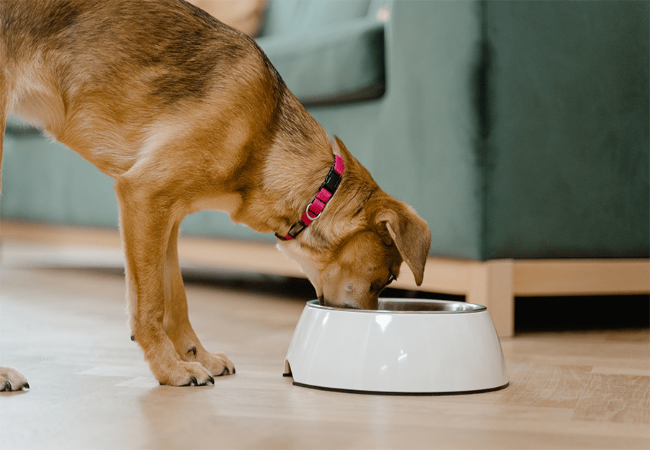

You want the best for your puppy, and that includes giving them the right food at the right time. But how do you know when to switch from puppy food to adult dog food?
Feeding your dog the wrong type of food can affect their growth, energy, and overall health. You’ll discover the clear signs and simple guidelines to help you make this important change confidently. Keep reading to ensure your furry friend stays happy, healthy, and strong every step of the way.
Puppy Growth Stages
Understanding your puppy’s growth stages is key to knowing when to switch from puppy food to adult dog food. Each stage brings different nutritional needs that affect their health and development. Paying close attention helps you provide the right fuel for their body and mind at the right time.
From Newborn To Weaning
During the first few weeks, puppies rely entirely on their mother’s milk, which offers all the nutrients they need. Around 3 to 4 weeks, they start the weaning process, gradually trying solid foods alongside milk. This is when you can introduce soft, easy-to-digest puppy food to help their digestive system adjust.
Rapid Growth Phase
Between 6 weeks and 6 months, puppies experience rapid growth. Their bones, muscles, and organs develop quickly, requiring higher protein and calorie intake. Feeding high-quality puppy food during this time supports healthy growth and prevents nutritional gaps that can affect their adult size and health.
Maturation Milestones
As puppies approach 9 to 12 months, their growth rate slows, and their body starts to mature. This phase signals a shift in dietary needs toward adult food, which supports maintenance rather than growth. Watching for signs like stable weight and dental development can help you decide the right moment to make the switch.
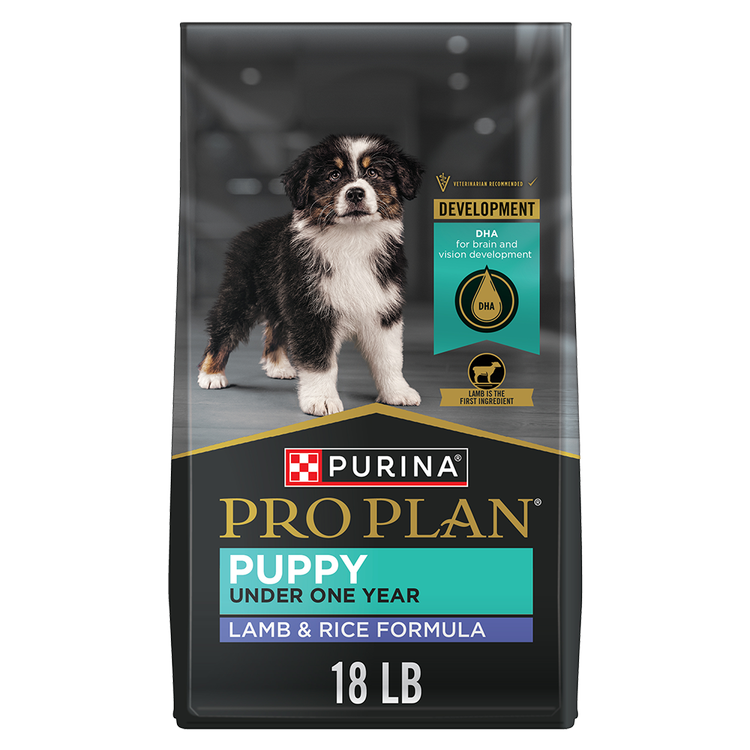
Credit: www.purina.com
Signs Your Puppy Is Ready
Recognizing when your puppy is ready for adult dog food helps support healthy growth. Puppies change quickly, so watch for clear signals. These signs ensure the switch matches your dog’s needs.
Physical Indicators
- Teeth: Puppy teeth start to fall out around six months.
- Weight: Steady growth slows, nearing adult size.
- Coat: Fur becomes thicker and less fluffy.
- Energy: Energy levels stabilize, less hyperactive bursts.
Behavioral Changes
- Eating Habits: Puppy may eat less frequently but larger meals.
- Independence: Shows more independence and less need for constant care.
- Play Style: Moves from clumsy play to more controlled movements.
- Sleep Patterns: Sleeps less, more alert during awake times.
Breed-specific Timelines
| Breed Size | Recommended Age to Switch |
|---|---|
| Small Breeds | 9-12 months |
| Medium Breeds | 12 months |
| Large Breeds | 12-18 months |
| Giant Breeds | 18-24 months |
Nutritional Differences
Puppy food has more calories and protein for growth, while adult food supports maintenance and energy. Switching helps meet changing nutritional needs. Nutrient levels adjust to keep your dog healthy as they age.
Understanding the nutritional differences between puppy and adult dog food is crucial. Puppies have unique dietary needs that differ from adult dogs. This ensures they grow healthy and strong. Transitioning at the right time is essential for your dog’s well-being.Puppy Vs Adult Nutrient Needs
Puppies need more nutrients than adult dogs. They require extra vitamins and minerals. This supports their rapid growth and development. Adult dogs need balanced nutrition to maintain health. Their food focuses on sustaining energy and muscle mass.Caloric Requirements
Puppies burn more calories than adults. They are active and growing. Their food must be calorie-rich. Adult dogs need fewer calories. This prevents weight gain. Adjusting caloric intake is vital as dogs age. It helps avoid obesity and related health issues.Protein And Fat Levels
Puppy food contains higher protein levels. This supports muscle and tissue growth. Fat content is also crucial for energy. Adult dog food has moderate protein levels. It maintains muscle without excessive growth. Lower fat content helps manage weight. Proper protein and fat balance is key for overall health.
Credit: zigly.com
Risks Of Early Or Late Switching
Switching your puppy to adult dog food at the right time is crucial. Doing it too early or too late can cause several health issues that affect your dog’s development and well-being. Understanding these risks helps you make the best decision for your furry friend’s diet transition.
Growth Problems
Puppies need specific nutrients to support their rapid growth. Switching to adult food too soon can lead to nutrient deficiencies that stunt bone and muscle development. On the other hand, staying on puppy food for too long might cause abnormal growth patterns due to excess calories and nutrients.
Think about your own experiences with food changes—too early or too late can disrupt your routine and health. Your dog’s growing body demands precise nutrition timing to avoid long-term growth issues.
Digestive Issues
Sudden changes in diet can upset your dog’s stomach. Switching too early might introduce ingredients that are hard for a puppy’s digestive system to handle. Waiting too long to switch could mean your dog’s system struggles to adapt when the change finally happens.
Have you noticed how your dog reacts to food changes? Watching for signs like diarrhea, vomiting, or constipation can help you spot digestive trouble early. A gradual, well-timed switch helps prevent these unpleasant issues.
Weight Management Challenges
Puppy food is designed to support growth and often contains more calories than adult food. If you delay the switch, your dog may gain excess weight, leading to obesity and related health problems. Conversely, switching too early might leave your dog undernourished and prone to weight loss.
Managing your dog’s weight requires balancing calorie intake with activity levels. Are you monitoring your dog’s weight regularly? Adjusting the timing of the switch can be a key tool in keeping your dog fit and healthy.
How To Transition Foods Smoothly
Transitioning your puppy to adult dog food is a key moment in their growth journey. Doing it smoothly helps avoid digestive upset and keeps mealtime enjoyable. You want to introduce the new food carefully, watch how your dog reacts, and adjust amounts to fit their changing needs.
Gradual Mixing Techniques
Start by mixing a small amount of adult food into your puppy’s current meals. A good rule is to begin with about 25% adult food and 75% puppy food.
Every few days, increase the adult food portion while decreasing the puppy food. This slow change gives your dog’s stomach time to adjust.
Rushing this process can cause diarrhea or refusal to eat, so patience is key. Have you noticed how your dog reacts when you introduce new treats? Use that insight here.
Monitoring Your Dog’s Response
Watch your dog’s digestion and energy levels closely during the switch. Keep an eye out for loose stools, vomiting, or decreased appetite.
If any of these signs appear, slow down the transition. Sometimes your dog might need an extra few days on one ratio before moving on.
Also, note if your dog seems more energetic or lethargic. These can hint if the new food is meeting their nutritional needs.
Adjusting Portions
Adult dog food often has different calorie content, so you may need to adjust how much you feed. Use the feeding guidelines on the packaging as a starting point.
Consider your dog’s weight, activity level, and metabolism. For example, a very active dog might need more food than a less active one.
Check your dog’s body condition weekly. If they gain too much weight, reduce portions; if they lose weight or seem hungry, increase slightly.
Credit: www.chewy.com
Consulting Your Veterinarian
Consulting your veterinarian is a crucial step before switching your puppy to adult dog food. Your vet understands your dog’s unique needs and can guide you on the perfect timing and type of food. This personalized advice helps avoid potential health issues during the transition.
Tailored Advice
Your veterinarian can provide guidance based on your dog’s breed, size, and growth rate. Large breeds often need to stay on puppy food longer to support joint development, while smaller breeds may transition sooner. Asking your vet ensures you’re not relying on general age guidelines but on what suits your dog best.
Health Checks
Regular health check-ups let your vet monitor your dog’s weight, energy, and overall condition. These checks reveal if your puppy is ready for adult food or if they need to stay on puppy formula a bit longer. You might discover hidden issues like allergies or digestive sensitivities that affect food choices.
Special Considerations
If your dog has any health conditions, your vet can recommend specialized diets or supplements. For example, dogs with kidney problems or food allergies may require specific formulations. Don’t hesitate to bring up any concerns about your dog’s eating habits or changes in behavior during the visit.
Frequently Asked Questions
When Should I Switch My Puppy To Adult Dog Food?
Switch to adult dog food when your puppy reaches 80% of its expected adult size. This usually occurs between 9 to 12 months, depending on breed and size. Large breeds may take longer. Consult your vet for breed-specific guidance.
How To Know If My Dog Is Ready For Adult Food?
Look for signs like slowed growth and decreased energy needs. Your vet can help determine if your dog’s development stage suits adult food. Transition gradually to avoid digestive issues.
What Are The Risks Of Switching To Adult Dog Food Too Early?
Switching too early can cause nutrient deficiencies and affect growth. Puppies need higher protein and calorie intake for proper development. Premature changes may lead to health problems.
Can I Feed Adult Dog Food To A Large Breed Puppy?
Large breed puppies require special formulas with controlled calcium and calories. Feeding regular adult dog food too early can cause joint and bone issues. Use large breed puppy food until maturity.
Conclusion
Choosing the right time to switch to adult dog food helps your pet stay healthy. Watch your dog’s growth and energy levels closely. Puppies grow fast, so their needs change quickly. Changing food too early or too late can cause issues.
Talk to your vet for the best advice. Remember, good nutrition supports a happy, active dog. Keep your dog’s well-being as your top priority. This simple step benefits your dog’s life greatly.