Does your dog growl or snap when you come near their food? This kind of behavior can feel scary and stressful for you and everyone around.
But don’t worry—you can change it. Understanding why your dog is food aggressive and learning the right training steps can help you build trust and keep mealtime calm and safe. In this guide, you’ll discover simple, effective ways to train your food aggressive dog so that both of you can enjoy mealtimes without fear or tension.
Keep reading to find out how to turn this challenging behavior into a positive experience for your furry friend.

Credit: www.youtube.com
Signs Of Food Aggression
Recognizing the signs of food aggression in your dog is the first step toward managing and changing this behavior. Food aggression can vary from subtle warning signals to outright growling and snapping. Understanding these signs helps you respond appropriately and keeps everyone safe.
Common Behaviors
Food aggressive dogs often display distinct behaviors around their food or treats. You might notice:
- Growling or snarlingwhen someone approaches their bowl.
- Freezing or stiffening
- Snapping or lunging
- Guarding
- Staring intensely
These behaviors are clear signals your dog feels the need to protect their resources. It’s not about being “bad,” but about feeling insecure or threatened.
Assessing Aggression Levels
Not all food aggression is the same, and knowing how serious it is can guide your training approach. Ask yourself these questions:
- Does your dog simply growl or show teeth, or do they snap and lunge?
- Is the aggression triggered only when you try to take their food, or also when you just approach?
- Does the dog calm down quickly after a warning, or do they escalate?
For example, I once had a dog who growled but never tried to bite. That allowed me to work slowly on changing his feelings around food. If your dog bites or lunges, you’ll need more caution and possibly professional help.
Understanding the level of aggression helps you set safe boundaries and tailor your training to your dog’s needs. What signs have you seen in your dog? Recognizing them early can prevent dangerous situations.
Causes Of Food Aggression
Food aggression in dogs can stem from various causes. Understanding these causes helps in managing and training your dog effectively. The reasons behind food aggression often lie in genetics, environment, or past experiences. Each factor plays a unique role in shaping your dog’s behavior around food.
Genetic Factors
Some dogs are naturally more possessive over food due to their breed traits. Genetics can influence a dog’s temperament and instincts. Certain breeds have stronger guarding tendencies. These inherited traits may increase food aggression risks. Recognizing this helps set realistic training goals.
Environmental Influences
The dog’s surroundings impact its behavior significantly. Crowded or stressful environments can trigger food guarding. Competition for resources may cause dogs to protect their food. Lack of proper socialization also increases aggressive tendencies. A calm, secure environment reduces food aggression.
Past Experiences
Negative experiences shape how dogs react to food. Dogs that faced scarcity may guard food fiercely. Previous threats or punishment near food worsen aggression. Early trauma often creates fear-based guarding behavior. Positive experiences can help rebuild trust during training.
Preparing For Training
Gather all necessary tools like treats and a leash before training begins. Create a calm space to help your dog feel safe and focused. Understanding your dog’s body language can prevent problems during training sessions.
Preparing for Training Training a food aggressive dog requires careful preparation to ensure the process is both safe and effective. Before diving into specific techniques, setting the stage for successful training is crucial. Let’s explore how you can create the perfect environment and gather the right tools to help your dog overcome food aggression.Safe Feeding Environment
Creating a safe feeding environment is the cornerstone of reducing food aggression. Ensure your dog has a quiet, stress-free space to eat without disturbances. This could mean setting up a designated feeding area away from high-traffic zones in your home. Consider using baby gates or barriers to limit access to the feeding area. This helps your dog feel secure while eating, reducing the likelihood of aggressive behavior. Observe your dog’s behavior over time to identify any triggers that may need addressing.Gathering Necessary Tools
Having the right tools on hand can significantly enhance your training efforts. Start with a sturdy, non-slip dog bowl to prevent spills and distractions during mealtime. A clicker can also be an invaluable tool for positive reinforcement, helping to mark desired behaviors promptly. Leashes and harnesses may be necessary if your dog tends to lunge or become overly excited during feeding times. Training treats are another essential, offering a high-value reward for non-aggressive behavior. Remember, the key is consistency, so ensure you’re using the same tools and methods each session. By preparing adequately, you’re setting a solid foundation for your dog’s training journey. What adjustments can you make today to create a calm, supportive environment for your pet?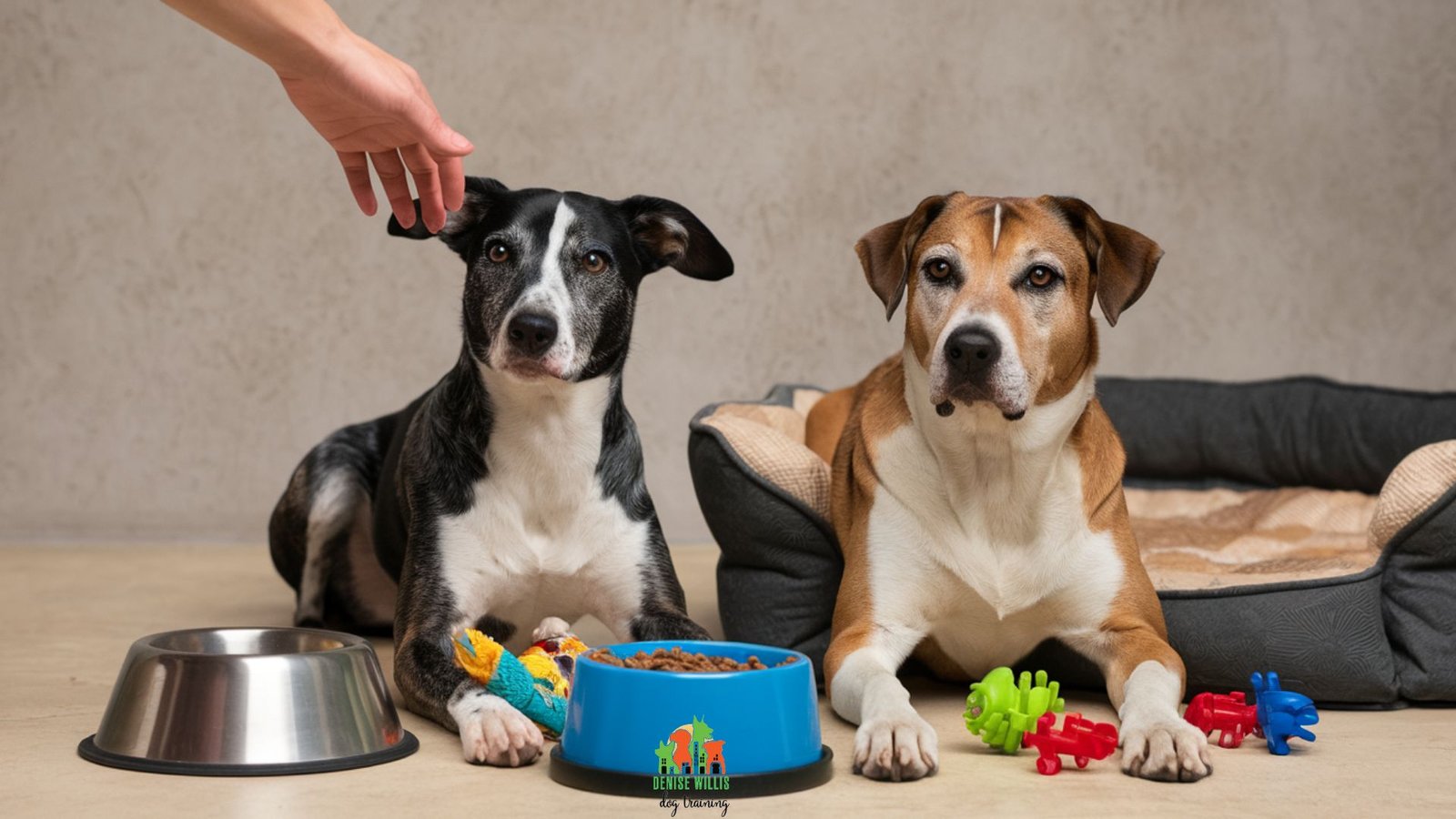
Credit: www.dwdogtraining.com
Basic Training Techniques
Training a food aggressive dog requires patience and the right approach. Basic training techniques can help you build trust and change your dog’s behavior around food. These techniques focus on encouraging positive associations and reducing fear or possessiveness.
Positive Reinforcement
Positive reinforcement means rewarding your dog for good behavior instead of punishing bad behavior. When your dog stays calm around food, give treats, praise, or affection immediately. This helps your dog connect calm behavior with positive outcomes.
Try offering a high-value treat before approaching your dog’s bowl. This shows your dog that your presence near their food means good things. Over time, your dog will feel less threatened and more relaxed when you come close during mealtime.
Have you noticed how your dog responds when you use treats? This simple act can change their feelings about food guarding faster than you think.
Desensitization Methods
Desensitization involves slowly exposing your dog to situations that trigger food aggression but at a low intensity. For example, start by standing at a distance while your dog eats and gradually move closer over several sessions. Always watch for signs of stress and back off if your dog feels uncomfortable.
Pair these moments with treats or praise to build a positive link between your presence and their food. This step-by-step approach reduces fear and helps your dog accept your closeness without reacting aggressively.
Have you tried breaking down scary situations into smaller steps? This technique can make even the most food aggressive dogs more comfortable around people.
Advanced Training Strategies
Advanced training strategies help reduce food aggression in dogs. These techniques build trust and teach dogs to share calmly. Training requires patience and consistency. Small, regular sessions work best for lasting results.
Hand Feeding Exercises
Hand feeding helps your dog see you as a source of good things. Start by offering small pieces of food directly from your hand. Let the dog take the food gently. If your dog growls or snaps, stop and wait until calm. Repeat this to build positive associations.
- Use calm, soft voices during feeding.
- Keep sessions short to avoid stress.
- Gradually increase the time your hand stays near the food.
- Reward calm behavior with praise and treats.
Resource Sharing Drills
Resource sharing drills teach your dog to share food and toys without aggression. Begin with low-value items before moving to favorite treats. Offer items, then ask for a trade. Swap the item for a treat or another toy. This shows your dog that giving up items leads to rewards.
- Use clear commands like “give” or “drop.”
- Practice in a quiet, distraction-free area.
- Stay calm and patient throughout the session.
- Increase the value of items slowly over time.
- End each session on a positive note.
Managing Aggression During Feeding
Managing aggression during feeding is a key step in training food aggressive dogs. It helps keep everyone safe and reduces stress for your dog. Understanding how to handle moments of tension can build trust and calm behavior around food.
Calming Techniques
Stay calm and speak softly near your dog during feeding times. Sudden movements can trigger aggression. Try to create a quiet, peaceful space where your dog eats.
Use slow, gentle gestures when placing food down. Avoid staring directly at your dog’s food bowl. This can help your dog feel less threatened.
Practice short training sessions focused on calm behavior before and after meals. Reward your dog with treats only when they remain calm near their food.
Using Barriers And Safety Gear
Barriers can protect both you and your dog during feeding. Use baby gates or exercise pens to keep a safe distance while your dog eats.
Consider a muzzle if your dog shows strong aggression. Introduce it gradually with positive reinforcement. This ensures safety and reduces anxiety.
Use sturdy bowls that don’t tip easily to avoid sudden movements. Place bowls on non-slip mats to keep feeding areas tidy and secure.
When To Seek Professional Help
Recognizing when to seek professional help for your food aggressive dog can make a significant difference in managing their behavior safely and effectively. Some situations go beyond basic training and require the expertise of a qualified trainer or behaviorist. Knowing the signs of severe aggression and how to choose the right expert can protect you, your dog, and others around you.
Signs Of Severe Aggression
Severe aggression often shows through intense and uncontrollable reactions around food. If your dog growls deeply, snaps, or bites with force when approached during meals, these are clear warning signs. You might notice your dog stiffening their body, baring teeth, or even lunging aggressively without warning.
Another red flag is if your dog’s aggressive behavior escalates despite your attempts to manage it calmly. Have you ever felt unsafe just standing near your dog while they eat? That feeling is a strong indicator that professional intervention is needed.
Choosing A Trainer Or Behaviorist
Not all dog trainers specialize in aggression or food-related issues, so it’s crucial to find someone with the right experience. Look for professionals certified by reputable organizations and who use positive reinforcement techniques. Avoid trainers who rely on punishment-based methods, as these can worsen aggression.
Ask potential trainers about their experience with food aggression specifically. Request examples of how they have helped dogs with similar challenges. You can also check reviews or ask your vet for recommendations to find someone trustworthy.
Credit: www.preventivevet.com
Maintaining Progress
Maintaining progress with food aggressive dogs requires patience and dedication. Training does not end after the first success. It needs ongoing care to keep your dog calm and safe around food. Consistency and regular practice help prevent old habits from returning. This section explores ways to maintain your dog’s good behavior.
Consistency In Feeding Routine
Feed your dog at the same times every day. Use a quiet, safe place for meals. Keep the feeding area free from distractions. Avoid sudden changes in food type or schedule. Consistent routines build trust and reduce anxiety. Your dog learns to expect meals without stress. This lowers the chance of food aggression flare-ups.
Ongoing Training Tips
- Practice “leave it” and “wait” commands regularly.
- Offer treats calmly and reward good behavior.
- Gradually introduce mild distractions during feeding.
- Supervise your dog during meals to ensure safety.
- Use calm, firm tones to reinforce training commands.
- Keep training sessions short but frequent.
- Monitor your dog’s body language for signs of stress.
- Consult a professional trainer if aggression returns.
Frequently Asked Questions
What Causes Food Aggression In Dogs?
Food aggression often stems from fear, resource guarding instincts, or past trauma. Dogs may feel threatened around their food, leading to aggressive behavior to protect their resources.
How Can I Safely Approach A Food Aggressive Dog?
Approach calmly without sudden moves. Avoid direct eye contact and speak softly. Offer treats from a distance to build trust gradually before approaching their food bowl.
What Training Techniques Reduce Food Aggression Effectively?
Use positive reinforcement with treats and praise. Practice “leave it” and “trade” commands consistently. Gradually desensitize your dog by approaching their food while rewarding calm behavior.
When Should I Seek Professional Help For Food Aggression?
If aggression escalates or you fear for safety, consult a certified dog trainer or behaviorist. Early professional intervention improves outcomes and ensures safe, effective training methods.
Conclusion
Training a food aggressive dog takes time and patience. Stay calm and consistent every day. Use positive rewards to encourage good behavior. Always keep your safety and your dog’s in mind. Small steps lead to big changes. Trust grows with gentle, clear guidance.
You can help your dog feel safe around food. Keep practicing, and progress will come. Training builds a stronger bond between you and your dog. Every effort counts toward a happier, calmer pet.