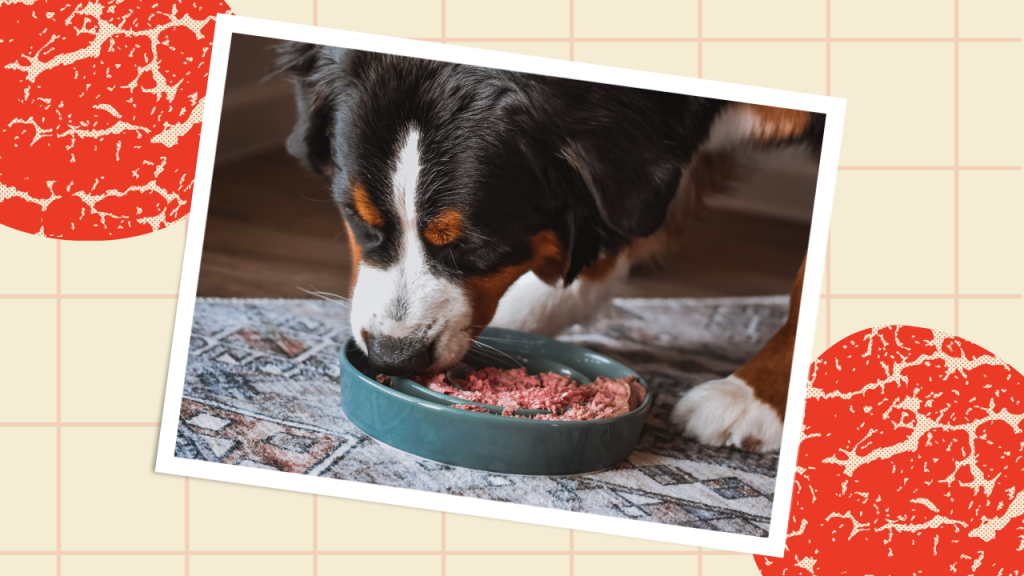

Are you worried about what’s really in your dog’s food? You’ve probably heard a lot about grain-free diets and wondered if they’re good or bad for your furry friend.
It’s confusing when every source seems to say something different. What if the food you believe is healthy is actually harming your dog? Understanding the truth behind grain-free diets can help you make better choices for your pet’s health and happiness.
Keep reading to find out what you need to know before deciding what goes into your dog’s bowl.
Grain Free Diets Explained
Grain free diets for dogs have become popular among pet owners. These diets avoid traditional grains like wheat and corn. Some believe grains cause allergies or digestive issues in dogs. Others think dogs thrive better without grains. Understanding what grain free means helps clarify these ideas.
What Grain Free Means
Grain free dog food does not include common grains such as:
- Wheat
- Corn
- Rice
- Barley
- Oats
Instead, these diets use other sources of carbohydrates. The goal is to provide energy without grains. Grain free does not mean carbohydrate-free. It means grains are replaced by other ingredients.
Common Ingredients In Grain Free Foods
Grain free dog foods often contain:
- Potatoes or sweet potatoes
- Pulses like peas and lentils
- Beans
- Vegetables
- Fruits
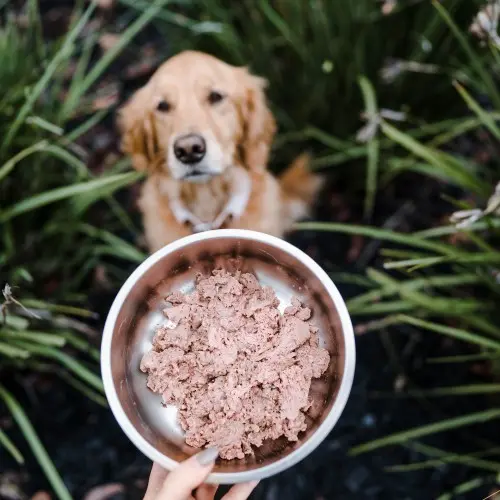
These ingredients supply fiber and energy. Protein usually comes from meat, fish, or eggs. Grain free diets can suit dogs with grain allergies. Not every dog needs grain free food though.
Credit: wefeedraw.com
Health Claims And Benefits
Many pet owners consider grain free diets for dogs based on health claims. These claims focus on benefits like better digestion and fewer allergies. Understanding these claims helps decide if this diet suits your dog.
Promoted Advantages
- Improved digestion due to absence of grains
- Reduced allergic reactions in sensitive dogs
- Higher protein levels for energy and muscle health
- Weight management by lowering carbohydrate intake
- Better coat and skin condition reported by some owners
Who Might Benefit
Dogs with grain allergies or intolerances may see clear improvements. Pets with sensitive stomachs sometimes handle grain free diets better. Active dogs needing more protein might also benefit. Older dogs with slower digestion could find this diet easier to process.
Potential Risks For Dogs
Grain free diets for dogs have gained popularity, but they carry potential risks. Removing grains can affect your dog’s health in unexpected ways. Understanding these risks helps make safer choices for your pet’s nutrition.
Link To Heart Disease
Some studies show a connection between grain free diets and heart disease in dogs. This disease is called dilated cardiomyopathy (DCM). DCM weakens the heart and reduces its ability to pump blood. Certain grain free foods may lack key nutrients like taurine, which supports heart health. Dogs on these diets might develop symptoms such as coughing, difficulty breathing, and fatigue. Regular vet check-ups can catch issues early.
Nutritional Imbalances
Grain free diets can lead to nutritional imbalances in dogs. Grains provide important nutrients like fiber, vitamins, and minerals. Without grains, some diets may lack these essential elements. This can cause digestive problems, poor coat condition, and low energy. Some grain free foods rely heavily on peas, lentils, or potatoes. These ingredients might not provide a balanced mix of nutrients. Choosing a diet with varied ingredients helps prevent these imbalances.
Scientific Research Findings
Recent studies link grain-free diets to heart problems in some dogs. Nutrient imbalances may cause health risks. Veterinarians advise careful diet choices for dogs.
Scientific research provides insights into the impact of grain-free diets on dogs. Recent studies and expert opinions shed light on this topic. This understanding helps pet owners make informed decisions.Recent Studies
Recent studies examine the effects of grain-free diets on dogs. Researchers have explored the link between grain-free diets and heart disease. They focus on a condition called dilated cardiomyopathy (DCM). Some studies suggest a potential connection between grain-free foods and DCM in dogs. Yet, these findings are not conclusive. More research is needed to confirm these results. Scientists continue to investigate how diet impacts canine health.Expert Opinions
Veterinarians and pet nutritionists provide valuable insights into this topic. Many experts recommend a balanced diet for dogs. They emphasize the need for essential nutrients found in grains. Some experts caution against completely removing grains from a dog’s diet. They advise pet owners to consult professionals before making changes. These opinions help guide responsible pet nutrition decisions.Alternatives To Grain Free Diets
Alternatives to grain free diets offer ways to meet your dog’s nutritional needs safely. Many dogs thrive on diets that include grains alongside other essential ingredients. These diets provide energy, fiber, and important nutrients that support overall health.
Choosing the right food ensures your dog gets a balanced mix of proteins, fats, and carbohydrates. It also helps avoid nutritional gaps that some grain free diets might cause. Let’s explore balanced diet options and tips for selecting the best food for your dog.
Balanced Diet Options
Balanced diets combine quality proteins with healthy grains and vegetables. Grains like rice, oats, and barley provide energy and fiber. Proteins from chicken, fish, or beef build muscles and repair tissues. Vegetables add vitamins and minerals vital for immunity.
A balanced diet can include:
- Whole grains for energy and digestion
- Lean meats for protein
- Vegetables for vitamins and antioxidants
- Healthy fats for skin and coat health
- Essential vitamins and minerals for overall wellness
Choosing The Right Food
Select food based on your dog’s age, size, and health needs. Check ingredient lists for named proteins and whole grains. Avoid fillers and artificial additives. Look for foods approved by pet nutrition experts or veterinary associations.
Consider:
- Your dog’s allergy history
- Life stage (puppy, adult, senior)
- Special health conditions
- Preference and appetite
Consult your vet before switching diets. This helps find a safe and nutritious option for your dog.

Credit: www.houndsy.com
Tips For Switching Dog Foods
Switching your dog’s food requires care and attention. Sudden changes can upset their stomach or cause digestive issues. Following some simple tips helps your dog adjust smoothly. These tips protect your dog’s health and keep them happy during the switch.
Transitioning Gradually
Start by mixing a small amount of new food with the old food. Slowly increase the new food portion over 7 to 10 days. This helps your dog’s digestive system adapt. Watch for signs of discomfort like vomiting or diarrhea. If problems appear, slow down the transition pace. Gradual change reduces stress and prevents digestive upset.
Monitoring Dog’s Health
Observe your dog’s behavior and stool quality during the switch. Healthy digestion shows firm, regular stools and normal energy levels. Look for changes like vomiting, loose stools, or lack of appetite. These signs may mean your dog struggles with the new diet. Contact your vet if you notice any persistent health issues. Keep a daily record of your dog’s reactions to track progress.

Credit: wefeedraw.com
Frequently Asked Questions
Are Grain Free Diets Harmful To Dogs?
Grain free diets are not inherently harmful but may lack essential nutrients. Some studies link them to heart issues in certain dogs. Always consult your vet before changing your dog’s diet to ensure balanced nutrition and avoid health risks.
Do Grain Free Diets Cause Heart Disease In Dogs?
Some research suggests a potential link between grain free diets and canine dilated cardiomyopathy (DCM). However, this is rare and not confirmed for all dogs. Vet guidance is crucial to choose a diet that supports your dog’s heart health.
What Are The Benefits Of Grain Free Dog Food?
Grain free dog food can help dogs with grain allergies or sensitivities. It often contains alternative carbohydrates and more protein. Benefits vary by dog, so monitor their health and consult your vet for personalized advice.
Should All Dogs Avoid Grain Free Diets?
Not all dogs need to avoid grain free diets. Dogs with allergies or digestive issues may benefit. Healthy dogs often thrive on diets with grains. Vet advice helps determine the best diet for your dog’s specific needs.
Conclusion
Grain free diets are not bad for all dogs. Some dogs need special diets for health reasons. Others do well eating grains in their food. Talk to your vet before changing your dog’s diet. Watch your dog’s health and energy closely.
Every dog is different. Choose food that keeps your dog happy and healthy. Balance and care matter most in any diet.