
Training your dog to pee in the right place can save you a lot of stress and mess. If you’ve ever struggled with accidents around the house, you know how frustrating it can be.
But don’t worry—teaching your dog where and when to go is easier than you think. In this guide, you’ll discover simple steps that work for dogs of all ages. By following these tips, you’ll create a happier home for both you and your furry friend.
Ready to get started? Let’s dive in and make potty training a breeze!
Credit: pomeranian.org
Choose The Right Spot
Choosing the right spot for your dog to pee is a crucial step in training. It sets clear expectations and helps your dog understand where they should go. Picking a spot that fits your lifestyle and your dog’s needs makes the whole process smoother for both of you.
Indoor Vs Outdoor Options
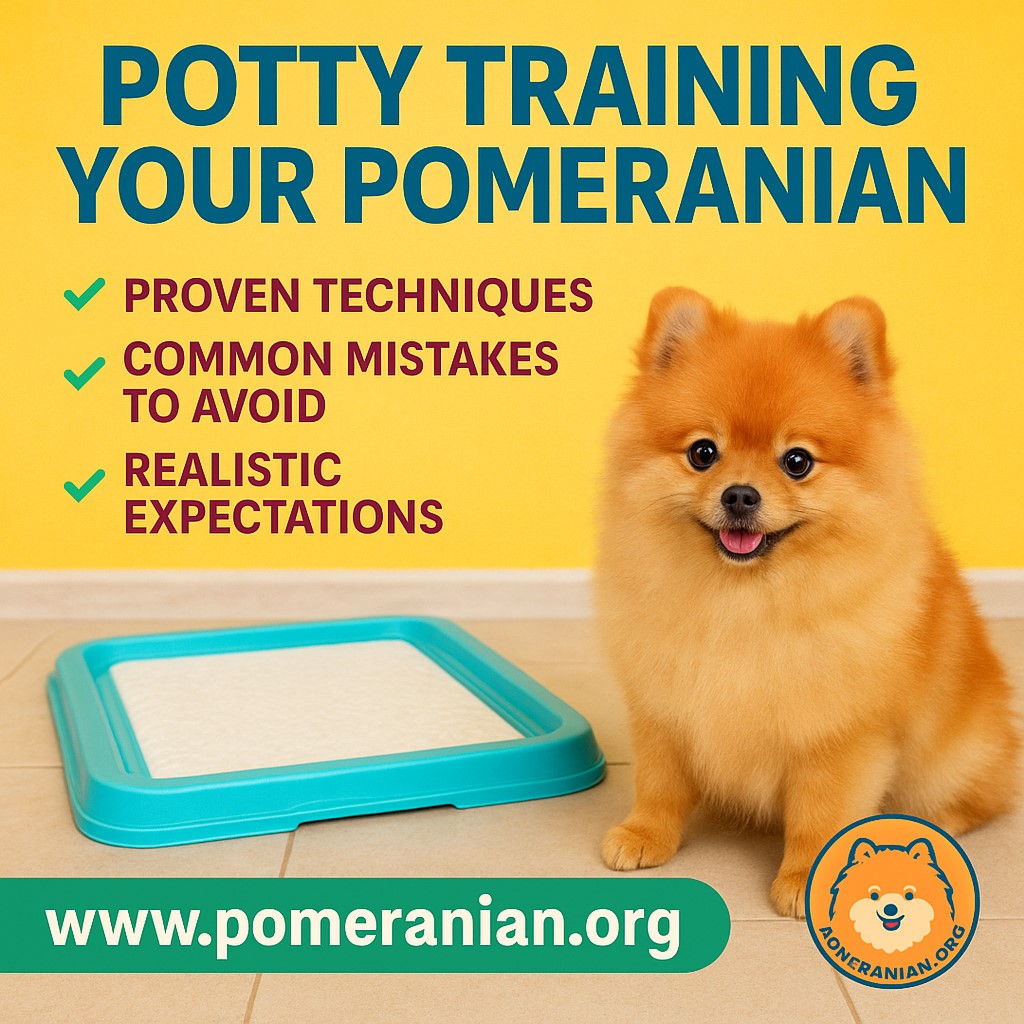
Deciding between indoor and outdoor potty spots depends on your living situation. Outdoor spots offer fresh air and natural cues like grass or dirt, which dogs instinctively prefer. However, if you live in an apartment or face harsh weather, an indoor spot with pee pads or a litter box might work better.
Think about your dog’s comfort too. Puppies often feel safer indoors at first. Older dogs might prefer the routine of going outside. Your choice should balance convenience and what helps your dog succeed.
Consistency Matters
Once you pick a spot, stick with it. Dogs learn through repetition. Taking your dog to the same spot every time helps build a clear habit.
Imagine if you kept changing the location—your dog would get confused and might not understand where to go. Consistent use of one spot sends a strong message and speeds up training.
Try to keep the spot clean but not overly sanitized. A bit of leftover scent actually guides your dog back. Have you noticed how your dog sniffs the ground before peeing? That’s their way of confirming they’re in the right place.

Credit: www.youtube.com
Set A Routine
Setting a routine is key to training your dog to pee in the right place. Dogs feel secure with predictable schedules. Routines help their bodies adjust and learn when it’s time to go outside. Consistency builds good habits fast.
Regular Feeding Times
Feed your dog at the same times every day. This controls when they eat and digest food. Their bathroom needs will follow a pattern. Avoid free feeding or leaving food out all day. Scheduled meals make potty training easier and quicker.
Scheduled Potty Breaks
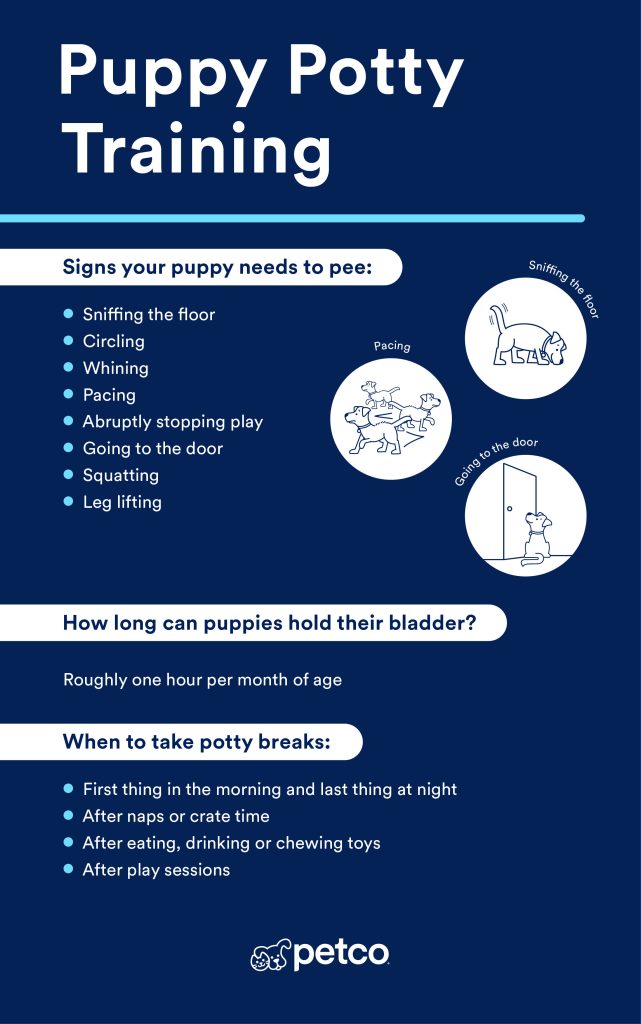
Take your dog outside at fixed times daily. Early morning, after meals, and before bedtime are good moments. Watch for signs like sniffing or circling. These breaks prevent accidents inside. Praise your dog after they pee outside. This encourages them to repeat the behavior.
Use Commands And Signals
Commands and signals help your dog understand when and where to pee. Use clear words and consistent hand gestures to guide your pet. Reward them immediately after they follow your command to reinforce good behavior.
Training your dog to pee on command can make life easier. Using specific commands and signals can help your furry friend understand your expectations. This method requires consistency and patience but leads to positive results. Let’s explore how you can use verbal cues and body language to train your dog effectively.Simple Verbal Cues
Choose a short, simple word for your command. “Pee” or “Go potty” are common choices. Use this command every time your dog is about to pee. Say it in a clear, calm voice. Consistency is key to helping your dog make the connection. Praise your dog immediately after they pee. This reinforces the positive behavior. Treats can also be a great motivator.Body Language Signals
Dogs respond well to body language. Stand in a specific spot when giving the command. Point to the ground or the area where you want your dog to pee. Use the same stance each time to create a routine. Avoid sudden movements that might distract your dog. Calm and steady actions help your dog focus on the task. Non-verbal signals can enhance understanding between you and your dog.Reward Good Behavior
Rewarding good behavior is key to training your dog to pee in the right place. Dogs learn best through positive reinforcement. This means giving them something they like immediately after they do the right thing. Rewards make your dog want to repeat the good behavior. Consistency and patience help your dog understand what you expect.
Treats And Praise
Treats are a powerful way to reward your dog. Use small, tasty snacks your dog loves. Give a treat right after your dog pees outside. This links the reward to the action.
Praise is just as important. Use a happy voice and gentle petting. Say words like “Good job!” or “Well done!” This makes your dog feel proud and happy.
Timing Of Rewards
Timing matters a lot in training. Give the treat and praise right after your dog pees. If you wait too long, your dog won’t connect the reward to the right action.
Be ready with treats when you take your dog outside. Watch closely to catch the moment your dog pees. Immediate rewards teach your dog faster and keep them motivated.
Handle Accidents Calmly
Handling accidents calmly is one of the most important parts of training your dog to pee in the right place. Dogs don’t understand punishment or anger—they respond better to calm, consistent guidance. When you stay calm, you help your dog feel safe and learn faster.
Cleaning Techniques
Cleaning accidents properly is key to preventing your dog from peeing in the same spot again. Use an enzymatic cleaner that breaks down urine proteins instead of just masking the smell. This removes the scent that encourages your dog to mark the area again.
Avoid using ammonia-based cleaners because their smell can confuse your dog and make the spot more attractive. After cleaning, dry the area thoroughly to remove moisture that might invite your dog back. Have cleaning supplies ready so you can act quickly when accidents happen.
Avoiding Punishment
It’s natural to feel frustrated when your dog has an accident, but punishing them can create fear and confusion. Dogs don’t connect past mistakes with punishment later on; they only understand what’s happening at the moment. Yelling or scolding might make your dog anxious or hide their accidents, which slows down training.
Instead, focus on praising your dog when they pee in the right place. Redirect gently if you catch them in the act. Ask yourself, “How can I guide my dog to learn, not fear?” This mindset helps create a positive training experience for both of you.
Credit: zigly.com
Monitor Progress
Monitoring your dog’s progress while training them to pee in the right spot is crucial. It helps you understand what’s working and what needs change. Tracking progress keeps you motivated and helps your dog learn faster.
Tracking Success
Keep a simple journal or use an app to note your dog’s potty times and locations. Write down when your dog successfully pees outside and any accidents inside.
Look for patterns. Does your dog go more often after meals or playtime? Noticing these details helps you predict when your dog needs to go.
Celebrate small wins. Even one successful outdoor potty session means your training is on the right track. How often does your dog get it right in a day?
Adjusting Techniques
If your dog has frequent accidents, it’s time to tweak your approach. Maybe the potty spot needs to be closer or more accessible.
Try changing your reward system. Some dogs respond better to treats, others to praise or play. What motivates your dog most?
Don’t hesitate to increase bathroom breaks if your dog struggles to hold it. Patience and flexibility in your methods can make a big difference.
Frequently Asked Questions
How Long Does It Take To Train A Dog To Pee Outside?
Training time varies, usually 4-6 weeks with consistent effort. Regular bathroom breaks and positive reinforcement speed up learning. Patience and routine are key to success.
What Is The Best Method To Train A Dog To Pee?
Use positive reinforcement, like treats and praise, immediately after peeing outside. Establish a consistent schedule for bathroom breaks. Avoid punishment to encourage good behavior and faster training.
How Often Should I Take My Dog Outside To Pee?
Take your dog outside every 2-3 hours, especially after meals and naps. Frequent trips prevent accidents and help establish a routine. Puppies may need more frequent breaks than adult dogs.
Can I Train An Older Dog To Pee Outside?
Yes, older dogs can learn with patience and consistency. Use the same positive reinforcement techniques as with puppies. Expect the process to take a bit longer but remain encouraging.
Conclusion
Training your dog to pee takes time and patience. Stay consistent with your schedule and commands. Praise your dog when it pees in the right place. Expect accidents, but don’t get upset. Use positive rewards to encourage good habits. Keep training sessions short and regular.
Soon, your dog will learn where to go. Enjoy the process and celebrate small wins. With care and effort, success is within reach.