
Are you tired of finding unwanted surprises around your home? Teaching your dog not to poop in the house can feel frustrating, but it doesn’t have to be that way.
Imagine coming home to a clean floor and a happy pet who knows exactly where to go. In this guide, you’ll discover simple, effective steps to train your dog and keep your space fresh. Stick with me, and you’ll soon enjoy a cleaner home and a well-behaved dog you can be proud of.
Let’s get started!

Credit: www.ohcrap.com.au
Choosing The Right Spot
Choosing the right spot for your dog to poop is a key part of training. Dogs need a clear, simple place to understand where to go. Picking a spot helps them learn faster and reduces accidents in the house. This place should be easy to find and repeat every time your dog needs to go.
Outdoor Vs Indoor Options
Outdoor spots offer fresh air and natural surroundings. Most dogs prefer to poop outside on grass or dirt. Choose a quiet area with little traffic. This helps your dog feel safe and calm. Indoor options like pee pads or litter boxes work for small spaces or bad weather. Make sure the spot is easy to clean and away from food or play areas.
Consistency In Location
Use the same spot every time to create a habit. Dogs remember places by smell and sight. Changing spots confuses them and slows training. Take your dog to the chosen spot after meals or naps. Praise and reward your dog when they go in the right place. This builds a strong connection between the spot and the action.
Establishing A Routine
Establishing a routine is key to training your dog not to poop in the house. Dogs thrive on consistency, and a predictable schedule helps them understand when and where they should go. Setting clear expectations through a daily routine reduces accidents and builds good habits.
Regular Feeding Times
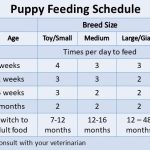
Feeding your dog at the same times every day helps regulate their digestion. When your dog eats on a schedule, their bathroom needs become more predictable. This makes it easier for you to anticipate when they will need to go outside.
Try to provide meals twice or three times daily at consistent intervals. Avoid free feeding, where food is always available. This can lead to irregular bathroom habits and confusion.
Notice how your dog’s energy and appetite change with regular feeding. You might find that their bathroom routine becomes more reliable, which makes your job easier. Have you observed any times of day when your dog naturally needs a bathroom break?
Scheduled Bathroom Breaks
Taking your dog outside at set times reinforces where they should do their business. Schedule bathroom breaks right after meals, first thing in the morning, and before bedtime. This consistency helps your dog associate going outside with relief and praise.
Be patient and give your dog enough time during each break. If you rush, your dog may not have the chance to finish, leading to accidents later. Use the same door and spot outside to create a clear connection.
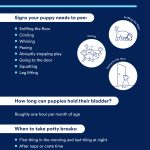
Pay attention to your dog’s signals, such as sniffing or circling. These signs often mean they need to go. How often do you think your dog needs to potty based on their age and size?
Recognizing Signs
Training your dog to avoid pooping in the house begins with recognizing their signs. Dogs often exhibit specific behaviors before they need to relieve themselves. Understanding these signs can significantly aid in preventing accidents indoors. By being attentive and responsive, you can guide your dog to the appropriate spot outside and reinforce good habits.
Common Behaviors Before Pooping
Most dogs display a predictable set of behaviors when they are about to poop. They might start sniffing around frantically as if searching for the perfect spot. Some dogs circle repeatedly before settling into their spot.
You may also notice your dog pacing or becoming restless. This restlessness often signals that they need to go out soon. Being aware of these behaviors can help you act quickly and avoid indoor accidents.
How To Respond Quickly
Once you notice the signs, it’s crucial to act fast. Take your dog outside immediately to the spot where you want them to relieve themselves. Consistency is key, so use the same door and area each time.
Offer praise or a small treat once your dog successfully poops outside. Positive reinforcement encourages them to repeat the behavior. Consider setting a regular schedule for bathroom breaks to help prevent accidents.
Think about your own routine. Are you missing your dog’s cues because you’re distracted? Making a conscious effort to observe your dog’s behavior can lead to a cleaner home and a happier pet.
Credit: pethelpful.com
Using Positive Reinforcement
Using positive reinforcement is one of the most effective ways to train your dog not to poop in the house. It helps your dog understand exactly what behavior you want by rewarding them when they get it right. This method builds trust and encourages your dog to repeat good habits without fear.
Treats And Praise
Reward your dog immediately after they go potty outside. Use small, tasty treats that your dog loves to catch their attention and keep them motivated.
Along with treats, use enthusiastic praise like “Good job!” or “Well done!” in a happy tone. Your dog will start associating going outside with positive feelings.
Try to be consistent. Every time your dog poops outside, offer a treat and praise. This clear connection helps them learn faster.
Avoiding Punishment
Never punish your dog for accidents inside the house. Punishment can confuse your dog and damage your relationship.
Dogs don’t link punishment to their past actions, so scolding them after the fact won’t help. Instead, it may make them scared to go near you or hide when they need to go.
Focus on redirecting your dog gently to the right place instead. Encourage them to go outside and reward them when they do.
Crate Training Benefits
Crate training offers many benefits for house training your dog. It creates a controlled environment that helps your dog learn where to go potty. The crate is not just a tool for confinement but a place your dog can feel secure. Training with a crate sets clear boundaries and routines that dogs understand easily.
Safe Space For Your Dog
A crate acts as a safe space for your dog. Dogs naturally avoid soiling their sleeping area. This instinct helps them hold their bladder and bowels when inside the crate. The crate can reduce anxiety by giving your dog a quiet place to rest. It becomes their personal den where they feel calm and protected.
Preventing Accidents
Using a crate prevents accidents in the house by limiting your dog’s access. Dogs left unsupervised often have accidents in random places. The crate confines them to a small area where they are less likely to poop. This control teaches them to wait for bathroom breaks outside. Crate training encourages consistent bathroom habits and reduces indoor messes.
Cleaning Accidents Properly
Cleaning accidents properly stops your dog from pooping in the same spot again. It helps keep your home fresh and healthy. Quick and thorough cleaning removes stains and smells. This makes your dog less likely to return to that place.
Effective Cleaning Products
Choose cleaning products made for pet accidents. Enzyme cleaners break down waste and stains deeply. They stop dogs from smelling their old mess. Avoid ammonia or bleach. These can smell like urine to dogs and cause more accidents.
- Enzyme-based cleaners
- Pet-safe disinfectants
- Odor neutralizers
Test products on a small area first. This prevents damage to carpets or floors.
Removing Odors Completely
Odor removal is key to stop repeat accidents. Use products that kill odor molecules, not just cover smells. Air out the room well after cleaning. Wash any fabrics or bedding that touched the mess. A clean smell helps your dog learn where not to go.
- Ventilate rooms after cleaning
- Wash affected fabrics in hot water
- Use odor neutralizers on carpets and floors
Dealing With Setbacks
Training your dog not to poop in the house can be challenging, and setbacks are a normal part of the process. Understanding how to handle these obstacles can make your journey smoother and less stressful. Let’s look at what you might face and how to keep moving forward.
Common Challenges
Some dogs have accidents despite your best efforts. They might be scared, sick, or simply confused about where to go. Sometimes, changes in routine or environment can trigger setbacks.
You might notice your dog suddenly having accidents after weeks of good behavior. This can happen if they are stressed by visitors or loud noises. Puppies especially need extra patience as they learn.
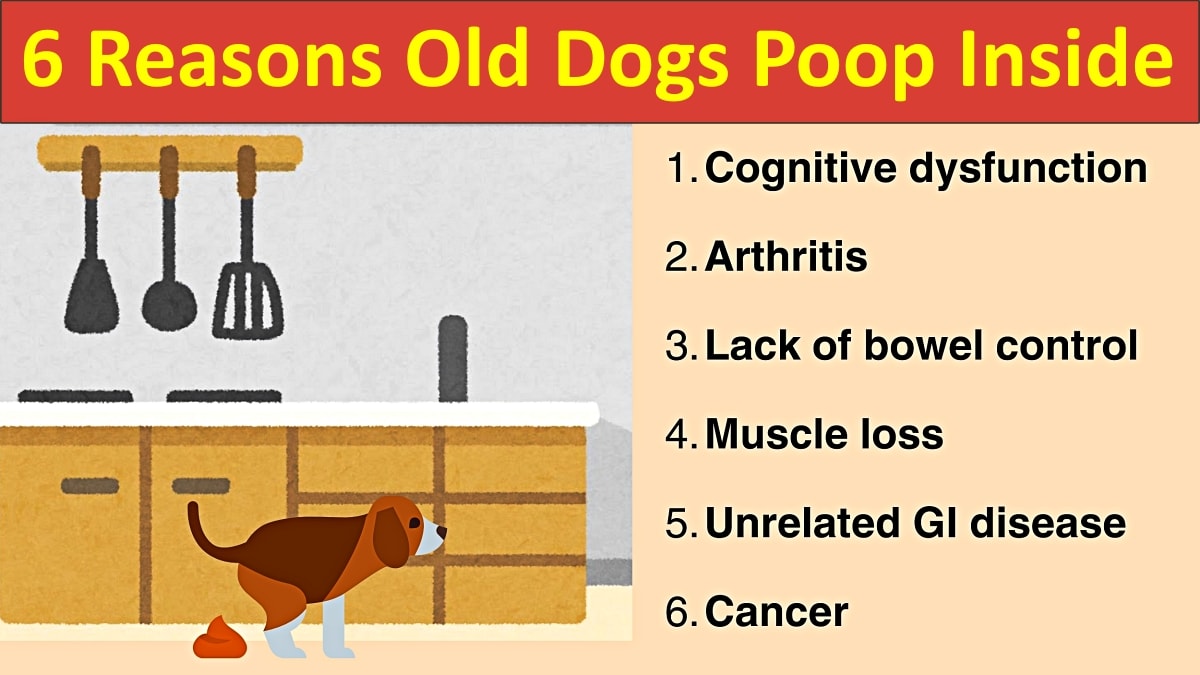
Health issues like urinary tract infections or digestive problems can also cause indoor accidents. If you see a sudden change, a vet visit could be necessary.
Staying Patient And Consistent
Patience is your best tool when setbacks occur. Dogs don’t understand mistakes the way humans do. Punishing them can cause fear and slow down progress.
Stick to your schedule for potty breaks, and praise your dog when they do well. Consistency helps your dog learn faster and builds trust.
Ask yourself: Are you keeping calm and encouraging your dog, even when accidents happen? Your attitude will influence their confidence and willingness to learn.
Remember, every accident is an opportunity to reinforce good habits. Clean the area thoroughly to remove smells that might attract your dog back. Then, calmly guide them to the right spot next time.
Credit: greensafaris.com
Frequently Asked Questions
How Long Does Dog House Training Usually Take?
House training a dog typically takes 4 to 6 weeks. Consistency, patience, and positive reinforcement speed up the process. Puppies may require more time, while adult dogs might learn faster with proper guidance.
What Are The Best Methods To Stop Indoor Dog Pooping?
Use crate training, establish a regular potty schedule, and reward outdoor bathroom habits. Clean accidents thoroughly to remove odors. Consistent supervision and positive reinforcement are key to success.
How Often Should I Take My Dog Outside To Poop?
Take your dog outside every 2 to 3 hours, especially after meals and naps. Frequent trips help prevent accidents and reinforce good bathroom habits. Consistency helps dogs learn where to go.
Can Diet Affect My Dog’s House Training Success?
Yes, a consistent feeding schedule aids house training. Feeding your dog at the same times daily helps predict bathroom needs. Avoid sudden diet changes, as they can cause digestive upset and accidents.
Conclusion
Training your dog not to poop in the house takes time and patience. Stay consistent with your schedule and rewards. Watch your dog closely and take them outside often. Praise them when they go in the right spot. Remember, accidents happen—stay calm and keep trying.
Over time, your dog will learn the right place. Enjoy the process and build a strong bond. A clean house and happy dog are worth the effort. Keep going—you are doing great!