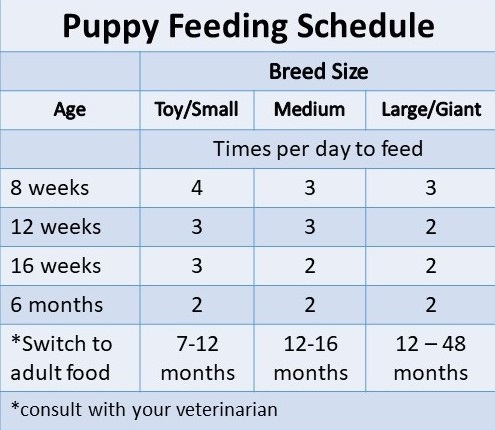

Are you wondering when it’s the right time to switch your puppy to adult dog food? Feeding your furry friend the proper diet is one of the most important steps you can take to ensure they grow up healthy and strong.
But making the switch too early or too late can affect their development and energy levels. You’ll discover exactly when to start feeding your puppy adult dog food and how to make the transition smooth and safe for your pet.
Keep reading to give your puppy the best start in life!
Credit: www.petsmart.ca
Puppy Nutrition Basics
Puppy nutrition plays a vital role in healthy growth and development. Puppies need food that meets their unique needs. Their bodies grow fast and require special care.
Choosing the right food supports strong bones, muscles, and a healthy immune system. Understanding what makes puppy food different helps you decide when to switch to adult dog food.
Key Nutrients For Growth
- Protein:Builds muscles and tissues quickly.
- Fat:Provides energy for playful, active pups.
- Calcium and Phosphorus:Strengthen bones and teeth.
- Vitamins and Minerals:Boost the immune system and overall health.
- DHA (an omega-3 fatty acid):Supports brain and eye development.
Differences Between Puppy And Adult Food
- Puppy food has more calories to fuel rapid growth.
- Higher protein levels support muscle and tissue development.
- Extra fat helps with energy needs during active growth phases.
- Balanced vitamins and minerals aid in immune and bone health.
- Adult dog food has fewer calories and less fat.
- Adult formulas focus on maintaining health, not growth.
Signs Your Puppy Is Ready
Knowing when your puppy is ready for adult dog food is important for their health. Puppies grow fast, and their diet needs to match their development. Some clear signs show your puppy might be ready to switch to adult food. These signs include changes in their body and behavior. Watch closely for these indicators before making any diet changes.
Physical Development Milestones
- Your puppy’s teeth are fully grown and strong.
- They have stopped growing rapidly in height and weight.
- Their coat looks shinier and thicker, showing maturity.
- Muscles become more defined and less puppy-like.
- They can digest solid food without any stomach upset.
Behavioral Changes To Watch
- Your puppy shows less need for constant feeding.
- They start to eat less frequently but more at once.
- Energy levels stabilize and are less hyperactive.
- Your puppy is more independent and less needy.
- Interest in chewing and exploring food textures changes.
Ideal Age To Switch
Puppies can start eating adult dog food around 12 months old, depending on their breed size. Larger breeds may need more time on puppy food for proper growth. Switching too early can affect their health and development.
Deciding when to transition your puppy to adult dog food is a significant milestone in their growth journey. Puppies have different nutritional needs compared to adult dogs, so timing this switch correctly is crucial for their health. You might wonder, “When is the right time for my puppy?” The answer isn’t one-size-fits-all, as it depends on various factors including breed, size, and health conditions. Let’s explore these considerations further.Breed And Size Considerations
Breed and size play a vital role in determining the ideal age to switch your puppy to adult food. Smaller breeds like Chihuahuas mature faster and may be ready for adult food around 9 to 12 months. On the other hand, larger breeds like Great Danes take longer to mature and might need puppy food until they reach 18 to 24 months. Consider your puppy’s growth rate. A rapid growth spurt might suggest they’re ready for a dietary change. Always keep an eye on their physical development and adjust accordingly.Veterinarian Recommendations
Consulting your veterinarian can provide personalized advice tailored to your puppy’s needs. Vets can assess your puppy’s growth and health, offering insights on when to transition their diet. Your vet may suggest a gradual transition to avoid digestive issues. This professional guidance can prevent common mistakes and ensure your puppy receives balanced nutrition. Have you scheduled your next vet visit yet? It’s the perfect opportunity to discuss your puppy’s diet and future needs. By considering breed, size, and seeking veterinarian advice, you can confidently decide the best time to switch your puppy to adult dog food. It’s a step that supports their development and sets the stage for a healthy adult life.Transitioning Smoothly
Changing a puppy’s food to adult dog food needs care and patience. Sudden switches can upset their stomach. A smooth transition helps your puppy adjust well to the new diet. It keeps their digestion healthy and avoids food refusal. This section explains how to do it step-by-step.
Gradual Food Mixing Techniques
Start by mixing a small amount of adult food with puppy food. Increase the adult food portion every few days. Follow this simple schedule:
| Days | Puppy Food (%) | Adult Food (%) |
|---|---|---|
| 1-3 | 75% | 25% |
| 4-6 | 50% | 50% |
| 7-9 | 25% | 75% |
| 10+ | 0% | 100% |
This slow mix helps the puppy’s body get used to new ingredients. It also reduces the risk of diarrhea or vomiting.
Monitoring Digestive Responses
Watch your puppy’s stool and energy during the change. Soft stools or diarrhea means slow down the switch. Vomiting or loss of appetite needs a pause and vet advice.
- Check stool daily for consistency and color.
- Note any vomiting or gas.
- Observe energy levels and mood.
Healthy digestion shows the puppy is adapting well. Adjust the transition speed based on these signs. This care ensures a happy, healthy puppy.
Common Mistakes To Avoid
Feeding your puppy adult dog food too soon or without considering their specific needs can lead to health problems and slow growth. Many pet owners make simple mistakes that can affect their pup’s development. Recognizing these errors helps you make smarter feeding choices and supports your puppy’s healthy transition to adult food.
Switching Too Early
Many owners are eager to switch their puppies to adult food once they hit a certain age. But timing matters more than just hitting a milestone. Switching before your puppy’s growth plates close or before their digestive system is ready can cause nutrient deficiencies and stomach upset.
If you switch too early, your puppy might miss out on essential nutrients like calcium and protein, which are critical for strong bones and muscles. Have you checked your vet’s advice based on your puppy’s breed and size? Bigger breeds need longer puppy food phases compared to smaller ones.
Ignoring Nutritional Needs
Adult dog food isn’t one-size-fits-all. Ignoring the nutritional differences between puppy and adult formulas can stunt your pup’s growth or lead to obesity. Puppy food is richer in calories, vitamins, and minerals to support rapid development, while adult food focuses more on maintenance.
Don’t assume adult dog food will automatically meet your puppy’s energy demands. Look closely at the labels and consult your vet to ensure the food matches your dog’s current health needs. Skipping this step can leave your puppy undernourished or cause digestive problems.

Credit: forthglade.com
Special Cases
Some puppies need extra care before switching to adult dog food. Special cases require different feeding schedules. Understanding these situations helps ensure healthy growth and development. Pay close attention to these unique needs to make the right choice for your puppy.
Puppies With Health Issues
Puppies with health problems may need tailored diets. Their bodies might not handle adult food well. Vets often recommend special puppy food longer than usual. This food supports healing and strengthens their immune system. Monitor their weight and energy closely. Adjust feeding plans based on vet advice and puppy response.
Orphaned Or Rescued Puppies
Orphaned or rescued puppies face feeding challenges. They often miss mother’s milk, which is vital early on. These puppies need puppy formula before solid food. Transition to adult food happens later than normal. Gradual changes avoid stomach upset and nutrient gaps. Careful feeding supports their fragile health and growth.
Long-term Feeding Tips
Feeding adult dog food to puppies requires care beyond the transition phase. Long-term feeding habits shape their health and growth. Maintaining the right nutrition balance and adapting to their changing needs is essential. Puppies grow quickly, but their diet needs evolve at each stage.
Maintaining Balanced Diet
A balanced diet supports healthy bones, muscles, and energy. Adult dog food may lack some nutrients puppies need. Check ingredients for protein, fats, vitamins, and minerals. Include foods rich in calcium and phosphorus for strong bones.
Watch for signs of allergies or digestive issues. Rotate protein sources to prevent sensitivities. Fresh water must always be available. Regular vet check-ups help track your dog’s nutritional status.
Adjusting Portions With Age
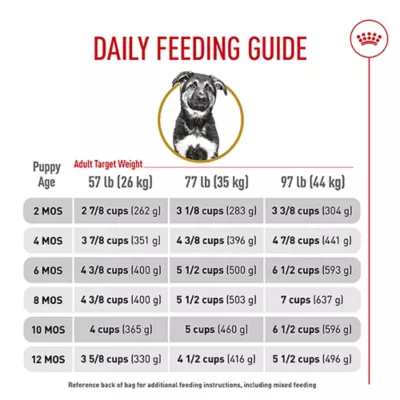
Portion size depends on size, age, and activity level. Puppies need more calories per pound than adult dogs. Reduce portions gradually as growth slows. Avoid overfeeding to prevent obesity and joint problems.
Use feeding guidelines on the food package as a starting point. Observe your dog’s weight and energy. Adjust portions to keep a healthy body condition. Smaller, frequent meals can improve digestion and energy levels.
Credit: www.purina.com
Frequently Asked Questions
When Is The Right Age To Feed Puppies Adult Dog Food?
Puppies can start eating adult dog food at about 12 months old. Large breeds may need up to 18 months. Transition gradually to avoid digestive issues. Consult your vet for breed-specific advice.
How To Transition Puppies To Adult Dog Food Safely?
Mix adult food with puppy food over 7-10 days. Increase adult food gradually while decreasing puppy food. Monitor your puppy’s digestion and energy levels during the change.
Can Feeding Adult Food Too Early Harm Puppies?
Yes, feeding adult food too early can cause nutrient deficiencies. Puppies need higher protein and fat for growth. Early switch may stunt development or cause digestive upset. Always follow vet recommendations.
What Signs Show Puppies Are Ready For Adult Dog Food?
Look for slowed growth and reduced calorie needs around 12 months. Puppies become less active and their coat matures. Consult your vet for the best time to switch.
Conclusion
Puppies need special food to grow strong and healthy. Adult dog food is not right for them too soon. Usually, you can start after they are about one year old. Watch your puppy’s size and energy to know the right time.
Changing food slowly helps avoid tummy problems. Always choose good quality food for your dog’s needs. Feeding the right food helps your puppy live a long, happy life. Take your time and care for your furry friend.