Are you planning a train trip and wondering, “Can I take my dog on the train?” Traveling with your furry friend can be exciting but also a bit confusing if you don’t know the rules.
You want to make sure your dog is comfortable and that you follow the right guidelines to avoid any hassle. You’ll discover everything you need to know about bringing your dog on a train—from ticket policies to safety tips. Keep reading to make your journey smooth and stress-free for both you and your pet.
Train Pet Policies
Understanding train pet policies is key before you plan to travel with your dog. Each train company has specific rules that affect how and when you can bring your furry friend onboard. Knowing these details helps avoid surprises and ensures a smooth journey for both you and your pet.
Major Train Companies Rules
Different train companies have varied pet policies. For instance, Amtrak allows small pets on many routes, but they must weigh under 20 pounds and stay in a carrier. In contrast, some regional trains might not permit pets at all, or only allow service animals.
Have you checked the specific rules of the company you plan to travel with? It’s important because what works for one company may not work for another. This saves you time and prevents last-minute headaches.
Ticket Requirements For Pets
Most trains require you to buy a ticket for your pet. This fee is usually less than a human ticket but varies by company. Some trains ask you to book a pet ticket in advance, so your spot is guaranteed.
Think about how your pet’s ticket affects your overall travel budget and planning. Missing this step might mean your dog isn’t allowed onboard, or you’ll have to pay extra fees. Always confirm ticket rules before booking.
Pet Carrier Specifications
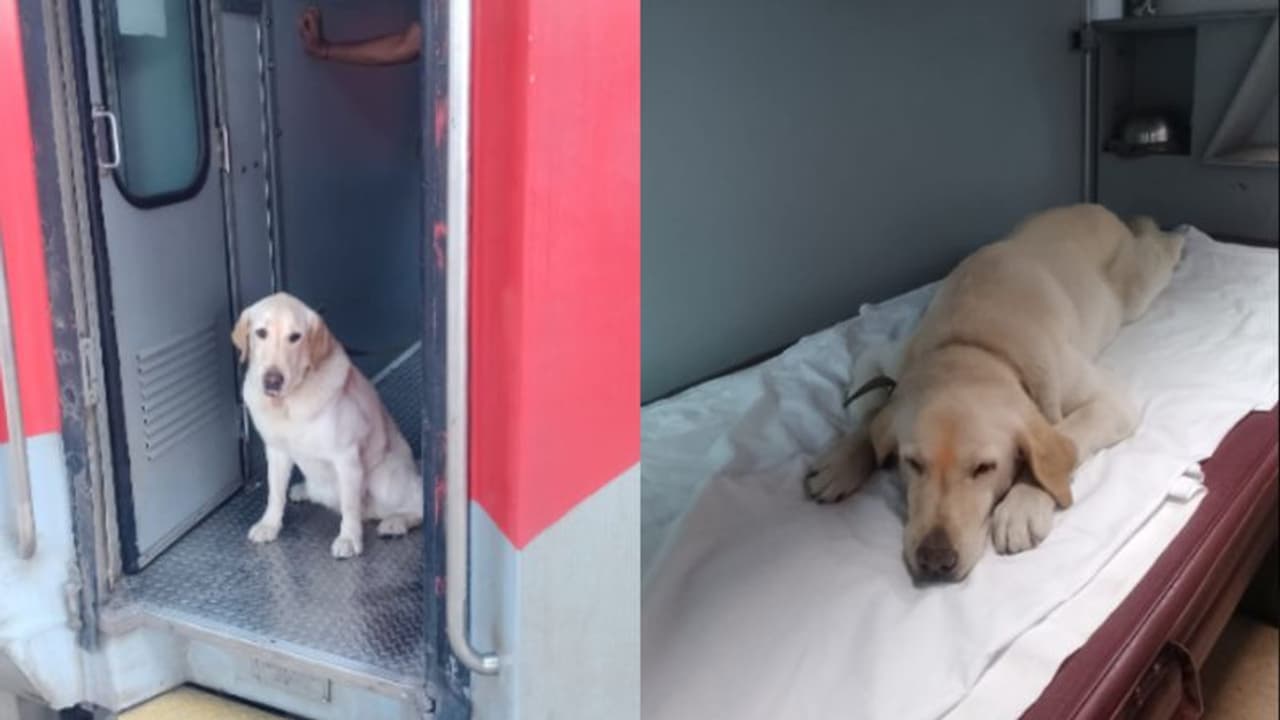
Trains often require pets to stay inside a carrier during the trip. These carriers must fit under the seat in front of you, so size limits are strict. Most companies specify dimensions, usually around 19 inches long, 14 inches wide, and 10 inches high.
Choosing the right carrier can make a big difference for your dog’s comfort and your peace of mind. Is your dog used to being in a carrier? If not, try getting them familiar with it before the trip. This small step helps reduce stress for both of you during travel.
Credit: newsable.asianetnews.com
Booking Your Dog’s Train Trip
Booking your dog’s train trip requires careful planning. It ensures a smooth journey for both you and your pet. Proper reservations help avoid last-minute issues. Knowing the rules and fees saves time and stress. Below are key points to help with your booking process.
Reservation Tips
- Check the train company’s pet policy before booking.
- Reserve your seat early to secure space for your dog.
- Provide accurate details about your dog’s size and breed.
- Bring necessary documents like vaccination records if required.
- Ask about pet carrier size limits and comfort during travel.
Peak Travel Times
Trains are busiest during holidays and weekends. Traveling with your dog during these times can be challenging. Book tickets well in advance to avoid sold-out trips. Off-peak hours offer a quieter, more comfortable journey. Consider weekday travel for less crowded trains and relaxed conditions.
Additional Fees
- Many train services charge a fee for pets onboard.
- Fees vary depending on your dog’s size and travel distance.
- Some companies allow small dogs for free if they stay in carriers.
- Prepare extra money for cleaning or special accommodations if needed.
- Confirm all fees before finalizing your booking to avoid surprises.
Preparing Your Dog For Travel
Train travel with your dog needs some planning. Carry a leash, water, and a comfortable carrier. Check train rules to ensure pets are allowed.
Preparing your dog for a train journey requires thoughtful planning. Ensuring a smooth trip involves several key steps. Let’s explore how you can make this travel experience enjoyable for both you and your furry friend.Health Checks And Vaccinations
Before traveling, visit your vet. Ensure your dog is healthy for the trip. Check if vaccinations are up-to-date. This prevents potential health issues during travel. Some train services might require vaccination proof. Carry these documents to avoid any problems.Comfort And Safety Essentials
Pack essentials for your dog’s comfort and safety. Bring a cozy blanket or bed. It provides a familiar space during the journey. Use a sturdy leash and collar. This ensures your dog is secure. Consider a pet carrier for smaller dogs. It offers added safety.Training Your Dog For Travel
Train your dog to be comfortable in new environments. Start with short trips. Gradually increase the duration. Teach basic commands like sit and stay. This helps manage your dog during the journey. Reward good behavior with treats. Positive reinforcement makes the training enjoyable.
Credit: tvpworld.com
During The Train Journey
Traveling by train with your dog can be a calm and pleasant experience. Keeping your dog comfortable and following rules helps everyone enjoy the trip. During the journey, paying attention to your dog’s behavior and needs is important. This section explains how to act onboard, manage your dog’s needs, and handle emergencies effectively.
Onboard Etiquette
Keep your dog on a leash or inside a carrier at all times. Avoid loud noises that might scare other passengers. Clean up after your dog quickly and thoroughly. Respect other travelers’ space and comfort. Do not let your dog jump on seats or other passengers. Use a muzzle if your dog feels nervous or aggressive. Speak softly to calm your dog and keep it relaxed.
Managing Your Dog’s Needs
Bring water and a portable bowl to keep your dog hydrated. Offer small snacks during long trips to maintain energy. Take short breaks to let your dog stretch and relieve itself. Use absorbent pads in the carrier for accidents. Bring familiar toys or blankets to reduce stress. Monitor your dog’s breathing and behavior for signs of discomfort. Keep the carrier open only when safe and allowed.
Dealing With Emergencies
Prepare a small first-aid kit for your dog before traveling. Know the train staff locations and how to ask for help. Stay calm if your dog shows signs of illness or injury. Move to a quiet area if your dog is anxious or upset. Contact a veterinarian as soon as possible if an emergency occurs. Keep your dog’s ID and medical information handy at all times.
International And Long-distance Travel
Traveling with your dog across countries or on long train journeys takes extra planning. Different countries have their own rules for pets. Long trips require preparation to keep your dog safe and comfortable. Knowing the details helps avoid last-minute problems.
Cross-border Pet Rules
Each country sets its own pet travel rules. Some need a pet passport or health certificate. Vaccinations like rabies are often mandatory. Some countries require a quarantine period. Check the train company’s pet policy. Size and breed restrictions may apply. Prepare well before booking your tickets.
Customs And Documentation
Carry all necessary documents for your dog. These include:
- Pet passport or vaccination record
- Microchip details
- Health certificate from a vet
- Import permits if needed
Customs officers check these documents at borders. Missing papers can cause delays or refusal. Keep your dog’s papers in an easy-to-reach place during travel.
Long-haul Travel Tips
Plan frequent breaks during long trips. Let your dog stretch and drink water. Use a comfortable, well-ventilated carrier. Bring familiar toys or blankets for comfort. Feed your dog lightly before travel. Avoid heavy meals to prevent sickness. Stay calm; dogs sense your mood. Prepare for emergencies with a first-aid kit. Always have contact info for a nearby vet.
Alternatives To Train Travel
If train travel with your dog isn’t a fit for your plans, there are solid alternatives to keep your journey smooth and stress-free. Each option has its perks and challenges, so knowing what suits your dog’s needs and your schedule is key. Let’s break down some practical travel choices beyond the rails.
Bus And Coach Options
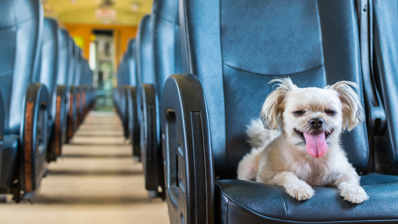
Buses can be a convenient choice for traveling with your dog, especially on shorter routes. Many companies allow small dogs in carriers, but rules vary, so check their pet policies before booking.
Keep in mind, buses often have limited space for pets, and long trips might not be comfortable for your furry friend. Bringing familiar toys or blankets can help ease their anxiety during the ride.
Car Travel Considerations
Driving offers the most control over your dog’s comfort and breaks. You can stop when needed, adjust the temperature, and keep your pet close.
Safety matters—use a dog seatbelt or a secured crate to protect your dog and yourself. Also, plan your route to include dog-friendly rest stops for bathroom breaks and exercise.
Air Travel For Dogs
Flying can be a quick way to cover long distances, but it requires careful preparation. Airlines have specific rules about pet carriers, weight limits, and health certificates.
Decide if your dog will fly in the cabin or cargo based on size and breed. Smaller dogs often do better in the cabin with you, while larger dogs might need to travel in the cargo hold, which can be stressful.
Have you checked how your dog reacts to car rides or loud noises? This insight helps decide if air travel is a good fit or if another method might keep your dog calmer and happier.
Credit: www.flava.co.nz
Frequently Asked Questions
Can I Bring My Dog On A Train Journey?
Yes, most train services allow dogs onboard. You must follow specific rules like using a carrier or leash, and sometimes paying a small fee.
What Are The Size Limits For Dogs On Trains?
Many train companies have size restrictions. Small dogs usually travel in carriers, while larger dogs might need a leash and muzzle. Check the specific train policy.
Do Dogs Need Tickets For Train Travel?
Some train operators require a ticket or fee for dogs. Small dogs in carriers may travel free. Always verify the ticketing rules before your trip.
Are There Designated Pet Areas On Trains?
Certain trains provide pet-friendly compartments or areas. If not, dogs must stay in the passenger’s seat or designated space. Confirm pet facilities in advance.
Conclusion
Traveling with your dog on a train can be simple and safe. Know the train rules before you book your ticket. Prepare your dog with a comfortable carrier or leash. Bring water and snacks for your pet’s comfort. Keep your dog calm and close during the journey.
Respect other passengers and clean up after your dog. Train trips can be a great way to explore with your pet. Planning ahead helps avoid stress for both you and your dog. Enjoy the ride and create happy memories together.