Are you wondering when the right time is to switch your furry friend to adult dog food? It’s a question every dog owner faces, and making the switch at the right moment can impact your pet’s health and happiness.
Feeding your dog the right food ensures they get the nutrients they need to stay active, strong, and full of life. Keep reading to discover the key signs and expert tips that will help you decide exactly when to make this important change for your dog’s well-being.
Signs Your Puppy Is Ready
Knowing when to change your puppy to adult dog food is important for their health. Watch for clear signs your puppy is ready. These signs help you make the switch at the right time. They ensure your dog gets the right nutrients for their stage of life.
Age Milestones To Watch
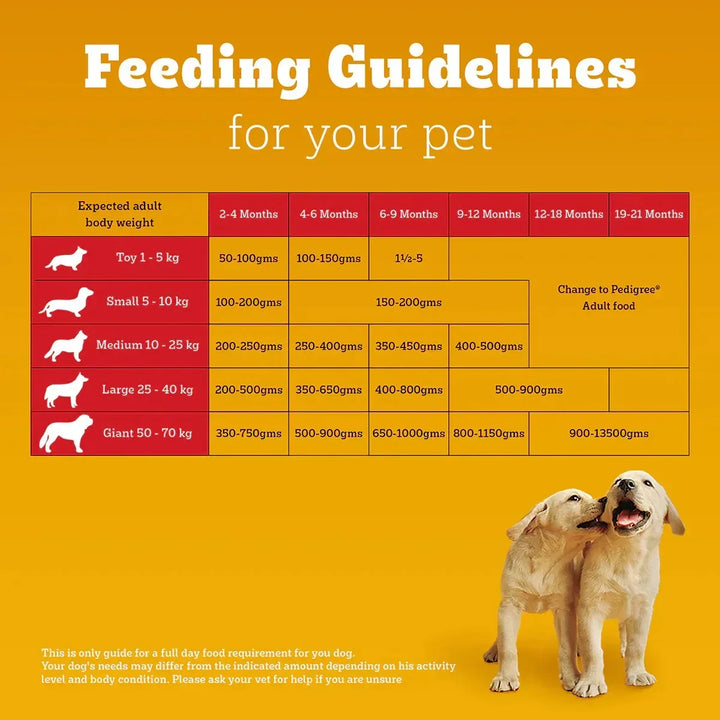
Puppies grow fast during the first year. Most dogs need adult food between 9 and 12 months old. Large breeds may need more time, around 12 to 18 months. Small breeds often switch sooner, at about 9 months. Use age as a basic guide for the change.
Behavioral Changes
Notice how your puppy acts during mealtime. Reduced energy or less play can mean growth is slowing. Puppies may also eat less as they near adulthood. Watch for changes in appetite and activity. These show your puppy is becoming an adult.
Growth Patterns
Growth slows down near adulthood. You may see less weight gain week to week. Bones and muscles start to fill out instead of just growing longer. Your puppy’s body shape becomes more stable. These patterns help decide the right time to switch food.
Credit: dogsauce.co
Nutritional Differences
Understanding the nutritional differences between puppy and adult dog food is essential when deciding the right time to switch your furry friend’s diet. Nutrients need to match your dog’s growth stage to support their health and energy levels effectively.
Puppy Vs Adult Dog Food
Puppy food is specially designed to support rapid growth and development. It contains higher calories and more protein compared to adult dog food, which focuses on maintaining health rather than promoting growth.
Adult dog food has balanced nutrients to sustain energy and prevent weight gain as your dog’s metabolism slows down. Feeding adult food too early or too late can affect your dog’s well-being.
Key Nutrient Changes
The most notable changes occur in protein, fat, and calorie content. Puppies need around 22-32% protein to build muscles, while adult dogs require about 18-25% to maintain muscle mass.
Fat content decreases from roughly 8-20% in puppy food to 5-15% in adult formulas, helping avoid excess weight gain. Essential vitamins and minerals also adjust to meet the specific needs of mature dogs.
Impact On Health
Switching to adult dog food at the right time can prevent obesity, digestive issues, and nutrient deficiencies. I once delayed changing my dog’s food, and he gained weight quickly, leading to joint discomfort.
Have you noticed changes in your dog’s energy or coat quality? These can signal whether their current food matches their age. Your dog’s health depends on feeding the right nutrients at the right stage.
Breed And Size Considerations
Choosing the right time to switch your dog to adult food depends on their breed and size. Different breeds mature at varying rates. This affects when they need a diet change. Understanding these differences helps ensure your dog gets the nutrition they need.
Small Breeds
Small breeds often mature faster than larger ones. They typically reach adulthood around 9 to 12 months. At this stage, their energy needs change. Switching to adult dog food supports their growth and health. Small breed formulas often have smaller kibble. This makes it easier for them to eat.
Medium Breeds
Medium breeds mature around 12 months. They require balanced nutrition as they transition. Medium breed adult food provides the right amount of calories and nutrients. It helps maintain their energy and weight. This ensures their overall well-being.
Large And Giant Breeds
Large and giant breeds take longer to mature. They usually reach adulthood between 18 to 24 months. Their growth plates close later, needing careful monitoring of their diet. Switching to adult food too early can lead to growth issues. Large breed formulas often contain joint-supporting nutrients. This is essential for their health.
Credit: www.purina.com
Transitioning Your Dog’s Diet
Changing your dog’s diet from puppy to adult food requires care. This shift supports their growth and health needs. A smooth transition avoids stomach problems and keeps your dog happy.
Gradual Food Changes
Switch your dog’s food slowly over 7 to 10 days. Mix small amounts of adult food with puppy food. Increase adult food each day. This helps the dog’s stomach adjust to new ingredients.
Monitoring Digestive Health
Watch your dog’s poop and energy levels during the change. Soft stools or diarrhea may mean the change is too fast. If problems occur, slow down the transition. Keep an eye on appetite and mood as well.
Adjusting Portion Sizes
Adult dogs need different food amounts than puppies. Follow the feeding guide on the adult dog food package. Adjust portions based on your dog’s weight and activity. Avoid overfeeding to keep your dog healthy and fit.
Common Mistakes To Avoid
Changing your dog’s food is an important step. Avoid common mistakes to keep your pet healthy and happy. These errors can cause digestive issues or nutritional problems. Knowing what to avoid helps make the transition smooth.
Switching Too Early
Puppies need puppy food for growth and development. Switching to adult food too soon may cause nutrient gaps. Their bodies require more calories and protein in early months. Wait until your dog reaches the right age or size. This timing depends on the breed and vet advice.
Ignoring Weight Fluctuations
Weight changes signal health or diet issues. Do not ignore sudden weight gain or loss. Adult dog food has different calorie levels than puppy food. Monitor your dog’s weight during and after the switch. Adjust food amounts or type to maintain a healthy weight.
Skipping Vet Advice
Veterinarians guide the best time to change food. They consider breed, health, and activity level. Skipping vet advice risks feeding the wrong diet. Your vet can recommend suitable adult food types. Regular check-ups help track your dog’s nutrition needs.
Veterinarian Recommendations
Understanding when to switch your dog to adult food is a key part of maintaining their health. Veterinarians offer valuable guidance that goes beyond simple age recommendations. Their advice helps ensure your dog gets the right nutrients at the right time.
When To Consult A Vet
Not every dog grows at the same rate. Some small breeds mature faster, while large breeds take longer to reach adulthood. You should talk to your vet when your dog is around 9 to 12 months old, or sooner if you notice changes in weight, energy, or appetite.
Have you seen your puppy slowing down or gaining weight rapidly? These signs might mean it’s time to reassess their diet with a professional. Your vet can confirm the best moment to switch to adult food based on your dog’s unique development.
Tailored Feeding Plans
Vets don’t just suggest a simple switch; they often recommend feeding plans tailored to your dog’s breed, size, and health needs. For example, an active Labrador may need a different nutrient balance than a less active Bulldog.
During a consultation, your vet might suggest specific brands or formulas that support joint health or digestive comfort. This kind of personalized approach can help your dog thrive, preventing problems before they start.
Regular Health Checkups
Regular visits to the vet allow for ongoing adjustments to your dog’s diet. Your dog’s needs change with age, activity, and health conditions, so staying in touch with your vet ensures you’re feeding them appropriately.
Think of these checkups as opportunities to ask questions about your dog’s food and nutrition. This way, you avoid feeding your dog outdated or unsuitable food as they grow older.
Credit: zigly.com
Frequently Asked Questions
When Is The Right Age To Switch To Adult Dog Food?
Most dogs should switch to adult food between 12 and 18 months. Large breeds may need to switch closer to 18 months. This timing supports their nutritional needs as they mature. Always consult your vet for breed-specific advice.
How Do I Know If My Puppy Needs Adult Food?
If your dog is fully grown and less active, it might need adult food. Watch for slowed growth and weight stabilization. Adult dog food better supports maintenance than growth. Consult your vet to confirm the best diet.
Can Switching Too Early Harm My Dog’s Health?
Yes, switching too early can cause nutrient imbalances. Puppies need extra calories and nutrients for growth. Adult food may lack these essentials, risking health issues. Wait until your dog reaches the right age for the switch.
What Are The Benefits Of Adult Dog Food?
Adult dog food is balanced for maintenance, not growth. It contains optimal protein and fat levels for mature dogs. This helps maintain healthy weight, energy, and overall health. It also supports a strong immune system.
Conclusion
Choosing the right time to switch to adult dog food matters. Puppies grow fast and need special nutrients. Once your dog reaches about one year old, the change helps support their health. Watch their size, energy, and vet advice closely.
A smooth switch keeps your dog happy and healthy. Feeding adult food too soon or too late can cause problems. Always pick food that fits your dog’s breed and size. Careful choices make a big difference in your pet’s life.
Keep your dog strong and full of energy with the right food at the right time.