
Wondering when to switch your furry friend to adult dog food? It’s a common question every dog owner faces.
Feeding your dog the right food at the right age can make a huge difference in their health and happiness. If you get it wrong, your dog might miss out on important nutrients or even face digestive issues. You’ll discover exactly how old your dog should be before making the change.
Keep reading to ensure you give your dog the best nutrition at every stage of life.
When To Switch To Adult Food
Knowing the right time to switch your dog to adult food is important for their health. Puppies need special nutrition to grow strong. But adult dogs have different needs. Feeding adult food too early or too late can cause problems. Watch your dog closely and learn the signs they are ready for the change.
Puppy Growth Stages
Puppies grow fast in the first months. Their body and bones develop quickly. During this time, they need food rich in protein and nutrients. After about 9 to 12 months, growth slows down. This change means their diet should shift to meet adult needs. Growth stages vary, so observe your puppy’s development carefully.
Breed Size And Maturity
Small breeds mature faster than large breeds. Small dogs often switch to adult food by 9 to 12 months. Large breeds may need puppy food for 12 to 18 months. Giant breeds grow even slower and need special care. Breed size affects when your dog is ready for adult food. Consider your dog’s size and breed when deciding.
Signs Your Dog Is Ready
- Your dog’s growth has slowed or stopped.
- They show less energy for constant play.
- Their adult teeth have fully come in.
- Weight stabilizes and body shape looks mature.
- Vet confirms your dog is healthy and growing well.
These signs help you know the right time to switch food. Consult your vet if unsure. A smooth transition supports your dog’s health and happiness.
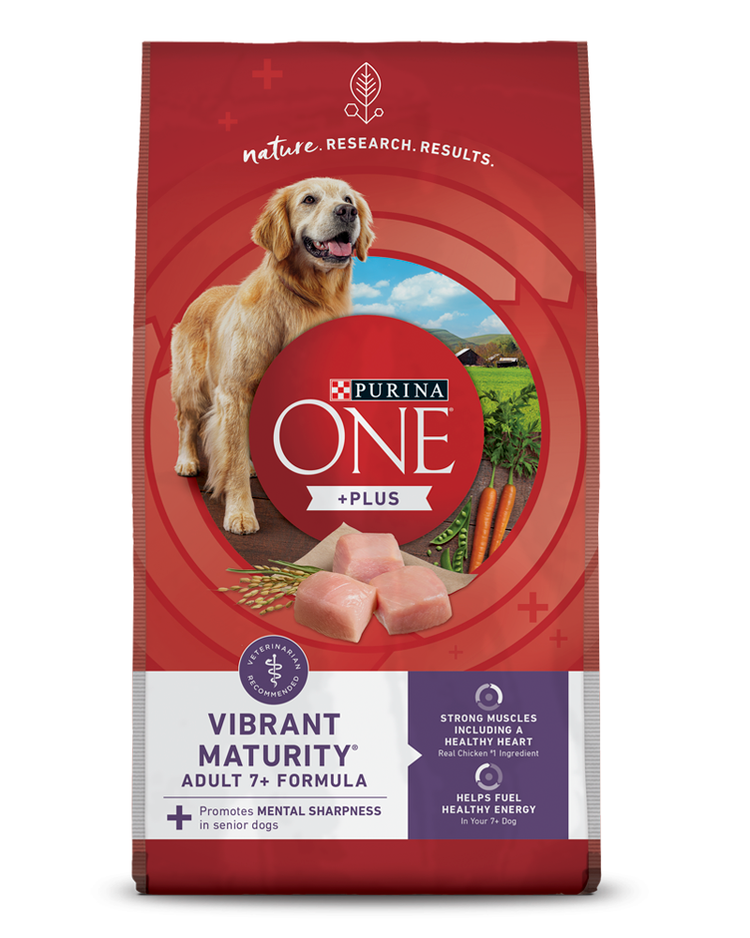
Credit: www.purina.com
Differences Between Puppy And Adult Food
Puppy food and adult dog food serve different purposes. Puppies need more fuel to grow strong and healthy. Adult dogs require balanced nutrition to maintain their health. The shift from puppy to adult food is important for your dog’s well-being.
Nutritional Needs
Puppy food has extra protein and fat. These nutrients support muscle and bone growth. Adult dog food contains fewer proteins and fats. It focuses more on maintenance and energy balance. Puppies need calcium and phosphorus in higher amounts. Adult dogs need less of these minerals to avoid health issues.
Calorie Content
Puppies burn more calories due to their active growth. Puppy food is calorie-dense to meet their energy needs. Adult dog food has fewer calories. This helps prevent weight gain in less active dogs. Feeding adult food to puppies may slow their growth. Feeding puppy food to adults may cause obesity.
Ingredient Variations
- Puppy food often includes DHA for brain development.
- Adult food focuses on ingredients for joint health.
- Fiber content is higher in adult food for digestion.
- Puppy food ingredients promote immune system strength.
- Adult food may include antioxidants for aging support.
Risks Of Switching Too Early Or Late
Switching dog food too early can cause stomach upset and poor growth. Waiting too long may lead to nutrient imbalances and weight issues. Timing is key for healthy development.
Switching your dog to adult dog food might seem straightforward, but timing is crucial. Transitioning too early or too late can affect your dog’s health in several ways. The key is to ensure your furry friend gets the nutrition they need at the right time.Impact On Growth
Transitioning to adult dog food too early can hinder your dog’s growth. Puppies require more calories and nutrients to support their developing bodies. If switched prematurely, their growth may be stunted. Conversely, holding onto puppy food for too long isn’t ideal either. It can lead to excessive calorie intake, which is not suitable for a mature dog’s metabolism. This imbalance might lead to skeletal issues or obesity.Digestive Issues
Your dog’s digestive system is sensitive to change. Moving to adult food too early may cause tummy troubles. Diarrhea or vomiting are common when the digestive tract isn’t ready for a change in diet. Waiting too long can also be problematic. Adult dogs need different nutrients compared to puppies, and a prolonged puppy diet can result in nutrient deficiencies. Ensuring a gradual transition can help avoid these digestive pitfalls.Weight Management Concerns
Puppy food is calorie-dense, designed to fuel growing bodies. If your dog continues on this diet when they’ve reached adulthood, weight gain becomes a risk. Obesity in dogs can lead to serious health issues like diabetes or joint problems. On the flip side, switching to adult food too soon might result in your dog not getting enough calories, leading to weight loss or malnourishment. Balancing the timing can be tricky, but observing your dog’s body condition can guide you. Have you noticed your dog’s energy levels or weight changing? It might be time to consider their diet. Pay attention to your dog’s behavior and physical changes, as these are often the first indicators that a dietary adjustment is needed.
Credit: www.animates.co.nz
How To Transition Safely
Transitioning your dog to adult food is a delicate process that requires patience and attention. A sudden change can upset your dog’s stomach, causing discomfort and digestive issues. Taking the right steps ensures your dog adjusts smoothly and stays healthy.
Gradual Food Mixing
Start by mixing a small amount of adult food into your dog’s current diet. A good rule is to begin with 25% adult food and 75% puppy food. Over the next 7 to 10 days, slowly increase the adult food portion while decreasing the puppy food.
This gradual shift helps your dog’s digestive system adapt without shock. You might notice your dog being picky at first—don’t worry, persistence pays off. Have you seen your dog react differently to new food textures or flavors during this phase?
Monitoring Your Dog
Watch your dog closely for any signs of digestive upset like vomiting, diarrhea, or constipation. Also, pay attention to their energy levels and mood. A happy dog with good energy usually means the transition is going well.
If you notice any issues, slow down the transition or consult your vet. Keep a journal of your dog’s reactions—it can help identify patterns or sensitivities. Have you ever caught subtle changes in your dog’s behavior that told you something was off?
Adjusting Portions
Once your dog is fully on adult food, adjust portion sizes based on their activity level, weight, and age. Adult dogs need fewer calories than puppies, so cutting back is important to prevent weight gain. Use the feeding guidelines on the food packaging as a starting point.
Remember to divide meals into two or three servings a day to support digestion. If your dog is gaining or losing weight unexpectedly, tweak the portions accordingly. How often do you reassess your dog’s feeding amounts to keep them fit?
Special Considerations
Special considerations play a big role in deciding the right time to switch your dog to adult food. Each dog’s needs can vary based on breed size and health. Understanding these factors helps ensure your dog gets proper nutrition at the right time.
Large And Giant Breeds
Large and giant breeds grow slower than smaller dogs. Their bones and joints develop over a longer time. Feeding adult food too early can cause joint problems. Puppy food for these breeds often has special nutrients for slow growth. Wait until your large dog is about 12 to 18 months old before switching.
Small Breeds
Small breeds mature faster than large dogs. They usually need adult food sooner, around 9 to 12 months. Their metabolism is higher, requiring more calories and nutrients in less food. Small breed adult foods have smaller kibble and more energy. Switching on time supports their active lifestyle and health.
Health Conditions
Health issues can affect the best time to change food. Dogs with allergies, digestive problems, or weight issues might need special diets. Consult your vet to choose the right food and timing. Some dogs benefit from adult food earlier or later than usual. Monitoring your dog’s health helps adjust feeding plans safely.
Consulting Your Veterinarian
Figuring out the right age to switch your dog to adult food isn’t just about the calendar. Your veterinarian is your best guide for this decision. They understand your dog’s unique health needs, breed, and lifestyle, which all play a part in choosing the right diet.
Tailored Feeding Plans
Your vet can create a feeding plan that fits your dog’s specific needs. Not all dogs mature at the same rate; some large breeds may need puppy food longer, while smaller breeds might transition earlier. This personalized approach ensures your dog gets the right nutrients at the right time.
Think about your own experience: a friend once shared how her vet suggested a gradual switch over several weeks, tailored to her energetic Labrador’s growth. This prevented digestive issues and kept her dog healthy and happy.
Addressing Concerns
If you notice any changes in your dog’s appetite, weight, or energy as they grow, your vet can help identify if the food is the cause. They can recommend alternatives or supplements if needed. Don’t hesitate to ask questions or share observations—your vet’s advice can prevent nutritional problems before they start.
Routine Checkups
Regular vet visits provide ongoing opportunities to reassess your dog’s diet. Growth milestones, changes in activity, or health conditions can all affect nutritional needs. Use these checkups to discuss food choices and make adjustments that keep your dog thriving.
Have you scheduled your dog’s next checkup? It’s a smart step toward maintaining their health and ensuring their diet matches their current stage of life.

Credit: petheavenblogs.com
Frequently Asked Questions
When Should I Switch My Puppy To Adult Dog Food?
You should switch your puppy to adult dog food between 12 and 18 months. Large breeds may need adult food later, around 18-24 months. This transition supports healthy growth and energy needs as your dog matures.
How Do I Know My Dog Is Ready For Adult Food?
Your dog is ready for adult food when growth slows and weight stabilizes. Puppies become less active and their puppy teeth are replaced by adult teeth. Consult your vet for the best timing based on breed and size.
Can I Feed Adult Dog Food To A Puppy?
Feeding adult dog food to a puppy is not recommended. Adult food lacks the nutrients puppies need for growth and development. Always choose age-appropriate food to ensure your puppy stays healthy and strong.
What Age Is Considered Adult For Small Dog Breeds?
Small dog breeds are generally considered adults at 12 months old. They mature faster than large breeds and can switch to adult food earlier. Always monitor your dog’s growth and energy levels for the best feeding time.
Conclusion
Choosing the right time for adult dog food matters. Most dogs switch at about one year old. Small breeds may change sooner, large breeds later. Watch your dog’s growth and energy levels closely. Talk to your vet for the best advice.
Feeding the right food keeps your dog healthy. A good diet supports strong bones and a shiny coat. Remember, every dog is different. Care and attention make all the difference. Your dog will thank you with a happy life.