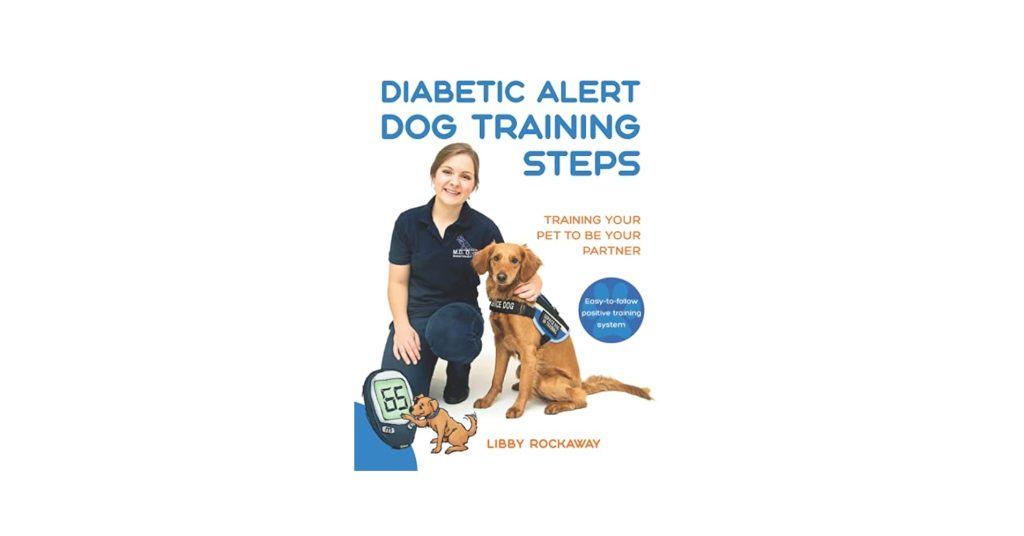

If you or someone you care about lives with diabetes, you know how important it is to stay safe and alert at all times. Imagine having a loyal companion by your side who can sense your blood sugar changes before you even feel them.
Training a diabetic service dog can make that a reality. But how do you start? What does the process involve? You’ll discover simple, step-by-step tips to train a service dog that can protect your health and give you peace of mind every day.
Keep reading, because your safety and independence could depend on what you learn next.

Credit: www.reddit.com
Choosing The Right Dog
Choosing the right dog is the first and most important step in training a diabetic service dog. The dog must have traits that suit the specific needs of someone with diabetes. This choice affects how well the dog can detect changes in blood sugar and respond to emergencies. The dog’s breed, temperament, and health all play crucial roles.
Ideal Breeds For Diabetes Service
Some dog breeds naturally excel as diabetic service dogs. These breeds often have strong scent abilities and calm behavior.
- Labrador Retriever: Friendly, intelligent, and easy to train.
- Golden Retriever: Gentle, loyal, and alert to changes.
- Poodle: Smart, hypoallergenic, and quick learners.
- Border Collie: Highly intelligent and attentive.
- German Shepherd: Protective and obedient.
These breeds usually respond well to training and can alert their owners reliably.
Assessing Temperament And Health
The dog must have a stable and calm temperament. A nervous or aggressive dog is unsuitable for service work.
- Check if the dog stays calm around strangers and loud noises.
- Observe how well the dog follows basic commands.
- Choose a dog that enjoys working and stays focused.
Health is equally important. The dog should have no chronic illnesses or genetic problems.
- Ask for veterinary records to confirm good health.
- Ensure the dog is up to date on vaccinations and parasite control.
- Pick a dog with strong endurance and no mobility issues.
Good health supports long-term training success and active service life.
Basic Obedience Training
Training a diabetic service dog begins with basic obedience training. This foundation is crucial for any service dog’s success. The dog must understand and follow basic commands. These skills ensure safety and effective assistance for their handler. Obedience training builds a strong bond between the dog and the handler. It lays the groundwork for more advanced training tasks.
Essential Commands To Teach
Teach your dog simple, clear commands. Start with “sit” and “stay.” Use a firm voice and consistent gestures. “Come” is vital for calling your dog back. “Heel” teaches your dog to walk beside you. “Leave it” helps avoid unwanted distractions. Each command builds trust and mutual understanding.
Building Focus And Discipline
Dogs need to focus on their tasks. Practice commands in different environments. This helps them focus despite distractions. Use treats and praise as rewards. This encourages correct behavior. Consistent practice builds discipline. It teaches the dog to prioritize commands over distractions.
Scent Training Techniques
Training a diabetic service dog to recognize specific scents is a crucial part of their ability to assist you effectively. Scent training techniques focus on teaching your dog to identify the unique odors associated with hypoglycemia. This process requires patience and consistency, but it can transform your dog’s natural abilities into life-saving skills.
Introducing Hypoglycemia Odors
Start by exposing your dog to the specific scent linked to low blood sugar episodes. This can be done using sweat samples collected during a hypoglycemic event. Use small cotton pads or cloths that have absorbed these odors and present them to your dog in a controlled environment.
Keep the sessions short and focused to prevent overwhelming your dog. Observe how your dog reacts and note any signs of recognition, such as sniffing intensively or pawing at the source. This early stage is about familiarizing your dog with the scent, not expecting immediate alerts.
Positive Reinforcement Methods
Whenever your dog successfully identifies the hypoglycemia scent, reward them immediately. Use treats, praise, or a favorite toy to create a positive association. Consistency is key—reward every correct response to build strong, reliable recognition.
Mix training sessions with play and rest to keep your dog motivated and engaged. You can also use clicker training to mark the exact moment your dog detects the scent. Have you noticed how your dog’s enthusiasm grows when you celebrate their successes? That excitement is your training fuel.
Alert And Response Training
Alert and response training is the core of teaching your diabetic service dog how to assist you effectively. This training helps the dog recognize signs of blood sugar changes and take appropriate actions to keep you safe. The process requires patience, consistency, and a clear understanding of the behaviors you want to develop.
Teaching Alert Behaviors
Start by identifying the specific scent or behavior your dog will alert to. Dogs can be trained to detect changes in your blood sugar through scent or subtle physical cues. Use positive reinforcement to reward your dog whenever it signals the correct alert behavior.
Common alert behaviors include pawing at you, nudging, or making a specific sound. Choose a behavior that feels natural for your dog and is easy for you to recognize. Consistency is key—practice alert training in different settings to ensure reliability.
Training Response Actions
Once your dog reliably alerts you, teach it how to respond to the situation. Response actions might include retrieving medication, bringing you a glucose meter, or guiding you to a safe place. Use clear commands and reward your dog immediately after it performs the desired action.
Break down response training into small, manageable steps. For example, teach your dog to fetch a specific item before combining that skill with the alert behavior. This approach helps your dog understand the connection between alerting and responding.
Socialization And Public Access
Socialization and public access are vital for training a diabetic service dog. These dogs must stay calm and focused in many places. They should respond well to their handler and ignore distractions. Proper socialization helps dogs adapt to various environments confidently. Public access training ensures dogs behave properly in public settings. This training builds trust and safety for both dog and handler.
Exposing Dogs To Different Environments
Introduce the dog to many places early on. Parks, stores, busy streets, and quiet areas all count. Let the dog explore safely while you watch. This exposure helps the dog learn what to expect. Keep sessions short and positive. Use treats and praise to reward calm behavior. Gradually increase the time spent in new places. Avoid overwhelming the dog with too many new sights at once.
Handling Distractions In Public
Distractions are everywhere in public spaces. Other animals, noises, and people can catch the dog’s attention. Train your dog to stay focused on your commands. Practice in quiet places first, then add distractions slowly. Teach the dog to ignore loud sounds and sudden movements. Use a consistent cue to regain the dog’s focus. Reward the dog immediately after good behavior. This builds strong habits for public settings.
Health And Maintenance
Maintaining the health of a diabetic service dog is vital for its performance and well-being. Proper care ensures the dog stays alert and responsive to its handler’s needs. Regular attention to health and fitness keeps the dog strong and ready to assist.
Regular Veterinary Care
Routine check-ups with a veterinarian help catch health issues early. Vaccinations must be up to date to protect from diseases. Dental care is important to prevent infections and pain. Parasite control, such as flea and tick prevention, keeps the dog comfortable. Monitoring weight and overall health supports the dog’s energy levels.
Nutrition And Exercise Needs
A balanced diet fuels the dog’s body and mind. Feeding high-quality food with the right nutrients supports alertness. Avoid feeding foods that can cause blood sugar spikes. Exercise keeps the dog fit and helps regulate glucose levels. Daily walks and playtime improve stamina and reduce stress. Adjust activity based on the dog’s age and health.
Legal Rights And Certification
Training a diabetic service dog involves more than just teaching commands. Knowing legal rights and certification rules is crucial. These rights protect both the handler and the dog in public places. Certification helps prove the dog’s role and training level.
Understanding Service Dog Laws
Service dogs have special legal protections under laws like the ADA. These laws allow service dogs to enter public spaces with their handlers. Businesses cannot refuse access or charge extra fees for service dogs. Handlers do not have to show a certificate or explain their disability.
Each country or state may have different rules. Learning the local laws helps avoid misunderstandings. It’s important to know when and where the service dog can go.
Obtaining Proper Documentation
While no official certification is required in some places, documentation can help. A letter from a doctor stating the need for a diabetic service dog adds credibility. Some trainers provide proof of training completion.
Keep documents handy during public visits. Proper paperwork can prevent disputes or confusion. It also shows respect for public rules and helps the dog-handler team feel confident.

Credit: www.amazon.com
Common Challenges And Solutions
Training a diabetic service dog involves many challenges. These challenges can slow progress or cause frustration. Knowing common issues helps trainers find quick solutions. Patience and understanding are key. Consistent effort leads to successful training outcomes.
Dealing With Training Setbacks
Setbacks are normal during training. Dogs may lose focus or refuse commands. Sometimes, they show fear or confusion with new tasks. Stay calm and avoid punishment. Use positive reinforcement to encourage good behavior.
- Break tasks into smaller steps for easier learning.
- Repeat training sessions in short, frequent intervals.
- Reward progress immediately with treats or praise.
- Change the environment to reduce distractions.
Keep training sessions fun and stress-free. Trust your dog’s pace and adjust methods as needed.
Maintaining Consistency Over Time
Consistency is vital for lasting results. Regular practice helps dogs remember commands and skills. Create a daily training schedule and stick to it. Use the same words and signals for commands every time.
- Train in different places to generalize skills.
- Include family members in training to reinforce commands.
- Monitor your dog’s health to avoid setbacks.
- Keep training sessions short to prevent fatigue.
Consistent training builds confidence in your dog. It also strengthens your bond and improves reliability.

Credit: servicedogacademy.com
Frequently Asked Questions
What Skills Should A Diabetic Service Dog Learn?
A diabetic service dog must detect blood sugar changes early. Key skills include alerting to low or high glucose levels and fetching medication or supplies. Training focuses on scent detection and behavioral response to protect the handler’s health.
How Long Does Training A Diabetic Service Dog Take?
Training typically takes 6 to 12 months. It involves obedience, scent recognition, and task-specific skills. Consistent practice and professional guidance ensure the dog reliably assists with diabetes management.
Can Any Dog Be Trained As A Diabetic Service Dog?
Not all dogs qualify. Ideal candidates have good temperament, intelligence, and strong scenting abilities. Breeds like Labrador Retrievers and Golden Retrievers are commonly chosen due to their trainability and reliability.
How Do Diabetic Service Dogs Alert Their Owners?
They alert by nudging, pawing, or barking when sensing blood sugar shifts. This behavior prompts the owner to check glucose levels and take action. Training reinforces these alert signals for timely response.
Conclusion
Training a diabetic service dog takes time and patience. Start with basic commands and build skills step by step. Consistent practice helps the dog learn important alerts. Choose rewards that motivate your dog to stay focused. Remember, every dog learns at its own pace.
This training improves safety and independence for people with diabetes. Trust the process and enjoy the bond you create. A well-trained service dog becomes a loyal helper and friend. Keep training simple and positive for the best results.