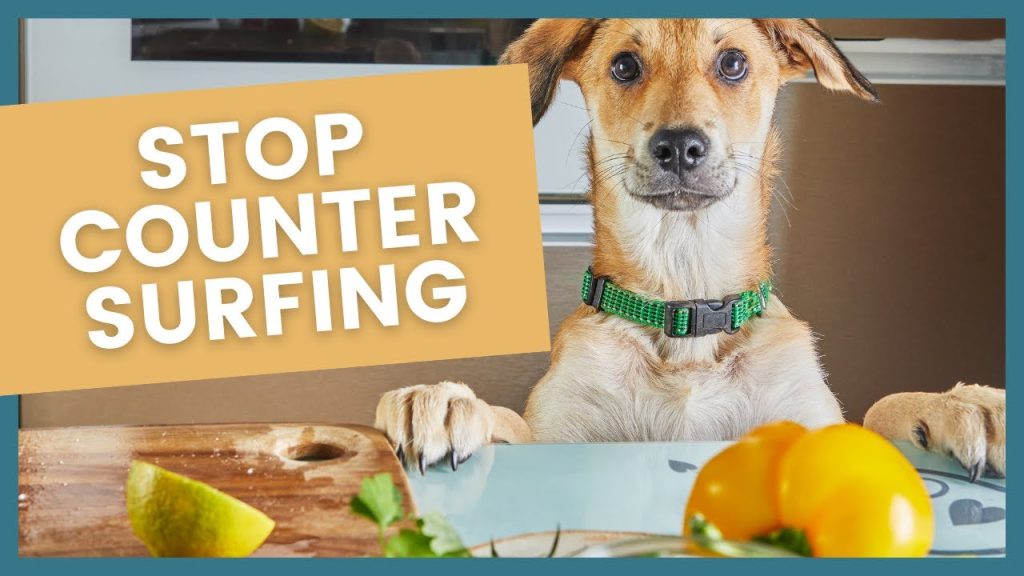

Is your dog constantly jumping on the counter, leaving you frustrated and worried about messes or broken items? You’re not alone, and the good news is that you can teach your furry friend to stay off those surfaces for good.
Imagine a calm kitchen where your dog waits patiently without hopping up—sounds great, right? You’ll discover simple, effective steps to stop this behavior quickly and kindly. Keep reading, and you’ll learn how to create a happier, safer home for both you and your dog.
Why Dogs Jump On Counters
Understanding why your dog jumps on counters is key to stopping the behavior. Dogs don’t jump on counters just to annoy you—they have clear reasons that drive them. Once you identify these reasons, you can address the root cause instead of just the symptoms.
Common Motivations
Dogs often jump on counters because they want something valuable. Food left out is a huge temptation, especially if your dog is hungry or curious.
Sometimes, dogs seek attention. If they learn that jumping on counters gets a reaction—whether positive or negative—they might repeat it just to engage with you.
Another motivation is boredom. Dogs with excess energy may explore counters as a way to entertain themselves. Do you notice your dog acting out more when left alone for hours?
Behavioral Triggers
Certain situations can trigger counter-jumping. For example, if your dog smells strong food aromas, it’s almost impossible for them to resist investigating.
Also, lack of consistent training or unclear boundaries can confuse your dog about what’s allowed. Mixed messages from different family members make it harder for your dog to understand the rules.
Stress or anxiety can push dogs to seek comfort in unusual places, including counters. Have you seen your dog jump more during times of change, like moving or new pets?
Preparing For Training
Preparing your dog for training to stop jumping on counters is key to success. This phase sets the stage for clear learning and better behavior. Proper preparation helps your dog understand what is expected. It also makes training sessions smoother and more effective.
Essential Supplies
Gather the right tools before starting training. Treats work well as rewards for good behavior. Choose small, tasty treats your dog loves. Use a clicker if you want precise timing for rewards. A leash helps control your dog during sessions. Have a firm, calm voice ready for commands. Keep a notebook to track progress and changes.
Setting Up The Environment
Create a distraction-free training space. Clear counters and tables of tempting food. Remove objects your dog might want to jump on. Choose a quiet room or kitchen area. Keep the dog leash on to limit movement. Make sure the area is safe and secure. Consistency in the environment helps your dog focus.
Teaching Basic Commands
Teaching basic commands helps dogs understand what is allowed and what is not. Use clear words like “off” and reward calm behavior to stop jumping on counters. Consistent training and patience make the dog listen better over time.
Training your dog not to jump on the counter starts with teaching them basic commands. These commands are essential in helping your dog understand boundaries and expectations. Consistency and patience are your best friends when it comes to training.Sit And Stay
Teaching your dog to sit and stay can be a game-changer. Start by getting your dog’s attention with a treat. Hold the treat close to their nose and then slowly move your hand up, causing their bottom to lower into a sitting position. Once seated, reward them immediately with the treat and praise. Practice this regularly in different settings to ensure they understand. The “stay” command is crucial for counter training. After your dog sits, open your palm in front of their face and say “stay”. Take a few steps back and if they remain seated, reward them. Gradually increase the distance and duration of the stay command.Leave It
The “leave it” command is perfect for teaching your dog to ignore the temptation of food on the counter. Begin by showing your dog a treat in your hand. Close your fist around the treat and let them sniff or paw at your hand without opening it. Once they lose interest, say “leave it” and reward them with a different treat from your other hand. Practice this until your dog consistently waits without touching the treat. Test their understanding by placing a treat on the ground and covering it with your hand. If they attempt to take it, repeat “leave it” until they back away. Always reward their compliance with praise or a different treat. Training your dog not to jump on counters requires effort and dedication. Are you ready to see the transformation in your furry friend?:strip_icc()/train-a-dog-to-take-a-bow-1117287_2374-2a7ec25ca7204b07ba5269175caf7b31.jpg)
Credit: www.thesprucepets.com
Redirecting The Behavior
Redirecting your dog’s behavior helps stop counter jumping. It teaches your dog where to go instead of the counter. This approach is kind and effective. It focuses on guiding your dog’s energy and curiosity into better habits.
Offering Alternatives
Provide your dog with safe, fun places to explore. Give toys, bones, or puzzle feeders on the floor. These keep your dog busy and distracted from counters.
Create a special spot with treats and comfy bedding. Encourage your dog to use this area often. Praise your dog for staying there instead of jumping up.
Use commands like “sit” or “stay” near the counter. Then, reward your dog for obeying. This builds good habits and trust.
Using Deterrents
Place items that dogs dislike on the counter edges. Try double-sided tape or aluminum foil. These surfaces feel strange and stop dogs from jumping.
Use motion-activated alarms or mats that make noise. They surprise your dog and discourage counter visits.
Always combine deterrents with praise for good behavior. This helps your dog learn what is allowed and what is not.
Positive Reinforcement Techniques
Positive reinforcement techniques help train your dog by encouraging good habits. This approach uses rewards to guide your dog away from jumping on counters. It creates a friendly learning environment. Your dog learns what behavior gets praise and treats. This method builds trust and makes training fun.
Rewarding Good Behavior
Give your dog treats or praise when they stay off the counter. Use small, tasty treats your dog likes. Say “Good job!” or use a happy tone. Rewards should come immediately after the good action. This helps your dog connect the reward with the right behavior.
Try to reward your dog for:
- Keeping all four paws on the floor
- Ignoring food or objects on the counter
- Following your “leave it” or “off” commands
Using treats and praise makes your dog want to behave well.
Timing And Consistency
Timing is key in positive reinforcement. Give rewards right after the good behavior. Delayed praise or treats can confuse your dog. Consistency also matters. Everyone in the household should use the same rules. This helps your dog learn faster.
Be patient and repeat training often. Short sessions work best—about 5 to 10 minutes each. Avoid punishing your dog. Focus on rewarding what you want to see.
Managing The Environment
Managing your dog’s environment is a key step in stopping them from jumping on counters. You can control what your dog sees and smells, which greatly reduces their urge to explore those forbidden surfaces. Changing their surroundings helps set them up for success and cuts down on unwanted behavior.
Removing Temptations
Start by clearing your counters of all food and interesting objects. Dogs are naturally drawn to smells and sights of food, so even a small crumb can be a big temptation.
Think about what attracts your dog the most. Is it the leftover snacks, fruit bowls, or maybe the sound of a blender? Removing these triggers can prevent your dog from testing boundaries.
One time, I left a sandwich on the counter for just a minute, and my dog jumped up immediately. It showed me how important it is to keep counters completely clear, no matter how quick you think you are.
Using Barriers
Physical barriers are an effective way to keep your dog away from counters. Baby gates, playpens, or even closing doors to the kitchen can block access and reduce temptation.
You might also consider training mats that emit a harmless static pulse. These mats discourage dogs from jumping up without causing harm and help them learn where they should not go.
Have you tried arranging furniture to create a natural barrier? Sometimes, simple changes like moving a chair or placing a cabinet in front of the counter can make a big difference.
By managing the environment with these practical steps, you make it easier for your dog to avoid counters and learn better habits.
Troubleshooting Common Challenges
Training your dog not to jump on counters can sometimes feel like an uphill battle. Challenges pop up, testing your patience and persistence. Recognizing these hurdles and adjusting your approach can make a big difference in your dog’s behavior.
Dealing With Persistent Jumping
Some dogs just don’t get the message right away. If your dog keeps jumping despite your efforts, it might be time to rethink your strategy. Are you consistent with your commands and rewards? Dogs learn best when expectations don’t change.
Try increasing the value of your rewards. Use treats your dog really loves or add extra praise and playtime as a reward for staying off the counter. Sometimes, the problem isn’t just the dog’s stubbornness but the temptation of what’s on the counter.
Make counters less appealing by removing food or items that attract your dog. You can also use deterrents like double-sided tape or a safe, motion-activated noise device. These small adjustments help your dog connect the behavior with consequences quickly.
Adjusting Techniques For Different Breeds
Different breeds learn and behave differently. A high-energy Border Collie might jump out of excitement, while a stubborn Bulldog might ignore commands on purpose. Recognizing your dog’s breed traits helps you tailor your training.
For active breeds, add more exercise and mental stimulation to reduce their energy levels. A tired dog is less likely to jump on counters out of boredom. For more independent breeds, focus on clear, firm commands and consistent enforcement.
Does your dog respond better to verbal praise or physical affection? Observe what motivates your dog the most and use it to your advantage. Adjusting your techniques to fit your dog’s personality can speed up training and create a stronger bond.
:strip_icc()/scared-of-vet-174675383-resized-56a26ace3df78cf77275634e.jpg)
Credit: www.thesprucepets.com
Maintaining Long-term Success
Maintaining long-term success in training your dog not to jump on the counter requires consistency and patience. Habits form over time, so ongoing effort is essential. Keep reinforcing good behavior to prevent setbacks.
Regular Practice
Practice training exercises daily. Short, frequent sessions work best. Use clear commands and rewards each time your dog avoids the counter. Consistency helps your dog understand expectations.
Repeat training in different areas of the house. This teaches your dog to obey everywhere. Avoid long gaps between sessions to keep the behavior fresh.
Monitoring Progress
Track your dog’s behavior over weeks. Note improvements and any slips. Adjust training techniques if needed. Celebrate small victories to stay motivated.
Watch for triggers that cause counter jumping. Remove tempting items from counters. This reduces chances of unwanted behavior. Stay alert and proactive to maintain success.
:strip_icc()/train-your-dog-to-release-1117304_1211-09a313a5469d49fc9596f19d6d408722.jpg)
Credit: www.thesprucepets.com
Frequently Asked Questions
How Can I Stop My Dog From Jumping On Counters?
Train your dog using consistent commands and positive reinforcement. Provide alternative behaviors, like sitting, for rewards. Remove temptations by clearing counters. Use deterrents like double-sided tape or pet-safe sprays to discourage jumping.
Why Do Dogs Jump On Kitchen Counters?
Dogs jump on counters seeking food, attention, or out of boredom. They may also explore due to curiosity or lack of proper training. Understanding the reason helps in applying the right training approach.
What Are Effective Training Tools To Prevent Counter Jumping?
Use tools like clickers, treat rewards, and leash control to guide your dog. Consistency and patience are key. Avoid punishment, and focus on rewarding desired behaviors to ensure lasting results.
How Long Does It Take To Train A Dog Not To Jump Counters?
Training duration varies by dog’s age and temperament. Most dogs show improvement within weeks of consistent practice. Daily short sessions and positive reinforcement speed up learning and behavior change.
Conclusion
Training your dog not to jump on counters takes time and patience. Consistency matters most in teaching good habits. Always reward your dog for staying on the floor. Remove food or tempting items from the counter. Use gentle corrections if your dog tries to jump up.
Keep practicing daily for the best results. Your dog will learn what is allowed and what is not. A calm, steady approach helps build trust. Soon, counters will no longer be a target for jumping. Enjoy a cleaner kitchen and a well-behaved dog.