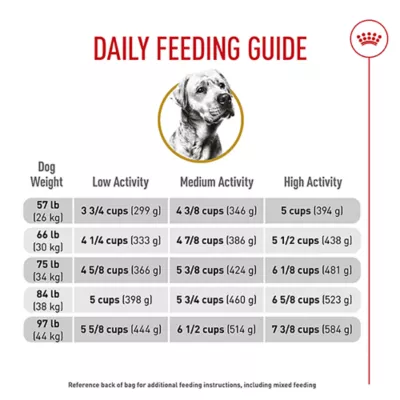

Are you wondering exactly how much food your 45 lb adult dog needs every day? Feeding your dog the right amount is crucial for their health, energy, and happiness.
Too little food can leave them hungry and weak, while too much can lead to weight gain and other problems. You’ll discover simple and clear guidelines to help you get your dog’s portion just right. Keep reading to make sure your furry friend stays healthy and full of life!
Credit: www.petsmart.ca
Calorie Needs For 45 Lb Dogs
Understanding the calorie needs of a 45 lb dog is key to keeping them healthy. Calories provide the energy dogs need for daily activities and body functions. Feeding the right amount avoids weight problems and supports overall well-being.
Daily Calorie Requirements
On average, a 45 lb adult dog needs about 900 to 1,200 calories per day. This range varies based on the dog’s age, metabolism, and lifestyle. Puppies, pregnant dogs, and active dogs may need more calories. Older or less active dogs usually require fewer calories to maintain a healthy weight.
Factors Influencing Calorie Needs
- Age:Younger dogs burn more energy and need extra calories.
- Health:Illness or certain conditions can change calorie needs.
- Breed:Some breeds have faster metabolisms than others.
- Environment:Cold weather may increase calorie requirements.
Activity Level Impact
Activity level greatly changes how many calories a dog needs. A very active dog or working dog burns more calories daily. Less active or indoor-only dogs burn fewer calories. Adjusting food portions based on activity helps keep weight balanced.
Credit: www.petmd.com
Choosing The Right Food Type
Choosing the right food type for your 45 lb adult dog can shape their health and happiness. Each option offers unique benefits and challenges that affect digestion, energy levels, and even coat condition. Understanding these choices helps you make confident decisions tailored to your dog’s needs.
Dry Kibble Vs Wet Food
Dry kibble is popular for its convenience and long shelf life. It helps keep your dog’s teeth cleaner by reducing tartar buildup due to the crunchiness. However, kibble can sometimes lack moisture, which may lead to less water intake unless you encourage drinking.
Wet food contains higher moisture, which supports hydration and can be easier to chew for dogs with dental issues. It often has a stronger aroma and flavor, making it appealing for picky eaters. Consider mixing wet food with kibble to balance texture and hydration.
Raw And Homemade Diets
Raw and homemade diets give you complete control over ingredients, allowing you to avoid fillers and additives. You can tailor meals to your dog’s preferences and allergies, but it requires careful planning to meet nutritional needs. Are you ready to invest time in preparing balanced meals that include the right vitamins and minerals?
Consulting a vet or pet nutritionist is crucial when choosing this route. Improperly balanced diets can cause health issues, so learning about protein sources, safe bones, and supplements is necessary. Some dog owners find that this approach improves their pet’s energy and coat shine dramatically.
Specialty Diets
Specialty diets cater to dogs with specific health conditions like allergies, sensitivities, or weight management needs. These diets often include hypoallergenic ingredients or controlled calorie counts. Have you noticed your dog reacting poorly to certain foods or struggling with weight?
Prescription diets or formulas designed for joint support or digestive health can make a big difference. Always discuss with your vet before switching to specialty food to ensure it fits your dog’s unique requirements. These diets can be a game-changer in managing chronic issues effectively.
Portion Sizes By Food Type
Portion sizes vary by food type for a 45 lb adult dog. Dry kibble usually requires less volume than wet food. Balance protein, carbs, and fats for healthy meals.
Portion sizes for a 45-pound adult dog vary by food type. Understanding these differences is essential for your dog’s health. Each food type has unique characteristics and nutritional values. This section helps you identify the right portion sizes for dry, wet, and raw foods.Measuring Dry Food Portions
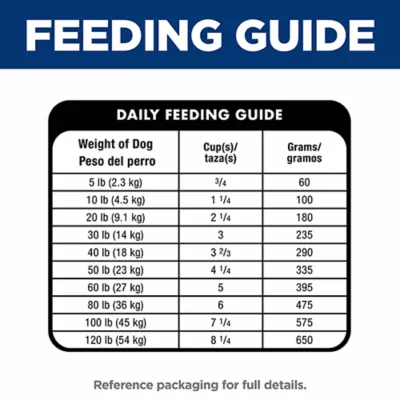
Dry food is a popular choice for many pet owners. It is convenient and often cost-effective. To measure the correct portion, use a standard measuring cup. Generally, a 45-pound adult dog needs about 2 to 2.5 cups of dry food per day. Factors like activity level and metabolism may adjust this amount. Always check the package for specific brand guidelines.Wet Food Serving Sizes
Wet food contains more moisture than dry kibble. This affects portion sizes. For a 45-pound dog, about one 12-ounce can per day is typical. Divide this into two meals for better digestion. Wet food is often richer, so be mindful of calories. Always monitor your dog’s weight and adjust servings as needed.Raw Food Quantities
Feeding a raw diet is different. It requires careful planning. Typically, a dog this size needs 2-3% of their body weight in raw food daily. This equals around 0.9 to 1.35 pounds of food. Include a balance of meat, organs, and bones. Consult a vet for personalized advice on raw feeding. This ensures your dog gets the right nutrients.Feeding Frequency And Schedule
Feeding your 45 lb adult dog the right amount of food is only part of the equation. How often and when you feed your dog plays a big role in their digestion, energy levels, and overall health. Setting a consistent feeding schedule helps your dog feel secure and can prevent overeating or digestive issues.
Number Of Meals Per Day
Most adult dogs do well with two meals per day—one in the morning and one in the evening. Splitting the daily food portion helps keep their energy steady and avoids big hunger gaps.
Some dogs might benefit from three smaller meals, especially if they tend to get anxious or have sensitive stomachs. Have you noticed your dog begging for food right before mealtime? More frequent meals could ease their hunger and reduce that behavior.
Adjusting Portions For Age
Your dog’s age affects how much food they need at each meal. Younger adult dogs usually require more calories to support their activity levels compared to older dogs.
As your dog enters their senior years, their metabolism slows down. You may need to reduce portion sizes or switch to a diet formulated for less active dogs to prevent weight gain.
Keep an eye on your dog’s weight and energy. Adjust portions accordingly rather than sticking strictly to package recommendations.
Feeding Tips For Consistency
Consistency is key when feeding your dog. Try to serve meals at the same times every day to establish a routine your dog can rely on.
- Use measuring cups to portion food accurately.
- Keep feeding areas clean and quiet.
- Avoid free-feeding, which can lead to overeating.
Have you ever noticed how your dog perks up right around mealtime? That’s because dogs thrive on predictability. A steady feeding schedule supports their digestion and behavior.
Signs Of Proper Feeding
Knowing the signs of proper feeding helps keep a 45 lb adult dog healthy. Proper feeding supports good health, energy, and body shape. Watch for clear signs to know if the food amount is right.
Healthy Weight Indicators
A dog at a healthy weight has a visible waist behind the ribs. You should feel the ribs easily but not see them. Too thin or too heavy means a change in food amount is needed.
Energy Levels And Behavior
Proper feeding keeps your dog active and alert. A well-fed dog plays, walks, and responds well. Low energy or unusual tiredness can show feeding issues.
Monitoring Body Condition
Check your dog’s body condition regularly. Use a simple scale:
- 1-3:Too thin, increase food.
- 4-5:Ideal condition, keep feeding steady.
- 6-9:Overweight, reduce food and increase exercise.
Tracking these signs helps adjust feeding for your dog’s health.
Credit: www.purina.com
Adjusting Food Intake
Adjusting your 45 lb adult dog’s food intake is key to keeping them healthy and happy. Dogs don’t all need the same amount of food every day, and their needs can change based on many factors. Paying attention to these changes helps you avoid overfeeding or underfeeding, which can lead to health problems.
Weight Gain And Loss Signals
Is your dog gaining weight without any change in diet or activity? It might be time to cut back on portions. On the other hand, unexpected weight loss could mean you need to add more food or check for health issues.
Check your dog’s ribs regularly. You should feel them without too much fat covering. If ribs are hard to find or if your dog looks thinner than usual, these are clear signs you need to adjust their meals.
Seasonal And Lifestyle Changes
Dogs often eat more during colder months because they burn extra calories to stay warm. In summer, their appetite may drop as they are less active. Have you noticed your dog eating differently when the seasons change?
Also, changes in lifestyle like new exercise routines or aging affect food needs. A dog that becomes more active might need a bit more food to fuel their energy. Conversely, less active dogs may require less to avoid weight gain.
Consulting A Veterinarian
Not sure how much to feed your dog or worried about sudden weight changes? A vet can help you figure out the right portion based on your dog’s breed, age, and health.
Regular check-ups allow you to catch potential problems early. Your vet can also suggest special diets if your dog has allergies, digestive issues, or other health conditions.
Frequently Asked Questions
How Much Food Does A 45 Lb Adult Dog Need Daily?
A 45 lb adult dog typically requires about 1. 5 to 2. 5 cups of dry dog food daily. The exact amount depends on the dog’s activity level, age, and metabolism. Always check the dog food packaging for specific feeding guidelines.
What Type Of Food Is Best For A 45 Lb Dog?
High-quality commercial dog food with balanced nutrients is ideal. Look for foods rich in protein, healthy fats, and essential vitamins. Avoid fillers like corn and wheat. Consult your vet for breed-specific dietary recommendations.
How Often Should I Feed A 45 Lb Adult Dog?
Feed a 45 lb adult dog twice a day—morning and evening. This routine helps maintain energy levels and digestion. Puppies or very active dogs may need more frequent meals.
Can I Feed Human Food To A 45 Lb Dog?
Occasional safe human foods like carrots or cooked chicken are fine. Avoid toxic foods like chocolate, grapes, and onions. Always consult your vet before introducing new foods.
Conclusion
Feeding a 45 lb adult dog the right amount keeps them healthy and happy. Too much food can cause weight gain. Too little food may lead to weakness. Watch your dog’s energy and adjust portions as needed. Choose quality food with good nutrients.
Regular vet checkups help track their health. Remember, every dog is different. Pay attention to their needs and habits. This helps you feed them just right. Your dog will thank you with a wagging tail.