
Are you wondering when your furry friend should start eating adult dog food? Knowing the right age to make this switch is important for your dog’s health and happiness.
Feed them too early, and they might miss out on essential nutrients for growth. Wait too long, and they could gain unwanted weight or digestive troubles. You’ll discover the clear signs and the best time to transition your pup to adult food, helping you keep your dog strong and full of energy.
Keep reading to make sure you’re giving your dog exactly what they need at every stage of life.

Credit: www.businessinsider.com
When To Switch To Adult Dog Food
Knowing the right time to switch your dog from puppy food to adult dog food is crucial for their health and development. Feeding adult food too early can leave them nutrient-deficient, while switching too late might cause unnecessary weight gain. Paying close attention to your dog’s growth and behavior helps you make the best choice for their diet.
Puppy Growth Stages
Puppies grow rapidly, especially in their first six months. During this time, they need food rich in calories and nutrients to support their bones, muscles, and brain development. Once they reach about 80% of their expected adult size, their growth rate slows down, signaling a good time to consider adult dog food.
Different breeds grow at different rates, so it’s important to track your puppy’s size and weight regularly. Smaller breeds often mature faster and may be ready for adult food by 9 to 12 months. Larger breeds, however, can take up to 18-24 months to fully mature.
Breed Size And Maturity
The size of your dog’s breed strongly influences when to switch foods. Small and medium breeds typically reach adult size quicker than large or giant breeds. Feeding a large breed puppy adult food too early can lead to joint problems due to incorrect calcium and phosphorus levels.
Consider your dog’s breed size when planning their diet transition. For example, a Chihuahua may switch around 9 months, while a Great Dane might need puppy food until 18 months. Understanding these differences helps you avoid nutritional mistakes that affect long-term health.
Signs Your Dog Is Ready
Besides age and breed, watch for behavioral and physical signs that your dog is ready for adult food. When your puppy’s growth slows down and they maintain a healthy weight, it’s a strong indicator. You might notice they are less hyperactive or their energy levels stabilize.
Also, check their stool quality and coat condition. A shiny coat and firm stool often mean your current food meets their needs, but if these change, it might be time to switch. Have you noticed your pup’s appetite stabilizing or their chewing habits change? These subtle clues can guide your decision.
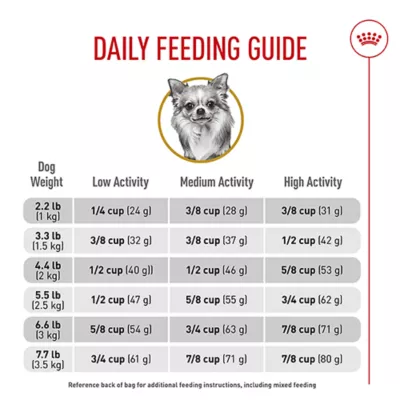
Credit: www.petsmart.com
Differences Between Puppy And Adult Food
Understanding the differences between puppy and adult dog food is key to making the right choice for your furry friend. Puppies grow fast and have different nutritional needs than adult dogs. Feeding the wrong type of food can affect their health and development.
Nutritional Needs
Puppies need more protein to support muscle growth and development. Their food also contains higher levels of calcium and phosphorus for strong bones and teeth. Adult dogs require balanced nutrients to maintain their health without overloading their system.
Have you noticed your puppy’s energy levels drop when switching to adult food too early? That’s because adult formulas don’t support rapid growth the way puppy formulas do.
Calorie Content
Puppy food is packed with extra calories to fuel their active growth phase. Adult dog food has fewer calories to prevent weight gain since adult dogs are generally less active. Feeding adult food to a puppy might leave them undernourished, while puppy food for adults can lead to obesity.
Think about your dog’s activity level and growth stage before choosing their food. Are you feeding for energy or maintenance?
Ingredients To Look For
Look for high-quality proteins like chicken, beef, or fish in puppy food to support muscle development. Puppy formulas often include DHA, an omega-3 fatty acid that helps brain and eye development. Adult dog food focuses on ingredients that support joint health and digestion.
- Puppy food: Higher protein, DHA, and essential vitamins
- Adult food: Balanced protein, added fiber, and joint-support supplements
Have you checked the ingredient list lately? It can reveal a lot about whether the food matches your dog’s current needs.
Benefits Of Adult Dog Food
Dogs usually start eating adult dog food around one year old. This food supports their energy and helps maintain a healthy weight. Feeding the right food at the right age keeps dogs strong and active.
Switching your dog to adult dog food is an important milestone that comes with numerous benefits. Adult dog food is specifically designed to meet the nutritional needs of grown dogs, promoting overall health and well-being. Understanding these benefits can help you make informed choices about your pet’s diet.Supporting Healthy Weight
Maintaining a healthy weight is crucial for your dog’s longevity and quality of life. Adult dog food is formulated with balanced calories and nutrients to support an active lifestyle without unnecessary weight gain. By choosing the right adult dog food, you can help your furry friend stay fit and energetic, ensuring they enjoy their daily activities without the risk of obesity-related issues.Maintaining Dental Health
Dental health is often overlooked but is vital for your dog’s overall well-being. Adult dog food often includes ingredients that help clean your dog’s teeth as they chew, reducing the buildup of plaque and tartar. This can lead to fresher breath and a lower risk of dental diseases, making it an easy way to care for your pet’s teeth daily.Boosting Immune System
A strong immune system is essential for protecting your dog against illnesses. Adult dog food typically contains antioxidants and essential vitamins that support immune health. By providing your dog with a diet rich in these nutrients, you can help them fend off diseases and maintain a robust defense against common health issues. Choosing the right adult dog food can have a profound impact on your dog’s health. Are you making the best choice for your pet? Consider these benefits and make the transition to adult dog food a positive step in your dog’s life.Risks Of Switching Too Early Or Late
Switching your dog to adult food at the right time is very important. Too early or too late can cause problems. Puppies and adult dogs have different nutritional needs. Feeding the wrong food can harm your dog’s health and growth. Understanding the risks helps you make the best choice for your pet.
Nutritional Deficiencies
Puppy food has extra nutrients for growth. Adult food lacks some of these essential nutrients. Switching too early may cause missing vitamins and minerals. This can weaken your dog’s immune system. Your dog may also lose energy and shine in their coat.
Switching too late means your dog gets too many nutrients. This can lead to weight gain and joint issues. Adult food balances nutrients for maintenance, not growth. Proper timing ensures your dog gets what it needs.
Digestive Issues
Puppies have sensitive stomachs that need gentle food. Adult dog food is heavier and harder to digest. Switching too early may cause diarrhea, vomiting, or upset stomach. Your puppy’s digestion system may not be ready.
Keeping your dog on puppy food for too long can also cause problems. The extra calories and protein can upset digestion. It may lead to discomfort and irregular bowel movements. A smooth transition helps avoid these issues.
Impact On Growth
Growth depends on balanced nutrition. Puppy food supports bone, muscle, and brain development. Switching too early can stunt growth and weaken bones. Your dog may not develop properly.
Switching too late can cause your dog to gain too much weight. Extra calories slow down natural growth patterns. This may lead to future health problems like arthritis. Timing the switch helps your dog grow strong and healthy.
Tips For A Smooth Transition
Switching your dog from puppy food to adult dog food needs care. A smooth change helps avoid stomach problems and keeps your dog happy. Small steps make the process easier for your pet.
Gradual Food Changes
Mix adult food with puppy food over several days. Start with 25% adult food and 75% puppy food. Slowly increase adult food and reduce puppy food. This slow change helps your dog’s stomach adjust well.
Monitoring Your Dog’s Reaction
Watch for signs like vomiting, diarrhea, or loss of appetite. Check if your dog seems energetic and healthy. If problems appear, slow down the change or pause it. Keep track of your dog’s behavior every day.
Consulting Your Veterinarian
Ask your vet before changing your dog’s diet. Your vet can suggest the best adult food type. They can also spot health issues early. Regular check-ups keep your dog’s diet safe and balanced.
Special Considerations For Different Breeds
Different dog breeds grow and mature at varying rates, which means the right time to switch your dog to adult food isn’t the same for every pup. Knowing your dog’s breed type helps you make the best decision for their health and energy needs. Let’s look at how these differences affect when dogs should start eating adult food.
Small Breeds
Small breed dogs usually mature faster than larger breeds. Many small dogs can switch to adult food as early as 9 to 12 months old.
Your tiny companion burns energy quickly and needs nutrient-dense food to support their active lifestyle. If you wait too long to switch, they may miss out on essential nutrients for their adult stage.
Have you noticed your small dog acting less like a puppy and more like an adult earlier than you expected? That’s a good sign it might be time to change their diet.
Large Breeds
Large breed dogs take longer to reach full maturity, often between 12 and 24 months. Their bones and joints are still developing, so their food needs to support slow, steady growth.
Switching too early to adult food could lead to rapid growth, increasing the risk of joint problems. On the other hand, delaying the switch too long might mean they consume too many calories for their slower metabolism.
Are you paying close attention to your large breed’s growth milestones? Tracking their weight and activity level helps determine the best time to introduce adult food.
Mixed Breeds
Mixed breed dogs can be tricky because their size and growth rate depend on the breeds they inherit. This makes it harder to pinpoint exactly when to switch food.
Observing your dog’s physical development is key. If they seem full-grown and their energy levels stabilize, it’s likely time for adult food.
Consider consulting your vet for tailored advice, especially if you’re unsure about your mixed breed’s growth pattern. Have you ever wondered how your dog’s unique background affects their dietary needs?
Common Myths About Dog Food Age
Many dog owners face confusion about when to switch their pets to adult dog food. This confusion often comes from common myths that can lead to feeding mistakes. Understanding the truth behind these myths helps you make better choices for your dog’s health and growth.
Adult Food Is Less Nutritious
Some believe adult dog food lacks the nutrients puppies need. In reality, adult formulas are balanced for mature dogs’ energy levels and health requirements. Feeding adult food to a growing puppy might not provide enough calories or protein, but for adult dogs, it is perfectly nutritious.
Think about your own diet—would you eat a child’s meal as an adult? Nutritional needs change with age, and dog food reflects that.
Puppy Food Is Always Better
Puppy food is rich and calorie-dense, designed for rapid growth. This doesn’t mean it’s better for all dogs. If you feed puppy food to an adult dog, it could lead to weight gain and health problems.
Ask yourself: Is your dog still growing, or have they reached their adult size? Feeding the right food supports your dog’s current life stage, not just their past growth phase.
Switching Age Is The Same For All Dogs
Many think all dogs should switch to adult food exactly at one year old. But breed size, activity level, and health affect this timing. Large breeds often need puppy food longer, sometimes up to 18-24 months, to support slower growth.
Look closely at your dog’s breed and consult your vet. Are you adjusting feeding time based on your dog’s unique needs or just following a general rule?
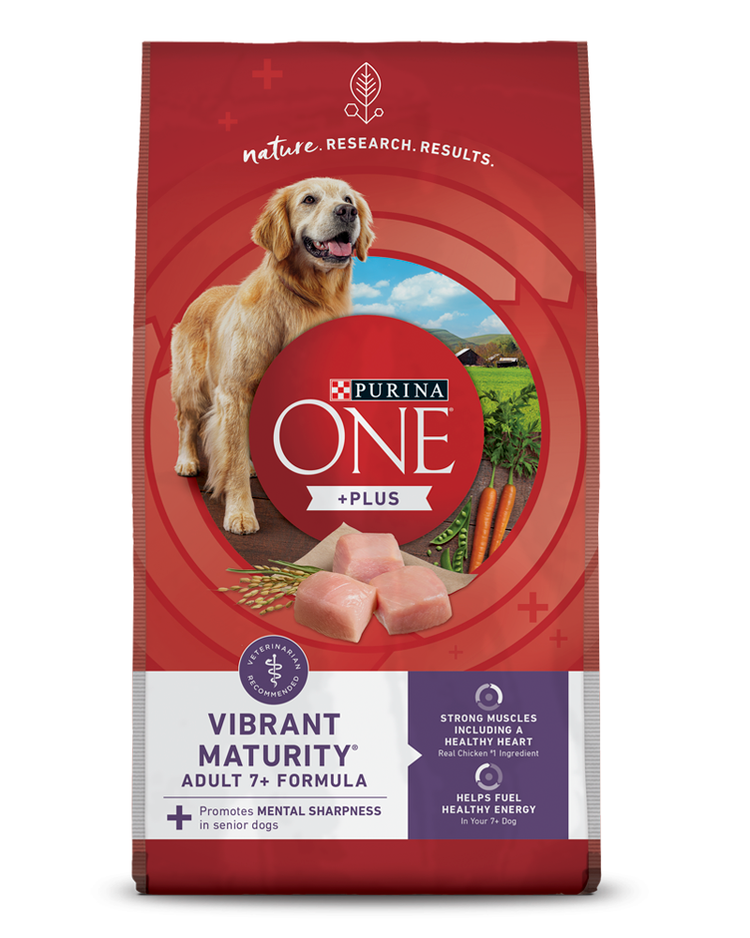
Credit: www.purina.com
Frequently Asked Questions
At What Age Should Dogs Eat Adult Dog Food?
Dogs typically switch to adult dog food around 12 months old. Large breeds may transition later, at 18-24 months, due to slower growth.
Why Switch Dogs To Adult Dog Food?
Adult dog food meets nutritional needs for maintenance rather than growth. It helps maintain healthy weight and energy levels in mature dogs.
Can Puppies Eat Adult Dog Food Early?
Feeding adult food to puppies too early can cause nutrient deficiencies. Puppies require higher protein and fat for proper growth and development.
How To Transition Dogs To Adult Food Safely?
Gradually mix adult food with puppy food over 7-10 days. This helps avoid digestive upset and allows dogs to adapt comfortably.
Conclusion
Dogs usually start eating adult dog food around one year old. Small breeds may switch earlier, larger breeds a bit later. Changing food too soon can upset their stomach. Watch your dog’s size, energy, and health for signs. Always introduce new food slowly over several days.
Good nutrition helps dogs stay healthy and happy. Remember, each dog grows at its own pace. Keep an eye on your pet’s needs and adjust feeding accordingly. This way, your dog gets the best care at every stage.