
Imagine having a loyal companion by your side who can sense when your blood sugar is dropping, even before you feel it yourself. Training a dog to recognize low blood sugar can be a game-changer for your safety and peace of mind.
If you or someone you love lives with diabetes, this skill could save lives. You’ll discover simple, step-by-step methods to teach your dog this incredible ability. Keep reading to learn how to turn your furry friend into your trusted health alert partner.
Why Dogs Can Detect Low Blood Sugar
Dogs have an amazing ability to sense changes in their environment. This includes detecting low blood sugar levels in people. Their keen senses help them pick up signals that humans might miss. Understanding why dogs can detect low blood sugar is key to training them effectively.
Scent Detection Abilities
Dogs have a highly developed sense of smell. They can detect odors at very low concentrations. When blood sugar drops, the body releases certain chemicals. These chemicals change the scent of a person’s breath or sweat. Dogs can smell these changes easily.
This natural skill makes dogs great at alerting their owners. They can warn before symptoms become severe. Their noses act like early warning systems for low blood sugar.
Behavioral Changes In Dogs
Dogs also notice subtle changes in human behavior. Low blood sugar can affect how a person moves or reacts. Dogs may sense anxiety, confusion, or weakness. These shifts make dogs more alert and attentive.
They learn to associate these behaviors with a drop in blood sugar. Over time, dogs respond by alerting their owner. This reaction helps keep people safe and aware of their condition.
Choosing The Right Dog For Training
Choosing the right dog for training to recognize low blood sugar is a crucial step that can make all the difference in effectiveness. Not every dog has the natural instincts or qualities needed for this specialized task. Understanding what traits and breeds work best helps you set clear expectations and select a partner who will truly support your health needs.
Breed Considerations
Some breeds have a stronger sense of smell, which is essential for detecting changes in blood sugar levels. Dogs like Labrador Retrievers, German Shepherds, and Golden Retrievers are popular choices because they combine intelligence with a keen nose.
But breed alone doesn’t guarantee success. Mixed breeds with the right temperament can perform just as well. What matters more is your dog’s ability to focus, learn, and remain calm under pressure.
Temperament Traits
You want a dog that is alert but not overly reactive. A calm, steady temperament helps the dog stay attentive without getting distracted by everyday noises or activities.
Look for dogs that show eagerness to please and respond well to training commands. Patience and persistence from both you and your dog are key during the learning process.
Have you noticed how some dogs naturally pay close attention to you, almost as if they understand when you’re not feeling well? That connection is what you want to build on. Selecting a dog with the right temperament lays the foundation for a strong, life-saving partnership.
Basic Training Foundations
Training a dog to detect low blood sugar begins with basic foundations. These are essential for any specialized training. Dogs need clear, consistent guidance. This helps them understand their role. Start with simple commands and gradually build complexity. A strong foundation ensures effective learning and response. Patience and consistency are key. Let’s explore these fundamental aspects.
Building Obedience Skills
Obedience skills are crucial for any training. Teach your dog basic commands like sit, stay, and come. Use short, clear words. Repeat these commands daily to reinforce learning. Consistency helps your dog understand expectations. Regular practice improves response time. Praise your dog when they follow commands. This builds trust and strengthens your bond.
Positive Reinforcement Techniques
Positive reinforcement encourages desired behavior. Use treats, praises, or toys to reward your dog. Offer rewards immediately after correct actions. This links the behavior with the reward. Keep training sessions short to maintain focus. Gradually reduce treats as your dog learns. Verbal praise becomes the primary reward. This method builds a positive training environment.

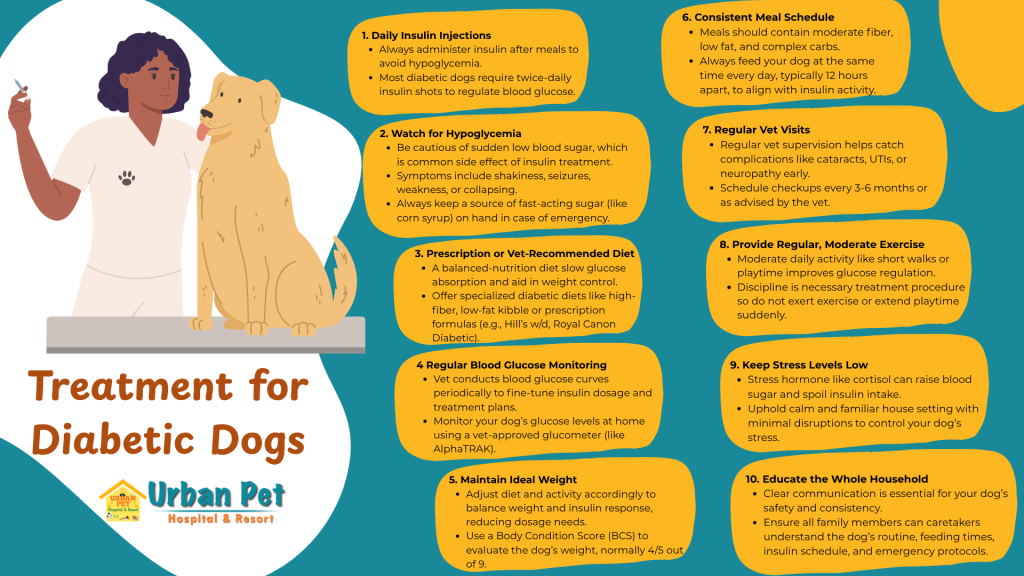
Credit: www.urbanpethospital.com
Introducing Low Blood Sugar Scent
Introducing the low blood sugar scent is a key step in training a dog to detect hypoglycemia. Dogs use their incredible sense of smell to recognize subtle chemical changes in the body. By exposing them to these unique scents, they learn to alert their owners during low blood sugar episodes.
This training builds a strong bond between the dog and owner. It gives the dog a clear signal to watch for. The process requires patience and consistency to be effective.
Collecting Scent Samples
Collecting accurate scent samples is crucial for successful training. Use items like cotton pads or small cloth pieces to absorb the scent. These samples should come from the skin or breath during a low blood sugar event.
- Gather samples in a clean container to avoid contamination.
- Label each sample with the date and time for reference.
- Store samples in a cool, dry place or freeze them if needed.
- Avoid touching the samples with bare hands to keep scents pure.
Scent Imprinting Methods
Scent imprinting teaches the dog to associate the smell with a reward. Start by introducing the scent in a calm environment. Use positive reinforcement like treats or praise immediately after presenting the scent.
- Hold the scent sample near the dog’s nose for a few seconds.
- Reward the dog as soon as it shows interest or sniffs the scent.
- Repeat this process multiple times daily for strong memory formation.
- Gradually add distractions to help the dog focus on the scent.
- Practice in various locations to generalize the scent recognition.
Teaching Alert Behaviors
Teaching your dog to alert you to low blood sugar can be life-changing. It requires patience and consistency, but the bond you build during training is rewarding. Let’s focus on how to teach your dog clear alert behaviors that will keep you safe.
Recognizing Symptoms
Before training alert behaviors, you need to know which symptoms your dog should detect. Low blood sugar symptoms include sweating, shakiness, confusion, and weakness. Dogs learn best when they associate specific signs with a clear action.
Watch your own symptoms carefully and note subtle changes. Your dog will pick up on scents or behaviors you might not notice. Have a trusted friend or family member help identify when your blood sugar drops, so the dog can learn to recognize these moments.
Ask yourself: Which symptoms does my dog notice first? This insight helps tailor the training to your dog’s natural responses.
Training Alert Responses
Start by rewarding your dog when they notice symptoms you display or recreate safely. Use a specific command like “alert” or “help” to link the behavior with the situation. For instance, if your dog nudges you or barks gently when you act weak or shaky, reward that immediately with treats or praise.
- Practice in controlled settings where you simulate low blood sugar safely.
- Use positive reinforcement every time your dog performs the alert behavior correctly.
- Gradually increase the challenge by adding distractions or varying the timing of symptoms.
Consistency is key. Dogs learn best when they know exactly what you expect each time. Have patience and keep training sessions short but frequent to maintain your dog’s focus.
How can you make this training a natural part of your daily life? Try linking alerts to everyday routines, so your dog sees this as normal behavior rather than a special task.

Credit: www.amazon.ca
Advanced Training And Reinforcement
Advanced training and reinforcement help your dog identify low blood sugar reliably. This stage builds on basic commands and deepens your dog’s understanding. It also prepares your dog for unexpected situations.
Training beyond basics makes your dog’s responses faster and more accurate. Strong reinforcement keeps your dog motivated and focused on the task. Practice and consistency are key to success.
Simulating Real-life Scenarios
Create situations similar to real low blood sugar events. Use scents or signals your dog learned during basic training. Change the environment to places your dog visits often.
Practice in different rooms, outside, or around distractions. This helps your dog stay alert and respond despite noise or movement. Repeat exercises until your dog reacts confidently.
Maintaining Consistency
Keep training sessions regular and short for better focus. Use the same commands and rewards every time. Consistency helps your dog link the behavior with the signal clearly.
Track progress and adjust training to your dog’s pace. Reinforce correct responses with treats or praise immediately. Avoid confusing your dog with mixed signals or commands.
Monitoring And Adjusting Training
Monitoring and adjusting your dog’s training to recognize low blood sugar is essential for building a reliable and responsive partner. This process requires patience and keen observation. You need to stay flexible and ready to tweak your approach based on your dog’s progress and behavior.
Tracking Progress
Keep a detailed log of training sessions, noting what commands or signals your dog responds to best. Track how quickly your dog reacts when you simulate low blood sugar cues. This helps you identify patterns and areas that need more focus.
Recording successes and setbacks will show if your dog is ready to assist in real situations. You might notice your dog alerts more consistently after a specific type of reward or gesture. Have you tried different rewards to see which motivates your dog the most?
Overcoming Challenges
Training a dog to detect low blood sugar isn’t always smooth. Some dogs may get confused by similar scents or signals. If your dog seems distracted or hesitant, try breaking the training into smaller, simpler steps.
Adjust your training environment to reduce distractions and increase focus. Sometimes, slowing down and repeating basic commands can rebuild your dog’s confidence. When faced with setbacks, ask yourself: what small change can make the next session more effective?
Safety And Welfare Considerations
Training a dog to recognize low blood sugar involves careful attention to safety and welfare. The dog’s health and comfort must always come first. Ensuring their well-being creates a better training environment and stronger results.
Health Checks For Dogs
Regular health checks are essential. A healthy dog learns and performs tasks better. Schedule visits to the vet to monitor your dog’s overall health. Check for any signs of illness or discomfort before training sessions. Keep vaccinations and parasite control up to date. Healthy dogs are more responsive and less prone to stress.
Avoiding Stress
Stress can hinder a dog’s ability to learn. Create a calm and positive training environment. Use gentle tones and rewards to encourage your dog. Avoid long or intense sessions that can tire or overwhelm them. Watch for signs of anxiety like panting, yawning, or restlessness. Taking breaks and offering praise helps maintain a stress-free experience. A relaxed dog learns faster and enjoys training more.
Resources For Support And Guidance
Training a dog to recognize low blood sugar can be challenging. Support and guidance help ease this process. Various resources offer expert advice and community experiences. These sources provide tools and knowledge needed for success. Finding the right support improves training outcomes and confidence.
Professional Trainers
Professional trainers specialize in diabetic alert dog training. They understand medical alert behaviors and training techniques. Trainers create customized plans for each dog and owner. Sessions focus on consistency, positive reinforcement, and skill building. Many trainers offer online and in-person options. Working with experts ensures proper training and faster results.
Support Groups
Support groups connect people with similar experiences. Members share tips, stories, and encouragement. These groups exist online and in local communities. Joining a group helps reduce feelings of isolation. Members exchange advice about training challenges and successes. Support groups offer motivation and practical help throughout the journey.

Credit: www.npr.org
Frequently Asked Questions
How Does A Dog Detect Low Blood Sugar?
Dogs detect low blood sugar by sensing changes in their owner’s scent. These changes occur due to chemical shifts in the body during hypoglycemia. Training enhances their ability to recognize these unique scents early, alerting the owner to take necessary action promptly and prevent emergencies.
What Are The Basic Steps To Train A Diabetes Alert Dog?
Training involves scent imprinting, positive reinforcement, and consistent practice. Start by exposing the dog to samples of low blood sugar scent. Reward the dog when it alerts correctly. Gradually increase distractions and complexity to ensure reliable detection in real-life situations.
How Long Does It Take To Train A Dog For Blood Sugar Alerts?
Training duration varies but typically takes 3 to 6 months. Consistent daily sessions and positive reinforcement speed up learning. The dog must reliably identify low blood sugar scents and alert the owner before symptoms worsen for effective assistance.
Can All Dog Breeds Be Trained For Blood Sugar Detection?
Most dog breeds with strong noses and good temperament can be trained. Breeds like Labradors, Golden Retrievers, and Poodles are popular due to their intelligence and eagerness to please. However, individual temperament and motivation matter more than breed alone.
Conclusion
Training a dog to recognize low blood sugar takes time and patience. Consistent practice helps your dog learn important signals. Reward good behavior to encourage quick responses. Dogs can alert you before symptoms get worse. This training improves safety and peace of mind.
Stay calm and positive during every session. Small steps lead to big results over time. Your dog’s help can make a real difference daily. Keep practicing and enjoy the special bond you build together.