
Training your Staffy dog can be one of the most rewarding experiences you’ll have as a pet owner. You want a happy, well-behaved companion who listens to you and enjoys your company.
But sometimes, knowing where to start or how to handle stubborn moments can feel overwhelming. Don’t worry—this guide will give you clear, simple steps to train your Staffy effectively. By the end, you’ll feel confident and ready to build a strong bond with your furry friend.
Keep reading to discover the secrets that make training your Staffy easier and more fun for both of you.

Credit: www.youtube.com
Staffy Dog Traits
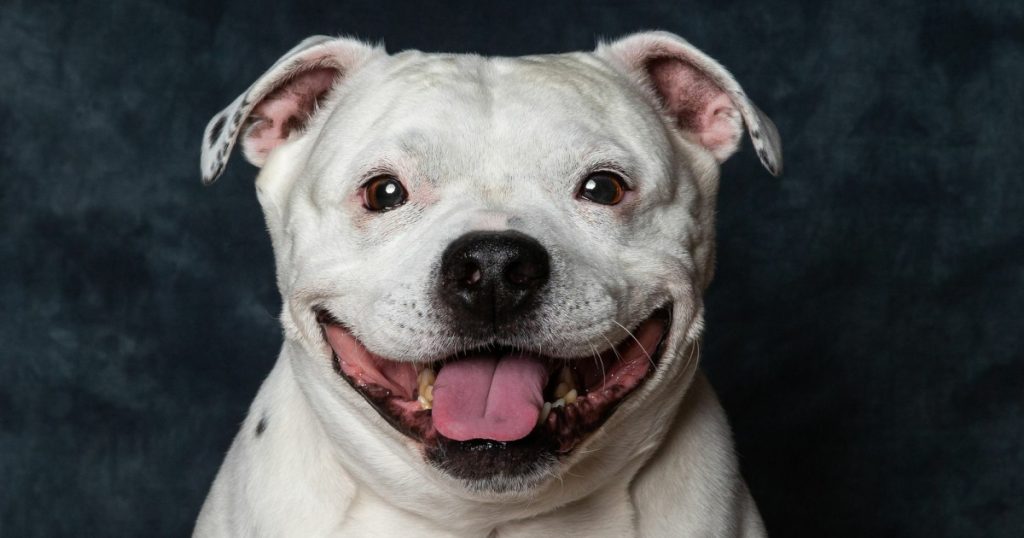
The Staffy, or Staffordshire Bull Terrier, is a dog full of character. Understanding their unique traits helps you train them effectively. These dogs are affectionate yet strong-willed, making their training both a rewarding and sometimes challenging experience.
Temperament And Behavior
Staffies are known for their loyalty and love towards their families. They are naturally friendly but can be wary of strangers. This mix means you need to socialize them early to prevent unwanted fear or aggression.
They thrive on positive attention and respond well to praise. Harsh training methods often backfire because Staffies have sensitive sides. Have you noticed how your Staffy reacts to different tones of voice? That can guide your approach.
Energy Levels
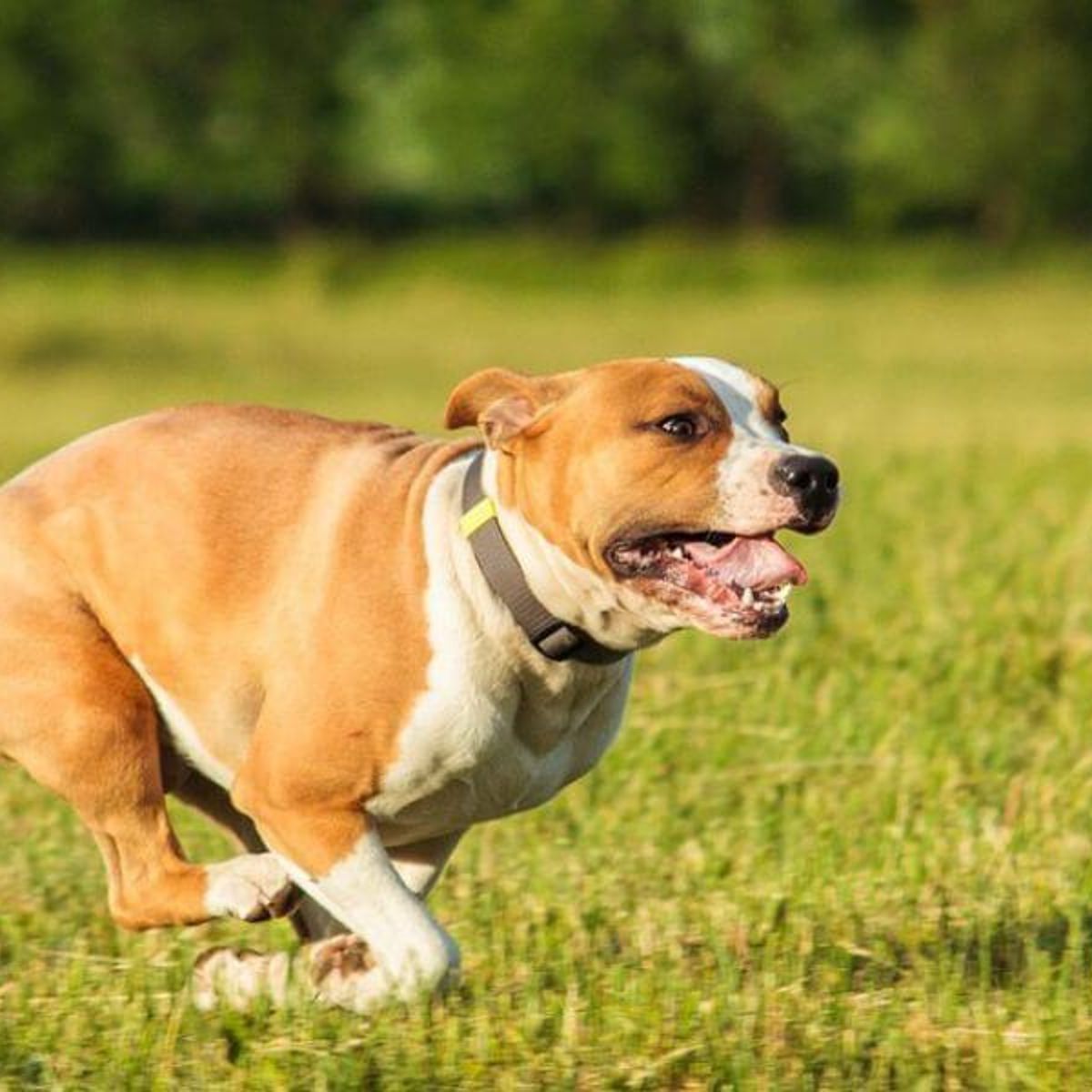
Staffies are energetic dogs who need plenty of exercise to stay happy. Without enough physical activity, they might develop destructive habits like chewing or digging. Daily walks, playtime, and mental challenges keep their minds and bodies engaged.
Think about your daily routine—can you fit in at least an hour of active time with your Staffy? Even simple games like fetch or tug-of-war can burn off their excess energy and improve focus during training.
Common Challenges
One common challenge is their stubborn streak. Staffies can test boundaries and push limits to see what they can get away with. Consistency in rules and routines helps prevent this behavior from taking root.
Another challenge is their strong prey drive. They may chase smaller animals if not properly trained. Teaching reliable recall and controlled walking on a leash is crucial to managing this instinct.
Have you experienced moments when your Staffy seems to ignore commands? Patience and repetition are key here—training sessions should be short but frequent to keep their attention sharp.
Credit: www.bestmatedogtraining.co.nz
Basic Training Principles
Training a Staffy dog starts with basic principles that guide every session. These principles help build trust and good behavior. Training takes time and a calm approach. Staffies respond well to kind and clear communication. Understanding these basics sets the foundation for a happy, well-behaved dog.
Positive Reinforcement
Reward good behavior to encourage it again. Use treats, praise, or play as rewards. Avoid punishment because it can cause fear. Positive reinforcement makes learning fun for your Staffy. It builds a strong bond and motivates your dog to obey commands.
Consistency And Patience
Train your Staffy the same way every time. Use the same words and signals for commands. Be patient; learning takes days or weeks. Avoid rushing or showing frustration. Consistency helps your dog understand what you expect. Patience keeps training sessions calm and effective.
Setting Realistic Goals
Break training into small, clear steps. Focus on one skill before moving to the next. Celebrate small wins to keep motivation high. Avoid expecting perfect behavior right away. Realistic goals help your Staffy learn steadily. This approach reduces stress for both you and your dog.
Essential Commands
Training a Staffy dog requires patience and consistency. Essential commands form the foundation for good behavior. These commands help manage your dog’s actions and improve safety. Start with basic commands. Gradually introduce more complex ones. Consistent training strengthens the bond between you and your Staffy.
Sit And Stay
Begin with the ‘sit’ command. Hold a treat close to your dog’s nose. Move your hand up, allowing their head to follow. This makes their bottom lower. Once they’re sitting, say “sit” and give the treat. Practice regularly for best results.
Next, add the ‘stay’ command. Ask your Staffy to sit. Open your palm in front of them and say “stay.” Take a few steps back. If they stay, reward them. Gradually increase the distance. Practice patience during this process.
Recall
Recall is vital for safety. Start in a quiet space. Call your dog’s name followed by “come.” Use a cheerful tone. Reward them when they reach you. Practice with increasing distance. This builds confidence in their recall ability.
Incorporate recall into daily walks. Use it during playtime too. Make it enjoyable and rewarding. Consistency is key to a successful recall command.
Leave It And Drop It
Teach ‘leave it’ for unwanted items. Place a treat in each hand. Show one closed fist with the treat inside. Say “leave it.” Ignore their attempts to get it. Once they stop trying, reward them with the other treat.
For ‘drop it’, use a favorite toy. Play with your Staffy. Offer a treat and say “drop it.” When they release the toy, give the treat. Practice regularly to reinforce the command.
These commands ensure your Staffy is well-behaved and safe. Consistent practice leads to success. Enjoy the training process with your furry friend.
Socialization Strategies
Socialization is key for a happy, well-behaved Staffy. It helps your dog feel safe and confident in new situations. Early and positive social experiences shape good behavior and reduce fear or aggression. Start socialization early and keep experiences calm and fun.
Introducing To Other Dogs
Introduce your Staffy to calm, friendly dogs first. Choose neutral places like a park or quiet street. Let dogs sniff and greet gently. Watch body language closely. Stop if either dog seems stressed or aggressive. Gradually increase time spent with other dogs. Praise your Staffy for calm behavior.
Exposure To Different Environments
Take your Staffy to many places. Busy streets, quiet parks, and pet-friendly stores all help. New sights, sounds, and smells teach your dog to stay calm. Use treats and praise to create positive feelings. Keep visits short at first. Slowly increase time in new places.
Handling Stranger Interactions
Teach your Staffy to stay calm around strangers. Let people gently offer treats or pet your dog. Keep greetings brief and relaxed. Avoid overwhelming your dog with too many people at once. Reward your Staffy for polite behavior. Practice often to build comfort and trust.
Addressing Behavioral Issues
Addressing behavioral issues in a Staffy dog is key to a happy home. These dogs are smart and strong-willed. Without guidance, some behaviors can become problems. Early attention helps prevent bad habits. Patience and consistency are essential. Understanding common issues makes training easier.
Managing Aggression
Staffies may show aggression if scared or frustrated. Watch for growling, lunging, or stiff body language. Stay calm and avoid yelling. Teach your dog to respond to commands like “sit” and “stay.” Reward good behavior with treats or praise.
Socialize your Staffy with other dogs and people. Controlled meetings reduce fear and aggression. Avoid rough play that might encourage biting. If aggression persists, seek help from a professional trainer.
Reducing Separation Anxiety
Staffies love their owners and can feel anxious alone. Signs include whining, barking, or destructive acts. Start by leaving your dog alone for short periods. Gradually increase the time as your dog gets used to it.
Create a safe space with toys and water. Avoid making a big deal when leaving or returning. Calm behavior teaches your dog that being alone is okay. Regular exercise also helps reduce anxiety.
Preventing Destructive Chewing
Chewing is natural for Staffies but can cause damage. Provide plenty of chew toys to keep their mouth busy. Remove items you don’t want chewed, like shoes or cables.
Use positive reinforcement when your dog chews toys instead of furniture. Bitter sprays can discourage chewing on unwanted items. Exercise and mental stimulation reduce boredom, a common cause of chewing.
Exercise And Mental Stimulation
Exercise and mental stimulation are key for a happy, healthy Staffy dog. These dogs have lots of energy and sharp minds. Without enough activity, they can become bored or restless. This can lead to unwanted behaviors like chewing or digging. Combining physical exercise with mental challenges keeps them balanced and well-behaved.
Daily Physical Activities
Staffies need regular exercise to burn off energy. Aim for at least 30 to 60 minutes each day. Walks, runs, or play sessions work well. Changing the route or pace keeps them interested. Try activities like fetch or agility courses for variety. Physical exercise helps their muscles and joints stay strong.
Interactive Toys And Games
Use toys that make your Staffy think. Puzzle feeders or treat-dispensing toys engage their problem-solving skills. Hide treats in toys to encourage searching. Tug toys and balls also provide fun interaction. Rotate toys often to maintain excitement. These games help reduce boredom and anxiety.
Training As Mental Exercise
Training sessions challenge your Staffy’s mind. Teach new commands or tricks in short, fun lessons. Use positive reinforcement with treats or praise. Consistent training improves focus and behavior. Mental exercise tires them out as much as physical play. Training builds a strong bond between you and your dog.
Advanced Training Techniques
Advanced training techniques help deepen your Staffy’s learning. They build focus, patience, and strong bonds. These methods go beyond basic commands and add variety. Your Staffy stays sharp and eager to learn. Training sessions become fun challenges instead of chores.
Clicker Training
Clicker training uses a small device that makes a clicking sound. The sound marks the exact moment your dog does something right. It helps Staffys understand which behavior you want. Pair the click with a treat for quick learning. Consistency is key. Click immediately when your dog performs the desired action.
Leash Training
Leash training teaches your Staffy to walk calmly beside you. Start indoors in a quiet place. Use treats to reward walking without pulling. Stop walking if your dog pulls, and wait for calmness. Practice short walks and slowly increase distance. Use a comfortable harness to avoid injury. This training improves safety and control on walks.
Trick Training For Engagement
Trick training keeps your Staffy mentally active and happy. Teach fun tricks like roll over, spin, or shake hands. Use treats and praise to encourage learning. Keep sessions short, around 5 to 10 minutes. Tricks build confidence and strengthen your bond. They also reduce boredom and unwanted behaviors.
Credit: wamiz.co.uk
Maintaining Training Results
Keeping your Staffy’s training sharp takes more than just initial effort. The real challenge is maintaining those results over time. Without ongoing attention, your dog might slip back into old habits, which can be frustrating for both of you.
Regular Practice
Consistency is key to keeping your Staffy’s training solid. Practice commands daily, even if just for a few minutes. This helps your dog stay familiar with expectations and prevents skills from fading.
Try mixing short training sessions into your routine—before walks or during playtime. This keeps training fun and natural, rather than a chore. Have you noticed how your dog’s focus improves when you keep sessions brief but frequent?
Adapting To Life Changes
Your Staffy’s environment and routine will change over time, and their training must adapt too. Moving houses, new family members, or changes in your schedule can all affect your dog’s behavior.
Observe how your dog reacts to these changes and adjust your training accordingly. For example, a new baby might mean more patience and calm commands. How do you handle training when life throws unexpected shifts your way?
Rewarding Good Behavior
Positive reinforcement remains crucial even after your Staffy masters basic commands. Continue rewarding good behavior to encourage your dog to repeat it.
Use treats, praise, or playtime as rewards, but vary them to keep your dog motivated. Sometimes, a simple “Well done!” with a scratch behind the ears works wonders. What rewards does your Staffy respond to best?
Frequently Asked Questions
How Long Does It Take To Train A Staffy Dog?
Training a Staffy usually takes 8 to 12 weeks with consistent daily sessions. Early socialization and positive reinforcement speed up learning. Patience and routine are key to effective training.
What Is The Best Age To Start Training A Staffy?
Start training your Staffy puppy as early as 8 weeks old. Early training helps build good habits and social skills. Young Staffies learn quickly and adapt well to commands.
How Do I Stop My Staffy From Biting?
Redirect biting with chew toys and praise good behavior. Use firm but gentle commands to discourage biting. Consistent training and socialization reduce biting tendencies.
What Commands Should I Teach My Staffy First?
Begin with basic commands like sit, stay, come, and leave it. These commands establish control and improve communication. Use treats and praise for motivation.
Conclusion
Training a Staffy dog takes patience and care. Start with small steps and stay consistent. Praise good behavior to encourage learning. Keep training sessions short and fun for your dog. Remember, every Staffy learns at its own pace. Building trust helps your dog listen better.
Enjoy the process and celebrate small wins. A well-trained Staffy becomes a happy, loyal friend. Keep practicing daily to see real progress. Training creates a strong bond between you and your dog.