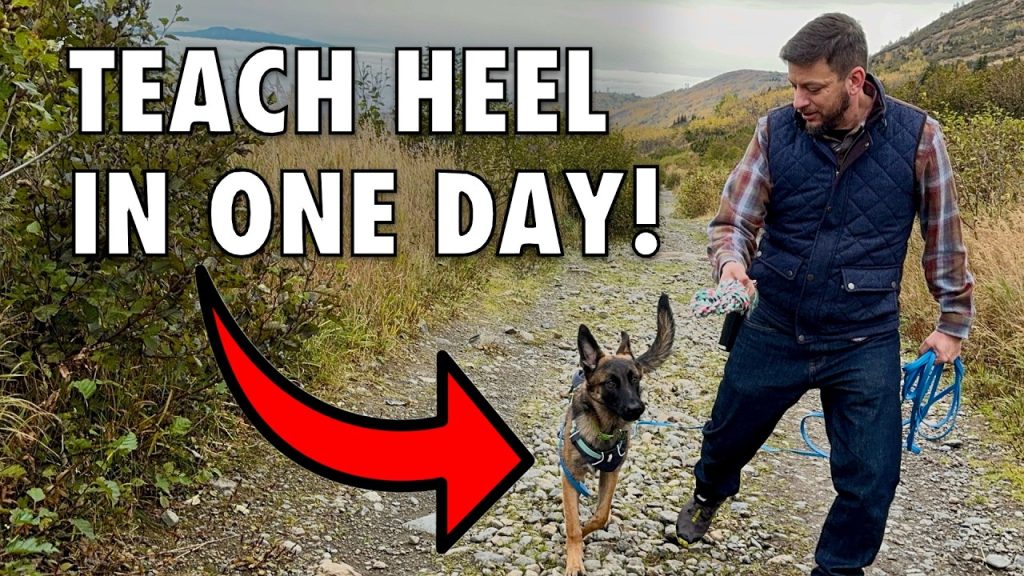

Training your dog to stay by your side can make every walk more enjoyable and safe. Imagine having your furry friend calmly walking with you, never pulling ahead or lagging behind.
This simple skill not only strengthens your bond but also keeps your dog out of harm’s way. If you’ve ever felt frustrated by a dog that wanders off or tugs on the leash, you’re not alone. You’ll discover easy, effective steps to teach your dog to stay close.
Keep reading, and soon your walks will become peaceful and full of trust.

Credit: www.reddit.com
Choosing The Right Collar And Leash
Choosing the right collar and leash is key to teaching your dog to stay by your side. The right tools give control and comfort. They help your dog focus and respond better during training. Poor choices can cause discomfort or distraction. This section guides you through selecting the best collar and leash for effective training.
Types Of Collars Suitable For Training
Pick collars that fit well and feel comfortable. Avoid collars that are too tight or too loose. Common types include:
- Flat collars:Good for everyday wear and basic training.
- Martingale collars:Provide gentle control without choking.
- Head collars:Help guide the dog’s head for better control.
Choose one that suits your dog’s size and behavior. Comfort is important to keep the dog calm.
Choosing The Best Leash Length And Material
Leash length affects how close your dog stays to you. Short leashes (4 to 6 feet) work well for tight control. Long leashes (10 to 30 feet) help with distance training but can cause slack.
Material matters too. Nylon leashes are strong and lightweight. Leather leashes offer durability and a comfortable grip. Pick a leash that feels good in your hand and suits your training style.
Safety Features To Consider
Safety keeps training smooth and stress-free. Look for collars with quick-release buckles for emergencies. Reflective materials on collars and leashes improve visibility in low light.
Check leash hardware like clips and rings. They should be sturdy and secure. Avoid flimsy parts that may break during walks or training.
Starting With Basic Commands
Training a dog to stay by your side begins with learning basic commands. These commands build the foundation for good behavior. Dogs understand simple instructions best, so start small. Teaching your dog to follow basic commands creates trust and clear communication.
Focus on clear, consistent cues and use positive reinforcement. Short training sessions work well for puppies and adult dogs. Keep training fun and rewarding to maintain your dog’s interest. Let’s explore how to teach two essential commands: sit and stay.
Teaching The Sit Command
The sit command is the first step to control your dog’s movement. Begin in a quiet place with few distractions. Hold a treat close to your dog’s nose. Slowly move the treat above their head. Most dogs will naturally sit to follow the treat.
Once your dog’s bottom touches the ground, say “sit” clearly. Give the treat and praise immediately. Repeat this several times in short sessions. Practice daily to build a strong habit. Gradually reduce treats and use only praise.
Introducing The Stay Command
After your dog masters sit, introduce the stay command. Ask your dog to sit first. Show your open palm in front of their face. Say “stay” firmly but kindly. Take a small step back. If your dog stays, return and reward them.
Increase the distance and time slowly. Always return before your dog moves. If they move, calmly guide them back and try again. Practice in different locations to help your dog generalize the command. Patience and consistency are key to success.
Using Positive Reinforcement
Positive reinforcement encourages dogs to stay close by rewarding good behavior with treats or praise. This helps your dog learn that staying by your side brings rewards and happiness. Consistent rewards make training easier and build a strong bond between you and your dog.
Training your dog to stay by your side can be fulfilling. Positive reinforcement can make this process both fun and effective. This technique involves rewarding good behavior to encourage your dog to repeat it. Positive reinforcement creates a bond of trust and understanding.Treats And Praise
Use treats as rewards for your dog’s good behavior. Offer small, tasty treats your dog enjoys. Combine treats with enthusiastic praise. Your happy tone of voice will motivate your dog. Use phrases like “Good job!” or “Well done!” Keep your energy high and genuine.Timing And Consistency
Reward your dog immediately after the desired behavior. Timing is crucial for your dog to understand the connection. Consistency helps reinforce learning. Practice regularly to reinforce the behavior. Train in short, frequent sessions. This keeps your dog engaged and interested.
Credit: pupford.com
Practicing Heel Position
Practicing the heel position helps your dog learn to stay close to your side. It builds focus and control during walks. Teaching this skill makes your outings more enjoyable and safe. Start with simple steps and repeat them often. Patience and consistency are key to success.
Luring Your Dog To Your Side
Hold a treat in your hand near your dog’s nose. Slowly move it to your side, just behind your leg. Your dog will follow the treat and come close to you. Praise your dog once it reaches the right spot. Repeat this several times to create a strong habit.
Use a calm voice to encourage your dog. Keep treats small and easy to eat. Avoid rushing this step. Let your dog feel comfortable standing by your side.
Walking With Your Dog
Start walking slowly with your dog by your side. Keep treats ready to reward your dog for staying close. If your dog moves ahead or lags behind, gently guide it back. Use a short leash to maintain control.
Stop walking if your dog pulls or leaves your side. Wait until it returns and stands near you. Reward your dog for good behavior. Gradually increase your walking speed and distance.
Practice in quiet places before trying busy areas. This helps your dog focus better. Consistent practice improves your dog’s heel position over time.
Increasing Distraction Levels
Increasing distraction levels is a key part of training your dog to stay by your side. Dogs often get distracted by noises, smells, and moving objects. Gradually adding distractions helps your dog learn to focus on you in different situations. This makes the “stay close” command stronger and more reliable.
Training In Different Environments
Start training in a quiet, familiar place. Once your dog listens well, try new locations. Parks, busy streets, and pet stores work well. Each place has unique distractions. Your dog learns to ignore these and stay near you.
Change the environment slowly. Your dog feels more confident and less stressed. Keep sessions short and positive. Reward your dog often for staying close. This builds good habits everywhere you go.
Handling Interruptions
Interruptions like other dogs or loud noises test your dog’s focus. Stay calm and firm. Use a clear voice to repeat the command. If your dog breaks focus, guide them back gently.
Practice ignoring interruptions by:
- Calling your dog’s name before distractions appear
- Using treats to keep attention on you
- Rewarding quick returns after distractions
Training with interruptions helps your dog stay loyal. It makes walks safer and more enjoyable for both of you.
Correcting Unwanted Behavior
Correcting unwanted behavior is key to teaching your dog to stay by your side. Dogs learn best through clear guidance and consistent feedback. Ignoring bad habits lets them continue and grow. Proper correction helps your dog understand which actions are not allowed. This creates a calm and safe walking experience for both of you.
Recognizing Common Mistakes
Many dog owners make simple errors during training. Pulling the leash too hard can confuse your dog. Giving mixed signals, like praising and scolding at the same time, causes frustration. Letting your dog walk ahead sometimes teaches them to lead. These mistakes slow down progress and make training harder.
- Inconsistent commands confuse your dog.
- Using harsh punishment creates fear.
- Ignoring bad behavior rewards it.
- Allowing distractions reduces focus.
Gentle Corrections
Use calm and kind corrections to guide your dog back. A firm “no” or “stay” helps your dog know what is wrong. Redirect your dog’s attention with treats or toys. Praise your dog immediately when they behave well. Gentle corrections build trust and encourage good habits.
- Say “no” in a steady voice without shouting.
- Step back if your dog pulls ahead.
- Offer a treat for staying close.
- Use a clicker for positive reinforcement.
Maintaining Training Over Time
Training your dog to stay by your side isn’t a one-time task—it requires ongoing attention. Without regular maintenance, your dog might forget the command or lose interest. Keeping the training fresh helps your dog stay reliable and responsive in different situations.
Regular Practice Sessions
Consistency is key to maintaining your dog’s stay-by-your-side behavior. Set aside short, daily practice sessions rather than long, infrequent ones. Even five minutes a day can make a big difference in reinforcing the habit.
Try to practice in various places—your backyard, the park, or inside your home. This helps your dog understand that the command applies everywhere, not just during training time. Have you noticed how your dog reacts differently in new environments? Regular practice helps bridge that gap.
Keeping Your Dog Engaged
Training loses its effectiveness if your dog gets bored. Use treats, toys, or praise to keep your dog interested and motivated. Change rewards occasionally to keep your dog guessing and eager to obey.
Involve your dog in real-life situations where staying by your side is useful, like walking in busy areas or waiting calmly at the door. This not only reinforces the command but also makes training practical and fun for both of you. What rewards does your dog respond to best? Experiment and watch how engagement improves.
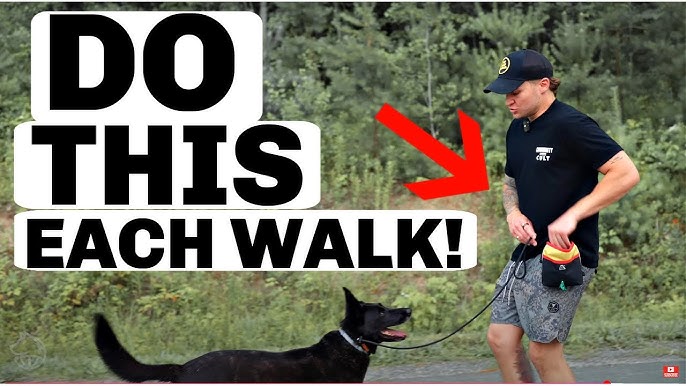
Credit: www.youtube.com
Frequently Asked Questions
How Long Does It Take To Train A Dog To Stay By Your Side?
Training time varies by dog breed and consistency. Most dogs learn basic staying skills within 2 to 4 weeks of daily practice. Patience and positive reinforcement speed up the process. Regular short sessions help maintain focus and obedience effectively.
What Commands Help Train A Dog To Stay Close?
Common commands include “heel,” “stay,” and “close. ” These cues teach your dog to stay by your side during walks or activities. Use treats and praise to reinforce good behavior. Consistency in command usage ensures faster learning and better response.
How Can I Prevent My Dog From Pulling Ahead?
Use a short leash and stop walking when your dog pulls. Reward your dog when it stays by your side. Teaching the “heel” command helps control pulling. Consistent training sessions build good leash manners over time.
Is It Necessary To Use Treats For Training?
Treats are helpful motivators but not always necessary. They reward positive behavior and encourage learning. Over time, you can phase out treats and use praise or toys. Consistent rewards build a strong bond and reinforce training success.
Conclusion
Training your dog to stay by your side takes time and patience. Keep sessions short and positive. Reward good behavior with treats and praise. Practice often in different places to build strong habits. Stay calm and consistent to help your dog learn.
Remember, every dog learns at its own pace. Enjoy the process and celebrate small wins together. This bond will make walks safer and more fun for both. Keep training simple, and your dog will stay close every time.