
Are you wondering when your puppy should switch from puppy food to adult dog food? Making this change at the right time is crucial for your dog’s health and growth.
Feed them too early, and they might miss out on important nutrients. Wait too long, and their diet might not meet their needs anymore. You’ll discover the perfect age to start adult dog food, how to make the transition smooth, and what signs to watch for.
Keep reading to ensure your furry friend gets the best nutrition at every stage of life.
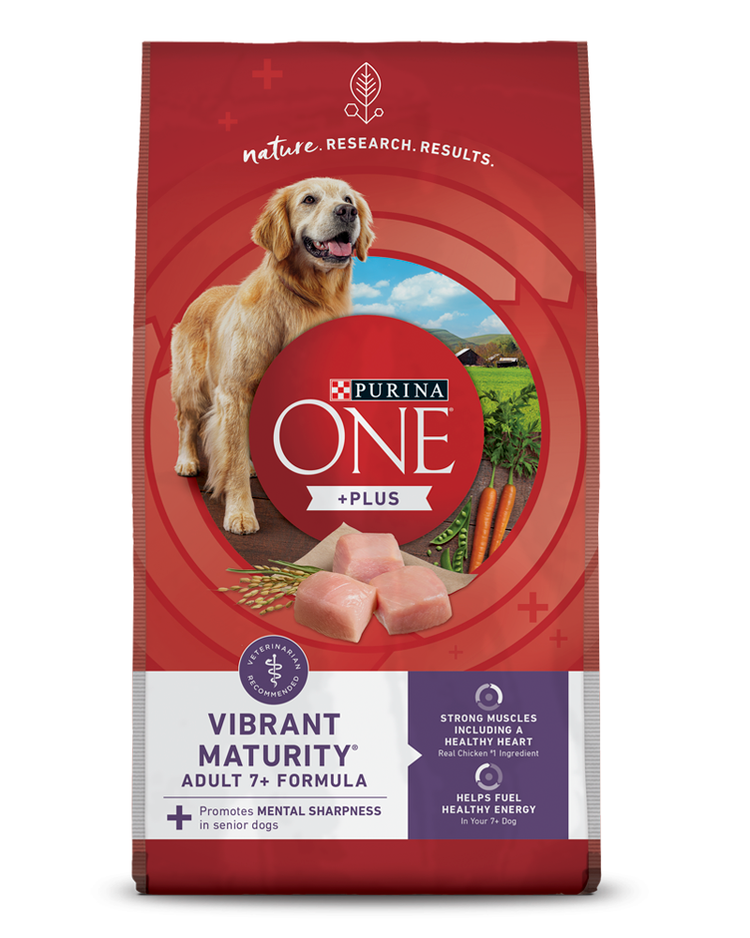
Credit: www.purina.com
Puppy Growth Stages
Puppy growth happens fast and needs proper nutrition at each stage. Knowing these stages helps decide when to change their food. Puppies need special care and food as they grow from tiny newborns to full adults. Their bodies and energy needs change quickly during these months.
Newborn To Weaning
Newborn puppies rely only on their mother’s milk. It has all the nutrients they need. Their digestive systems are very delicate. Puppies nurse every two hours and sleep most of the time. This stage lasts about 3 to 4 weeks. No solid food is needed yet.
Weaning To 3 Months
At about 3 to 4 weeks, puppies start to try solid food. This process is called weaning. Soft, wet puppy food is best to start. Their teeth begin to come in, so they can chew soft food. Gradually, they eat less milk and more solid food. Their energy needs rise as they get more active.
3 To 6 Months
Between 3 and 6 months, puppies grow very fast. Their bones and muscles develop quickly. They need food rich in protein and fat. This helps support their high energy and growth. Feeding smaller meals more often works well. Avoid adult food at this stage; it lacks enough nutrients.
6 To 12 Months
From 6 months, growth slows but still continues. Large breeds may grow longer than small breeds. Most puppies can start transitioning to adult food around 9 to 12 months. This depends on their size and breed. Adult food has the right balance for mature dogs. Watch your puppy’s weight and energy to adjust food.
When To Switch To Adult Food
Knowing the right time to switch your dog to adult food is important. Puppies need special nutrition to grow strong. Adult food supports their health after growth slows down. Different dog breeds grow at different rates. This means the switch time varies by breed size.
Watch your dog’s behavior and body condition. Signs of readiness include slower growth and less energy burst. Consult your vet for personalized advice. Below is a general timeline based on breed size.
Small Breeds Timeline
Small breed dogs mature faster than larger breeds. They usually switch to adult food around 9 to 12 months old. Small breeds reach full size quickly. Feeding adult food too late can cause weight gain. Early switch supports healthy metabolism and teeth development.
Medium Breeds Timeline
Medium breeds grow steadily and mature by about 12 months. Switching to adult food typically happens between 12 and 14 months. This timing helps maintain energy and supports joint health. Avoid feeding puppy food too long to prevent excess weight.
Large Breeds Timeline
Large breed dogs need more time to grow. They often switch to adult food between 12 and 18 months. Slow growth helps reduce joint stress. Large breeds benefit from adult food that supports bones and muscles. Watch for weight changes during transition.
Giant Breeds Timeline
Giant breeds grow the slowest and mature the latest. Switch to adult food usually occurs between 18 and 24 months. Their food must support strong bones and joints. Feeding adult food too early can hinder growth. Always monitor your dog’s size and health closely.
Signs Your Dog Is Ready
Signs your dog is ready for adult food include reaching about one year old and showing slower growth. Changes in energy and appetite also hint it’s time to switch. Watch for these clues to help your dog’s diet stay balanced and healthy.
Are you wondering when to transition your furry friend from puppy food to adult dog food? It’s a crucial step in ensuring their health and vitality. But how do you know when the time is right? Observing certain signs can guide you in making the best decision for your pet’s nutritional needs. Let’s explore some key indicators that your dog is ready to make the switch.Physical Growth Indicators
Monitoring your dog’s size and weight can offer significant clues. Most dogs reach full physical growth between 12 to 18 months, depending on their breed. Small breeds may mature quicker, while larger breeds take longer to fully grow. Check if your dog has reached about 90% of their expected adult size. This is usually a strong indicator that their growth phase is nearing completion, signaling that adult food is on the horizon.Behavioral Changes
Have you noticed any changes in your dog’s behavior? As they mature, their energy levels may stabilize. Adult dogs often show more independence compared to their playful puppy days. They might also begin to show less interest in activities that used to captivate them. These shifts can suggest that their nutritional needs are evolving too.Nutritional Needs
Puppy food is rich in calories and nutrients to support rapid growth. But as your dog matures, their caloric needs decrease. Adult dog food is formulated to maintain their health without the extra calories. If you see your dog gaining unnecessary weight, it might be time to switch to adult food. Consult your vet to confirm the best diet plan for your dog’s breed and lifestyle. Are you ready to make the switch for your dog? Keep an eye on these signs and trust your observations. Your dog will thank you with a wagging tail and a happy, healthy life.Choosing The Right Adult Food
Choosing the right adult food for your dog is more than just picking the first bag off the shelf. It requires understanding what your dog needs to stay healthy, active, and happy as they grow. Making the right choice now sets the foundation for their long-term wellbeing.
Nutrient Requirements
Your dog’s nutritional needs change as they move from puppyhood to adulthood. Adult dogs need balanced proteins to maintain muscle without the extra calories that puppies require for growth.
Look for food with appropriate levels of fat, fiber, and essential vitamins like A, D, and E. These support energy, digestion, and immune health. Have you checked if your dog’s current food matches these needs?
Types Of Adult Dog Food
You’ll find several types of adult dog food: dry kibble, wet canned food, raw diets, and freeze-dried options. Each has its pros and cons depending on your dog’s preferences and health.
- Dry kibble:Convenient, helps with dental health, and usually more affordable.
- Wet food:Higher moisture content, which is great if your dog doesn’t drink enough water.
- Raw and freeze-dried:Closer to natural diets but require careful handling to avoid contamination.
Which type does your dog seem to enjoy most? Their willingness to eat it regularly is key.
Reading Food Labels
Understanding food labels helps you avoid fillers and unnecessary additives. Check for a named protein source as the first ingredient, like chicken or beef, rather than vague terms like “meat meal.”
Look for certifications or approvals from veterinary nutrition boards. They indicate the food meets established standards for adult dogs.
Don’t hesitate to compare labels side by side. What you find might surprise you and help you pick a truly nutritious option for your furry friend.
Transitioning Your Dog’s Diet
Transitioning your dog’s diet from puppy food to adult food requires care and patience. This change supports your dog’s growth and health during a vital stage. A smooth switch helps avoid digestive problems and ensures proper nutrition. Understanding the process helps you make the transition easier for your dog.
Gradual Food Changes
Change your dog’s food slowly over 7 to 10 days. Start by mixing 25% adult food with 75% puppy food. Gradually increase the adult food amount each day. By the end, your dog should eat 100% adult food. This slow switch helps your dog adjust to new flavors and nutrients. It also reduces stomach upset and diarrhea risks.
Monitoring Health During Transition
Watch your dog’s behavior and health closely. Check for changes in appetite, energy, and stool quality. Healthy dogs eat well and have firm, regular stools. If your dog shows vomiting, diarrhea, or lethargy, pause the transition. Consult your vet if problems continue or worsen. Regular monitoring keeps your dog safe and comfortable during change.
Common Challenges
- Refusing new food – Try mixing in tasty toppers or warming the food slightly.
- Digestive upset – Slow down the transition or try a different adult formula.
- Weight changes – Adjust portions to keep your dog at a healthy weight.
- Allergic reactions – Watch for itching or skin issues and consult your vet.
Being patient and attentive helps you overcome these challenges. Your dog will adapt smoothly with your support.

Credit: dogsauce.co
Special Considerations
Deciding the right time for your dog to switch to adult food isn’t just about age. Certain health and life stages require extra care and attention. Understanding these special considerations can help you make the best choice for your dog’s nutrition and overall well-being.
Health Conditions
If your dog has health issues like allergies, digestive problems, or obesity, switching to adult food needs careful thought. Some adult formulas may not suit their specific needs and could worsen symptoms.
Consult your vet before making any changes. They might recommend a specialized diet or a gradual transition to avoid upsetting your dog’s stomach.
Pregnant Or Nursing Dogs
Pregnant or nursing dogs have higher energy and nutrient requirements. Their food needs to support both their health and the puppies’ growth.
Adult maintenance food may not provide enough calories or essential nutrients during this phase. Look for specially formulated diets designed for pregnancy and lactation to keep your dog strong and healthy.
Senior Dogs
Older dogs often need a different nutritional approach than younger adults. They may benefit from diets lower in calories but richer in joint-supporting ingredients like glucosamine.
Switching to adult food too early or too late can impact their health. Watch for signs like reduced activity or weight changes and discuss with your vet to find the best diet for your senior companion.

Credit: dogsauce.co
Frequently Asked Questions
When Should Puppies Switch To Adult Dog Food?
Puppies usually switch to adult dog food between 12 to 18 months. Small breeds may transition earlier. Consult your vet to determine the best time based on your dog’s size and health.
Why Is Timing Important To Change Dog Food?
Proper timing ensures your dog receives the right nutrients for growth and maintenance. Switching too early or late can cause digestive issues or nutrient imbalances.
How To Transition Dogs To Adult Food Safely?
Gradually mix adult food with puppy food over 7-10 days. Increase adult food proportion daily to avoid stomach upset and help your dog adjust smoothly.
Can Feeding Adult Food Early Harm Puppies?
Yes, feeding adult food too early may lack essential nutrients puppies need for growth. It can lead to poor development and health problems.
Conclusion
Choosing the right time to switch your dog to adult food matters. Most dogs start eating adult food around one year old. Smaller breeds may change sooner, larger breeds a bit later. Watch your dog’s growth and energy for signs.
Healthy eating helps your dog stay strong and happy. Talk to your vet if you feel unsure about the change. Feeding the right food supports a long, active life. Simple steps make a big difference in your dog’s health.