
If you’re tired of guessing when your dog needs to go outside, teaching them to use a bell to signal it’s time to pee can change everything. Imagine never having to rush to catch your pup before an accident inside.
You can create clear, stress-free communication between you and your furry friend with just a few simple steps. Ready to make potty time easier and more predictable? Keep reading, because this guide will show you exactly how to train your dog to use a bell to pee—quickly and effectively.
Choosing The Right Bell
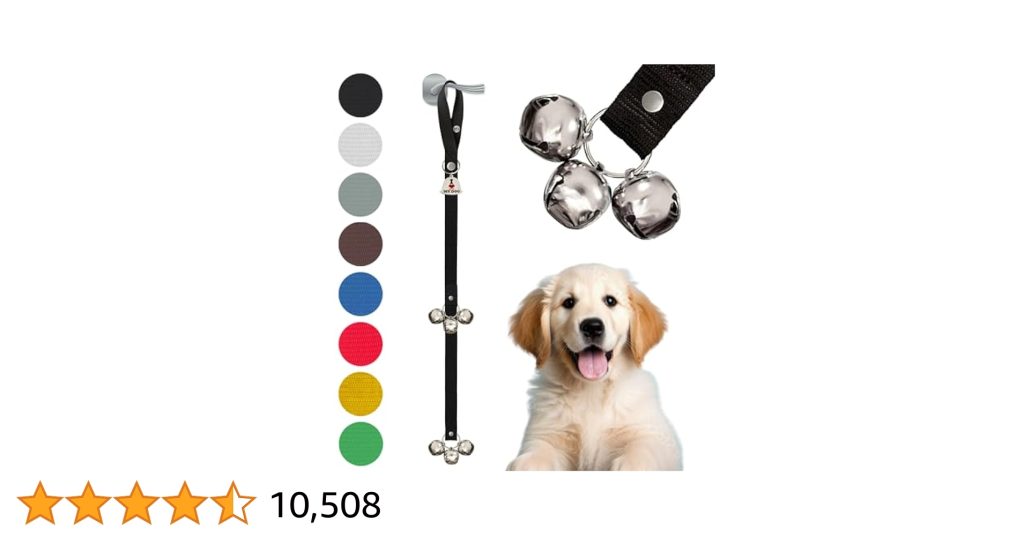
Choosing the right bell is a crucial step in teaching your dog to use it for peeing. The bell needs to be easy for your dog to reach and ring, and it should produce a clear, consistent sound that catches your pet’s attention. Picking the wrong bell can slow down training or confuse your dog, so it’s worth spending some time on this part.
Types Of Bells
There are several types of bells you can consider for your dog’s potty training:
- Door-mounted bells:These are often made of metal and hang from the doorknob. They produce a loud, clear sound when tapped.
- Wall-mounted bells:These attach to a wall or door frame and come in various sizes and materials.
- Hand bells:Smaller bells that you can hold or attach to a low hook; they’re usually quieter and may work better for small dogs.
- Electronic bells:Less common, these bells light up or make sounds when pressed, but they can be more complicated for dogs to use.
Think about your dog’s size and strength. A large, heavy metal bell might be perfect for a big dog but too difficult for a small puppy to ring effectively.
Where To Place The Bell
Positioning the bell is just as important as choosing the right one. It should be at your dog’s nose or paw level so they can easily reach it without straining.
Many dog owners hang the bell on the door handle leading outside. This spot works well because it connects the bell directly to the action of going out.
Try to avoid placing the bell in a spot that’s too high or too far from the door. Your dog might get frustrated if they have to jump or stretch to ring it. Also, consider your daily routine—make sure the bell is visible and accessible whenever your dog needs to use it.

Credit: www.youtube.com
Introducing The Bell To Your Dog
Introducing a bell to your dog as a signal to go outside for a pee break can be a game changer in your potty training routine. The key is to help your dog understand that ringing the bell means it’s time to go out. Patience and consistency are essential during this phase, as your dog needs time to make the connection.
Familiarizing Your Dog
Start by placing the bell where your dog can easily reach it, usually near the door you use to take them outside. Let your dog sniff and explore the bell without any pressure. This simple exposure helps reduce any fear or hesitation around the new object.
Watch how your dog reacts. Do they paw at it? Sniff it curiously? If your dog shows interest, reward them with a treat or praise. This positive association makes the bell a friendly and exciting part of their environment.
Encouraging Interaction
Once your dog is comfortable around the bell, encourage them to touch it. You can gently guide their paw or nose to the bell and immediately open the door to take them outside. Timing is everything here—your dog needs to link the bell ring with going outdoors.
Try using verbal cues like “ring the bell” or “touch” when prompting your dog. Repeating this process several times a day helps reinforce the behavior. If your dog rings the bell on their own, even accidentally, reward them immediately to encourage more bell ringing.
Have you noticed your dog’s unique way of learning new tricks? Paying close attention to their responses can help you tailor this training to fit their personality perfectly.
Teaching The Bell-pee Connection
Train your dog to ring a bell when it needs to pee by hanging a bell near the door. Reward the dog each time it rings the bell before going outside. Repeat this process consistently to build a clear connection between the bell and potty time.
Training your dog to use a bell for potty breaks can be fun and effective. This method relies on creating a clear connection between the bell and the dog’s need to pee. With patience and consistency, your dog will soon alert you whenever nature calls. Follow these steps to help your furry friend make the bell-pee connection.Timing The Bell Ring
Timing is everything in dog training. Introduce the bell during regular potty times. Hang the bell at your dog’s nose level by the door. Every time you plan to take your dog outside, make sure to ring the bell. This helps your dog associate the sound with going outside to pee. Consistency is key. Try to keep the potty schedule regular.Using Treats And Praise
Positive reinforcement works wonders. After your dog rings the bell, immediately offer a treat. Praise them with a happy voice. This rewards the desired behavior. Over time, reduce treats but continue praising. The goal is for your dog to ring the bell without expecting treats every time. Make sure your dog feels successful and happy. This keeps training stress-free and enjoyable for both of you.Reinforcing Bell Use
Reinforcing bell use is a crucial part of teaching your dog to signal when it needs to pee. It’s not just about getting your dog to tap the bell once or twice—it’s about making the bell a reliable communication tool. The more consistent and clear you are with rewards and guidance, the faster your dog will learn to connect the bell with going outside to pee.
Consistent Routine
Dogs thrive on routine. Set specific times during the day when you expect your dog to use the bell, such as first thing in the morning, after meals, or before bedtime.
Each time your dog rings the bell and you respond by taking them outside, you’re reinforcing that behavior. Consistency makes it easier for your dog to understand what the bell means and reduces confusion.
Try to keep the bell in the same spot. This helps your dog remember where to find it and use it. Have you noticed how your dog reacts differently when the bell’s location changes? That’s a sign your routine needs tightening.
Handling Mistakes
Mistakes are part of the learning process. If your dog pees without ringing the bell, don’t punish them. Instead, calmly remind them to ring the bell next time.
If your dog rings the bell but you don’t respond immediately, it can confuse them. Always try to respond right away to maintain the connection between the bell and going outside.
Keep a close eye on your dog during the training phase. Catching these moments helps you guide them better. Have you ever wondered how your reaction to mistakes shapes your dog’s learning curve?
Troubleshooting Common Issues
Troubleshooting common issues helps keep your training on track. Some dogs may not respond as expected to the bell training. Understanding these problems allows you to adjust your approach. Patience and consistency are key to overcoming challenges.
Ignoring The Bell
Some dogs do not pay attention to the bell at first. They might not understand its purpose. Try these tips to encourage interest:
- Show the bell and let your dog sniff it.
- Ring the bell yourself and praise your dog.
- Reward your dog immediately after ringing the bell.
- Practice bell ringing in short, frequent sessions.
Use treats and positive words to build a connection. Avoid forcing your dog to touch the bell. Gradual exposure works best for shy or stubborn dogs.
Excessive Ringing
Some dogs may ring the bell too often, even when they do not need to go out. This can be confusing and tiring. Try these solutions:
- Ignore the bell if your dog rings it but does not potty.
- Only open the door after your dog rings and then pees outside.
- Reduce treats when the bell rings without potty time.
- Keep training sessions clear and consistent.
Teach your dog that the bell means potty time only. This lowers false alarms and strengthens good habits.

Credit: www.amazon.com
Maintaining Training Long-term
Maintaining your dog’s bell training over time needs patience and consistency. Small efforts every day help your dog stay confident and clear about what to do. Keep training simple and positive to avoid confusion or stress.
Gradual Independence
Let your dog use the bell alone without immediate help. Wait a few seconds after the bell ring before opening the door. This teaches your dog to ask politely and wait patiently.
Slowly reduce your rewards but keep praising your dog softly. This shows approval without making your dog dependent on treats. Your dog learns to trust the bell as a communication tool.
Adapting To New Environments
Take the bell with you when visiting new places. Hang it near the door your dog will use to go outside. This keeps the training consistent, even in unfamiliar settings.
Practice the bell routine in different areas of your home or yard. It helps your dog understand the bell means the same thing everywhere. Change can be confusing without steady reminders.

Credit: www.amazon.com
Frequently Asked Questions
How Do I Start Training My Dog To Use A Bell?
Begin by introducing the bell near the door. Ring it each time you take your dog outside. Reward your dog when they touch or ring the bell. Consistency is key to building this new habit.
How Long Does It Take For Dogs To Learn Bell Training?
Most dogs learn bell training within 1 to 2 weeks. The exact time depends on the dog’s age and consistency. Regular practice and positive reinforcement speed up the learning process.
What Type Of Bell Is Best For Dog Training?
Choose a lightweight, easy-to-ring bell like a door-mounted or hanging bell. Avoid heavy or noisy bells that may scare your dog. The bell should produce a clear sound.
How Do I Encourage My Dog To Ring The Bell?
Encourage your dog by guiding their paw or nose to the bell. Use treats and praise immediately after the bell rings. Make the experience fun and rewarding to motivate your dog.
Conclusion
Training your dog to use a bell for peeing takes time and patience. Consistency is key to help your dog learn. Praise your dog each time they ring the bell correctly. Keep training sessions short and positive. Soon, your dog will understand the bell means it’s time to go outside.
This method can make potty training easier for both of you. Remember, every dog learns at their own pace. Stay calm and encouraging throughout the process. Your efforts will pay off with a well-trained and happy dog.